$10,895
Savings
EXPLORE
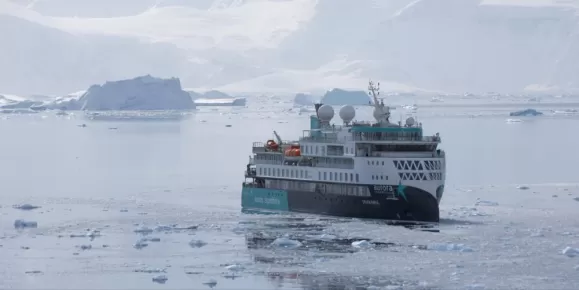
Sylvia Earle
Designed for low-impact voyages featuring a fuel-efficient Ulstein X-Bow®, reduced air emissions and light pollution, and virtual anchoring for protection of the sea floor. The ship honors the highly accomplished marine biologist, oceanographer and explorer, Sylvia Earle. This ship will channel her marine-conservation ethos into a fully immersive on-board guest experience, not only in the Polar regions but in other destinations as the ship sails between the Arctic and the Antarctic.
Ship Details
$10,095
Savings
EXPLORE
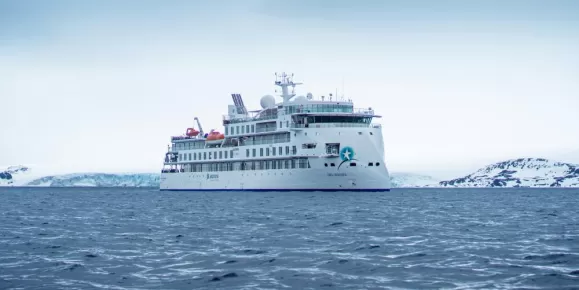
Greg Mortimer
With only 132 passengers on board, Greg Mortimer reimagines arctic expedition cruise for the future. Robust, robust, and designed with guests in mind, this ship represents a major increase in the capability of polar sailing.
Ship Details
$6,595
Savings
EXPLORE
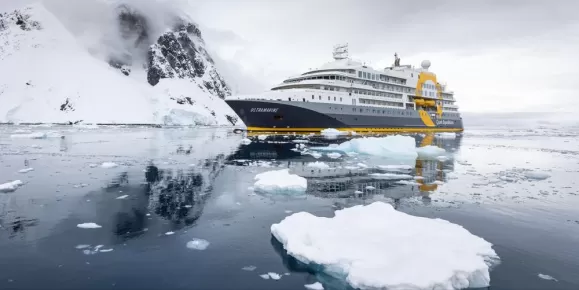
Ultramarine
New in 2021, the Ultramarine is designed with an ice rating of 1A+, PC6, making it one of the most capable polar exploring vessels on the planet. Equipped with two twin-engine helicopters, Ultramarine offers the most robust portfolio of adventure activities in the industry, the most spacious suites in its category, breathtaking public spaces, and more outdoor wildlife viewing spaces than other expedition ships its size.
Ship Details
$4,160
EXPLORE
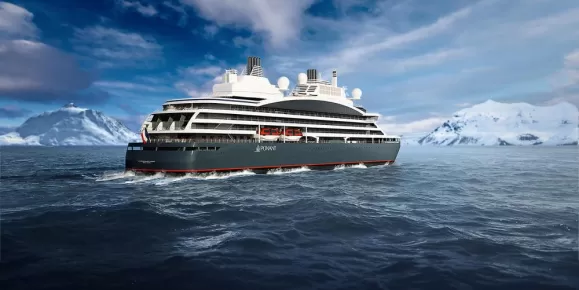
Le Commandant Charcot
The polar explorer ship Le Commandant Charcot travels to remote regions of the Arctic and Antarctic. This expedition ship is unique because of its revolutionary and environmentally friendly design.
Ship Details
$910
EXPLORE
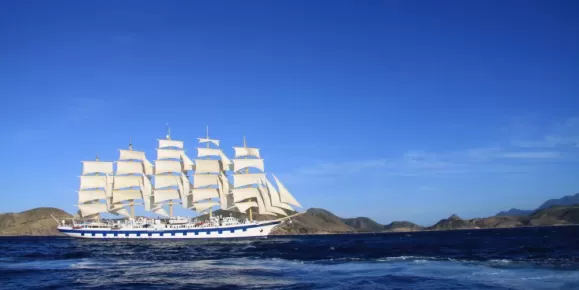
Royal Clipper
The Royal Clipper is the largest full-rigged sailing ship in the world, carrying just 227 privileged guests aboard. She offers the ultimate tall ship sailing experience, balancing the grandeur, adventure, and tradition of sailing with the superb service, amenities, and accommodations of the finest modern yacht. .
Ship Details
$6,175
EXPLORE
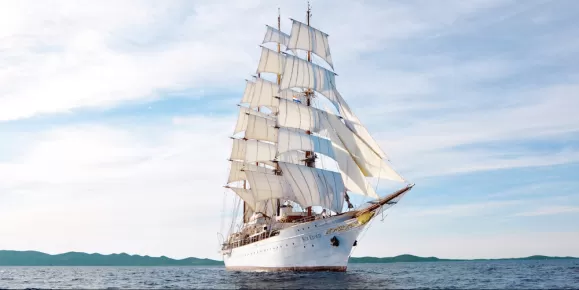
Sea Cloud
With occupancy for just 64 guests, the Sea Cloud is a modern and elegant windjammer outfitted with modern amenities and uniquely decorated cabins. Multiple decks allow you to enjoy the ambiance of the Mediterranean & Caribbean Seas in tranquility as the wind guides the journey.
Ship Details
$7,206
EXPLORE
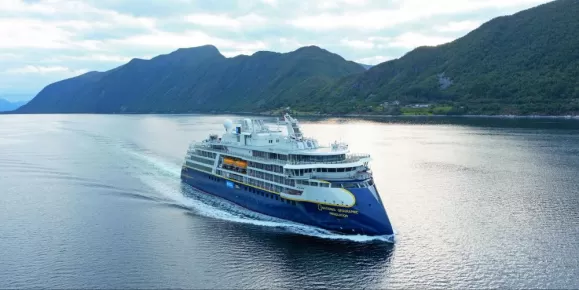
National Geographic Resolution
New in 2021, The National Geographic Resolution is a next-generation 126-passager expedition ship purpose-built for polar exploration in comfort with an extremely smooth ride even on the world's roughest, most demanding seas. National Geographic is legendary for immersive trips focusing on the ecology of the polar regions.
Ship Details
$8,058
EXPLORE
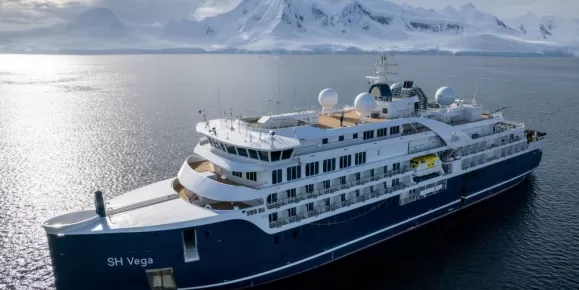
SH Vega
5-star elegant Scandi-design boutique ship offers you an intimate setting from which you will be fully immersed in all the sights and scenery of your voyage.
Ship Details
$2,150
Savings
EXPLORE
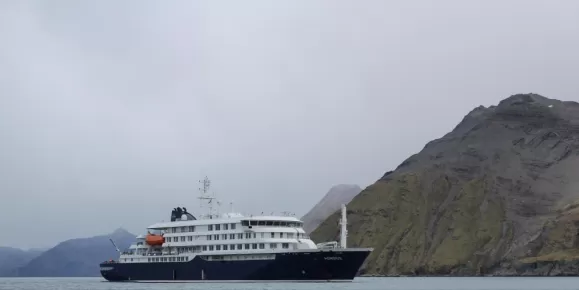
MV Hondius
The MV Hondius ship is designed to sail to the polar regions as much as possible while impacting them as little as possible accommodating 174 passengers cruising to Antarctica.
Ship Details
$4,090
EXPLORE
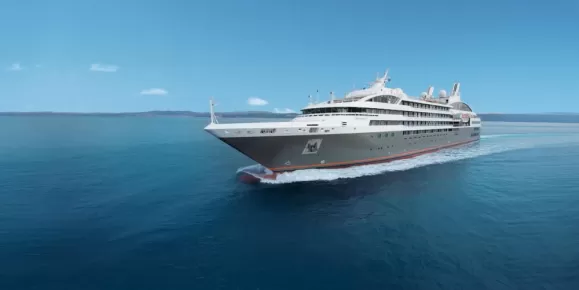
L'Austral
The L'Austral, sister ship to the Le Boreal, is the fruit of Italian expertise and French sophistication. A superb mega-yacht with 132 cabins, the L'Austral links tradition and innovation, cruising to worldwide destinations in luxury.
Ship Details
$5,395
Savings
EXPLORE
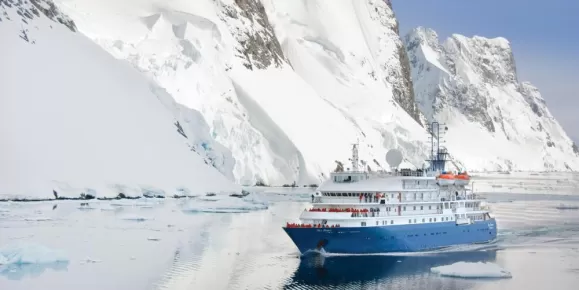
Sea Spirit
Explore polar regions in style and comfort aboard the all-suite Sea Spirit. Providing spacious accommodations for a maximum of 114 passengers, the Sea Spirit also provides the maneuverability and friendly atmosphere of a small ship.
Ship Details
$1,640
EXPLORE
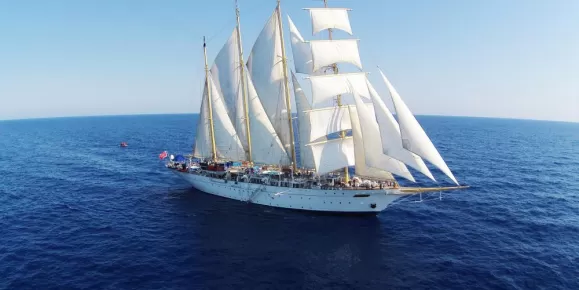
Star Clipper
Star Clipper is a 170-passenger vessel designed to provide a unique traveling experience unlike any other cruise vacation. Step aboard and discover a new age of sail, where the traditions of the past are happily married to the comforts and amenities of the present day.
Ship Details
$1,430
EXPLORE
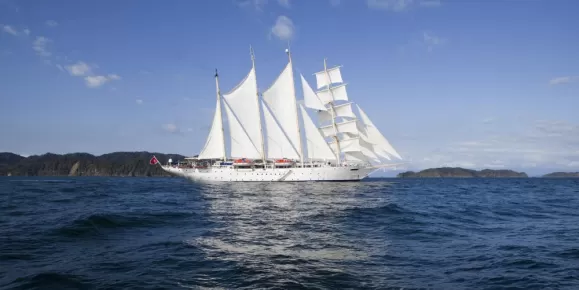
Star Flyer
The Star Flyer is a stylish vessel designed to accommodate 170 passengers in an intimate and comfortable atmosphere. This true clipper ship reflects its proud heritage in every inch of its polished brass and gleaming brightwork. The décor of Star Flyer is reminiscent of the grand age of sail with spacious accommodations and expansive teak decks.
Ship Details
$10,721
Savings
EXPLORE
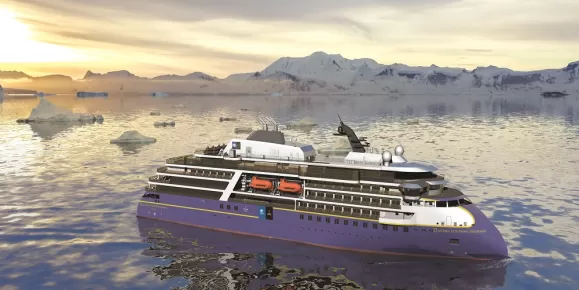
National Geographic Endurance
National Geographic Endurance, a purpose-built cruise ship capable of year-round operations in the arctic regions, with the highest ice class rating (PC5 Category A) ever achieved by a cruise ship of its size (126 guests). The sloping X-bow is designed to decrease movement in the roughest of seas and also results in higher fuel efficiency and lower emissions for less environmental impact.
Ship Details
$4,290
Savings
EXPLORE
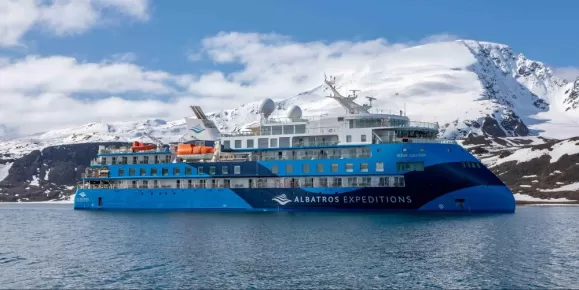
Ocean Albatros
Featuring a capacity of 175 passengers, the Ocean Albatros offers a unique adventure sailing to exciting destinations such as Antarctica, the Arctic, and more. Experience shore landings, excursions, lectures, and whale safaris on every expedition.
Ship Details
$5,730
EXPLORE
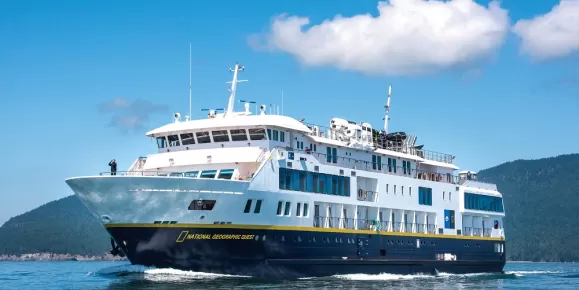
National Geographic Venture
National Geographic Venture is perfectly designed to explore Alaska's Inside Passage and beyond accommodating 100 passengers and providing a new standard of comfort and style while sailing through Alaska's remote locations.
Ship Details
$2,250
EXPLORE
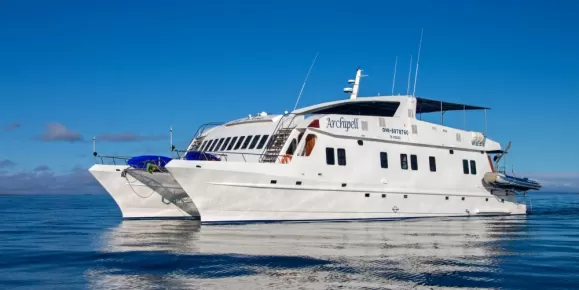
Archipel I
The 16-passenger twin-hulled Archipel I catamaran combines comfort and space onboard for the optimal experience on its naturalist and diving cruises of the Galapagos Islands. Ocean view cabins with air conditioning, private bathrooms, and hot water couple with various social areas, including the dining room, lounge, and sundeck.
Ship Details
$6,995
Savings
EXPLORE
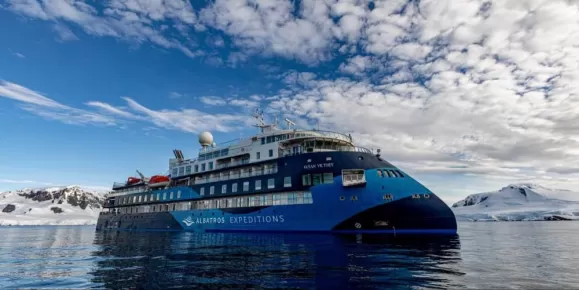
Ocean Victory
Accommodating 174 passengers as it sails along Antarctica, the Ocean Victory offers a unique adventure. Experience shore landings, excursions, lectures and whale safaris for every expedition.
Ship Details