Have questions? We're here.


| Trip Name | From | Days | Summary |
|---|---|---|---|
| Costa Rica's Pure Life Adventure Cruise | $7,700 | 8 | Sail Costa Rica’s wild Pacific coast on this 8-day roundtrip cruise from Liberia aboard Safari Voyager. Hike remote trails in Murciélago Bay, explore the wildlife-rich Curú Wildlife Refuge, and paddle through the tropical fjord of Golfo Dulce. Enjoy expert-led kayaking, snorkeling, and scenic hikes. |
| Panama to Costa Rica | $2,010 | 8 | Embark on an 8-day cruise from Balboa to Puerto Caldera aboard the Star Clipper, exploring highlights like San Jose Island and Coiba National Park. Enjoy diverse activities like snorkeling, surfing, and visiting Manuel Antonio National Park before disembarking in Puerto Caldera. |
| Costa Rica & Panama | $2,010 | 8 | Set sail on an 8-day cruise aboard the Star Clipper through Costa Rica and Panama, exploring lush rainforests, pristine beaches, and vibrant marine life. Highlights include Manuel Antonio, Coiba Island, and Isla Tortuga’s turquoise waters. |
| Costa Rica and the Panama Canal | $5,772 | 8 | Discover Costa Rica & Panama on this 8-day cruise aboard the National Geographic Quest. Venture into remote wilderness and hike among monkeys, sloths, and tropical birds, explore idyllic islands, snorkel over a vibrant coral reef, and take an expedition landing craft cruise through mangroves. |
| Wild Pacific And Luxury: The Heart of Biodiversity | $3,750 | 5 | Set sail on a 5-day Zibó expedition from Quepos to Corcovado National Park. Explore Biesanz Beach, Sierpe Wetlands, and Caño Island’s vibrant marine ecosystems. Discover beaches, rainforests, and marine sanctuaries along Costa Rica’s Pacific coast. |
| Costa Rica's Pacific and Rainforest Gems: An Unforgettable Journey | $2,780 | 4 | Embark on a 4-day Zibó expedition from Quepos to Drake Bay and Caño Island. Discover abundant wildlife, thriving wetlands, and colorful marine ecosystems along Costa Rica’s coastline. |
Talk with an expert trip planner 1.800.344.6118
Plan My TripDon't worry, Adventure Life experts can customize any of our Costa Rica adventures by combining sites, destinations, and activities to match your preferences. With our extensive knowledge and expertise, we can create a diverse set of experiences tailored just for you, whether you're seeking adventure, relaxation, or a mix of both.
At Adventure Life, we believe your Costa Rica tour experience should be as unique as you are. Whether you're dreaming of ziplining through lush rainforest canopies, soaking up the sun on a remote Pacific beach, hiking to hidden waterfalls, or spotting toucans and sloths in the wild, our expert Trip Planners are here to make it happen.
We specialize in custom travel, which means you’re never locked into a cookie-cutter itinerary on any of our Costa Rica tours. Want to mix adventure with a little luxury? Craving a blend of wildlife encounters, volcano hikes, and cultural village visits? No problem. We’ll help you combine top destinations—like Arenal, Monteverde, Manuel Antonio, Tortuguero, and beyond—into one unforgettable Costa Rica tour.
Let us take the guesswork out of planning and craft a trip through one of our adventures Costa Rica has to offer that fits your style, pace, and passions. Reach out to our Costa Rica trip planners today, and let’s start curating your perfect pura vida escape.
Costa Rica has long been the top adventure travel destination in Central America, and Adventure Life will take you from the highest peaks to the wildest rivers and even into the rainforest canopy on one of our Costa Rica tours. Here are our picks for the top adventure tours in Costa Rica.
These incredible locations across Costa Rica offer diverse experiences ranging from lush rainforests and volcanic wonders to pristine beaches and vibrant local culture.

Our team is waiting and ready to talk with you about your next adventure. So go ahead and book an appointment with one of our specialized trip planners.
Let's ChatAll travelers on a Costa Rica tour must have a passport valid for at least six months after their departure date. No visa is required for citizens of countries like the United States, Canada, the United Kingdom, much of Europe, Japan, and others for stays up to 90 days. Citizens of countries such as Australia, Mexico, and New Zealand do not need a visa for visits under 30 days. Since entry requirements can change often, travelers should always check with the Costa Rican Embassy for the latest visa information before their trip.
Although Costa Rica’s tropical climate makes it a fantastic year-round destination, the best time to travel is during the dry season between December and April. Blue skies and warm sunshine are perfect for beach getaways and encounters with wildlife. Keep in mind though, that this season is the country’s peak season, and many Costa Rica tours will have higher costs.
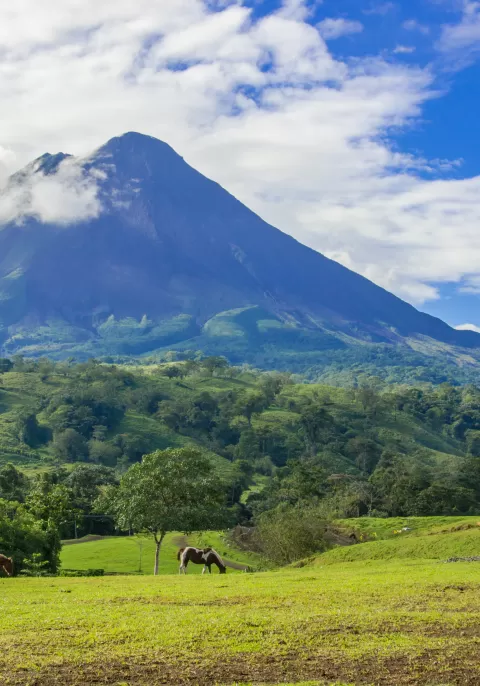
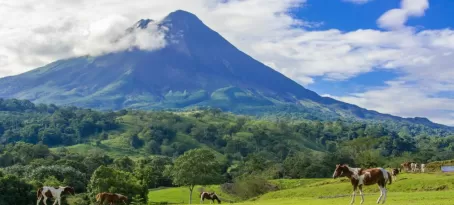
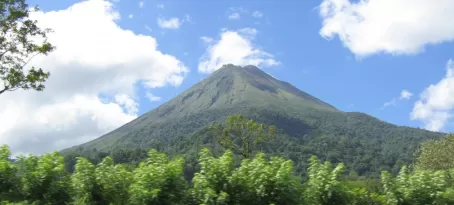
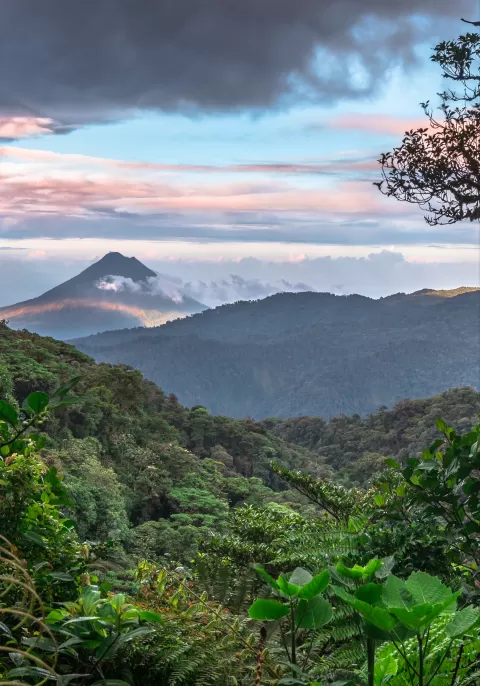
A Costa Rica tour offers diverse regions, each with unique attractions. The Pacific Coast is famous for its beautiful beaches and rich marine life. The Caribbean Coast offers vibrant culture and lush rainforests. The Central Valley is home to San José and several coffee plantations. The Northern Plains are known for volcanoes and hot springs, while the Osa Peninsula is a must-visit for wildlife enthusiasts.
For first-time visitors with 8 days, a well-rounded itinerary on one of our Costa Rica tours might include:
Day 1-2: Explore San José and nearby coffee plantations or Poás Volcano.
Day 3-5: Head to Arenal Volcano for hot springs, hiking, and waterfalls.
Day 6-8: Visit the Pacific Coast, perhaps Manuel Antonio National Park for wildlife and beaches, or the Nicoya Peninsula for a more laid-back beach experience.
While some popular Costa Rica tours and accommodations can book up during peak season, many Costa Rica adventure tours can be arranged on the spot. However, booking in advance ensures you get your preferred activities and guides.
Most international visitors arrive in Costa Rica via Juan Santamaría International Airport (SJO) in San José. Another option is Daniel Oduber Quirós International Airport (LIR) in Liberia, which is convenient for those heading to the Pacific Coast or the Guanacaste region. Both airports offer numerous international flights and are well-connected to major destinations on our Costa Rica tours.
Costa Rica is one of the safest countries in Central America. However, it's always wise to take standard precautions, such as avoiding isolated areas at night and securing valuables.
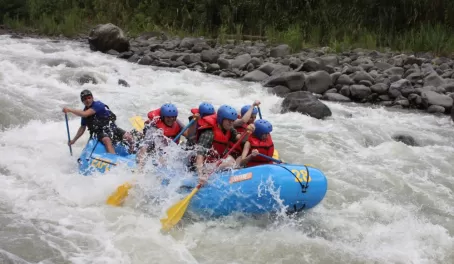
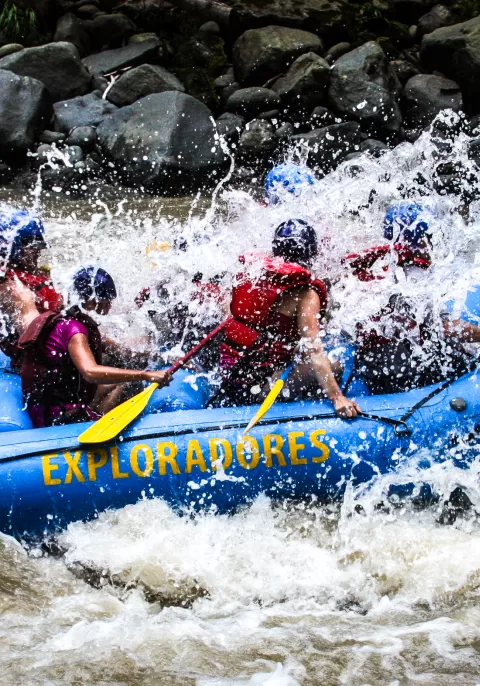
Many Costa Rica tours offer rafting experiences for all levels. The Pacuare River is popular for more adventurous rafters, with class III-IV rapids. For a gentler experience, consider the Savegre River, which offers class II-III rapids and is suitable for beginners and families.
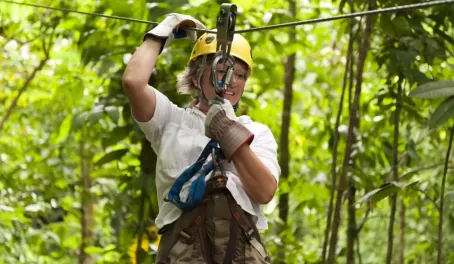
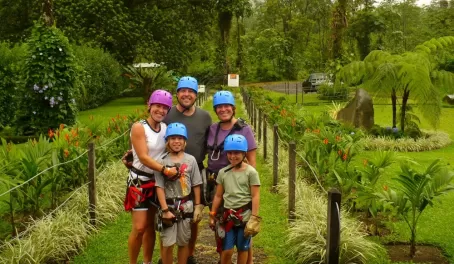
Yes, ziplining on a Costa Rica tour is generally safe. The country has well-established zipline tours with professional guides and high safety standards. Most operators use high-quality equipment, follow strict safety protocols, and offer thorough briefings before the activity. However, it's important to choose reputable tour companies and ensure that the operation is certified. If you follow the guidelines provided by the guides, ziplining can be a thrilling and safe experience.
Yes, Costa Rica is home to several species of monkeys, including howler monkeys, capuchins, and spider monkeys. They are often spotted in national parks like Manuel Antonio, Corcovado, and Tortuguero.
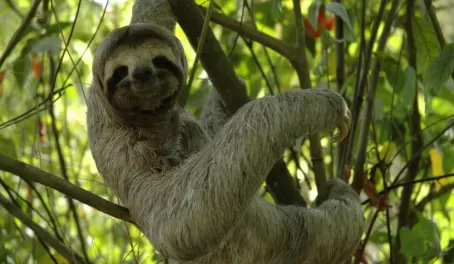
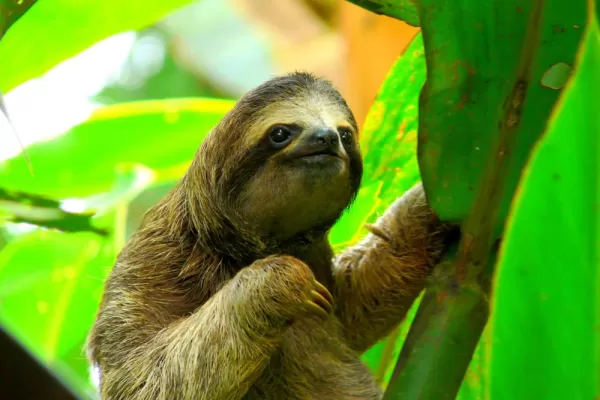
Costa Rica is known for its biodiversity. In addition to monkeys, you might see sloths, toucans, parrots, jaguars, and a variety of reptiles and amphibians. National parks like Corcovado and Tortuguero are hotspots for wildlife viewing.
Absolutely! Having travel insurance during a Costa Rica tour is very important just to make sure that you're covered no matter what happens - a small investment now can save you thousands if something doesn't go as you expect it to. Our Once You're Booked page has more details on this, including discounts through one of our partner companies.
The average cost of a Costa Rica tour varies depending on travel style, trip length, and activities. For a mid-range experience, travelers can expect to spend approximately $2,100–$4,500 per person for a 6-day trip, which includes accommodations, meals, local transportation, and sightseeing. To learn more about trip details and pricing, contact one of our Trip Planners.
An 8-day to 11-day tour is ideal for exploring Costa Rica’s marvelous landscapes and enjoying its food and activities. Learn more about available Costa Rica tours with help from our experienced Trip Planners.
We bring cruise and land together into a single, well-orchestrated experience—so your trip feels cohesive, not pieced together.
Secure your 5% Past Traveler Rewards across a wide range of ships and destinations - not a single brand and not just cruises.
Skip the endless research and information overload—our deep destination expertise helps you design a more seamless trip in a fraction of the time.









No cost, no commitment. Talk with our experts about your dream trip.
Share your travel style—we match you with the right itinerary or create one just for you.
Lock in knowing every detail is handled and you’re fully supported.
Enjoy a seamless journey—and unlock 5% off your next adventure.