This tiny group of islands, located some four hundred miles off the Chilean coast, includes what is probably literature's most famous 'deserted' island. Isla Robinson Crusoe is the very island on which the Scottish mariner Alexander Selkirk was marooned for over four years: his recollections of the ordeal gave rise to Daniel Defoe's famous novel and the island dreams which so many share.
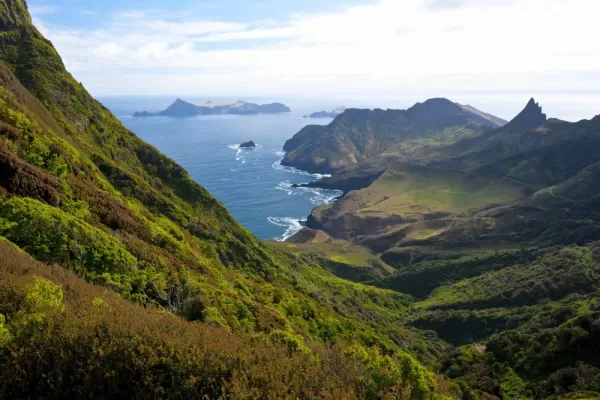
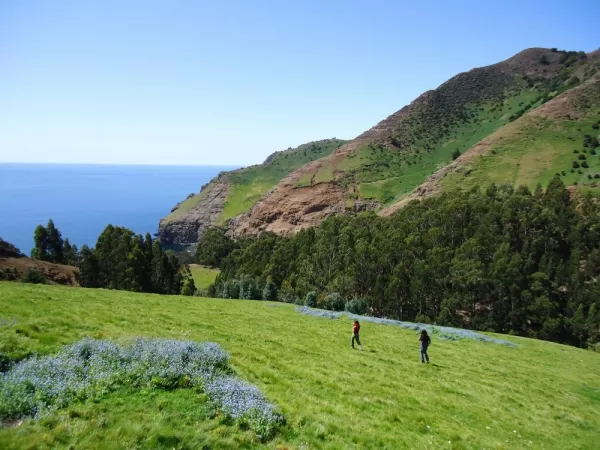
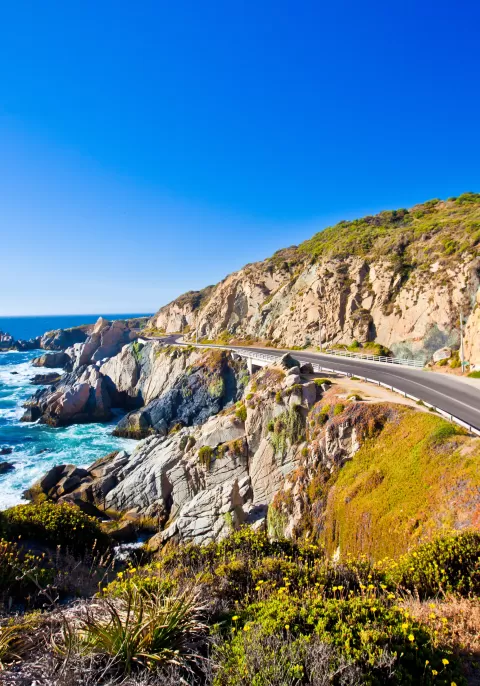
Rising dramatically from the Pacific to jagged peaks exceeding 5000 feet, the islands of the Juan Fernández archipelago are home to one of the most highly endemic ecosystems in the world. Over 60% of native plant species on the island are found nowhere else of earth, while notable endemic fauna include 6 species or sub-species of birds and the Juan Fernandez fur seal, back from near extinction around the turn of the century. Today, the entire archipelago is protected as a national park and UNESCO World Biosphere Reserve, boding well for the preservation of biodiversity on Juan Fernández. Dramatic shoreline surrounds Robinson Crusoe Island
Isla Robinson Crusoe has the archipelago's only permanent population, centered in and around the town of San Juan Bautista, with a local economy based largely on the harvest of delicious spiny lobsters. Tourism in the islands is decidedly low-key, with a number of comfortable pensions and restaurants available in San Juan Bautista. Hiking trails, fishing, birdwatching and diving are all excellent options for active travelers. Thanks to the Tourism Promotion Corporation of Chile : 202-530-4109
Where Is Robinson Crusoe Island?
Part of the Juan Fernández Archipelago – Robinson Crusoe Island sits about 400 miles off Chile’s coast, making it one of the country’s most remote destinations. Its isolation has helped preserve unique wildlife and endemic plant species.
UNESCO Biosphere Reserve – This status protects the island’s delicate ecosystems, from rare birds to the Juan Fernández fur seal. Visitors play an important role in helping conservation efforts by following park guidelines.
Why it’s unique – Steep volcanic peaks, dense forests, and clear Pacific waters create dramatic landscapes. The combination of endemic flora and fauna makes the island an irreplaceable natural treasure.
Crusoe Island Lodge, Chile
History and Legends of Robinson Island
Alexander Selkirk, the real-life castaway – His survival story inspired Defoe’s novel and brought international fame to the island. Today, hikers can follow trails near the areas where Selkirk lived.
Colonial and pirate history – The Juan Fernández islands were occasionally visited by pirates and European sailors during the 16th and 17th centuries. Artifacts and legends of shipwrecks add a sense of adventure to exploration.
How the legend shaped its identity – Robinson Crusoe Island has embraced its literary heritage, with small museums, plaques, and local stories keeping Selkirk’s tale alive for visitors.
robinson crusoe island (Cascada Expediciones)
Things to Do on Robinson Crusoe Island
Hiking: Cerro El Yunque and Mirador Selkirk – Trails climb dramatic volcanic peaks and offer sweeping views of the Pacific and island forests. These hikes are ideal for birdwatchers and nature photographers.
Diving and snorkeling – The waters surrounding the island are home to colorful fish, marine invertebrates, and historical shipwrecks. Snorkeling near coves offers an intimate look at vibrant marine ecosystems.
Wildlife spotting – Unique flora and fauna include endemic birds, plants, and the recovering Juan Fernández fur seal.
Exploring San Juan Bautista village – The small community offers insight into island life, local crafts, and daily routines. Cafés and shops give travelers a chance to interact with residents and experience local culture.
Beaches and coves – Secluded spots like Playa Larga provide swimming, sunbathing, and peaceful relaxation away from the village. These beaches are perfect for picnics or quiet reflection.
robinson crusoe island (Cascada Expediciones)
Best Time to Visit Robinson Crusoe Island
Climate: subtropical and mild year-round – Temperatures remain comfortable for outdoor activities at any time of year.
Summer (Nov–Mar) – Ideal for hiking, diving, and observing wildlife. Days are longer, making it perfect for exploring multiple trails or marine excursions.
Winter (Jun–Aug) – Cooler temperatures and fewer visitors provide a quieter experience, though some activities may be limited due to weather.
Festivals and events – Visiting during local celebrations offers cultural experiences, but check schedules in advance as capacity is limited.
Where to Stay and Eat on Robinson Crusoe Island
Eco-lodges and family-run guesthouses– San Juan Bautista offers several accommodations with a focus on comfort and sustainability. Many lodges also organize guided tours of the island.
Dining options – Restaurants are small but authentic, serving fresh seafood, local produce, and traditional Chilean dishes. Lobster dishes are a highlight.
Booking early – The island has limited lodging capacity, so reserving months in advance ensures a spot, especially during peak travel season.
Enjoy an evening drink and a dip in the pool at Crusoe Island Lodge
Conservation and Sustainability Efforts
Biosphere Reserve protections – Strict regulations help preserve endemic plants, birds, and marine life. Visitor cooperation is essential for maintaining these efforts.
Endangered species and reforestation projects – Programs to protect the Juan Fernández fur seal and restore native forests are ongoing. Tourists can support these efforts by following guidelines and respecting wildlife.
Eco-tourism guidelines – Responsible travel includes sticking to marked trails, minimizing plastic use, and participating in tours that educate about conservation.
Is Robinson Crusoe Island Worth Visiting?
Absolutely. With its remote beauty, unique wildlife, hiking trails, and quiet beaches, the island is perfect for travelers looking to experience a place few people ever visit. Its history, combined with natural wonders, makes Robinson Crusoe Island a destination that is both adventurous and unforgettable.
Our team is waiting and ready to talk with you about your next adventure.
So go ahead and book an appointment with one of our specialized trip planners.