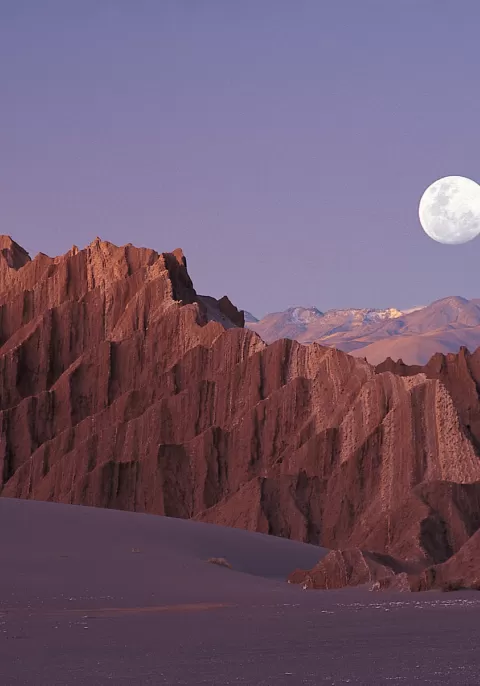
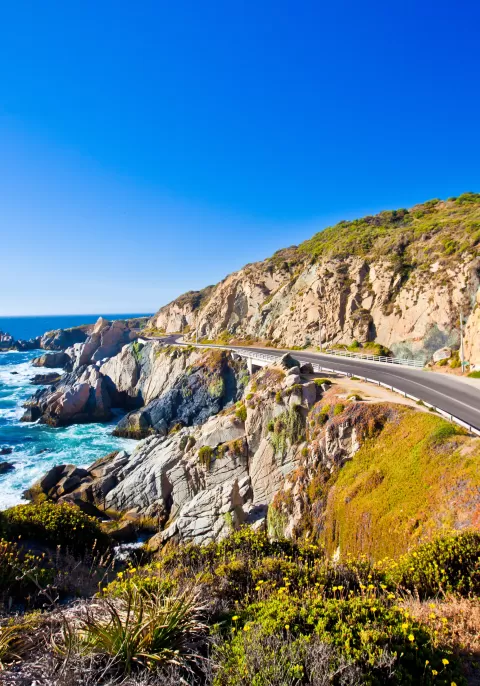
Chile is one of the most geographically diverse countries in the world. Stretching over 2,600 miles from north to south, it is narrow yet remarkably varied, with deserts, mountains, fertile valleys, lakes, glaciers, and rugged coastlines. From the driest desert on Earth in the north to the icy landscapes of Patagonia in the south, Chile offers a unique mix of ecosystems, climates, and natural wonders.
Central Chile: Cultural and Geographic Heart
Santiago – The Capital Basin
Santiago sits in a basin between the Coast Range to the west and the Andes to the east. It is the hub of commerce, industry, and culture in Chile, hosting most of the country’s universities, corporate headquarters, and cultural institutions. Modern highways link the city with coastal resorts and other regions, making it the gateway for international travelers.
Proximity to the Andes
World-class ski areas lie just forty-five minutes from the city, climbing over 7,500 feet in only 26 miles. Rivers fed by snowmelt from the Andes irrigate the Central Valley, creating lush landscapes ideal for agriculture, vineyards, and outdoor recreation.
Vineyards and Day Trips
Surrounding Santiago, visitors can explore numerous vineyards, soak in hot springs, or tour seventeenth-century colonial haciendas. National parks in both the Andes and Coast Range provide hiking, mountaineering, rafting, and horseback riding opportunities.
Central Coast and Beach Resorts
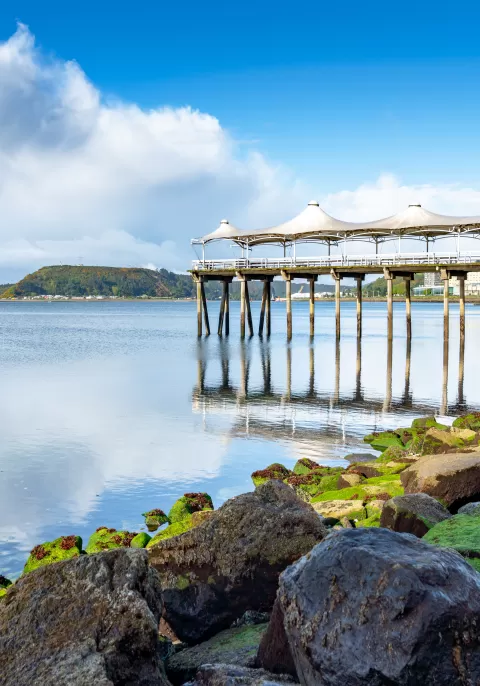
The Mediterranean climate of the central coast brings short, mild winters and sunny summers lasting more than eight months. Cities like Viña del Mar, Valparaíso, and San Antonio offer a mix of white-sand beaches, luxury hotels, seafood restaurants, and quiet cabañas for a range of traveler preferences.
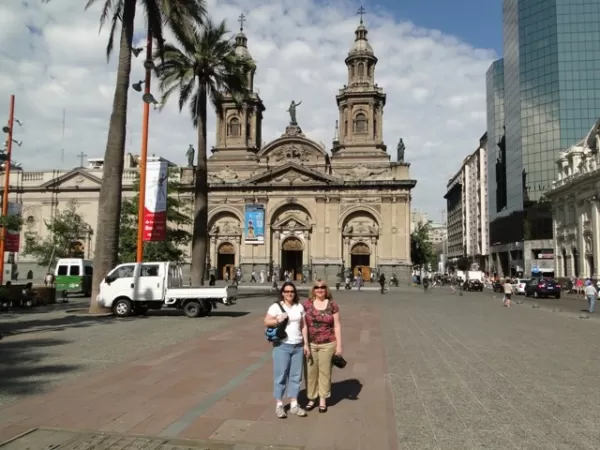
Margy and I in the square-Santiago (Courtney Jordan)
Northern Central Chile: Arid Landscapes and Desert Influence
Transition to Hotter, Drier Climate
Moving north from Santiago, the Central Valley gradually becomes warmer and drier, blending into the southern edge of the Atacama Desert. The landscape shifts to arid foothills and semi-desert zones.
La Serena and Pisco Production
La Serena, Chile’s second-oldest city, is known for its charming colonial architecture and nearby beaches. The region is also famous for pisco production, a grape brandy that is second only to wine in local popularity.
Fertile Lands and Traditional Culture
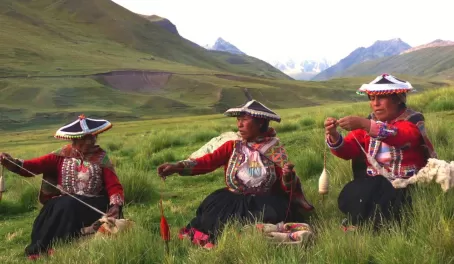
The southern part of the Central Valley remains fertile and agricultural, where the Chilean huaso (cowboy) continues traditional practices. Visitors can witness rodeos, horseback riding, and other aspects of Chilean rural life, reflecting centuries of cultural heritage.
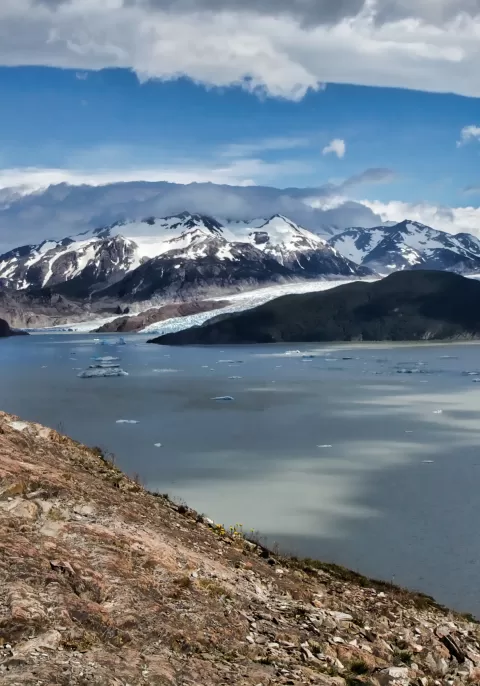
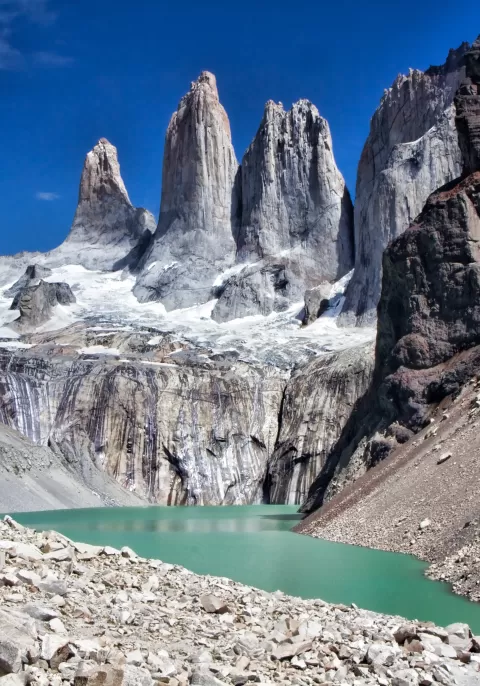
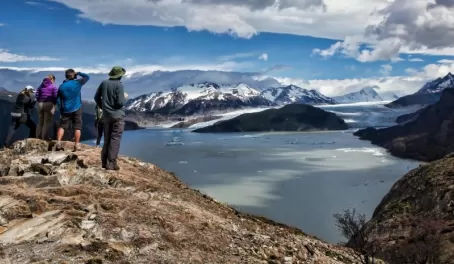
Torres del Paine (Sergey Semenchinskiy)
Eastern Central Chile: The Andes and Beyond
Snow-Capped Peaks and Water Resources
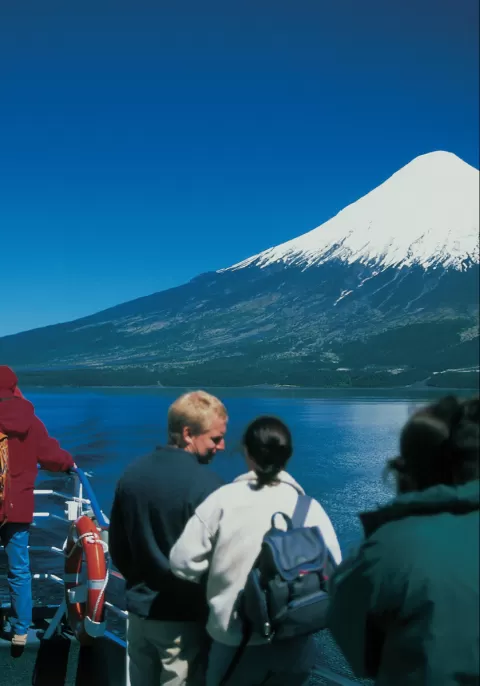
The Andes are a dominant presence in the east, cloaked in snow during winter and spring. They serve as a vital water reservoir, feeding rivers that sustain the Central Valley’s agriculture and cities.
Glacial Landscapes and Microclimate Forests
Beyond the main peaks lies a wilderness of glaciers, alpine lakes, and glacially sculpted canyons. Microclimate forests grow in sheltered valleys, providing unique ecosystems within the high-altitude environment.
Outdoor Adventure Opportunities
Lateral roads into the Andes lead to national parks and adventure activities such as skiing, hiking, mountaineering, mountain biking, rafting, and horseback riding. The region is a playground for nature lovers and adventure travelers alike.
The magical Torres del Paine (Jesson Burnam)
Summary of Central Chile’s Geographic Highlights
Balanced microcosm of Chile – Positioned between deserts to the north and forests to the south
Mediterranean climate – Ideal for agriculture, wine production, and comfortable travel
Cultural hub – Santiago and the Central Valley combine historical architecture, modern amenities, and natural beauty
Adventure and nature – Easy access to mountains, beaches, national parks, and outdoor sports