USA Today Logo New York Times Logo Outside Magazine Logo Conde Nast Traveler Logo National Geographic Traveler

Out of the Northwest Passage

« All Sea Adventurer (AC) cruise options
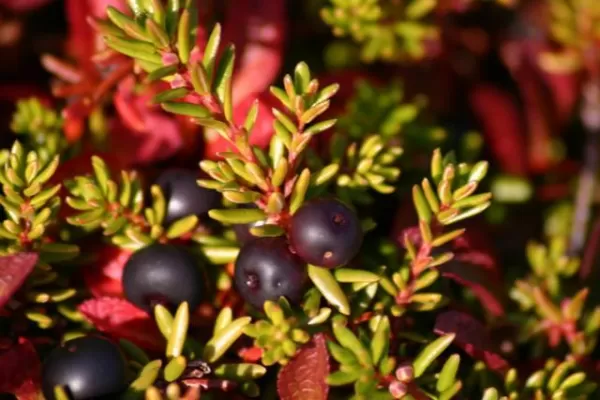
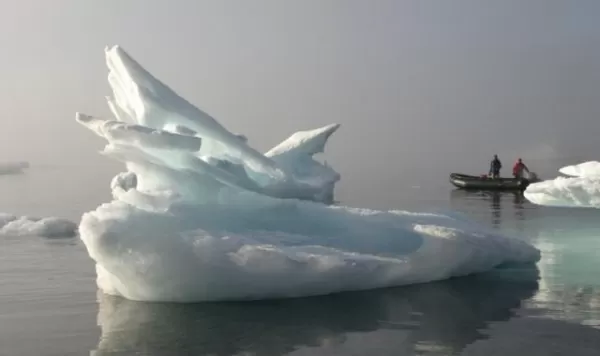
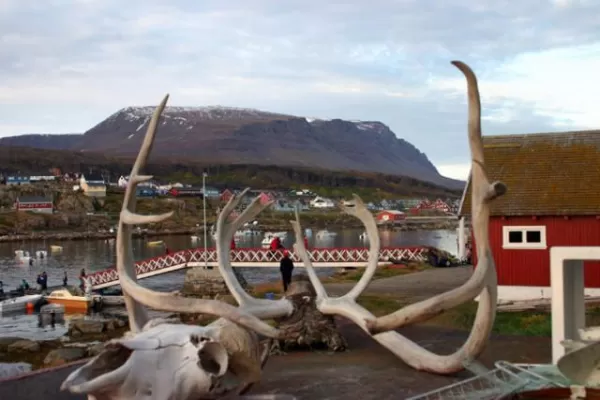
Cruising in the zodiacPolar Bear looking for preyArctic blueberries gleam in the early morning sunshine|^|Clayton AndersonExplore the mysterious Arctic waters by zodiac with your fellow travelers|^|Clayton AndersonEvening falls over the harbor of an Arctic village|^|Clayton Anderson
Dates Deck + Cabin Type
Cat 1 Cat 2 Cat 3 Cat 4 Cat 5 Cat 6 Cat 7 Cat 8 Cat 9 Cat 10
Aug 20 '13
$7,595 $9,395 $10,295 $11,695 $12,995 $14,395 $15,495 $15,995 $16,695 $17,595
Charter flights available from Edmonton to Kugluktuk, returning to Toronto for $2055.
$250 Environmental Discovery Fee
Deals, Discounts... Savings!
Savings Dates  
30% All Departure Dates Save 30% on any departure if you are under 30 when you book it!
id: 2244
These special offers are applicable only to new bookings. Discounts are subject to availability, so contact us for more details.
- Rates are quoted in U.S. dollars and represent costs per person, double occupancy. Request the Twin Share Program where you are matched with a cabin mate of the same gender. Even if a cabin mate is not found for you, no single supplement will be charged.
-Cabins are available for single occupancy at 1.6 times the double occupancy rate. The supplement for a suite is 2 times the shared rate.
Deposit & Payment

Request More Information

First Name
Last Name
Email
Phone
Tell us more. We will customize a brochure to your preferences.

Day 1 Arrive Edmonton / Kugluktuk (Coppermine River)

Arrive in Edmonton and join your charter flight which takes you to remote Kugluktuk. Situated on the famed Coppermine River, the hamlet of Kugluktuk is home to 1,200 residents. The proximity to the treeline make this area particularily rich in wildlife. Wolverines, moose, muskoxen, caribou, foxes, wolves and grizzly bears are all resident species. The people of Kugluktuk rely heavily on their traditional economy of hunting and fishing to feed and clothe their families for cultural and nutritional wellbeing. Originally named Coppermine, it was renamed Kugluktuk according to its Inuinnaqtun name meaning "place of moving waters", on January 1st, 1996. The Coppermine River itself is designated a Canadian Heritage River for the important role it played as an exploration and fur trade route. Copper deposits along the river attracted the first explorers to the area.

Day 2 Kangiryuar (Prince Albert Sound)

Found on the west side of Victoria Island, The Hudson's Bay Company post at Prince Albert Sound was opened in 1923, moved to Walker Bay in 1928 and finally to Ulukhaktok (Holman) in 1939. The large bluff that overlooks Ulukhaktok was the source that provided the slate and copper used to make ulus and give the community its name. Ulukhaktok is also the location of the most northern golf course in the Americas and hosts the "Billy Joss Open Celebrity Golf Tournament" every summer. Over the years they have managed to attract players from the Edmonton Oilers and the Edmonton Eskimos, as well as golfers from other countries.

Day 3 Jesse Harbour, Banks Island

Home to two thirds of the world's population of Lesser Snow Geese, two federal Migratory Bird Sanctuaries were founded in 1961. The island is home to Barren-ground Caribou, polar bears, muskoxen, and birds such as robins and swallows. The first grizzly-polar bear hybrid found in the wild, was on Banks Island in April 2006 near Sachs Harbour. Muskoxen, with a population of about 40,000, are the most striking of the abundant wildlife on the island. It was named Banks Island in 1820 by Sir William Parry in honour of British naturalist and botanist Sir Joseph Banks.

Day 4 Prince of Wales Strait

Prince of Wales Strait is part of the Arctic Ocean, extending northeastward for 275 km from the Amundsen Gulf to Viscount Melville Sound and separating Banks and Victoria islands. It was discovered in 1850 by Robert McClure, the Irish explorer, who came within sight of the Viscount Melville Sound before heavy ice forced him to turn back. It was named after Albert Edward, then the Prince of Wales. It was not navigated until the RCMP patrol of Sgt Larsen in 1944. It has since become the preferred route of large vessels making the passage.

Day 5 Winter Harbour, Melville Island

Melville Island was first visited by British explorer Sir William Parry in 1819. Not only did he discover the island, ice forced him to spend the winter in 1820 at what is now called 'Winter Harbour'. The island is named for Robert Dundas, 2nd Viscount Melville, who was First Sea Lord at the time. Melville Island is one of two major breeding grounds for a small sea goose, the Western High Arctic Brant. DNA analysis and field observations suggest that these birds may be distinct from other brant stocks. Numbering only 4,000-8,000 birds, this is one of the rarest goose stocks in the world.

Day 6 Parry Channel

Parry Channel is a sea passage running east to west through the arctic islands. Named for explorer William Edward Parry, it begins at Lancaster Sound, passes through Barrow Strait, leads into Viscount Melville Sound, finally reaching the Beaufort Sea through M'Clure Strait. Here we will make an expedition stop at Nilson Griffiths Point.

Day 7 Bathurst Island

Good soil conditions and a rare wetland environment produce abundant vegetation here, making Bathurst a major calving area for the endangered Peary Caribou. Here we also find Polar Bear Pass National Wildlife Area, a migratory route for polar bears from March to November. The north half of the island is the proposed Tuktusiuqvialuk National Park. There is a long human history on the island, with evidence of Dorset and Thule habitation as early as 2,000 BC.

Day 8 Beechey Island & Radstock Bay

In 1845 Sir John Franklin took his expedition of 129 men in two ships into the Wellington Channel. Not a soul returned from the fateful expedition. It was two years before search parties were launched. Aside from the bodies of three souls buried here, only relics were found as clues to the disappearance. Until recently, the three graves had left no indication as to the fate of the rest of the British party. Such is the interest in this story, the Canadian government recently announced a new initiative to locate the missing Franklin vessels.

Day 9 Dundas Harbour and Croker Bay, Devon Island

The largest uninhabited island in the world supports significant concentrations of wildlife, including 26 species of seabirds and 11 species of marine mammals. At Dundas Harbour find the lonely remains of an RCMP station dating from the 1920s. You may also spot walrus, polar bear, muskox and caribou here. At nearby Croker Bay, have a chance to Zodiac cruise though this scenic bay and marvel at icebergs, freshly calved from the glacier at the head of the bay.

Day 10 Aujuittuq (Grise Fiord)

Grise Fjord, or Aujuittuq meaning 'place that never thaws,' and at 1,150km above the Arctic Circle, it is Canada's northernmost civilian community. With a population of 165, you will be welcomed into this peaceful and warm hamlet. Your activities will center around the school where you will have a chance to meet members of the community and learn about their way of life.

Day 11 Smith Sound

Spend a day exploring north into this fabled body of water that served as the main route for explorers and adventurers searching for the North Pole. Adolphus Greely, Sir George Nares and Elisha Kent Kane all travelled these waters with varying degrees of success. The Sound was named by William Baffin after Sir Thomas Smythe, promoter of voyages to find a Northwest Passage. Only 48-72km wide and 88km long, it is often packed with ice and provides favorable conditions for wildlife viewing.

Day 12 Cape Alexander

Arriving on the Greenland side of Smith Sound, you will have a chance to set foot on the westernmost tip of Greenland at Kap Alexander.

Day 13 Kap York, Greenland

The rugged coastal environment at Kap York is rich in wildlife and is part of an extensive network of traditional hunting grounds. During the spring and summer months the skies and cliffs are dotted with millions of birds, primarily auks and murres. This district boasts the largest seabird population in northwest Greenland. Whalers and explorers often entered these waters and later Admiral Robert Peary's family raised a monument in honor of his achievements on the cape. Sailors' and ships' logs record multiple climbs of the cape in order to survey the ice conditions in Qimusseriarsuaq. You will hike the tundra landscape and enjoy our own magnificent vistas.

Day 14 Upernavik

Upernavik or "the spring place" is populated by 1,100 people most of whom make their living in the fishing industry this a few small fish processing plants line the harbor. Part of the population relies on polar bear hunting and sealing. Upernavik's location on the small island facing the open sea makes Upernavik unusual in comparison with other Greenlandic towns. Its location on the side of a hill provides a fantastic view of the Davis Strait. Of particular interest in the town is the cemetery. Here permanently frozen ground has forced the villagers to bury their dead in raised graves covered with rock and concrete. Just down the hill, near the Old Town Museum and church, you'll find the grave of Navarana Freuchen who died on the fifth Thule expedition with Knud Rasmussen.

Day 15 Itilleq

Living in a small town that relies primarily on fishing for its existence, Itilleq's residents are closely tied to the land and its resources. Beautifully coloured houses speckle the rocky landscape as the town's children play freely in rocky fields. We'll engage the local soccer team in a friendly match before parting ways.

Day 16 Ilulissat

250 km north of the Arctic Circle we find the stunning coastal community of Ilulissat. Ilulissat translates literally into "iceberg", and there couldn't be a more fitting name. Our visit will include time in the colourful town and a chance to hike out to an elevated viewpoint where we can observe the great fields of ice. We will also cruise in our fleet of Zodiacs in the UNESCO World Heritage Site of the Ilulissat Icefjord. The Icefjord is where we find the Sermeq Kujalleq Glacier, one of the most active and fastest moving in the world at 19m per day and calving more than 35 square kilometers of ice annually. The glacier has been the object of scientific attention for 250 years and, because of its relative ease of accessibility, has significantly added to the understanding of ice-cap glaciology, climate change and related geomorphic processes.

Day 17 Kangerlussuaq, Greenland

Lying at the head of the longest fjord in western Greenland, Kangerlussuaq has one of the most stable climates in the region though temperatures can range from -50C in the winter to as high as 28C in summer. Kangerlussuaq, which means 'The Big Fjord' in Greenlandic, is appropriately named, as it's 168km long and is the end of your voyage. Join your charter flight to Toronto, where you will connect with your independent flight home. Departing Kangerlussuaq, it is possible to see the largest ice cap in the world from your airplane window.

Itinerary Notes

Included in cruise fare:
- All entry & park fees
- Your complete itinerary
- Team of resource specialists
- Educational program and pre-departure materials
- All shipboard meals
- All Zodiac excursions
-Service charges and port fees

Not included in cruise fare:
- Commercial flights
- Mandatory medical / evacuation insurance
- Personal expenses
- Additional expenses in the event of delays or Itinerary changes
- Discretionary gratuities to ship's crew (approximately $10 - 14 per passenger per day)
- Visas, or inoculations, if required
- Physician's fees confirming you are fit to travel
- Possible fuel surcharges
- $250 Discovery Fund Fee

Deposit & Payment

Initial deposit is $1700, and most travelers will call our office and pay the deposit with a credit card. We accept Visa, Mastercard, AmEx, and Discover. Alternatively, you can send a check to our Missoula, Montana, office or register online at: https://www.adventure-life.com/forms/fourways.php

Final payment is due 130 days prior to departure.

Final payment by check, bank transfer, or credit card (subject to an additional fee of approx 4%).

Booking last minute? No problem! Please contact one of our trip planners, and we can get you on your way if booking less than 130 days prior to departure.

Click here to see a copy of our Terms and Conditions.

Cancellation Policy

Days Prior to departureFee
121 days or more$700 per person
120-91 days70% trip cost
90-0 days100% trip cost

Sea Adventurer (AC)

AdventurerDining RoomRelax in the loungeRelax in the clubroomLibrary
    Ship Highlights
  • Passengers : 110

Sea Adventurer is a handsome expedition vessel reminiscent of the days of the great ocean liners, with lots of varnished wood and brass. Formerly known as the Clipper Adventurer, she sails on a wide variety of cruises — in Europe, the Canadian Arctic, the U.S., South America, and Antarctica.

Built in 1975 as the Alla Tarasova in the former Yugoslavia, the 122-passenger Sea Adventurer underwent a $13-million conversion in 1998 in Scandinavia. The new features include: 61 comfortable, all-outside cabins, with lower beds, private bathroom facilities, and individual temperature controls to offer the most comfortable Antarctica tours possible. The window-lined dining room seats all passengers at leisurely single seatings, where superb American and Continental cuisine is served by the friendly staff. There are two lounges — the Main Lounge and Bar on Promenade Deck, seating 130 passengers; and the Clipper Club, also on Promenade Deck, seating 45 passengers. There’s also a library/card room, a small workout room, a gift shop, and a hair salon.

Unique to the Sea Adventurer is a spacious, covered promenade with a beautiful wooden deck (varnished Oregon pine) where passengers can view the seascapes during their Antarctica travels. There’s also plenty of open deck space on the Boat Deck and Sun Deck, while an observation platform located forward below the Bridge is ideal for wildlife viewing.

The Sea Adventurer is an oceangoing vessel equipped with an ice-strengthened hull (A-1 ice class) ideally suited for cruises in such remote environments that Antarctica tours can offer, but supremely comfortable anywhere she sails. A fleet of Zodiac landing craft provides access to areas where no infrastructure exists. The vessel is equipped with state-of-the-art satellite navigation and communication equipment including telephone, fax, and e-mail.

The Captain and his officers maintain an open bridge to give passengers an opportunity to observe and ask questions. An experienced cruise staff, physician, and on board lecturers accompany all voyages to enhance the passengers’ enjoyment of the places visited.

Cabins
Lower Deck Twin Cabin, 100Cat 1
Quad Lower Forward, 2 upper 2 lower berths, private facilities, porthole window, 150 sq. ft.
Triple Cabin 202Cat 2
Triple Lower Deck, 1 upper 2 lower berths, private facilities, porthole window, 150 sq. ft.
Cabin 1, 2, 3Cat 3
Junior Double, two lower berths, shower, porthole window, 120 sq. ft
Cabin 1, 2, 3Cat 4
Double, two lower berths, shower, porthole window, 125 sq. ft.
Cabin 4Cat 5
Main Double, two lower berths, shower, porthole window, 155 sq. ft.
Deluxe CabinCat 6
Deluxe Double, shower, midship, two lower berths, double window, 125 sq. ft.
Deluxe suite, 401Cat 7
Superior Double, two lower berths, shower, picture window, double window, 130 sq.ft.
Superior Suite, 311Cat 8
Junior Suite, two lower berths, bath or shower, sitting area, triple window, 160 sq. ft.
SuiteCat 9
Suite, two lower beds, bath with shower, two double windows, mini-refrigerator, sitting area, 215 sq. ft.
SuiteCat 10
Owner’s Suite, two lower berths, shower/ bathtub, two double windows, mini-refrigerator and microwave, 268 sq ft.

Request More Information

First Name
Last Name
Email
Phone
Tell us more. We will customize a brochure to your preferences.

Newsletter

Questions about a tour?
Contact us with your questions.

Technical Problem?
Contact the webmaster
for assistance.

Are you a Travel Agent?
Click here to Contact us.

Call Us
800-344-6118 (Toll-free)
406-541-2677 (Outside US)
406-541-2676 (Fax)

Adventure Life
712 W Spruce St., Suite 1
Missoula, MT 59802

Share