Patagonia Tours, Treks, & Cruises
Travel made your way ™

Patagonia
Sherry Ott
| Trip Name | From | Days | Next Departure | Summary |
|---|---|---|---|---|
| Spirit of Glaciers | $800 | 2 | Nov 01, 2025 | Embark on a 2-day Spirit of Glaciers cruise aboard the MV Santa Cruz to explore Patagonia’s stunning beauty. Designed for comfort and adventure, the cruise features towering glaciers, serene waterways, and lush forests. Enjoy guided excursions, cozy accommodations, and gourmet dining for an unforgettable experience. |
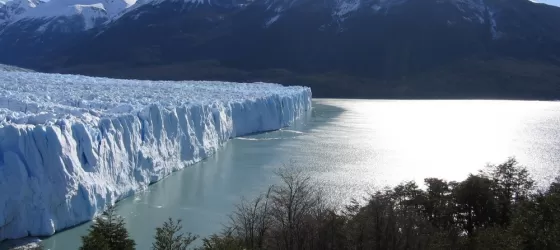
| Glaciers Gourmet Navigation | $230 | 1 | May 24, 2025 | Sail aboard Maria Turquesa catamaran for a full-day tour of Los Glaciares National Park. Depart from La Soledad port and see Spegazzini, Upsala, and Perito Moreno Glaciers, trek at Las Vacas, and walk Perito Moreno footbridges. |
| Essential Patagonia: Chilean Fjords and Torres del Paine | $12,895 | 15 | Mar 12, 2026 | Retrace Charles Darwin’s epic voyage to the ‘edge of the world’ aboard the Ultramarine on this 15-day Essential Patagonia journey into Chile’s spectacular network of fjords and channels. Visit Cape Horn, cruise to Diego Ramírez Islands; then see spectacular Glaciers: Pia, Garibaldi, and Dainelli. Go hiking in Torres del Paine, a UNESCO Biosphere Reserve. |
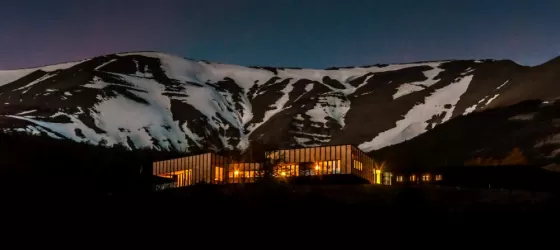
| Explora Torres Del Paine | $2,850 | 5 | May 24, 2025 | Explora Torres del Paine is in the middle of the Torres del Paine National Park. It offers beautiful views of the Lake Pehoe and 49 rooms. Explora also has its own spa, ranch, and stables for your enjoyment and you can choose from a variety of excursions to create your optimal itinerary. |
| The Best of Chilean Fjords | $11,020 | 15 | Oct 28, 2025 | Set sail aboard Le Lyrial for a 15-day adventure into the landscapes of South America. Experience the beauty of the Chilean fjords, where channels, snow-capped peaks, glaciers, and narrow passages await. Explore Puerto Williams, circumnavigate Cape Horn, and glide past the glaciers of Garibaldi, Crostini, Skua, El Brujo, and Pie XI. |
| Explora El Chalten | $5,836 | 5 | Oct 01, 2025 | Explora El Chaltén is the ideal starting point from which to explore the incredible geography of the Argentine Patagonia because of its exceptional location. Take part in adventures that venture far from the main path and explore deeply into this area's natural environment. |
| Trip Name | From | Days | Next Departure | Summary |
|---|---|---|---|---|
| Fjords of Tierra del Fuego: Punta Arenas to Ushuaia | $1,695 | 5 | Sep 22, 2025 | Embark on a 5-day Fjords of Tierra del Fuego: Punta Arenas to Ushuaia cruise aboard MV Ventus Australis and witness pristine land where nature has reigned unchanged for millennia. Enjoy the authentic charm of this region and observe its highlights while sailing. |
| Patagonian Explorer: Ushuaia to Punta Arenas | $1,695 | 5 | Sep 26, 2025 | Explore Patagonia and Tierra del Fuego on a 5-day expedition cruise aboard MV Ventus Australis from Ushuaia to Punta Arenas. This cruise offers an immersive experience through remote fjords, icy landscapes, and historic sites. |
| Fjords of Tierra del Fuego: Punta Arenas to Ushuaia | $2,466 | 5 | Oct 20, 2025 | Sail for remote and beautiful corners of the world on this 5-day itinerary aboard the MV Stella Australis through southern Patagonia. Begin in Punta Arenas and make your way to Ushuaia, stopping to view glaciers, marvel at impressive ice fields, explore historical sites, and visit the unique wildlife of the region. |
| Patagonian Explorer: Ushuaia to Punta Arenas | $2,466 | 5 | Oct 24, 2025 | A 5-day trek between Ushuaia and Punta Arenas across some of the most breathtaking scenery and remote places on the planet will take you across Patagonia. Join Stella Australis and take a Zodiac tour of Condor Glacier to see some of the many Andean condors that populate the area. |