Have questions? We're here.

| Trip Name | From | Days | Summary |
|---|---|---|---|
| Antarctica in Depth | $22,995 | 13 | Experience a 13-day expedition cruise aboard the Scenic Eclipse from Buenos Aires, featuring guided excursions in stunning, remote landscapes. With expert guidance and diverse wildlife, this journey promises unique adventures in comfort and safety. |
| Antarctica, South Georgia & Falkland Islands | $36,295 | 20 | Join a 20-day cruise from Buenos Aires aboard the Scenic Eclipse, exploring remote polar destinations like the Falkland Islands, South Georgia, and the Antarctic Peninsula. Experience diverse wildlife, historic sites, and dramatic landscapes on this unforgettable expedition. |
| Antarctica, South Georgia & Falkland Islands | $57,990 | 20 | Embark on a 20-day Antarctic expedition cruise aboard Scenic Eclipse II, starting and ending in Buenos Aires. Explore captivating wildlife and historic sites in the Falkland Islands and South Georgia before concluding your journey in the breathtaking Antarctic Peninsula. |
| Antarctica's Ross Sea: Majestic Ice & Wildlife | $39,180 | 24 | Join a 24-day Antarctic cruise on the Scenic Eclipse II, exploring the Ross Sea and iconic landmarks like Ross Island and Mount Erebus. Witness unique wildlife, including emperor and Adelie penguins, before returning to Timaru. |
| Highlights of Antarctica, Argentina and Brazil | $33,430 | 22 | Experience a 22-day expedition cruise and land journey from Buenos Aires to Rio de Janeiro aboard Scenic Eclipse, exploring Antarctica and South America. Experience wildlife adventures, visit Buenos Aires and Iguazu Falls, and end your journey in vibrant Rio de Janeiro. |
| Wonders of Patagonia and Antarctica | $38,100 | 20 | Embark on a 20-day cruise from Santiago to Buenos Aires on the Scenic Eclipse, exploring Patagonia's stunning landscapes and wildlife. Then, venture to Antarctica with daily Zodiac landings and guided kayaking to witness its majestic glaciers and unique wildlife. |
| Antarctica in Depth | $39,990 | 13 | Embark on a 13-day Antarctic expedition cruise aboard Scenic Eclipse II, exploring breathtaking glaciers and wildlife up close. Experience Zodiac landings, kayaking, and optional helicopter flights for an unforgettable adventure in this stunning region. |
| In Shackleton's Footsteps | $30,295 | 20 | Set sail on a 20-day expedition cruise on the Douglas Mawson, retracing Shackleton’s path through the Antarctic. Explore stunning landscapes, wildlife encounters, and enjoy guided excursions, culminating in a scenic return to Ushuaia. |

By submitting your email address, you are agreeing to opt in to marketing communications. We hold your information private and do not share it with third parties.
A modern expedition ship built for comfort and adventure in Antarctica, Sylvia Earle blends thoughtful design with real exploration. The ship uses flight/cruise combinations to skip one or both Drake Passage crossings, giving you more time on the continent itself. Onboard, there’s a science center where experts share insights, comfortable cabins with polar views, and social spaces to relax after busy days ashore. Guests on this Antarctica cruise also enjoy hot tubs and a strong kayaking program that brings you close to ice and wildlife.
Max Passengers: 130
Ship Type: Expedition Ship
Operator: Aurora Expeditions
Length: 341 ft / 104 m
Beam: 56 ft / 17 m (standard for similar PC6 class)
Crew: 120
Speed: 10-12 knots
Decks: 8
Cabins: 71
Onboard Amenities: Science center, lounge, observation decks, sauna/hot tubs, kayak platforms, lecture spaces


Ultramarine sets a high bar for polar exploration with modern design and real expedition tools. Accommodating up to 199 guests, this cruise to Antarctica pairs a strong expedition focus with refined comfort and larger cabins (many with balconies). The ship is unique for its two twin-engine helicopters, offering aerial views and helicopter-supported excursions along with daily Zodiac outings. Spacious lounges and strong sustainability features make it the top pick among Antarctica cruises for travelers who want comfort without losing the exploration edge.
Max Passengers: 199
Ship Type: Luxury Expedition Ship
Operator: Quark Expeditions
Length: 420 ft / 128 m
Beam: 70 ft / 21.5 m
Crew: 140
Speed: 12 knots, in open water
Decks: 7
Cabins: 102
Onboard Amenities: Helicopters & ready rooms, panoramic lounge & bar, theater, restaurant/bistro, sauna & wellness areas, Zodiac boarding stations
Ocean Albatros is an Antarctica cruise that delivers straightforward comfort, smart itineraries, and good value. Designed specifically for polar cruising, it offers a relaxed yet purposeful experience from Ushuaia into the Antarctic Peninsula and beyond. Cabins are comfortable and well-appointed, and public spaces provide great wildlife viewing. Logical routes and solid daily plans make this cruise to Antarctica a sensible choice for first-time and repeat explorers alike.
Max Passengers: 175
Ship Type: Expedition Ship
Operator: Polar Latitudes Expeditions
Length: 341 ft / 104 m
Beam: 59 ft / 18 m
Crew: 120
Speed: 16 knots
Decks: 10
Cabins: 94
Onboard Amenities: Hot tubs, infinity pool, spa & sauna, gym, observation lounges, two restaurants & Nordic bar


National Geographic Resolution is a next-generation expedition vessel that brings science, comfort, and purpose together. Designed to explore polar regions safely and deeply, this Antarctica cruise offers a dedicated science center, lecture spaces, and enhanced cabins for longer adventures. Onboard spaces include lounges and hot tubs where you can unwind after active days ashore. This ship also runs a program to reduce food waste, adding a responsible travel element.
Max Passengers: 138
Ship Type: Expedition Ship
Operator: Lindblad/National Geographic.
Length: 406 ft / 124 m
Beam: 69 ft / 21 m
Crew: 116
Speed: 15–16 knots
Decks: 6
Cabins: 76
Onboard Amenities: Science center, lecture spaces, large viewing lounges, hot tubs, outdoor decks
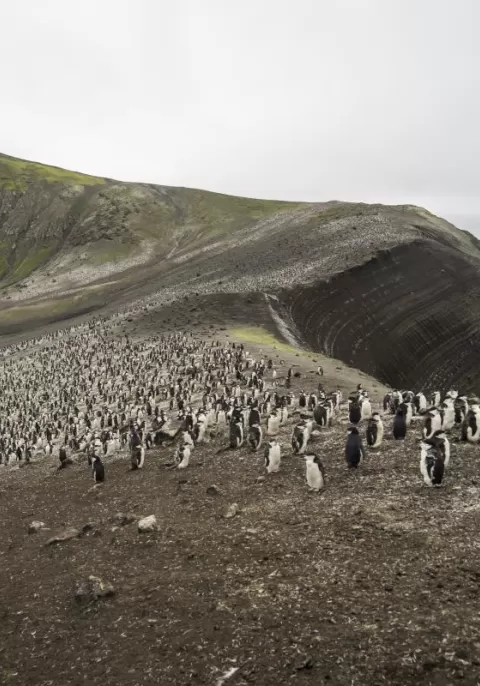
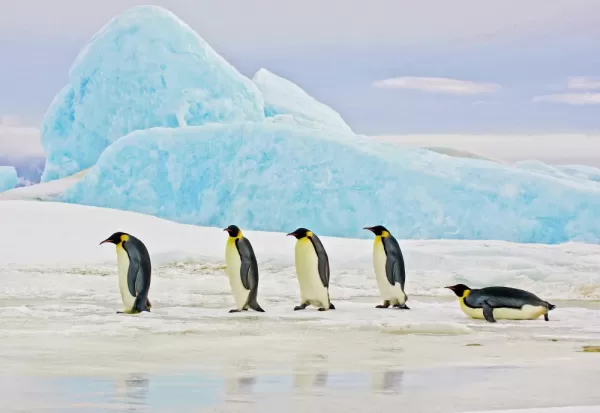
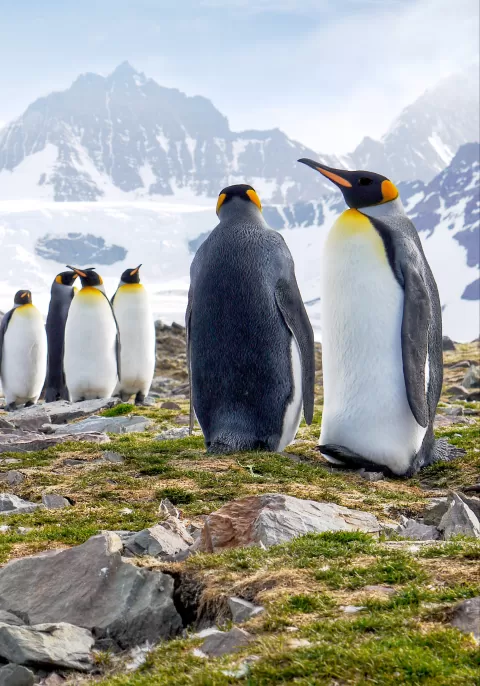
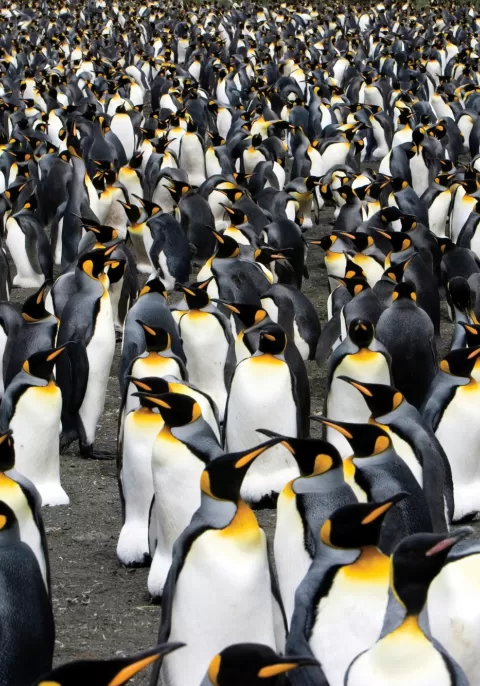
Your Antarctica cruise itinerary will be filled with awe-inspiring moments, from close encounters with a variety of penguin species to the serene beauty of the Polar Circle. With various Antarctica cruises, tours, and options available - including small ship Antarctica cruises and land-based adventures - your journey to Antarctica promises to be an adventure of a lifetime.

Our team is waiting and ready to talk with you about your next adventure. So go ahead and book an appointment with one of our specialized trip planners.
Let's ChatQuark Expeditions has long specialized in polar cruising, offering some of the most adventurous and active itineraries at competitive prices. The new Ultramarine takes Antarctic cruising to the next level.
Lindblad Expeditions - National Geographic offers legendary high-end adventure cruises to Antarctica with an emphasis on wildlife and natural history. The stunning new National Geographic Endurance features a patented X-bow® with powerful wave-slicing action that provides an extremely smooth ride in adverse conditions.
Silversea is consistently among the top-ranked luxury small ship cruise lines, and their Antarctic cruises on the Silver Explorer, Silver Wind, and Silver Cloud are exceptional.
Ponant is a French luxury cruise line with several mid-sized ships cruising Antarctica, most notably Le Commandant Charcot, the world's first electric hybrid polar icebreaker.
Aurora Expeditions recently launched the innovative and eco-friendly Sylvia Earle, Greg Mortimer, and Douglas Mawson. They offer combination cruise/flight trips where the outbound or return voyage is a flight and the other is a cruise.
Antarctica21 pioneered the fly-cruise experience, and they offer round-trip fly-cruises to the Antarctica Peninsula. They have exceptional trips on two vessels carrying fewer than 100 passengers, including the new Magellan Explorer cruise ship, for a truly intimate and immersive experience.
Hurtigruten has some of the most affordable long cruise options of around 20 days, although their ships tend to be large with more than 500 passengers, with the exception of the small ship Fram, which carries 318.
Yes, you need a passport to enter Antarctica in addition to the country from which you enter Antarctica. Most travelers on a cruise to Antarctica pass through Argentina or Chile before reaching the Antarctic continent, and you will likely need a visa in addition to a passport to enter those countries, depending on your nationality.
The average cost of a cruise to Antarctica is around USD$10,000-12,000 per person for a 10-12 day peninsula cruise. The most economical cruises to Antarctica are typically shorter or steeply discounted Antarctica Peninsula cruises in the shoulder season for around $7500-8000. Cruises to Antarctica from Ushuaia or flight/cruise options leaving from Punta Arenas that visit the Antarctic Peninsula are typically around $16,000 as a starting point. The biggest factors in the cost of an Antarctica cruise are the number of days of your trip, the class of ship, and the type of cabin.
The shortest trip length available for a cruise to Antarctica is typically a ten-day trip starting and ending in Ushuaia for an optimal experience on the Antarctic continent. Shorter express cruises to Antarctica can reduce the time to 5-6 days, but do not actually visit the continent, only the surrounding islands. Cruises to the Ross Sea last around 30 days. To explore the Falkland Islands and South Georgia in addition to the Antarctic Peninsula, you will need at least 18 days.
The best months for Antarctica cruises are during the austral summer, which runs from late October through March. This period offers milder temperatures, extended daylight, and accessible sea ice. Early-season cruises in October and November feature pristine landscapes and active wildlife courtship, while December and January offer peak wildlife viewing. February and March are ideal for whale sightings and slightly calmer seas.
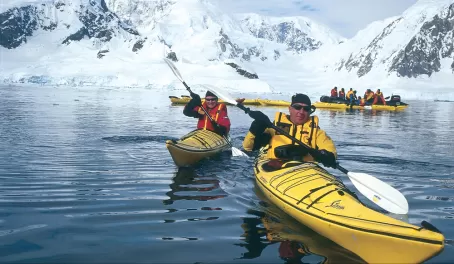
All of our small ship Antarctica cruises feature Zodiac excursions and hikes for up-close encounters with Antarctic wildlife. Some ships have sea kayaks available at an additional cost, giving you a unique perspective on penguins, whales, and other wildlife. Some Antarctic expeditions include skiing and camping in Antarctica for the ultimate adventure trip to the White Continent.
Start with your preferred travel dates, as availability for Antarctica cruises can be limited. From there, consider ship size, itinerary, budget, and special interests. Smaller ships offer a more intimate, expedition-style experience, while larger ships and luxury cruises provide more space, comfort, and onboard amenities. Costs vary widely depending on trip length and ship type. Our Antarctica cruise experts can help you choose the best fit.
Absolutely! Most cruises to Antarctica have special single rates or can arrange a shared room at no additional cost. The majority of Antarctica visitors still travel as couples or families, so these trips can be a bit lonely for some solo travelers. However, the relatively small groups and long voyages on board allow travelers to easily meet others with similar interests. Solo travelers should also take a look at our exclusive Solo Traveler Departures.
Tour rates for these cruises to Antarctica do not include international flights unless indicated. We find that it is usually less expensive for travelers to book these separately, and this also gives you the flexibility to choose the schedule and routing that is most convenient for you. You are welcome to book these on your own, or we can certainly help you arrange these flights with an airfare consolidator who specializes in South America flights.
The cheapest way to visit Antarctica is to book early and secure an Early Booking Discount offer, or risk a last-minute booking and even travel to Ushuaia, Argentina, for a two-week window of time and be available to fill a spot at the last minute. Some Antarctica cruise operators will offer steep promos around Black Friday in late November for last-minute spots in the upcoming season. Another option is to try the Antarctica Express Air Cruise, which sails one way from Ushuaia and then flies back to Chile via King George Island and lasts five days. While you only visit the South Shetland Islands and not continental Antarctica, it can be the best way to get a taste of the experience on a small budget. See Antarctica Express Air Cruise. Here is a list of other Antarctica deals and discounts that may be available on traditional cruises.
Most of the best Antarctica cruises depart from Ushuaia, Argentina, while some air-cruise itineraries leave from Punta Arenas, Chile to combine flights and sailing to shorten travel time. A small number of expeditions depart from New Zealand, typically on longer voyages to the Ross Sea. Travelers first fly to Buenos Aires or Santiago before continuing to Patagonia. From Ushuaia, ships sail past Puerto Williams and Cape Horn, crossing the Drake Passage to the Antarctic Peninsula, with extended routes reaching the Weddell Sea and beyond.
There are no direct international flights to Ushuaia or Punta Arenas, so all travelers going on Antarctica cruises must connect through Buenos Aires or Santiago. The United States offers the most direct options, with nonstop flights from cities like Miami and Houston. Travelers from Canada, the UK, Australia, and India should expect one or more connections, depending on origin, before reaching southern South America.
Our extensive travel experience helps you avoid common pitfalls, maximize your time, and get the most out of every part of your trip.
We bring cruise and land together into a single, well-orchestrated experience—so your trip feels cohesive, not pieced together.
With deep destination expertise in complex travel, we advise on how to maximize your time, avoid common pitfalls, and get the most out of every part of your trip.









No cost, no commitment. Talk with our experts about your dream trip.
Share your travel style—we match you with the right itinerary or create one just for you.
Lock in knowing every detail is handled and you’re fully supported.
Enjoy a seamless journey—and unlock 5% off your next adventure.
_AE1-1213_Original_7706/412x184.webp)