By Jason Maynard, Adventure Life Trip Planner
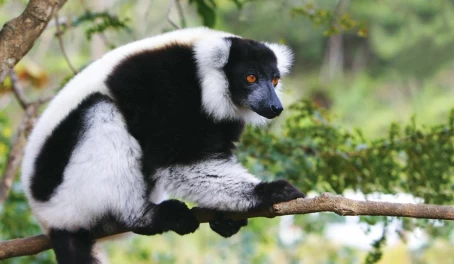
Madagascar is a biological ark, sheltering more than 150,000 species found nowhere else on Earth. Protecting this fragile legacy depends on a network of national parks and community-run reserves—and on visitors who understand how to explore responsibly.
Accessing the Wild: Permits and Fees
Most protected areas are managed by Madagascar National Parks (MNP), and access is carefully controlled.
- Entry permits: Required for most parks and typically purchased at the entrance on arrival.
- Mandatory guides: Nearly all parks require a local guide, both for safety and to ensure tourism income benefits nearby communities.
- Guide fees: Guide costs vary based on the park, route, and length of visit.
- Cash only: Bring small bills; card payments are rarely accepted.
Conservation Etiquette: The Essential Rules
Madagascar’s wildlife may seem approachable, but strict boundaries protect both animals and visitors.
- Keep your distance: Maintain at least two meters from all wildlife. Lemurs are especially vulnerable to human diseases.
- No feeding or touching: This disrupts natural behavior and can cause long-term harm.
- Limit flash photography: Especially during night walks, where bright light can temporarily blind animals.
- Stay on marked trails: Fragile soils erode easily, and rare plants are often underfoot.
Souvenirs: Buying with Care
What you buy matters.
- Avoid illegal hardwoods: Rosewood and ebony products contribute to illegal logging.
- Skip marine and animal products: Coral, shells, tortoiseshell, and snakeskin are often illegal to export.
- A polite refusal: If pressured, saying an item is fady for you to own is widely understood and respected.
A Thoughtful Way to Travel
Madagascar rewards travelers who move with patience and respect. The most memorable moments often come from quiet forest walks, shared knowledge with local guides, and the understanding that protection comes first. Travel to Madagascar is not just about seeing rare wildlife. It is about helping ensure it remains wild.
Begin Your Responsible Travel in Madagascar
Connect with one of our Trip Planners who design journeys with care—for wildlife, for people, and for the future of Madagascar.