Have questions? We're here.


The short answer: the dry season from late June to October is prime game-viewing across the northern parks, and it lines up with the dramatic Mara River crossings of the Great Migration in the northern Serengeti. The green season from January to March brings the calving in the southern Serengeti, thinner crowds, and lower rates. The long rains of April and May are the quietest and least expensive window, with lush scenery but wetter roads.
The months most travelers overlook are often the best value. Early June delivers dry-season conditions before peak crowds and prices arrive, and November's short rains rarely disrupt game drives but noticeably thin out the vehicles. Migration timing also shifts from year to year with the rains, so treat any month-by-month map as a guide rather than a promise. For a deeper month-by-month look, see our guide to the best time for a Serengeti safari, or ask a specialist what the herds have been doing this season.
Most first-time Tanzania safaris run seven to ten days on the ground, enough to pair the Serengeti with Ngorongoro and one more park without rushing. Add three to four days for a Zanzibar beach extension, or six to eight if you want to climb Kilimanjaro. Shorter four to five day trips work if you fly between parks rather than drive.
As a rule of thumb: first-timers and families do best with nine or ten days at a relaxed pace, photographers should add nights rather than parks so they can wait out the light, and returning safari-goers with a week or less are better off going deep in one region than racing between three. If you are not sure where your dates land, tell a specialist what you have to work with and we will tell you honestly what fits.


Tanzania is a mid-to-high-priced safari destination, and price tracks season, comfort level, and how you move between parks. Simple lodges sit at the lower end; classic tented camps and fly-in itineraries sit higher, especially in peak migration months. Park fees are a meaningful, fixed part of any quote.
In peak season, plan on roughly $750 per person per night for budget-minded lodge trips, $1,000 to $1,500 for classic tented camps and midrange lodges, and $2,000 to $4,000 for luxury camps and fly-in routes. In the green season, expect those same trips to run 10 to 20 percent less, depending on the lodge.
The good news: an Adventure Life safari quote covers most of what you will spend on the ground. Typical inclusions are your accommodations, meals on safari, park and entrance fees, game drives in a custom 4x4 with a professional English-speaking driver guide, internal flights where the route calls for them, airport transfers, and flying doctor medical evacuation cover, plus a 24-7 emergency line while you travel. You will budget separately for international airfare, visas, travel insurance, and gratuities. Every quote spells out exactly what is included before you commit, so there are no surprises at the lodge. Talk to a Tanzania specialist for a quote built around your dates and comfort level.
Tanzania suits first-time safari travelers who want the iconic scenes, families who want a mix of wildlife and beach, active travelers drawn to Kilimanjaro, and returning safari-goers ready for the wilder southern and western circuits.
The trip changes shape depending on who is going. For first-timers we build the classic Northern Circuit at a pace that leaves room to breathe. For families we favor lodges with flexible meal times and shorter drive days, then finish with Zanzibar so the trip ends on a beach. Active travelers can anchor the trip around a Kilimanjaro climb with a short safari to recover afterward. And if you have done the Serengeti before, ask us about the southern parks, where the crowds thin out and the wildlife does not.


Our team is waiting and ready to talk with you about your next adventure. So go ahead and book an appointment with one of our specialized trip planners.
Let's ChatTanzania rewards good logistics. Adventure Life works with local operators, camps, and driver guides we have vetted and returned to for years, so the quality of your guide, the position of your camp, and the timing of your drives are decided by people who know the parks firsthand. Every Tanzania trip includes flying doctor medical evacuation cover and a 24-7 emergency line while you travel, and your trip planner stays reachable from first call to your flight home. We compare options across outfitter, camps and season and build the route around you, not the other way around. Talk to a Tanzania specialist and see the difference on the first call.


Yes, but it's easy. Tanzania has an e-visa program: apply online before your trip, and you'll get a grant notice by email to show when you land. US travelers receive a one-year, multiple-entry visa for $100; most other nationalities can opt for a $50 single-entry visa. Make sure your passport is valid for at least six months beyond your trip with a blank page for the stamp. Requirements occasionally change, so give the official immigration site a quick check before you go.
Tipping is always at your discretion, and any token of appreciation is warmly received. As a guideline, plan on $10 to $20 per person per day for your driver guide, and about $10 per night for lodge and camp staff, usually placed in the shared staff tip box. Your final documents include a detailed tipping guide.
Most lodges and camps have Wi-Fi, either throughout the property or in main areas like the lounge and dining room. Speeds vary with the remoteness of the camp, so plan on staying reachable rather than streaming.
Cell coverage is quite good across Tanzania, and most lodges offer WiFi throughout the property or in main areas. For data, an e-SIM is the easiest option — you can buy and activate one before you travel — or pick up a local SIM on arrival.
Tanzania uses 230-volt electricity with UK-style three-pin (Type G) sockets. Bring your own adapter, and a converter for any 110-volt devices. Most lodges and camps can charge batteries even where in-room power is limited.
Western-style flush toilets are the standard at lodges, camps, hotels, and airports throughout Tanzania, and there are no squat toilets on our trips. On game drives, your guide will plan stops at park facilities.
Tap water is generally not safe to drink in Tanzania. Bottled water is widely available, provided in your safari vehicle on game drives, and supplied at most lodges for brushing your teeth.
Credit cards are widely accepted at lodges, hotels, and larger shops. ATMs are available in cities and larger towns but not in the parks, so carry some cash for tips, small purchases, and roadside markets. Keep in mind our trips are not all-inclusive: drinks at some lodges, gratuities, and personal extras are on you, so plan a modest cash budget.
It is not required, but most of our local partners in Africa strongly recommend comprehensive travel insurance. It protects you in the unlikely event of a medical emergency, travel delay, theft while traveling, or a need to cancel. Contact our office for more on coverage options and how to purchase it.
No vaccinations are required to enter Tanzania unless you arrive from a country where yellow fever is endemic (including layovers of 12 hours or more there), in which case you need proof of vaccination. Most of Tanzania is a malaria area, and many travelers take a preventive medication while on safari. Recommendations change, so check the CDC's Tanzania guidance or visit a travel clinic six to eight weeks before departure.
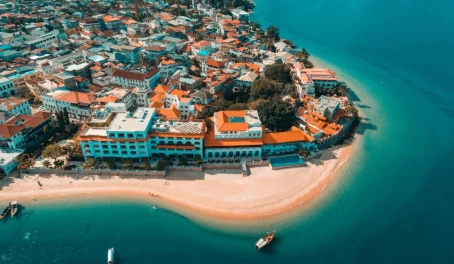
Yes, and many travelers do. The classic pairing is a northern safari followed by three or four nights on Zanzibar, a short flight away. A Kilimanjaro climb works best before your safari, so you can rest your legs on game drives afterward. Your trip planner will sequence the flights and transfers so the pieces connect cleanly.

We bring cruise and land together into a single, well-orchestrated experience—so your trip feels cohesive, not pieced together.
Our extensive travel experience helps you avoid common pitfalls, maximize your time, and get the most out of every part of your trip.
With deep destination expertise in complex travel, we advise on how to maximize your time, avoid common pitfalls, and get the most out of every part of your trip.









No cost, no commitment. Talk with our experts about your dream trip.
Share your travel style—we match you with the right itinerary or create one just for you.
Lock in knowing every detail is handled and you’re fully supported.
Enjoy a seamless journey—and unlock 5% off your next adventure.