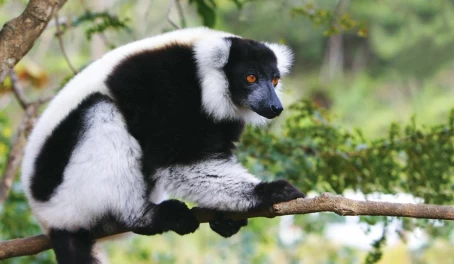
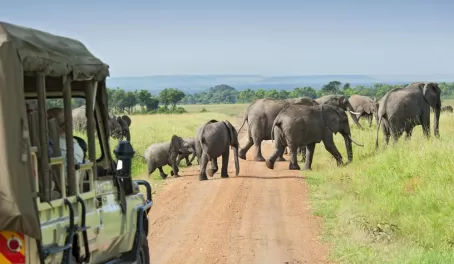
Madagascar is a world apart. Often dubbed the “eighth continent,” this vast island nation resists easy definition. For curious travelers, travel to Madagascar delivers a rare reward: a living mosaic of ecosystems, from rain-soaked jungles and razor-sharp limestone cathedrals to sun-scorched deserts. Travel here demands patience and a sense of adventure—but those who make the effort are granted front-row access to some of the planet’s most extraordinary biodiversity.
The Central Highlands: Cultural Heartland
Most journeys begin in Antananarivo, the high-altitude capital cascading across steep hills. The climate is cooler here, and the city’s architecture—a blend of French colonial facades and traditional Malagasy brick homes—offers a visual timeline of the country’s layered history.
What to do:
Explore the Rova of Antananarivo, the royal palace complex perched high above the city with sweeping views. Beyond the capital, the Highlands unfold into terraced rice paddies reminiscent of Southeast Asia. Visit Ambatolampy to watch artisans hand-forge aluminum cookware, or climb the sacred hill of Ambohimanga, a UNESCO World Heritage site revered as the spiritual birthplace of the Merina kingdom.
The East: Into the Emerald Rainforests
The East Coast is the Madagascar of imagination: lush, humid, and alive with sound. Bathed by Indian Ocean trade winds, this region is a sanctuary for orchids, palms, and some of the island’s most iconic wildlife.
What to do:
Andasibe-Mantadia National Park is the best place to hear the haunting, almost whale-like call of the Indri—the largest living lemur. For travelers seeking deeper immersion, the Masoala Peninsula offers vast tracts of primary rainforest spilling directly into the sea, reachable only by boat or on foot.
Jason and a friendly lemur (Jason Maynard)
The West and South: Baobabs and Stone Forests
As you move west, the scenery shifts dramatically. Humidity gives way to dry deciduous forests and surreal geological formations.
What to do:
Near Morondava, stroll at sunset along the Avenue of the Baobabs, where centuries-old “upside-down trees” rise from glowing red earth. Farther north lies the Tsingy de Bemaraha, a UNESCO-listed labyrinth of needle-sharp limestone pinnacles. In the deep south, the Spiny Forest reveals an almost alien landscape of thorny plants found nowhere else on Earth.
Jason exploring Madagascar (Jason Maynard)
The North: Fragrant Isles and Turquoise Seas
Madagascar’s northern tip packs remarkable diversity into a compact region—volcanic massifs, coral reefs, and spice-scented breezes heavy with vanilla and ylang-ylang.
Nosy Be & the Archipelago
Known as the “Perfume Island,” Nosy Be is Madagascar’s most popular beach destination, but it offers far more than resorts.
Lokobe Reserve: The last remaining primary forest on Nosy Be, home to black lemurs and exquisitely camouflaged leaf chameleons.
Island Hopping: From Nosy Be, venture to Nosy Komba (famed for tame lemurs), snorkel the protected reefs of Nosy Tanikely, or walk the luminous sandbar connecting the twin islands of Nosy Iranja at low tide.
Nosy Be Mouse Lemur inside a banana leaf (Jason Maynard) The Mainland North
Near Antsiranana (Diego Suarez), the terrain becomes strikingly dramatic.
The Three Bays: Dunes Bay, Pigeon Bay, and Sakalava Bay boast rugged coastlines and world-class conditions for kitesurfing and windsurfing.
Amber Mountain National Park: A cool, misty rainforest rising from arid plains, dotted with crater lakes and waterfalls.
Ankarana National Park: A lesser-known gem featuring underground rivers, vast caves, and another spectacular Tsingy formation sheltering crocodiles and rare bat species.
Start Planning Your Madagascar Journey
Ready to explore one of the world’s most unique destinations? A Madagascar travel rewards curiosity, patience, and a love for wild places. From rainforest walks and remote national parks to quiet beaches and cultural encounters, our Trip Planners help you shape a journey that fits your pace, interests, and comfort level.