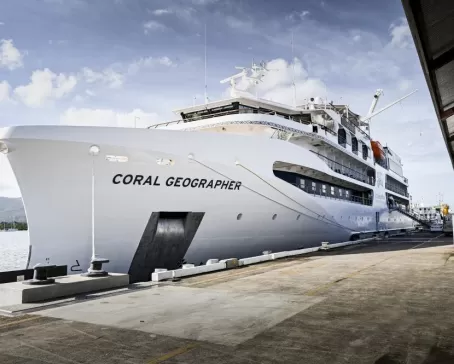
Your Expedition Team may adjust the itinerary to make the most of weather and sea conditions. The following destinations highlight key experiences throughout your journey:
The Abrolhos Islands
Spend three days exploring the Houtman Abrolhos Islands. Visit historic shipwreck sites, go birdwatching, or snorkel among curious Australian sea lions. This chain of 122 islands is split into three main groups and thrives thanks to the nutrient-rich Leeuwin Current. The surrounding waters are home to bottlenose dolphins and over 90 seabird species. Navigate past treacherous reefs, including the site of the Batavia shipwreck of 1629—where the surviving Dutch crew fell victim to a deadly mutiny.
Shark Bay World Heritage Area
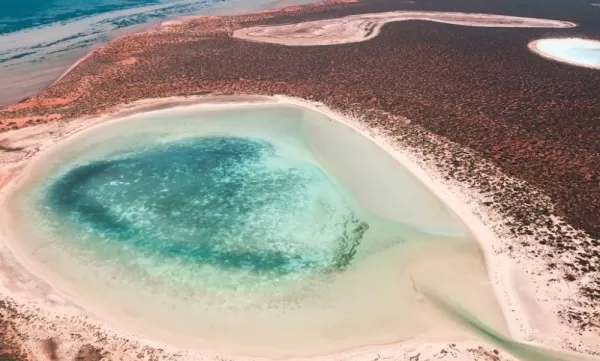
Cruise through Shark Bay, Western Australia’s first UNESCO World Heritage site. Discover striking scenery, rare plants and animals, and nearly 35% of the country’s bird species. Explore Francois Peron National Park and cruise past Cape Inscription, where Dirk Hartog landed in 1616. Conditions permitting, enjoy a swim from a remote sandy beach.
Exmouth & Cape Range National Park (Ningaloo Reef)
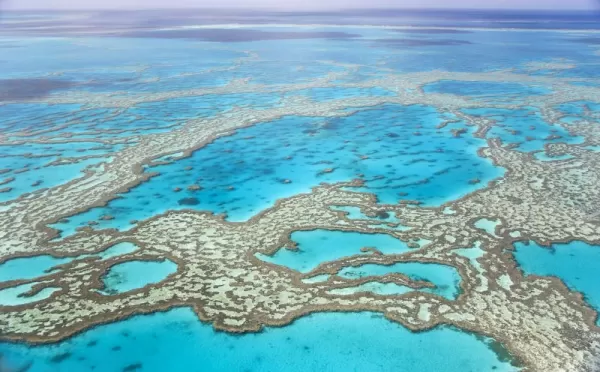
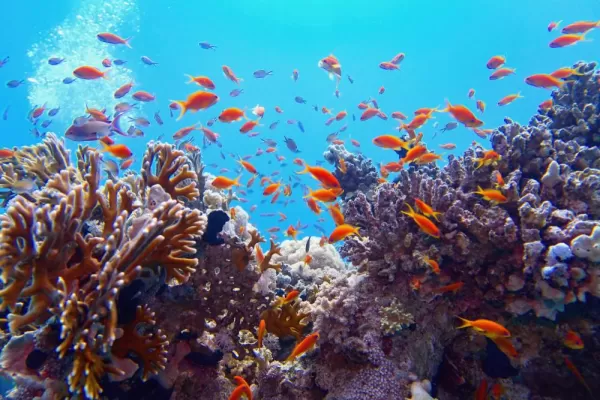
Experience one of the world’s longest fringing reefs—Ningaloo Reef—where deep ocean, coral reef, and shoreline ecosystems all meet in one vibrant zone. The area supports abundant marine life and serves as a key nesting site for Indian Ocean turtles. Spend the day at Cape Range National Park. Snorkel at Turquoise Bay, walk the Yardie Creek trail, visit the Vlamingh Head lighthouse, or tour the Ningaloo Centre. Free time is also available to explore the coastal town of Exmouth.
Pilbara Islands
This remote chain of 92 islands stretches from Exmouth Gulf to Cape Preston, with access to the mainland and the Indian Ocean. Vital for migratory shorebirds and nesting turtles, its diverse shallow reefs support abundant fish, marine species, and all four turtle species found in the region. Snorkelling and dive sites will be chosen based on local conditions in area's like Serrurier Island and the Murion Islands.
Montebello Islands
Explore the Montebello Islands, a remote archipelago of more than 250 limestone islands off the Pilbara coast. Recognized as an Important Bird Area, the islands support over 1% of the global populations of fairy terns and roseate terns. Visit the historic site of Trimouille Island, one of three locations used for British nuclear tests in the 1950s. The test site is now a wildlife haven, home to the rare rufous hare wallaby. The islands also hold maritime significance—survivors from the 1622 wreck of the British East India ship Tryall were the first Europeans to reach the Montes. Spend a full day exploring these islands with opportunities for beach walks and wildlife spotting.
Dampier Archipelago
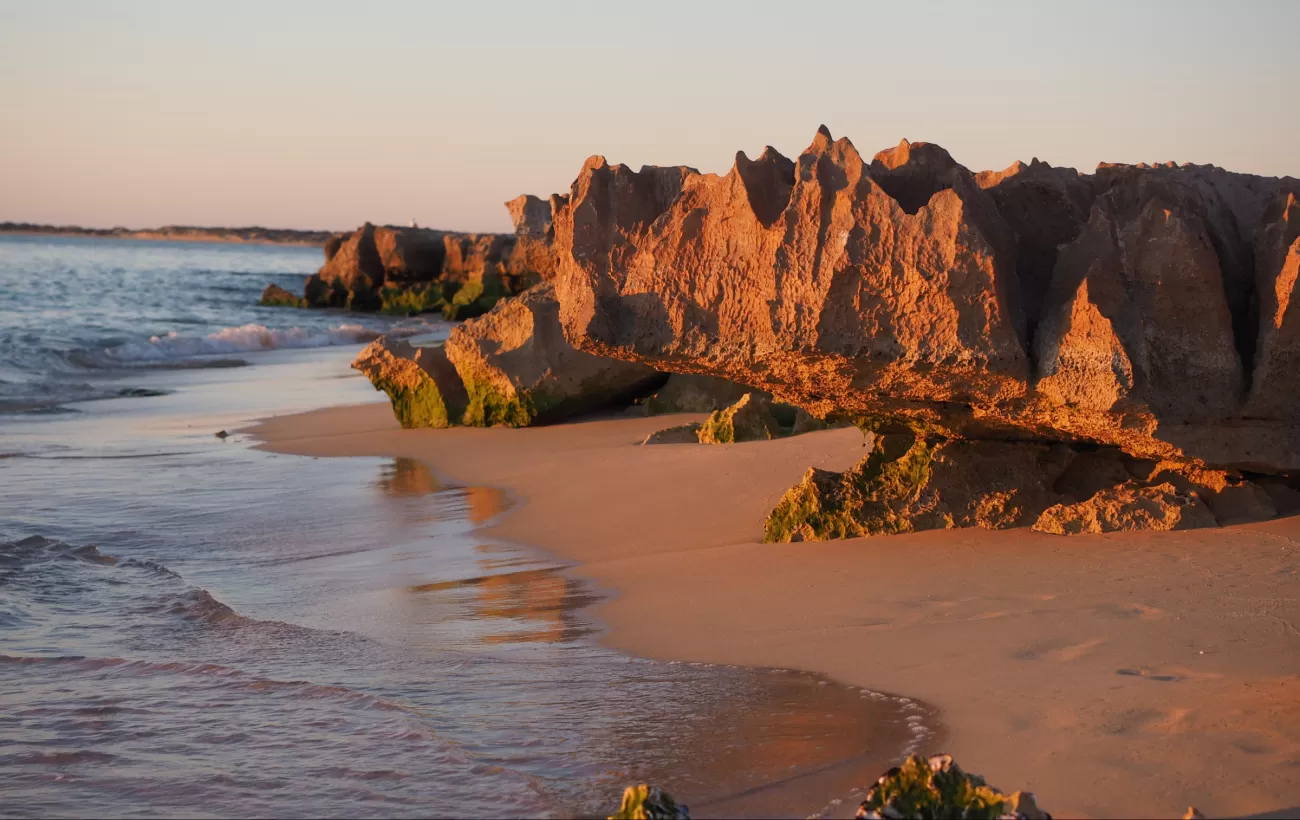
Discover the striking red islands of the Dampier Archipelago, made up of 42 islands and islets, 25 of them designated nature reserves. Named after the English explorer William Dampier, who visited in 1699, the islands were first inhabited by the Yaburara people. Thousands of rock engravings, shell middens, and stone structures still remain. Explore cultural and historical sites, then swim or kayak in the surrounding turquoise waters. Birdwatchers may spot sea eagles, ospreys, and migratory waders. With luck, you might even see the elusive Rothschild’s rock wallaby.
Note: Access to Aboriginal petroglyphs is subject to permission and guidance by Traditional Owners and is not guaranteed.