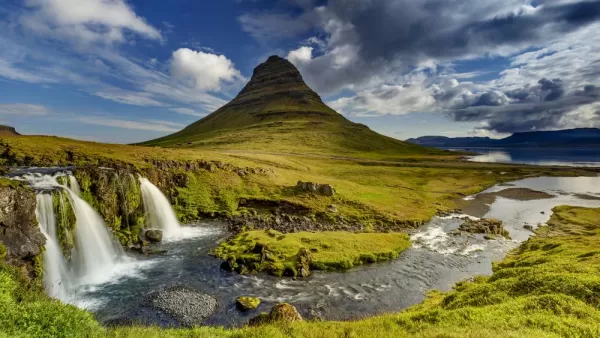
Iceland feels like another world. Glaciers stretch across the horizon. Volcanoes shape the land. Waterfalls crash into deep canyons. Small towns sit between black sand beaches and green valleys.
If you are looking for clear, useful Iceland facts, this guide covers everything from geography and culture to travel tips and cruise insights. Whether you’re planning a trip or just curious, these facts about Iceland will help you understand what makes this Nordic island so special.
Where Is Iceland?
Iceland sits in the North Atlantic Ocean between Europe and North America. Many travelers ask,
where is Iceland in the world exactly? The answer is simple but unique.
Iceland is:
- About 800 miles from mainland Europe
- Roughly 180 miles from Greenland
- Positioned directly on the Mid-Atlantic Ridge
Is Iceland Part of Europe or North America?
Geographically, Iceland sits on two tectonic plates: the North American and Eurasian plates. Politically and culturally, it is considered part of Europe.
This rare location explains many interesting facts about Iceland’s landscape.
The island is constantly shaped by shifting plates, which cause volcanic activity, earthquakes, and geothermal energy.
Quick Iceland Facts
Here are essential facts about Iceland at a glance:
- Capital: Reykjavík
- Population: Around 390,000 people
- Currency: Icelandic Krona (ISK)
- Language: Icelandic
- Government: Parliamentary republic
- Safety: Consistently ranked among the safest countries in the world
Reykjavík is home to most of the country’s population. Despite its northern location, it is lively and modern, with strong arts, design, and food scenes.
One fact about Iceland that surprises many travelers is how high it ranks in global quality of life reports. Education, healthcare, and gender equality are strong priorities. Crime rates are extremely low.
Geography & Nature Facts About Iceland
If there is one thing Iceland is known for, it’s nature.
The island is often called the “Land of Fire and Ice,” and that is not just a slogan.
Volcanoes, Glaciers, and Waterfalls
Some key geography facts about Iceland:
- Around 30 active volcanic systems
- About 10% of the country covered by glaciers
- Thousands of waterfalls across the island
Vatnajökull is Europe’s largest glacier. Beneath it lie active volcanoes.
Famous waterfalls like Skógafoss and Seljalandsfoss draw visitors from around the world.
Fire and Ice: A Land of Extremes
Iceland’s geothermal energy creates steaming vents, bubbling mud pools, and erupting geysers. Lava fields stretch for miles. Black sand beaches, shaped by volcanic rock, line the coast. These extreme contrasts are why many travelers say Iceland feels raw and powerful.
Culture, Society & Daily Life in Iceland
Nature shapes daily life here, but culture is just as strong.
Fun Facts About Iceland Traditions and Food
Some interesting facts about Icelandic food:
- Skyr is a thick dairy product similar to yogurt.
- Lamb and seafood are staples.
- Fresh fish is central to many meals.
Because of limited farmland, traditional diets relied heavily on what could survive harsh weather.
Hot Spring Culture
Here’s a fun fact about Iceland: geothermal pools are part of daily life. Locals meet friends in hot springs year-round. Even in winter, warm water flows naturally from underground heat.
The most famous spa is the Blue Lagoon, but smaller public pools are found in nearly every town.
Love for the Outdoors
Icelanders spend time hiking, skiing, and exploring the countryside. Long summer days bring nearly 24 hours of light. Winter brings darkness and the chance to see the Northern Lights.
Iceland Facts for Travelers
Planning a trip? These Iceland facts will help you prepare.
Best Time to Visit Iceland
- Summer (June–August): Mild weather, long daylight, best for hiking and road trips.
- Winter (November–March): Snowy landscapes and strong chances to see the Northern Lights.
- Shoulder seasons: Fewer crowds and lower prices.
Northern Lights Facts
Aurora Borealis is one of Iceland’s biggest draws.
Why is Iceland ideal for aurora viewing?
- High latitude location
- Dark skies outside cities
- Long winter nights
- Easy access to remote areas
Road Trips vs Cruises
Road trips along the Ring Road give flexibility.
Cruises offer access to remote fjords and coastal villages without long drives.
Tourism in Iceland is well managed. Small group travel helps protect fragile environments while allowing close experiences with nature.
8 Iceland Facts You Might Not Know
Here are some fun facts about Iceland:
- Reykjavík Is the World’s Northernmost Capital
Reykjavík holds this title. Iceland’s capital city, Reykjavík, is the farthest north of any capital in the world. It’s where most Icelanders live and is known for its cozy cafes, colorful buildings, and creative vibe.
- Settlement Came Late
Long after many other places had towns and cities, Iceland remained untouched. It wasn’t until Viking explorers came from Scandinavia that people began living there. Vikings, including Leif Erikson, were among the first settlers in the 9th century.
- Elves Are Part of Folklore
Iceland has a strong tradition of stories about elves, trolls, and other magical creatures. Many people grow up hearing stories about hidden people and trolls. Some people still believe in them today, and the stories are a fun part of the culture.
- Hot Springs Are Everywhere
Thanks to underground heat, Iceland has lots of warm natural pools. Natural geothermal pools are common across the island. Locals and visitors love relaxing in them, even in winter. The Blue Lagoon is the most famous, but there are many others in nature.
- Clean Energy Powers the Country
No list of Iceland facts would be complete without mentioning their sustainability. Almost all of Iceland’s electricity and heat come from natural sources like waterfalls and hot springs. It’s one of the cleanest energy systems in the world.
- Books Matter a Lot
People in Iceland love books and writing. It’s common for someone to write a book at some point in their life, and many Icelanders read for fun, especially during the long winters.
- Glaciers and Volcanoes Coexist
Iceland has both icy glaciers and active volcanoes. About 10% of the land is covered in ice, but there are also eruptions from time to time. That’s why it’s often called the “Land of Fire and Ice.”
- Last Names Work Differently
In Iceland, people don’t use family last names the same way as in other countries. Instead, they use their parent’s first name with “-son” or “-dóttir” at the end, which means “son of” or “daughter of.”
Each of these facts about Iceland adds to its unique identity.
Iceland Cruise Facts
Cruising Iceland reveals parts of the country that are hard to reach by road.
On an Iceland cruise, you may:
- Navigate dramatic fjords
- Visit small fishing villages
- See geysers erupt
- Walk across ancient glaciers
- Learn from expert guides about Norse history
Cruises combine comfort with access to remote areas, making them ideal for travelers who want depth without long drives.
Iceland Facts FAQs
What is Iceland most famous for?
Reykjavík, the Golden Circle, the South Coast,
waterfalls, glaciers, and the Northern Lights are among its top highlights.
What is internet access like?
Major towns offer reliable WiFi. Remote regions and cruise routes may have limited or no service.
Can I use my cell phone in Iceland?
Yes, especially in cities and towns. Coverage may drop in rural areas or at sea.
Can I drink tap water?
Yes. Iceland’s tap water is clean and safe to drink.
What currency is used?
The
Icelandic Krona (ISK). Credit cards are widely accepted.
What are five interesting facts about Iceland?
- It sits on two continents.
- It runs almost entirely on renewable energy.
- About 10% of the land is covered in glaciers.
- It has more sheep than people.
- It is one of the safest countries in the world.
Discover Iceland with Adventure Life
These Iceland facts show why this island stands apart. Few
places offer such strong contrasts: glaciers beside volcanoes, quiet villages near active geothermal fields, long summer days followed by winter auroras.
We design journeys that match your pace and interests. Whether you want a small-ship cruise, a Northern Lights tour, or
a custom land adventure, our Trip Planners help you experience Iceland with purpose and depth.
Contact us today to start planning your Iceland journey.