Have questions? We're here.
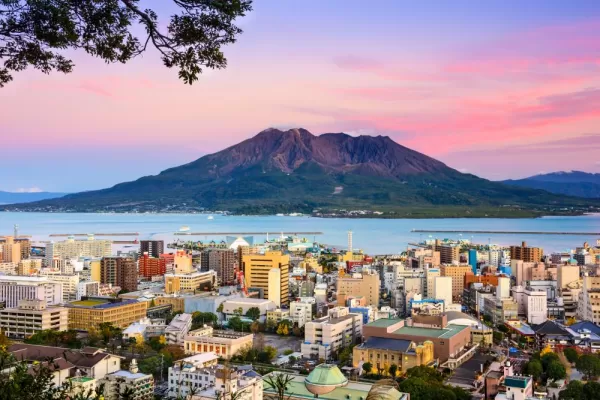
Colorful sunset over Kagoshima, Japan

The Best of Japan

Osaka to Busan - Example 9 Day Cruise aboard Le Soleal
Talk with an expert
Build your ideal Japan trip. Call 1.406.541.2677
Start Planning My Trip
Start in Osaka and sail through Japan’s Inland Sea and southern islands on a nine-day cruise. Explore Hiroshima’s Peace Memorial Park and the Genbaku Dome, and visit Miyajima Island with its famous floating torii gate. Discover Beppu’s geothermal hot springs, Uwajima’s samurai history and castle, and the UNESCO World Heritage forests of Yakushima. Experience Kagoshima’s active volcano, Sakurajima, and tour Chiran’s samurai residences. Visit Nagasaki’s atomic bomb memorials, Oura Church, and Peace Park. End in Busan, South Korea, with its temples, beaches, and cultural streets. The cruise blends historical landmarks, natural wonders, and immersive shore excursions.
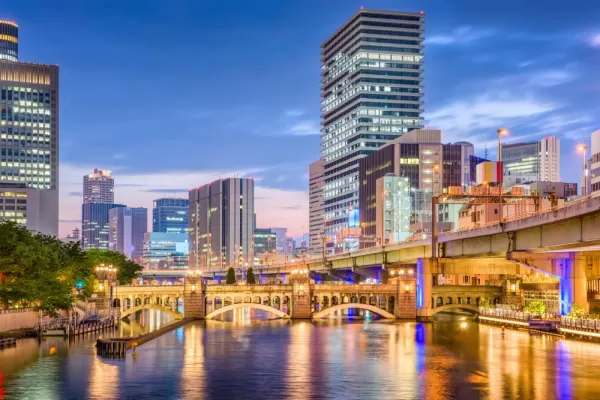
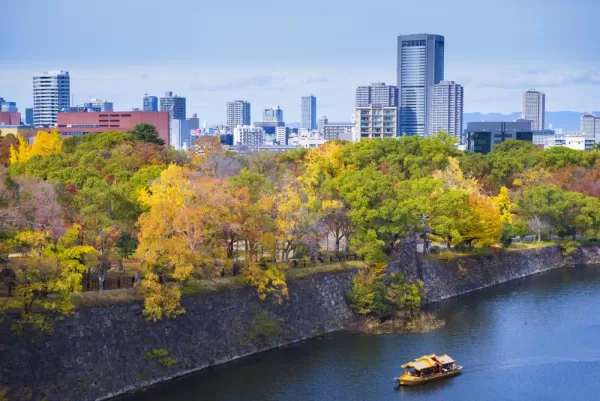
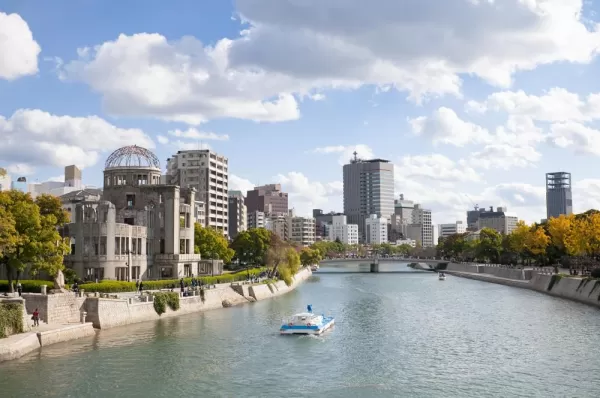
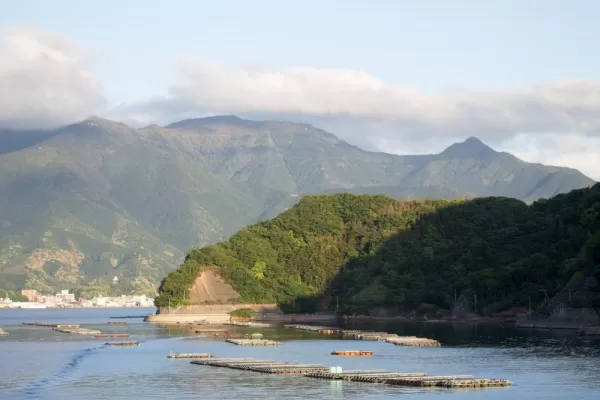
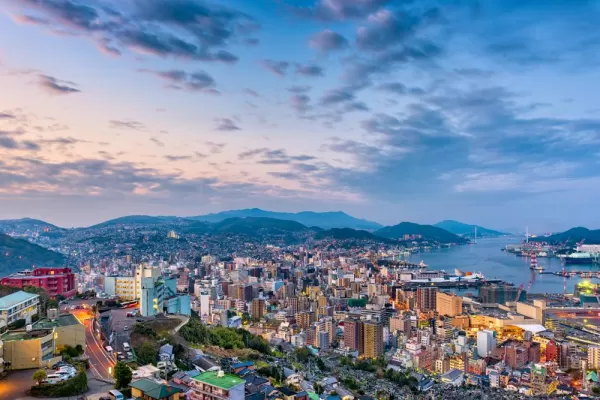
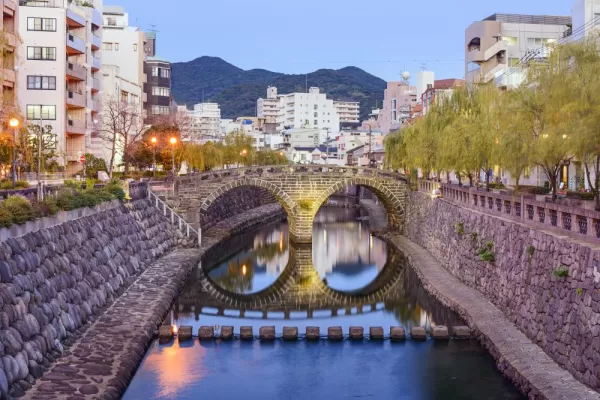
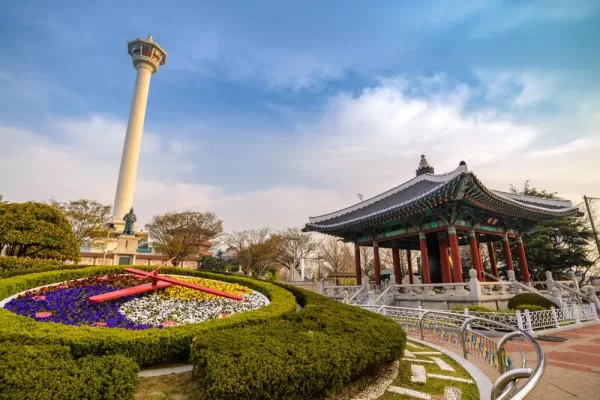
Osaka's city lights after sunsetColorful trees in OsakaRiverside view of HiroshimaThe rugged terrain around UwajimaSunset over NagasakiNagasaki cityTemple garden in Busan, South KoreaColorful sunset over Kagoshima, Japan
Highlights
  • Visit Itsukushima Shrine and its iconic torii gate at Miyajima
  • Discover Hiroshima Peace Memorial Park and Genbaku Dome exhibits
  • Hike Yakushima’s ancient cedar forests, waterfalls, and coastal beaches
  • Visit Nagasaki’s Atomic Bomb Museum and Peace Park memorials
Places Visited
Activity Level: Variable
Activity options vary depending on destination and operator. Activity level is determined by the range and intensity of activities you choose to participate in. Discuss with your Trip Planner which options are best for you.
0

Full Itinerary

Expand All

Day 1: Osaka | Embark

Like Tokyo, Osaka blends long-standing traditions with modern technology. Despite its large size, its position on the Pacific Ocean gives the city a calm atmosphere. The most notable landmark is Osaka Castle, built in the 16th century, rising among the surrounding skyscrapers. The busy streets of Dotonbori and the quirky Shinsekai neighborhood draw many residents and tourists. A wide range of restaurants serve regional dishes such as octopus takoyaki and kushikatsu skewers.

Day 2: Tamano

Tamano sits on Honshu Island along the Sento Inland Sea and attracts visitors with its sunny climate. When you arrive, notice how the city stretches along the coastline at the edge of a dense forest. Nearby, walk through Kurashiki, known as the “white-walled city” for its historic buildings and traditional canals from the Edo period. Another key landmark in the region is the Seto Ohashi Bridge, which spans 12.5 kilometers and is the world’s longest double-decker bridge.

Included Excursion

Historic Kurashiki

Duration : 4h30
Located in the western part of Okayama Prefecture, Kurashiki is known for the lovely, white walls of its buildings. This city developed as a port town along the Kurashiki River.
 
From the pier, board your coach for the one-hour drive to the Kurashiki Bikan Historical Area. The atmosphere of the Edo period is preserved in the Kurashiki Bikan Historical Area along the Kurashiki River, which still contains old storehouses that point to a time when this city was a vital location for the distribution of goods throughout Japan. The houses are known for their white walls and black tile roofs and are a reason why Kurashiki is sometimes called the “white-wall town”. The area also includes numerous museums and sightseeing spots. All electrical wires are buried beneath the ground so there is nothing to mar the view of the buildings. Many of the buildings you will have seen before entering the museum were originally rice granaries built in the late 18th century. The tiled roofs, white-washed walls, and black-tiled walls with lattice windows were characteristic of Kurashiki.
 
From amongst the variety of local museums, you will visit the Kurashiki Museum of Folk Craft, which contains a collection of over 10,000 objects collected by Mr. Kichinosuke Tonomura, the first president of the museum. The museum displays a wide range of everyday objects such as ceramics, textiles, lacquerware, baskets, wood and metal objects, drawings and paintings.
 
Next, walk to the Ohashi Family Old Merchant House, this 200-year-old merchant's house was listed as an Important Cultural Property in 1978. The Ohashi family built their wealth by salt farming and financial business in the Edo period (1603-1867). The main wing is simple and solid; a fire-resistant architecture with a gated terrace, which was a privilege reserved for high-class families, is proof of their outstanding prosperity in the area.

This tour is mainly a walking tour and involves approximately 2.2 miles (3.5 km) of walking, mostly over flat terrain, as well as some cobblestone streets. You will be asked to remove your shoes when visiting the Ohashi House and the Kurashiki Folk Art Museum. No wheelchair is accessible at Kurashiki Folk Art. The Kurashiki Folk Art Museum is closed on Mondays, so the visit will be replaced by the Ukiyoe Kurashiki Museum. This museum is dedicated to Utagawa Kuniyoshi, one of the most celebrated woodblock print artist of the late Edo period. You will be asked to remove your shoes when visiting the Ukiyoe Kurashiki Museum.

Day 3: Miyajima Island | Hiroshima

At the heart of the Inland Sea, Miyajima, the “island sanctuary” will reveal its treasures. In the background you will see the Shinto Grand Sanctuary, whose entrance is guarded by a magnificent vermillion “Torii“. Considered to be one of the most beautiful sites in the Japanese islands, you will be transported by the unique character and the serenity of this sacred site.

Included Excursion

Itsukushima Shrine and Omotesando Street

Duration : 2h00
Upon your tender landing, a 20-minute walk will bring you to one of Japan’s most iconic sights: the floating torii gate of Itsukushima Shrine, ranked among the country’s top three scenic views.
The shrine was established in 593, the first year of the reign of Empress Suiko, and is today a UNESCO World Heritage Site. The current torii was erected in 1875 after the original one was destroyed. The shrine's torii rises 48 feet (16 meters) above the sea. Its columns, made of camphor, are 30 feet (10 meters) in circumference and are supported by smaller pillars, which are buried in the seabed.
 
The construction of the sanctuary, consisting of structures on piles and pontoons, is owed to the sacred status of the island. Visitors were not allowed to disembark on the island; when they arrived by boat, they passed under the torii and floating dock on the pontoons. The Noh theater, which also stands on stilts, is located right by the temple.

Your visit will conclude with a peaceful stroll along Omotesando Street, lined with souvenir shops, traditional sweets, and local restaurants.
After your visit to the shrine, you will then return to the pier.
 
This tour is done solely on foot and involves approximately 2.15 miles of walking and 200 steps. Photography of the Shrine altar is not permitted. The torii gate of Itsukushima Island will be partially submerged at high tide.

Visiting Hiroshima is a moving experience. The town spreads along Honshu Island, along the inside coasts of Seto. While firmly focused on the future, Hiroshima doesn't forget its past, and a visit to the Peace Memorial Park and Genbaku Dome is a must. You'll enjoy the city's modern, cosmopolitan atmosphere and effervescent nightlife just as much as the peaceful stillness of its natural parkland areas such as splendid Shukkei-en, the town's historic garden.

Included Excursion

Hiroshima Museum and Peace Memorial Park

Duration : 3h30
Discover the Hiroshima of past and present by visiting the moving Hiroshima Peace Memorial Museum and Peace Memorial Park.
In the years that followed the explosion of the atomic bomb on 6 August 1945, scientists doubted that Hiroshima would live again one day. However, modern Hiroshima rose from its ashes like a phoenix and, less than five decades after its destruction, is now a dynamic city whose population is growing steadily.
From the pier, you will go the touching Hiroshima Peace Memorial Museum. Made up of two buildings, the museum recounts the history of Hiroshima and the advent of the nuclear bomb. However, it focuses on the events of 6 August 1945: the dropping of the bomb and its consequences in terms of human suffering. The personal details exhibited are deeply moving and a reminder that peace must not be taken for granted.

You will then walk from the museum to the Atomic-Bomb Dome, via the Peace Memorial Park. This large green space, criss-crossed with alleyways and dotted with memorial monuments, is bordered by rivers on either side. The central element is the long Pond of Peace, edged with trees, leading to the Cenotaph. This saddle-shaped concrete monument contains the names of all the known victims of the bomb. To the north of the road crossing the park, there is the Children's Peace Monument, inspired by Sadako Sasaki, who was two years old when the atomic bomb was dropped. When Sadako developed leukaemia aged 11, she decided to fold 1,000 orizuru (paper cranes). In Japan, the crane symbolizes long life and happiness and she thought that she would get better if she reached this goal. Her story inspired a national wave of paper crane folding that has continued to this day.

This visit involves approximately 4 km (2.5 miles) of walking. The team recommend you wear comfortable walking shoes. This visit includes sensitive materials, particularly graphic images and presentations of the atrocities of war.

Day 4: Beppu, Oita

A favorite destination for the Japanese, Beppu is now famous throughout the Japanese archipelago thanks to its onsen – volcanic hot springs in which people immerse themselves to relax with family or friends. From Beppu, you will set off to discover a lush, peaceful valley in which sit 60 majestic stone Buddhas carved out of the cliff face between the 12th and 14th centuries. Exuding a soothing air of serenity, the Mangetsuji site seems to have drifted off to sleep in the heart of a dense bamboo forest surrounded by rice fields. Recognised as a National Treasure of Japan, this set of sacred sculptures offers travellers a unique, wonderful experience.

Included Excursion
The Hells, Beppu's hot springs

Duration : 3h30
    Set off for a special immersion in the heart of Beppu, where the natural power of its most emblematic hot springs will reveal itself in a rare cultural experience.

    In the heart of Beppu, the Jigoku — literally the “hells” — are among Japan’s most impressive geothermal phenomena. Located at a short distance from each other, these spectacular springs offer a fascinating journey through surprisingly diverse thermal landscapes.

    Set off to discover four of them and enjoy a timeless moment. Umi Jigoku, the “sea hell”, unveils a boiling pond of striking blue water, famous for the “onsen eggs” that are cooked in it. Oniishibozu Jigoku, “the shaven head of monks hell”, is distinguished by the bubbles of mud that rise to the surface, making unique organic forms. Chinoike Jigoku, the “blood pond hell”, will fascinate you with the deep red color of its boiling water, offering one of Beppu’s most photographed panoramas. Finally, the Tatsumaki Jigoku geyser will impress you with its regular eruptions of boiling water and steam, reminding visitors of the raw power of nature.

    Although their waters are renowned for their well-being properties, the extreme temperature — exceeding 100 °C — obviously does not permit bathing. However, the observation of these natural phenomenon is enough to make it a unforgettable experience. You will also be able to discover local products such as soaps and salts from these springs.

    The team recommend you wearing comfortable walking shoes. Boiling water and fumaroles gush out at regular intervals from Tatsumaki jigoku Hells (waterspout Hell) geyser. If you wish taking a foot spa at the hell, it is suggested to bring your own towel.

    Day 5: Uwajima

    Located on the west coast of Shikoku island, Uwajima will delight lovers of history and traditional customs. The magnificent Uwajima Castle was built in the 17th-century by the powerful Date clan and has a beautiful ornamental garden and bridge. The much-visited Taga Shrine is dedicated to fertility and is full of phalluses. As for eating, you must taste jakoten, a local delicacy based on fried fish.

    Included Excursion

    Highlights of Uwajima

    Duration : 3h15
    Uwajima is located deep inside Uwajima Bay, with its coast facing the Bungo Channel in southwestern Ehime. Since the early 17th century, the city has flourished as a castle town of the Date family. 
     
    Upon your arrival, your first visit will be Uwajima Castle, a masterpiece by Lord Tohdoh Takatora, renowned architect of the Edo period. This exceptional donjon, one of the few to retain its original structure, is designated as an Important Cultural Property. 
     
    Next, you will visit the Date Museum, where the treasures of the powerful Date clan are on display. Explore artifacts such as weapons, paintings, writings, and everyday items, reflecting the clan’s significant influence during the samurai era. 
     
    Your final stop will be a stroll through Tenshaen Garden, a tranquil oasis created in 1866. With its central pond and picturesque pathways, the garden offers a glimpse into the elegance and refinement of the time.

    This tour involves approximately 1.2 miles (2 km) of walking, mainly on flat ground with a slight incline toward Uwajima Castle, and about 460 step. Participants are requested to walk long distances and climb stairs. This tour is not suitable for guests with walking difficulties.

    Day 6: Miyanoura, Yakushima

    Yakushima is a striking island in the South of Japan, covered in forest and listed as a UNESCO World Heritage Site. Hikers are very fond of this destination because of the lush vegetation, Mount Miyanoura, the waterfalls and cascades. But without a doubt, the symbol of the island remains its many age-old cedar trees which is said to have inspired some of the scenes in the animated film Princess Mononoke. On this island, you will also find wildlife including the Japanese macaque, the sika deer, and green sea turtles which lay their eggs on the magnificent sandy beaches here.

    Day 7: Kagoshima

    The seaside city of Kagoshima, at the south of Kyushu Island, ᅠis best known for Sakurajima, an active volcano that faces Kinko Bay. A visit to this busy metropolis will remind you just how much the volcano is part of the inhabitants' everyday life: in the wake of the almost daily eruptions, a delicate layer of ash settles on everything. The top of a buried torii (traditional Japanese gate) measuring three meters that was 'swallowed up' by a giant lava flow in 1914 can still be seen. The power of nature will send a shiver down your spine.

    Included Excursion

    A trip to Chiran
    Duration : 4h15
    Board your coach for the one-hour southbound drive to Chiran, sometimes called “Little Kyoto” in reference to all the samurai residences that have been preserved there. Several houses have been preserved alongside their beautiful gardens, all dating back to around 250 years old.
     
    The gates to the residences, with the moss-covered stone walls, hedges and black tile roofs help recapture the flavor of the Edo Period. Many of the residences are still being used by descendants of the samurai, although some gardens have remained open to the public. Though small in size, each garden is a fine example of “borrowed landscaping”, in which surrounding mountains and scenery have been made part of the garden design.
     
    Not far from the Chiran Samurai Residences is the Peace Museum or Tokko Heiwa Kaikan. Dedicated to the young kamikaze pilots who trained near Chiran before embarking on suicide missions against Allied sea vessels in World War II, the museum commemorates the bravery and sad sacrifice of these young Japanese men, and makes a plea for world peace.
     
    Return to Kagoshima and the ship following your detailed visit to Chiran.       

    This tour involves approximately 1 mile (1.5 km) of walking, mostly over flat terrain. Photography is not allowed inside the Chiran Peace Museum.

    Day 8: Nagasaki

    Located on the north-west coast of Kyushu, Nagasaki will impress you by its rich heritage. Despite the destruction in 1945, you can visit several ancient sites, including the beautiful 19th-century Catholic Church of Oura and its garden, the sanctuary of Suwa Shrine or several Buddhist temples. A visit to the Atomic Bomb Museum gives you insight into the extent of the damage caused by the nuclear attack. Close by, a walk in the Memorial Peace Park leads you to a collection of objets d'art offered as a gift from Japan to the world.

    Included Excursion

    Ground Zero and Atomic Bomb Museum

    Duration : 4h00
    From the pier, board your coach for a short drive to the Ground Zero, the hypocenter of the catastrophe marked by a sober black pillar. Then visit the Atomic Bomb Museum, with over 900 artefacts indicative of the city's devastation. But more than just a commemoration, the museum promotes peace by denouncing the abomination of war and by tracing the evolution of the use of atomic weapons.
     
    After visiting the Peace memorial site, you will have some leisure time to spend at Hamamachi Arcade, which is one of Nagasaki’s largest shopping areas. See the craft shops, restaurants, and local food stalls.
     
    Enjoy the scenic drive through Dejima, a man-made island completed in 1635 that served as the only trading post where foreigners were allowed to exchange goods during the Edo era, when Japan was closed to the outside world. The Dutch, who were permitted to trade at that time, lived on the island. Driving by Chinatown, you will see the Chinese-style gate and various architecture and decorations from the coach (no stop included).
     
    This tour is mainly a walking tour and involves approximately 2.5 miles (4 km) of walking over flat terrain (including steps and elevators).

    Day 9: Busan | Disembark

    • 1 Breakfast
    With around four million inhabitants, Busan is the second largest metropolis on South Korea, after Seoul. This dynamic harbor city, located in the south-east, surrounded by the warm waters of the Sea of Japan, benefits from a mild, pleasant climate. You’ll find delightful simply to stroll around the lively streets and explore the city’s outstanding cultural heritage of art galleries, museums, and Buddhist sites, such as the Haedong Yonggungsa temple, which elegantly sits on the waterfront. Rich too in magnificent beaches and superlative natural landscapes, Busan’s peaceful atmosphere will win you over, as will its inhabitants, whom you’ll have the pleasure of meeting.

    Ship/Hotel

    Le Soleal

     Le Soleal
    The reception area aboard the Le Soleal.
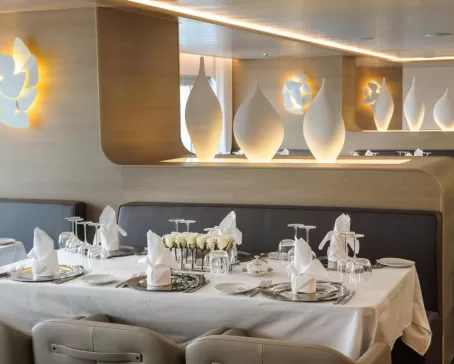
    Restaurant aboard the Le Soleal.

    Dates & Prices

    My Preferred Start Date

    Per person starting at
    $17,120 2-3 travelers
    Rates are dynamic and fluctuate based on capacity. Contact us for a specific quote.
    Superior Stateroom
    Superior Stateroom
    The Superior Stateroom has a capacity of up to 3 passengers per cabin, with a king-sized bed or twin beds.
    Deluxe Stateroom
    Deluxe Stateroom
    The Deluxe Stateroom has a capacity of up to 2 passengers per cabin, with a king-sized bed or twin beds and a private balcony.
    Prestige Stateroom
    Prestige Stateroom Deck 4
    The Prestige Stateroom on Deck 4 has a capacity of up to 2 passengers per cabin, with a king-sized bed or twin beds and a private balcony.
    Prestige Stateroom
    Prestige Stateroom Deck 5
    The Prestige Stateroom on Deck 5 has a capacity of up to 2 passengers per cabin, with a king-sized bed or twin beds and a private balcony.
    Prestige Stateroom
    Prestige Stateroom Deck 6
    The Prestige Stateroom on Deck 6 has a capacity of up to 2 passengers per cabin, with a king-sized bed or twin beds and a private balcony.
    Deluxe Suite
    Deluxe Suite
    The Deluxe Suite has a capacity of up to 2 passengers per cabin, with a king-sized bed or twin beds and a private balcony.
    Prestige Suite
    Prestige Suite Deck 5
    The Prestige Suite on Deck 5 has a capacity of up to 4 passengers per cabin, with a king-sized bed or twin beds and an 8m² private balcony.
    Prestige Suite
    Prestige Suite Deck 6
    The Prestige Suite on Deck 6 has a capacity of up to 4 passengers per cabin, with a king-sized bed or twin beds and an 8m² private balcony.
    Owner's Suite
    Owner Suite
    The Owner's suite is situated on Deck 6 with a capacity up to 2 passengers per cabin. With a king-sized bed, it has been decorated by French interior designers and provides you with a breathtaking panoramic sea view.

    Notes

    Please note:
    Fares are based on double occupancy and are capacity controlled. Rates may increase at any time as the ship sells out and are subject to change without notice.

    Discounts are available for children sharing a cabin with two adults and third adult passengers in select cabin categories. Please contact us for details.

    Single travelers can opt for a solo cabin - supplements start at 50%.
    Included
    • 8 Breakfasts, 7 Lunches, 8 Dinners
    • 8 Nights Accommodations
    • Accommodations as listed
    • Ground transportation as listed
    • Activities as listed
    • Meals as listed
    • Access to a 24-7 Emergency line while traveling
    • Unlimited Wifi
    • Onboard Entertainment 
    • Captain’s Welcome Cocktail and Gala Dinner
    • Gratuities to Onboard Crew
    • “Open Bar” (pouring wines, house champagne, alcohol except premium brands...list available upon request)
    • 24h Room Service (special selection)
    • Water sports activities (except scuba diving) using the ship’s equipment, when permitted by local authorities and confirmed by ship Master according to safety and sea conditions onsite. 
    • Butler service in every suite
    • One excursion per person, per port of call is included.
    • Port Fees and taxes
    Excluded
    • Travel Insurance
    • Personal Expenses
    • Flight costs (please request a quote)
    • Additional excursions during free time
    • Fuel and transportation surcharges (when applicable)
    • Visa Fees
    • Scuba Diving
    • Optional Excursions - Ponant allows you to pre-book your excursions approximately six to two months prior to the cruise* departure. Please note that this is subject to change. Please contact us for more details.
    • Kayaking
    • Any ground services before and/or after the cruise other than the ones mentioned
    • Luggage Handling 
    • Laundry Services, Hair Salon, and à La Carte Spa Treatments
    • Pre or post cruise programs, overland programs or shore excursions 
    • CDP recommends that every Traveler has full and adequate travel insurance covering the risks of cancellation, assistance being required, repatriation, damages to and loss of baggage, and medical expenses
    • Items from the boutique
    • Premium spirits/cocktails with more elaborate ingredients and high-end wines will have an additional charge

    Map

    Inquire

    * By providing your phone number, you consent to receive direct phone calls or SMS messages from our Trip Planners to get the process started. We do not share your information with third-parties.
    Change & customize to make it yours.
    Travel Agents

    We Love to Talk Travel

    Call 1.800.344.6118
    or
    Chat Now
    Beyond expectations! Then again we weren't sure what to expect. Lovely stay at the lodge, met other like-minded travelers (many had their trips planned by Adventure Life) and the owner was a gracious hostess. It felt like you were one happy family, visiting with a favorite aunt.
    Nancy Sin

    Top Japan Travel Destinations

    Japan Trips by Departure Date

    Top Experiences in Japan

    Japan Trips by Duration

    Japan Trips by Activity

    More Reasons

    Why Travel With Adventure Life

    All News

    Recognized By