Have questions? We're here.
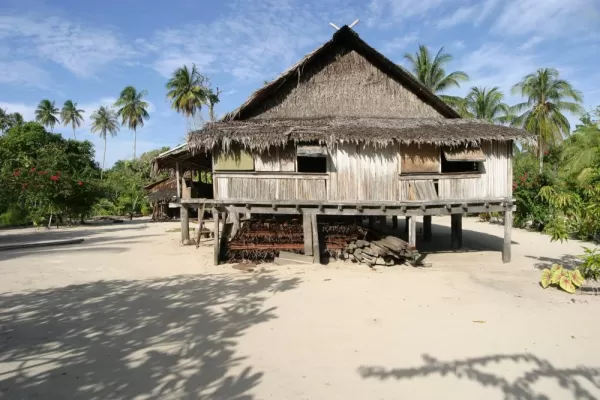
Traditional house of the Sepik people, Papua New Guinea

Solomon Islands Secrets: cruise from Guadalcanal to the Sepik River

Honiara to Sorong - Example 15 Day Cruise aboard SH Minerva
Talk with an expert
Build your ideal Papua New Guinea trip. Call 1.406.541.2677
Start Planning My Trip
Set Sail from Brisbane, Australia, to Sorong, Papua, Indonesia, on this 15-day expedition aboard SH Minerva. After a charter flight to Honiara, explore destinations across the Solomon Islands, Papua New Guinea, and Papua. Visit Kennedy Island, linked to John F. Kennedy's wartime story, experience cultural ceremonies in Buka, and discover Rabaul's volcanic landscapes and World War II history. Explore Garove Island's caldera, traditional life in the Tami Islands, and cultural performances in Madang. Travel to Kopar Village on the Sepik River, visit Ali Island, and learn about Papuan heritage at Lake Sentani and Yobeh Village. Continue to Pulau Mansinam's historic landmarks before concluding in Sorong, gateway to Papua's diverse cultures and landscapes.
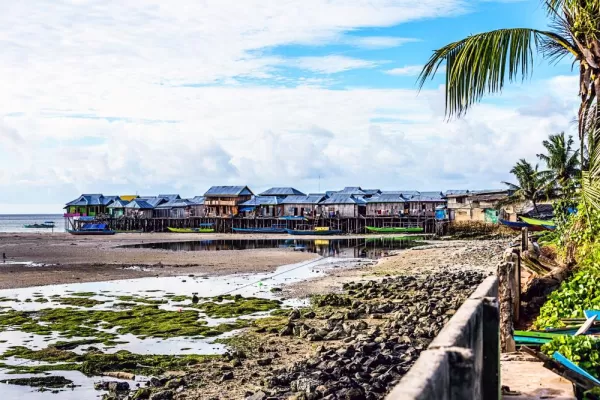
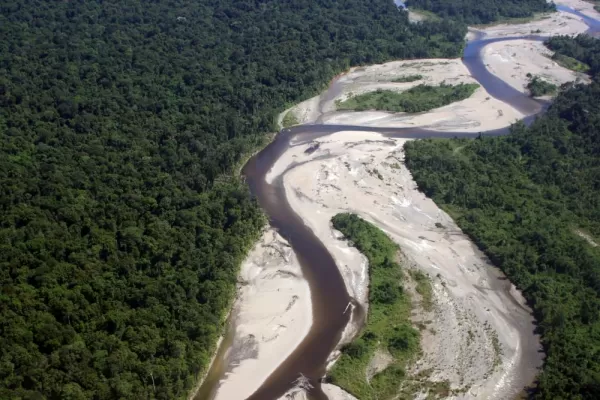
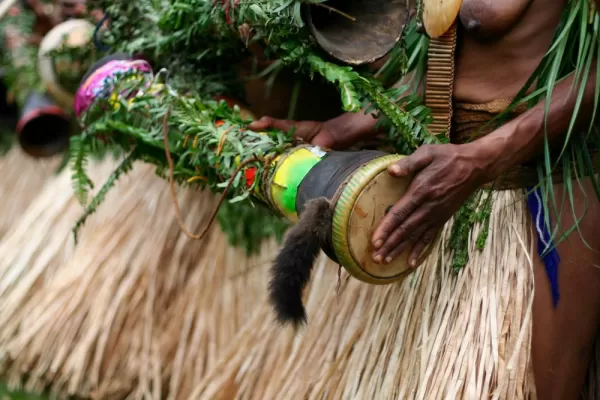
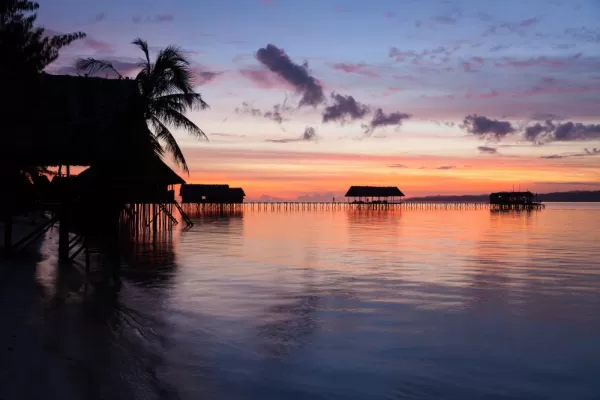
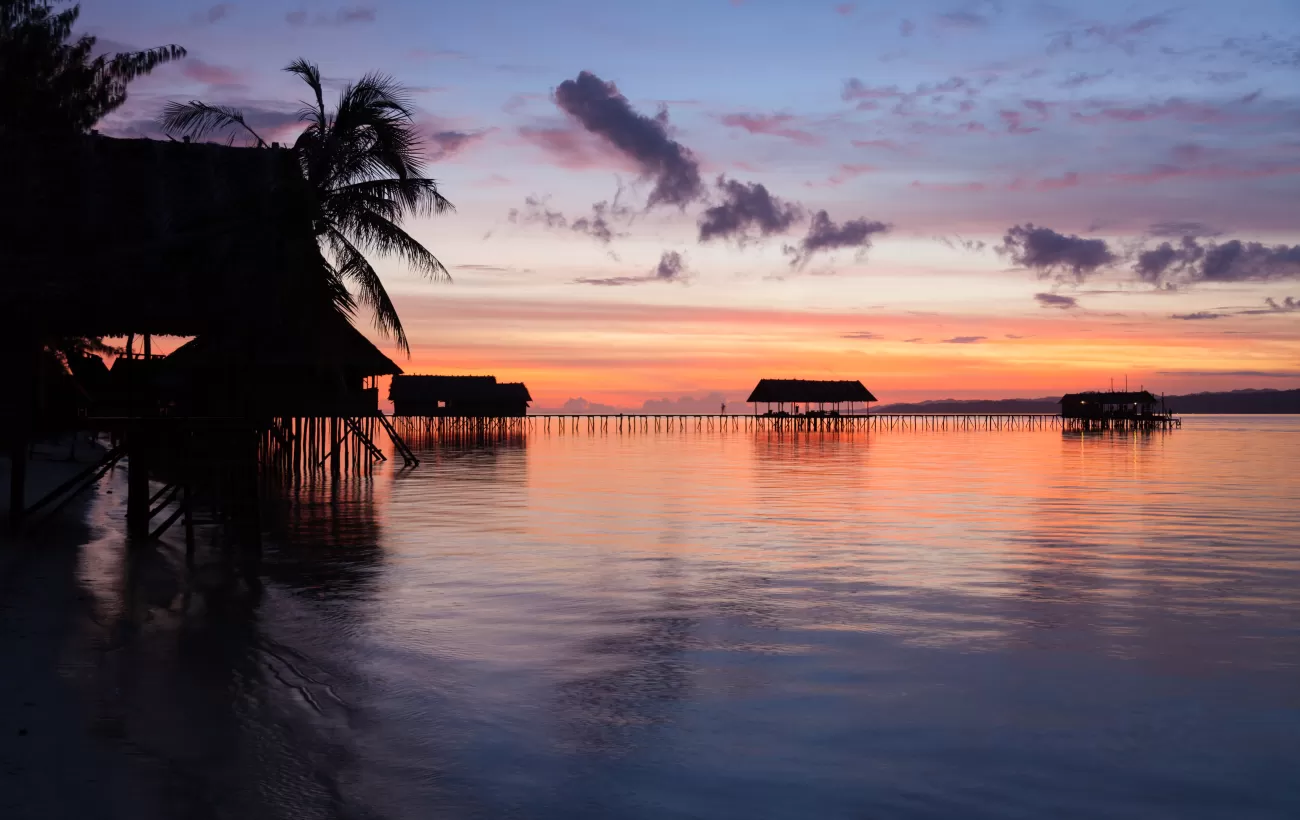
Village at the beachfront in Sorong, IndonesiaAerial photo of Sepik RiverSunset at an ocean resort in Raja Ampat, West Papua, IndonesiaLearn about the cultures of Papua New GuineaTraditional house of the Sepik people, Papua New Guinea
Highlights
  • Explore Rabaul's wartime sites, volcanic landscapes, and local history
  • Experience village traditions and river life along Sepik River
  • Discover Yobeh Village traditions and Lake Sentani cultural heritage
  • Visit Mansinam's churches, monuments, and Papuan historical sites
Places Visited
Activity Level: Variable
Activity options vary depending on destination and operator. Activity level is determined by the range and intensity of activities you choose to participate in. Discuss with your Trip Planner which options are best for you.
0

Full Itinerary

Expand All

Day 1: Brisbane

Arrive in Brisbane, relax, and spend the overnight here preparing for your adventure.

*Pre/Post hotels and flights are always subject to change until the Travel Documents are provided.

Day 2: Brisbane | Honiara, Guadalcanal Island | Embark

After breakfast, take a charter flight to Honiara and board SH Minerva.

Honiara, the capital of the Solomon Islands, is located on the northeastern coast of Guadalcanal at the mouth of the Mataniko River. The city developed around a U.S. military base during and after World War II and became the country's main center in 1952, replacing Tulagi. Visitors can learn about the region's wartime history at the U.S. War Memorial. Today, Honiara is a working city with local markets, government buildings, and everyday community life.

Day 3: Cruising Kasolo Island (Kennedy Island)

Kennedy Island, (also Kasolo or Plum Pudding Island), is a tiny forested islet named after John F. Kennedy. In August 1943, after their craft was rammed by a Japanese destroyer, the crew of PT-109, led by Lieutenant Kennedy, abandoned ship, swam ashore, before making their way to nearby Olasana Island. Kasolo Island's lush rainforests are home to the Solomon Islands fruit dove, the Solomon Islands honeyeater and the Solomon Islands flying fox

Day 4: Buka Town, Buka Island

The bustling port city of Sorong in West Papua is known as the gateway to the crystalline waters of Raja Ampat, the world's most biodiverse marine habitat, home to over 1,500 species of fish and 75 percent of the world's known coral species. In town, the Buddhist pagoda of Sapta Ratna stands tall on a hilltop overlooking the harbor. Local fishing boats come in with their catch at the bustling Pasar Jembutan Puri fish market

Included Activities:

Cultural Welcome in Buka

After clearance at Buka Wharf, guests disembark the vessel and following a short drive of approximately 3.73 km through Buka town, arrive at Kubu, an area that is home to the Bougainville House of Representatives. The drive offers a glimpse into everyday life in this small but important regional center.
Upon arrival at the Parliament grounds, guests are seated and formally welcomed through the “Tsutsu” ceremony, a traditional Bougainvillean cleansing ritual. The ceremony involves the gentle washing of feet and symbolizes humility, purification, and peaceful acceptance. In Bougainvillean custom, Tsutsu represents the setting aside of past hardship and the establishment of mutual respect and goodwill between host and guest.
The tour features cultural performances by four different groups, representing different parts of Bougainville and the iconic bamboo band. Each group presents distinct dance styles, rhythms, and ceremonial dress, reflecting the island’s cultural diversity. During the performances, guests are invited to enjoy tropical fruit and fresh coconut water, a simple yet meaningful expression of Bougainville hospitality.
Following the cultural experience, guests reboard the buses for a short drive back through Buka town, returning to port by approximately 15:30, having experienced an authentic expression of Bougainville’s cultural life.

Day 5: Rabaul

Your luxury expedition cruise begins in Rabaul, the former capital of Papua New Guinea’s New Britain island. Located inside a flooded caldera, the town’s proximity to a volatile volcano – plus aerial bombardment during World War II – has forced it to rise from the ashes more than once. Most recently the town was rebuilt after widespread destruction caused when Mount Tavurvur erupted in 1994. Thanks to its impressive harbor, buzzing markets and fascinating wartime past, Rabaul is an exciting place to visit. There’s an observatory in the town’s center, which monitors the country’s two volcanic arcs, and a small museum located in what was a Japanese bunker

Included Activities:

Rabaul Discovery Tour

The afternoon tour explores Rabaul’s unique blend of geological forces and wartime history. Travelling along the coast to Karavia Bay, you visit the remarkably well-preserved Japanese barge tunnels, where Daihatsu landing craft were concealed from Allied air attack during the Second World War. After a traditional Tolai welcome singsing, you can walk through the tunnels and view rusting barges still resting on their original rails.
At the entrance of the Tunnel, local women sell their arts and crafts specific to the Tolai culture and Rabaul area.
The tour continues to a lookout near the Rabaul Volcano Observatory, positioned on the caldera rim and offering sweeping views across Simpson Harbor, Tavurvur, Vulcan, and the surrounding landscape.
A visit to the Rababa Hot Springs reveals an active geothermal shoreline of boiling springs, steam vents, and bubbling mud pools beneath Tavurvur volcano. Returning toward town, visit the Rabaul Historical Museum, housed in the former New Guinea Club. Exhibits trace Rabaul’s German and Australian colonial past, Japanese occupation, and the town’s long history of volcanic activity.
The final stop is Admiral Isoroku Yamamoto’s wartime command bunker, an underground complex used by Japanese naval command during the Second World War.
After the bunker visit, return to the wharf and rejoin their vessel.


Day 6: Talele Islands

This group of small islands in East New Britain is a nationally protected territory. Surrounded by coral reefs and clear tropical waters, the islands are uninhabited and rarely visited, offering opportunities for snorkeling, kayaking, and observing marine life

Day 7: Garove Island

Tiny, far-flung Garove is part of the Vitu Islands in the Bismarck Sea and is defined by its rich marine biodiversity. The island wraps around a massive, horseshoe-shaped flooded caldera. Nearby dive sites reveal multi-hued fish darting among sea fans and anemones, while reef sharks, schooling jacks, and barracuda patrol the deep. Back on dry land, tiny villages nestle amid towering coconut palms

Included Activities:

Garove Culture Within A Caldera

Garove Island is part of the Witu (Vitu) Islands, lying off the north-west coast of West New Britain Province in the Bismarck Sea. The island is the largest in the group and is formed by a flooded volcanic caldera, approximately 5 kilometers wide, with steep crater walls that create a naturally sheltered harbor known as Johann Albrecht Harbor.

The Witu Islands were part of German New Guinea, and Garove hosted one of the early Catholic mission stations, which included a church, school, and later health services. During World War II, the island’s protected harbor and geography made it strategically significant. While not a major battlefield, it was used by both Japanese and Allied forces as a sheltered anchorage and staging point during operations in the Bismarck Sea.

Communities on Garove live in several small villages around the coastline. Residents speak the Vitu (Muduapa) language, with Tok Pisin widely used. Livelihoods are based on subsistence gardening, coastal fishing, and copra and cocoa production, which have been longstanding economic activities in the Witu group since the German plantation era.

As the vessel enters Johann Albrecht Harbor, you are greeted by a traditional canoe welcome performed by the men of the village. After landing, the womenfolk also give a traditional Witu welcome. Landing is either on the small concrete landing bridge or via a wet landing on the adjacent black sand beach. You are escorted up the track leading toward the mission area. The ascent includes a steep stairway section of approximately 20–25 meters, after which a short walk leads to Witu Primary School, the main performance venue.

Here, meet the school children and be entertained by several traditional dance groups, each representing different villages on Garove and showcasing variations of Witu cultural performance. A guided visit follows to St Michael’s Catholic Church, one of the island’s prominent mission era buildings, before continuing a leisurely walk to a nearby village, accompanied by local guides. This provides an opportunity to observe daily life, gardens, homes, and coastal views from the elevated headland.

Return to the landing site, down the same route before returning to the vessel.

Good to Know: Access to the primary school involves a short but steep stair climb of approximately 20–25 meters. Steps are uneven (rock/concrete/stone depending on section) and no handrails are present, creating an exposed feel. Once the rise is gained, the walk to the school is short and relatively easy. Sturdy footwear is essential. Guests must be able to climb steep steps and maintain good balance. Extra caution is required in wet or humid conditions. This excursion is not suitable for guests with poor balance or significant knee or hip issues.

Day 8-9: Tab Island | Madang

A tiny gem of the Bismarck Archipelago, this island, also referred to as Pig or Gosem Island, is known for its natural beauty. Its sheltered waters and tropical setting offer opportunities for snorkeling, kayaking, and close observation of island life in one of the South Pacific’s most biodiverse regions

Included Activities:

Tami Art, Craft & Island Life

The Tami Islands are a small group of uplifted coral atolls lying in the Huon Gulf, south of Finschhafen in Morobe Province. The three principal islands, Kalal, Wanam and Idjan, are surrounded by smaller reefs and cays and encircle a striking, crystal clear blue lagoon renowned for its abundant marine life and vibrant coral formations. Only two of the islands are inhabited, with the main settlement located on Tami (Kalal) Island, where a small, self-sufficient community lives closely connected to the surrounding sea. Coconut and areca palms, frangipani and coastal broadleaf trees fringe the shoreline, giving the islands a lush and colorful appearance, while the sheltered lagoon provides calm waters ideal for snorkelling and Zodiac access.

The people of the Tami Islands speak the Tami language, shared with several communities along the Huon Peninsula. They are traditionally a seafaring society known for their canoe building, navigational skill and extensive coastal trade networks. Social life centers on extended family groups and communal cooperation, with strong ties maintained between the two inhabited islands. Historically, the islanders traded fish, sago, carved objects and ceremonial items with mainland communities, and many of these practices continue today in contemporary ceremonial and social exchange.

Tami culture is particularly renowned for its woodworking. For generations, the islanders have produced the distinctive carved hardwood Tami bowls, which were once widely traded across northeast Papua New Guinea. These canoe shaped feasting bowls were used in bride wealth exchanges and major gatherings and are admired for their precise workmanship, stylised motifs and polished finish. Smaller carvings, including paddles, masks, pendants and shell adorned jewellery, are also made, making the Tami Islands one of the most rewarding places in the region to purchase authentic, locally crafted souvenirs.

Upon arrival, guests are welcomed ashore by cultural groups whose performances feature striking headdresses and distinct regional dance that reflect the islanders’ maritime heritage. After the welcome guests wander the village and engage with the locals or take a leisurely stroll with one of the local guides. The village visit provides time to observe local artisans at work and to browse a wide variety of carvings and handmade crafts offered directly by the families who produce them.

Following the cultural activities, guests reboard return to the vessel for lunch. After lunch board the Zodiacs and travel to one of the nearby uninhabited islets or a small sandbar at the edge of the lagoon for swimming and snorkelling. The reefs surrounding the Tami Islands are known for their clarity, colorful corals and abundant reef fish, offering an easy and enjoyable experience for all guests before returning to the vessel for departure.


Madang, a laid-back port town exuding a village vibe, presents a captivating blend of Pacific war history and natural beauty. At the Visitors and Cultural Bureau, WWII artefacts and exhibits recount the battles for this strategic outpost. The surrounding waters host coral reefs teeming with marine life. Rocky hiking trails traverse Mount Wilhelm, offering panoramic views, extending the allure beyond the town

Included Activities:

Madang Mini Show

The Madang Cultural Festival is staged at Madang Resort Hotel, in Sugen Aben Park on the waterfront overlooking Dallman Passage. Madang’s long history as a crossroads of cultures is reflected in the festival itself. 9 cultural groups from the Highlands, coastal and island regions perform, ensuring that in a country of more than 800 languages, no two dances are ever the same. A large marquee and seating are provided beneath shade trees at the festival grounds and complemented by ocean views and cooling sea breezes. You are welcomed with complimentary coconut water before enjoying vibrant traditional performances, including dramatic Highlands presentations such as the Asaro Mudmen, alongside demonstrations of bilum weaving and an opportunity to purchase local arts and crafts from a variety of provinces. After mingling through the performers, you can return to the ship at leisure via shuttle or visit the Madang Resort Hotel, which is a few meters walk from the festival area and is a great opportunity to wander the beautiful gardens or relax at the Hauswin Bar overlooking Dallman Passage. The Madang Cultural Festival offers a vivid and welcoming introduction to a town shaped by nature, history and diversity and an enduring highlight of your time in Papua New Guinea.
The Madang Cultural Festival is staged at Madang Resort Hotel, in Sugen Aben Park on the waterfront overlooking Dallman Passage. Madang’s long history as a crossroads of cultures is reflected in the festival itself. Between 10 and 15 cultural groups from the Highlands, coastal and island regions perform, ensuring that in a country of more than 800 languages, no two dances are ever the same. Enjoy vibrant traditional performances, including dramatic Highlands presentations such as the Asaro Mudmen, alongside demonstrations of wood carving, bilum weaving and pottery. Local foods prepared using time-honored methods may be seen and sampled. Madang singing attire features grass skirts dyed with natural pigments, adorned with shells, leaves, flowers and feathers, all brought to life by the rhythmic beat of the kundu drum. A large marquee and seating are provided beneath shade trees, complemented by ocean views and cooling sea breezes. You are welcomed with complimentary coconut water, may browse a nearby souvenir market, return to the ship at leisure via shuttle, or relax in the resort gardens and at the Hauswin Bar overlooking Dallman Passage. The Madang Cultural Festival offers a vivid and welcoming introduction to a town shaped by nature, history and diversity and an enduring highlight of your time in Papua New Guinea.


Krangket Island Swim
After docking at Madang Wharf, you board zodiacs for a short 15-minute ride across the calm waters of Madang Harbor to Krangket Island, one of the historic lagoon islands that fringe the town. Locals also refer to the island as Graged and Mitibog which are names associated with the local Bel dialect.

Krangket is a small, low-lying coral island, long inhabited by the Krangket people, who are part of the wider Bel cultural group of Madang Lagoon. The Bel are coastal people, traditionally oriented to the sea, fishing, gardening, and inter-island trade.

During World War II, Krangket Island formed part of the wider Madang Harbor military zone. The island was occupied by Japanese forces in 1943 and later came under Allied control in 1944. It is remembered locally for its role during the war years, when nearby islands and shoreline areas were used for logistics, troop movements, and the recovery and processing of Allied war casualties, an often overlooked chapter of Madang’s wartime story.


Natural Walk:
Those wishing to stretch their legs enjoy a leisurely guided 1.9 km village walk, disembarking at the jetty and walking through one of Krangket’s villages toward the swimming area. The walk takes approximately 30 - 40 minutes, passing family gardens, coconut groves, and homes that reflect a blend of tradition and modern life, today largely constructed from sawn timber and corrugated materials rather than bush materials of earlier generations. Local youth act as escorts, sharing insights into daily island life and the changes shaping the community.

Swimming and relaxing:
Take the zodiac directly to a sheltered bay on Krangket Island for a wet landing. Here, the island’s long-standing rustic guesthouse, a reminder of earlier tourism days, sits quietly near the shore. Here you can swim in calm, protected waters, stroll through nearby gardens and village paths, and relax to the sounds of Krangket bamboo and string band music, performed by local musicians while enjoying a cool drink.

 

Day 10: Kopar Village, Sepik River

Kopar Village, nestled along the Sepik River in Papua New Guinea, is a vibrant community renowned for its rich cultural traditions and elaborate riverine art. The village offers a unique window into the lives of the Sepik people, famous for their intricate spirit houses, woodcarvings, and ceremonial rituals. Surrounded by lush tropical rainforest and winding waterways, Kopar is a place where culture and nature blend seamlessly, providing an unforgettable glimpse into one of the world’s most fascinating river cultures

Included Activities:

Kopar Village & The Mighty Sepik River

Arrive at the mouth of the mighty Sepik River, a vast waterway often described as the “Amazon of the Pacific”. Stretching more than 1,100 kilometers, it winds through swamps, floodplains, and dense forest before emptying directly into the Bismarck Sea. It is a living artery of culture, sustaining hundreds of riverine communities.

The Sepik is Papua New Guinea’s longest river, rising in the central highlands near the Indonesian border and flowing undammed and unaltered along a naturally meandering course to the sea. The lower Sepik region is characterized by extensive wetlands, oxbow lakes, and palm fringed lagoons that support a wide diversity of fish, birdlife, and crocodiles. For countless generations, the river has served as a major trade route, with canoe travel linking coastal, lowland, and upriver communities across one of the most culturally rich regions of the country.

You have a wet landing at Kopar Village, located at the river’s edge where freshwater meets the sea. Kopar is home to the Kopar people, speakers of a Lower Sepik language and custodians of traditions closely linked to the Murik cultural sphere. The village sits within a dynamic estuarine environment shaped by tides, shifting sandbars, and rich fisheries, and is known for its sago production, distinctive carvings, and long standing coastal river trade links.

Upon arrival, you are adorned with flower leis and welcomed by village elders before a series of traditional performances begin. Highlights include Kopar’s well-known Dragon Dance and other songs. A sago processing demonstration offers insight into how this staple starch is prepared, while the craft market displays carvings, masks, woven mats, and bilums produced by local artisans.

After the performances, feel free to explore the village, meet the people, and observe aspects of daily life before returning to the vessel for lunch. After lunch on board take a short zodiac cruise to the Kopar Sago Barat followed by a leisurely cruise along the riverway for a brief first glimpse at daily life of the Sepik River people, set against the distinctive environment of the river’s mouth.

Day 11: Ali Island

Ali Island combines quiet natural beauty with a sense of cultural heritage. Reef-fringed shores create a wonderful setting for snorkeling. The island’s small community reveals Papua New Guinea’s living traditions through vibrant sing-sing ceremonies and the indigenous Yakamul language

Day 12: Jayapura, Papua

Jayapura, Papua's provincial capital, serves as a base to explore the rugged Baliem Valley. Winding trails lead through verdant highlands to secluded waterfalls and saltwater springs. Traditional life endures in tribal villages hidden in the rainforest, featuring religious ceremonies or mock tribal wars. In Jayapura, museums recount the intense WWII battles, where Allied and Japanese forces clashed for control of the Pacific theater

Included Activities:

Yobeh Village & Lake Sentani Cultural Experience

Begin your journey with a scenic drive to Loka Budaya Museum, where you can explore fascinating collections that showcase Papua’s rich cultural heritage, where some of the collection were funded by donations from the philanthropic Rockefeller family, in commemoration of Michael Rockefeller who disappeared in 1961 during an art-collecting expedition to the Asmat region of Papua. Continue drive to Yobeh Village, a charming community nestled on the edge of beautiful Lake Sentani. Upon arrival, enjoy a warm welcome dance performance by the Dani Tribe, offering a lively introduction to Papua’s vibrant culture. Stroll along the village to experience the daily life of the locals, admire the arts and crafts of the tribe.
If time allows, you board a local motorized boat for a leisurely cruise on Lake Sentani. Take in the stunning lake scenery and observe the traditional way of life of the locals who live in stilt houses over the water. After exploring Lake Sentani, re-board to the bus heading to. Return to Port

Day 13: Day at sea

Sea days are rarely dull. Take the time to sit back and let the world go by. The ship’s observation decks provide stunning views of the passing ocean. A day at sea gives you the opportunity to mingle with other passengers and share your experiences of this incredible trip or head to the library which is stocked full of reference books. Get an expert’s view in one of the on-board lectures or perhaps perfect your photography skills with invaluable advice from the onboard professional photographers

Day 14: Pulau Mansinam, Papua

Pulau Mansinam is a small island of great historical and spiritual importance, where Christianity and modern education were first introduced to Papua in 1855. Today, the island combines the quiet rhythm of village life with meaningful cultural landmarks, including historic churches and monuments. Overlooking Manokwari Bay with views toward the Arfak Mountains, Mansinam also offers insight into the strong sense of community and living traditions that continue to shape local life

Included Activities:

Culture and History of Mansiam

Pulau Mansinam holds a profound place in history as the gateway through which Christianity and modern literacy first reached the Papuan people. Begin your journey at the shoreline where, on February 5, 1855, German missionaries Carl Wilhelm Ottow and Johann Gottlob Geissler first stepped onto Papuan soil. This landing changed the course of history, introducing formal education, modern tools, and Christianity to the region. The Gospel Entry Monument, adorned with copper dioramas, vividly illustrates their perilous voyage and their first interactions with the Biak people.
The tour winds through the island’s central village to visit the cornerstones of its faith. The Old Church (Lahai Roi), the site of the first church built on the island. While the original structures have been lovingly maintained or rebuilt over decades, the location remains the spiritual heart of Mansinam. Then marvel at The New "Elim" Church, the imposing church building nearby, which stands as a testament to the growth of the Christian community that started from just a few students in the 1850s.
A visit to Mansiam is not completed without a stop at the Statue of Jesus Christ, dominating the skyline this colossal 14.5-meter bronze statue of Jesus Christ standing on a 15-meter pedestal. Resembling Rio de Janeiro’s famous landmark, this "Christ the Redeemer of the East" was inaugurated in 2014. From its base, you enjoy breathtaking panoramic views of the Arfak Mountains and the bustling city of Manokwari across the turquoise bay.
As you walk between these landmarks, you experience the quiet, peaceful atmosphere of a village where history is still part of daily life.
To conclude your journey on Pulau Mansinam, there is no more powerful finale than a performance of the Tumbuk Tanah (or Tumbu Tana). This dance is the soul of the Arfak people, the indigenous guardians of the Manokwari region, and it serves as a profound expression of community and connection to the earth. The Tumbuk Tanah is never a solo performance; it is a mass celebration of unity. Dozens of dancers—men and women of all ages—link arms in a tight, serpentine formation. This "snake" winds across the ground, symbolizing the strength of a community that cannot be broken. You witness the core Arfak philosophy: that no individual can stand alone, and that true power lies in helping one’s neighbor.


Day 15: Sorong, Papua | Disembark

  • 1 Breakfast
The bustling port city of Sorong in West Papua is known as the gateway to the crystalline waters of Raja Ampat, the world's most biodiverse marine habitat, home to over 1,500 species of fish and 75 percent of the world's known coral species. In town, the Buddhist pagoda of Sapta Ratna stands tall on a hilltop overlooking the harbor. Local fishing boats come in with their catch at the bustling Pasar Jembutan Puri fish market

Included Activities:

Discover Sorong and its culture

Disembark from the ship, where your tour guide warmly greets you and escorts you to the coach. As you depart from the port, you make your way through Sorong City, giving you the opportunity to observe the daily activities and authentic atmosphere of the local community. The journey continues toward the protective forest located on the outskirts of town. Your next stop is Taman Wisata Alam Sorong, a natural sanctuary where you explore the rich flora and fauna unique to the region. This park serves as an important center for scientific research and conservation, dedicated to preserving the remarkable biodiversity of West Papua. It plays a vital role in studying local ecosystems and promotes sustainable tourism practices that support long-term environmental protection. After your visit, reboard the local bus and continue to the Papuan community houses. Upon arriving at Rumah Etnik Sorong (also known as the Sorong Ethnic House), you discover a cultural landmark that celebrates the diverse ethnic traditions of Papua, both from the coastal and inland regions. This traditional-style house highlights the distinctive architecture, customs, and heritage of various indigenous Papuan tribes, offering meaningful insight into their lifestyles, rituals, and cultural identity. In addition to its cultural exhibits, Rumah Etnik Sorong often hosts traditional performances, community events, and exhibitions. It serves as an important venue for preserving and promoting the artistic expressions and ancestral practices of Papua’s indigenous communities, while also educating visitors about the region’s rich cultural diversity. Guests also have the chance to browse a selection of locally crafted handicrafts, accessories, and traditional clothing.

Ship/Hotel

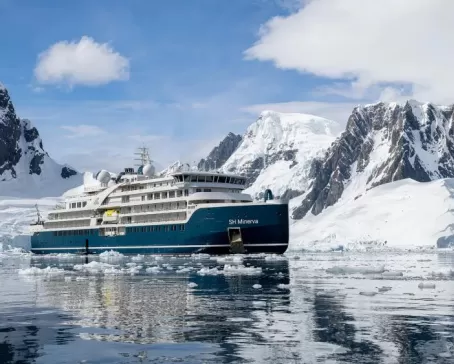
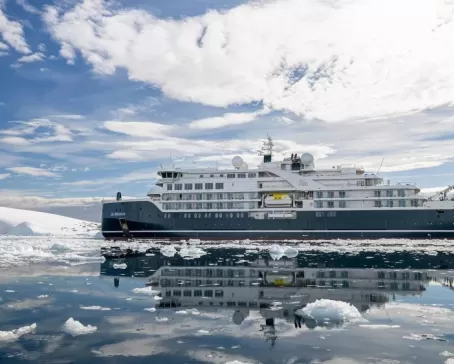
SH Minerva

SH Minerva in Arntarctica
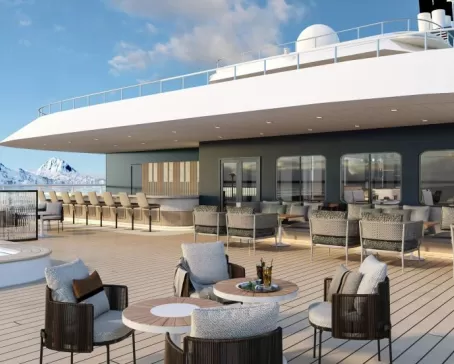
Minerva sundeck
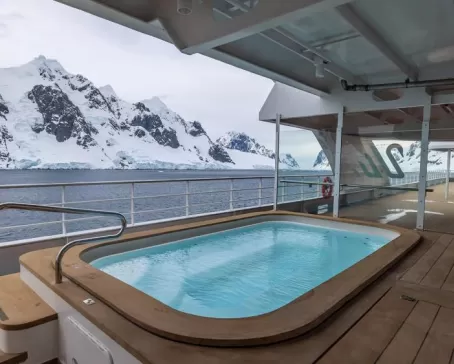
Minarva Jacuzzi

Dates & Prices

My Preferred Start Date

Per person starting at
$11,250 2-3 travelers
Minerva Ocean View
Oceanview D4
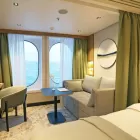
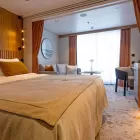
19 m2, Oceanview staterooms features 2 single beds, bedroom and living room and a luxurious ensuite bathroom.
Minerva Ocean View
Oceanview M4
19 m2, Oceanview staterooms features 2 single beds, bedroom and living room and a luxurious ensuite bathroom.
Minerva BAlconyMinerva Balcony
Balcony D5
28 m2, Located at the forward and aft of the ship, these balcony staterooms feature 2 single beds or double bed bedrooms with a living room area, a luxurious bathroom and your own private 6m2 balcony
Minerva BalconyMinerva BAlcony
Balcony M5
28 m2, Located at the center of the ship, these balcony staterooms feature 2 single beds or double bed bedrooms with a living room area, a luxurious bathroom and your own private 6m2 balcony
Minerva BAlconyMinerva Balcony
Balcony D6
28 m2, Located on deck six, these balcony staterooms feature 2 single beds or double bed bedroom with living room area, a luxurious bathroom and your own private 6m2 balcony
Minerva Suite
Suite
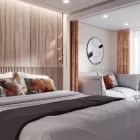
44 m2, Our Suites features a super king bed and separate living room with and a soothing flame-effect fireplace a luxurious ensuite bathroom and a 12 sq.m. private balcony.
Minerva Premium Suite
Premium Suite
49 m2, Our grandest suites feature a super king bed and separate living room with and a soothing flame-effect fireplace a luxurious ensuite bathroom, a spacious walk-in wardrobe, and a 12 sq.m private balcony.
Included
  • 14 Breakfasts, 13 Lunches, 13 Dinners
  • 14 Nights Accommodations
  • Accommodations as listed
  • Ground transportation as listed
  • Activities as listed
  • Meals as listed
  • Access to a 24-7 Emergency line while traveling
  • Wifi
  • Coffee, tea, soft drinks and selected alcoholic beverages available 24-hours per day
  • Lecture programs by our experienced expedition team and guest speakers
  • Onboard gratuities & port taxes
  • Branded Swan Hellenic expedition parka and use of rubber boots in Polar Regions.
  • Group return transfers from the airport to the cruise port (via our included accommodation where applicable)
  • 24-hour room service
  • One selected shore excursion/expedition activity per port of call (kayaking not included – however this can be pre-booked)
  • Waterproof backpack and refillable water bottle, yours to keep
  • 24/7 self service laundry
  • One night pre-cruise accommodation with breakfast in a 4/5-star hotel (exemptions apply)
  • Charter flights to the port of embarkation/disembarkation (Longyearbyen, Ushuaia, Kangerlussuaq, Nuuk, Honiara, Jayapura and Sorong)
Excluded
  • Travel Insurance
  • Personal Expenses
  • Flight costs (please request a quote)
  • Additional excursions during free time
  • Fuel and transportation surcharges (when applicable)
  • Passport and Applicable Visa Expenses
  • Spa Treatments
  • Several optional activities you can participate in for an extra cost. These include kayaking, private tours, special arrangements, and private Zodiac tours on request and based on availability.
  • Premium wines and spirits from the bar menu
  • Purchases from the ship’s boutique
  • Laundry expenses
  • Premium WiFi packages

Map

Inquire

* By providing your phone number, you consent to receive direct phone calls or SMS messages from our Trip Planners to get the process started. We do not share your information with third-parties.
Change & customize to make it yours.
Travel Agents

We Love to Talk Travel

Call 1.800.344.6118
or
Chat Now
Everything was amazing! The planning with Adventure Life went smoothly. The actual trip was fantastic! One of the best trips I have experienced. The cruise staff members were knowledgeable and attentive. I will be writing more about this on the blog!
Justin Chappelle

Why Travel With Us?

Rewards That Go Further

Secure your 5% Past Traveler Rewards across a wide range of ships and destinations - not a single brand and not just cruises.

Advocacy That Matters

You're backed by a team that knows the industry and has strong relationships—helping ensure you're prioritized and well taken care of every step of the way.

Seamless Trip Planning

We guide you through every detail beyond the cruise—from flights to pre- and post-trip stays—so your journey feels effortless.

As Featured In

How it Works

Connect

No cost, no commitment. Talk with our experts about your dream trip.

Plan

Share your travel style—we match you with the right itinerary or create one just for you.

Book

Lock in knowing every detail is handled and you’re fully supported.

Travel

Enjoy a seamless journey—and unlock 5% off your next adventure.