When people picture visiting Antarctica, they often think of the classic voyage across the Drake Passage to the
Antarctic Peninsula. But there is another side of the white continent: the remote
Ross Sea and
Victoria Land in East Antarctica. While both destinations offer unforgettable encounters with ice, wildlife, and history, they provide very different experiences.
Length and Itinerary Differences
One of the biggest distinctions is the duration. Antarctic Peninsula cruises typically last 10 to 14 days and usually depart from Ushuaia, Argentina. Travelers cross the
Drake Passage and spend several days making landings on the western side of the peninsula.
By contrast, Ross Sea itineraries are among the longest Antarctic voyages, running 22 to 35 days.
Ships sail from New Zealand or Australia and often include subantarctic islands such as Macquarie or Campbell, rich in seabird and seal colonies. This adds more days at sea but also widens the scope of the journey. For travelers who want the most comprehensive Antarctic experience, the Ross Sea delivers.
Wildlife Encounters
Both regions are wildlife havens, but the scale and species differ.
- Antarctic Peninsula
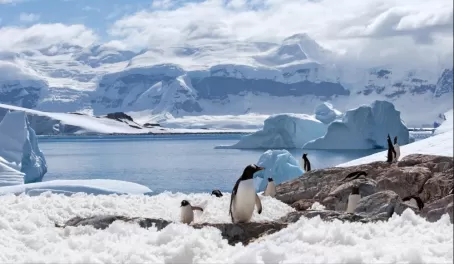
- Large colonies of gentoo, chinstrap, and Adélie penguins
- Regular sightings of humpback, minke, and orca whales
- Crabeater, Weddell, and leopard seals haul out on the ice
- Birdlife includes skuas, sheathbills, and Antarctic terns
- Wildlife encounters are frequent thanks to shorter sailing distances between sites
- Ross Sea and Victoria Land
- Home to some of the world’s largest Adélie penguin colonies, with numbers reaching millions
- Up to 240,000 emperor penguins, the only Antarctic region where most ships have a chance to see them
- Rare Ross seals alongside Weddell seals and whales
- Snow petrels, Wilson’s storm petrels, and south polar skuas thrive in the region’s pristine ecosystem
- Fewer people visit, so animal habitats feel less disturbed and remarkably untouched
If penguin quantity and diversity are your focus, the Ross Sea stands out. And for variety and ease of viewing, the peninsula is excellent.
Landing Sites and Scenery
- Antarctic Peninsula
- Known for its dramatic icebergs, fjords, and accessible glaciers
- Frequent Zodiac cruises to penguin rookeries and seal haul-outs
- Research stations, and wildlife observation
- Many landings are on islands just off the peninsula rather than the continental mainland
- Ross Sea and Victoria Land
- Ross Sea voyages often include several opportunities to step on continental Antarctica, with sites such as Cape Adare, Cape Hallett, Terra Nova, and Ross Island (if weather permits).
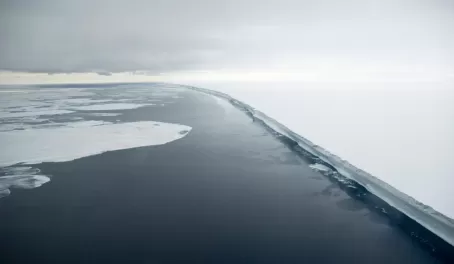
- Ross Ice Shelf: The world’s largest floating ice shelf, with ice cliffs rising nearly 30 meters above the water.
- Preserved shelters from the Heroic Age remain, huts at Cape Adare, Scott’s Terra Nova Hut at Cape Evans, and Shackleton’s hut at Cape Royds on Ross Island.
- Visits to Scott Base (New Zealand)
For travelers interested in Antarctic history and a sense of standing where early explorers once camped, the Ross Sea provides a deeper connection.
Accessibility and Visitor Numbers
The Antarctic Peninsula is the most visited part of Antarctica because it is closer to South America and requires fewer sailing days. Hundreds of voyages depart each austral summer from Ushuaia, Argentina, with options ranging from small expedition ships to larger luxury vessels.
The Ross Sea, by contrast, is more accessible for travelers from Australia or New Zealand, as voyages usually depart from Hobart, or Dunedin. It sees far fewer visitors each year, with limited departures, longer sailings, and challenging ice conditions. This exclusivity means only a handful of ships reach the Ross Sea annually, making it one of the rarest and most in-depth Antarctic experiences.
Which Trip Should You Choose?
- Choose the Antarctic Peninsula if:
- You have limited time (around two weeks)
- You want a higher chance of smooth landings each day
- You’re interested in abundant wildlife and dramatic ice scenery in a shorter trip
- Choose the Ross Sea and Victoria Land if:
- You want a once-in-a-lifetime, in-depth Antarctic experience
- You’re fascinated by historic exploration sites and scientific bases
- You want to see emperor penguins and massive Adélie colonies
- You don’t mind extra days at sea and a longer voyage
- You’re from Australia or New Zealand as its more accessible
Visiting Antarctica is extraordinary no matter the route. The Antarctic Peninsula offers accessibility, shorter itineraries, and incredible wildlife encounters. The Ross Sea and Victoria Land Antarctica provide unmatched history, continental landings, and some of the largest penguin populations on Earth.
Both regions show different sides of the world’s last frontier and offer extraordinary experiences. Choose the route that fits your travel goals and
let Adventure Life help you get there.