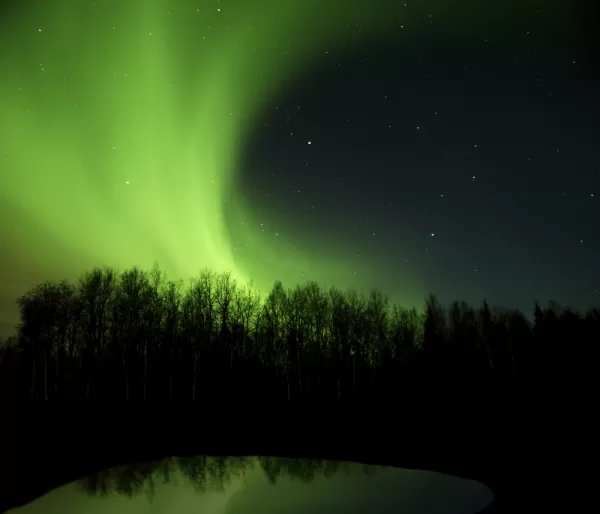
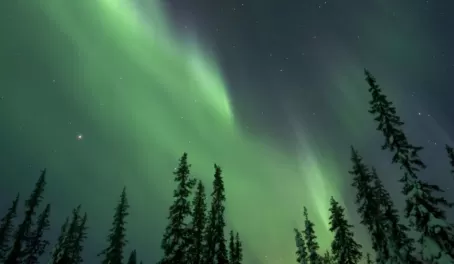
Few travel moments stop you in your tracks. Watching ribbons of green and violet light sweep across a dark Arctic sky is one of them.
The
Northern Lights (also known as the Aurora Borealis) form when solar particles collide with Earth’s atmosphere.
The result is a shifting display of color that feels almost unreal. It is both science and spectacle, and for many travelers, it’s a once-in-a-lifetime goal.
If you're wondering about the best place to see Northern Lights, the answer depends on more than just geography. Latitude, weather patterns, darkness, and timing all play a role.
Across the Arctic, from Scandinavia to North America, certain destinations consistently offer stronger viewing conditions. Below, we explore the best places to see the Northern Lights, when to travel, and how to plan for the highest chances of success.
Where to See the Northern Lights
The best places to see the Northern Lights occur within the auroral oval—a band around Earth’s magnetic poles where activity is most intense. This zone stretches across northern Norway, Sweden, Finland, Greenland, Canada, Alaska, and parts of Russia.
The best places to see Northern Lights share four traits:
- High latitude
- Minimal light pollution
- Clear winter skies
- Long hours of darkness
In general, the
Arctic region offers the most consistent opportunities. Wide open landscapes and remote settings make it one of the best places to see Northern Lights. It’s easier to escape artificial light and focus on the sky in this region.
Top Best Places to See Northern Lights Around the World
Each of the best places to see Northern Lights offers a different style of experience. Some combine dramatic scenery with easy access. Others reward travelers with deep wilderness and solitude.
1. Norway: A Classic Arctic Aurora Destination
What’s the best country for Northern Lights? The answer might be here.
Northern Norway sits directly under the auroral zone. This makes it one of Europe’s strongest viewing regions.
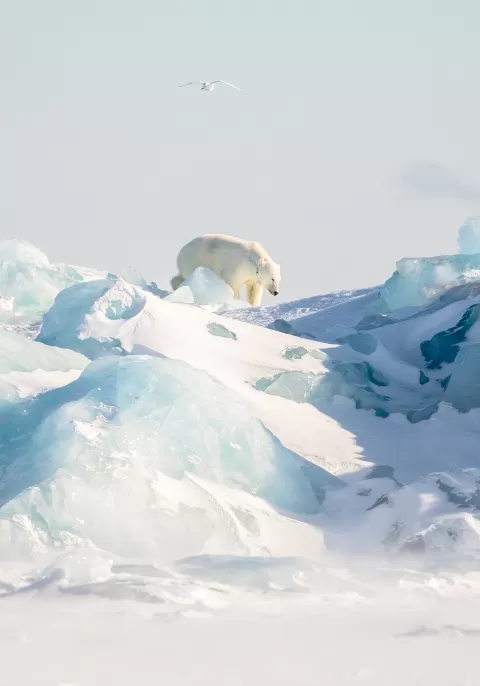
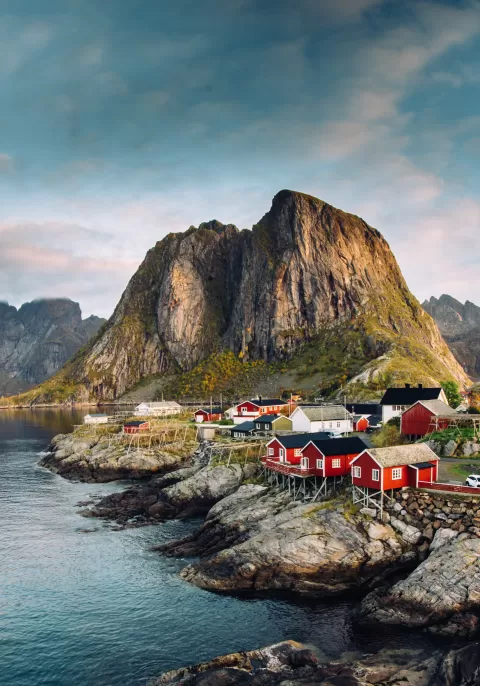
Popular areas include Tromsø, Alta, the Lofoten Islands, and even Svalbard. Coastal scenery adds drama to every sighting. Imagine green light reflecting over fjords and snow-covered peaks.
Inland areas often have more stable winter weather, while coastal regions offer striking backdrops. Norway combines infrastructure, expert guides, and scenic beauty in a way few destinations can match.
2. Greenland: Remote, Wild, and Unforgettable
Greenland might be the best place to see Aurora Borealis because it offers something rare:
near-total darkness.
With
small communities scattered across
vast ice fjords, light pollution is almost nonexistent. Clear inland winter skies create strong viewing conditions, especially from September through April.
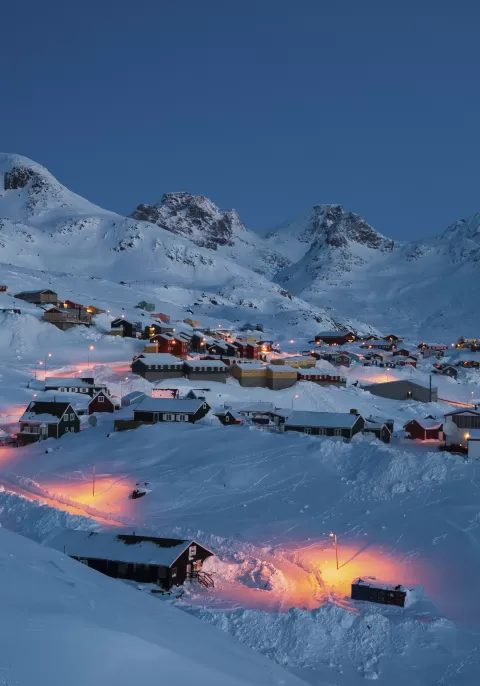
Watching the sky shift above icebergs or colorful Arctic villages feels deeply personal here. Fewer crowds and wide-open spaces make this arguably the best place to see Northern Lights for
travelers seeking solitude.
3. Finland: Long Seasons and Glass Igloos
Finnish Lapland is known for its long viewing season and cozy stays.
From late August to April, conditions can align for strong displays.
Glass igloos and heated cabins allow you to watch the sky from warmth and comfort. Forested landscapes also help block wind, making nighttime excursions easier.
Finland is the best place to see Northern Lights for couples and families who want both adventure and ease.
4. Sweden: Clear Skies and Arctic Wilderness
Sweden’s Abisko National Park has a reputation for consistent, clear skies due to its unique weather patterns.
Located in a rain shadow, it often avoids the cloud cover found in coastal regions.
Snow-covered forests and frozen lakes provide clean foregrounds for photography. Guided snowshoe and dog-sled tours add depth to the experience.
For travelers prioritizing clarity over scenery variety, northern Sweden might just be the best place to see Northern Lights.
5. Canada: Vast, Wild, and High Success Rates
Canada’s northern territories sit squarely under the auroral oval. Yellowknife, Churchill, and parts of the Yukon and Northwest Territories offer high viewing success rates.
Large stretches of undeveloped land mean darker skies. Crisp winter air often brings clarity, and lodges are designed with aurora viewing in mind.
For North American travelers searching for the best place to see Northern Lights, Canada offers a balance of accessibility and remoteness.
6. United States: Alaska’s Aurora Power
Interior Alaska, especially around Fairbanks, sees frequent auroral activity from September through March.
The area combines good infrastructure with dark, open landscapes.
Road access allows flexibility, which makes it easier to move toward clearer skies if needed.
For U.S.-based travelers on the hunt for the best place to see Northern Lights, this region provides one of the most convenient opportunities to witness the phenomenon.
7. Russia: Remote and Powerful Displays
Russia’s northern territories experience strong activity and minimal light pollution.
The Kola Peninsula is one of the best places to see Northern Lights.
Travel logistics can be more complex, but for experienced Arctic travelers, the rewards include powerful displays and few crowds.
8. Scotland: A Southern Surprise
During periods of strong solar activity,
the lights can sometimes be seen in the Scottish Highlands and Northern Isles.
While not as consistent as Arctic destinations, Scotland offers accessibility and dramatic coastal scenery when conditions align.
What Months Are Best to See the Northern Lights?
The general aurora season runs from
September to March.
Winter darkness matters more than temperature. You need clear, dark skies (not just cold weather).
Peak Viewing Factors:
- High solar activity cycles
- Clear nights
- Minimal moonlight
- Strong geomagnetic forecasts
Northern regions experience longer darkness in mid-winter, increasing your viewing window.
What to Pack for an Aurora Trip
Essentials:
- Insulated waterproof boots
- Thermal base layers
- Down or heavy winter jacket
- Gloves, hat, neck protection
- Hand warmers
For photography:
- Tripod
- Wide-angle lens
- Extra batteries (cold drains power fast)
- Manual camera settings
How to See the Northern Lights: Choosing the Right Experience
Different travel styles offer different advantages.
Cruise-Based Viewing
- Remote coastal regions
- Less light pollution
- Changing scenery each night
Land Tours
- Flexible night chasing
- Forest or mountain settings
- Local expert guides
Lodge Stays
- Cozy basecamp
- Multiple nights to improve chances
- Relaxed pace
Adventure Life tailors each journey to match your travel style, comfort level, and timing preferences.
So, Where Is the Best Place to See the Northern Lights in the World?
The truth is:
the best place to see Northern Lights depends on your travel style.
- Want dramatic fjords? Choose Norway.
- Crave remote wilderness? Consider Greenland or Canada.
- Prefer comfort and glass igloos? Finland delivers.
- Need easy access from the U.S.? Alaska stands out.
All of the best places to see Northern Lights share one thing:
proximity to the auroral oval and dark Arctic skies.
When conditions align and the sky begins to move, the location fades away. You stand still. The cold air sharpens. The lights dance.
And you remember why chasing the aurora is worth it.
Start Planning Your Northern Lights Journey
Aurora trips fill quickly during peak season, especially during the darkest winter months.
Planning early gives you better options for travel dates, accommodations, and guided viewing experiences.
Our Trip Planners help you choose the right destination, timing, and style of journey to maximize your chances under clear Arctic skies.
Contact us today to start planning your
Northern Lights adventure.