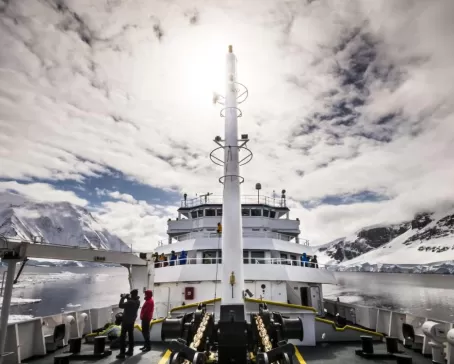
This voyage takes you into the pack ice and along the remote shorelines of rugged North Spitsbergen. Your landings are subject to change due to sea ice, weather conditions, and wildlife sightings. The expedition leader determines the final plan. Destinations you might visit include:
Raudfjord
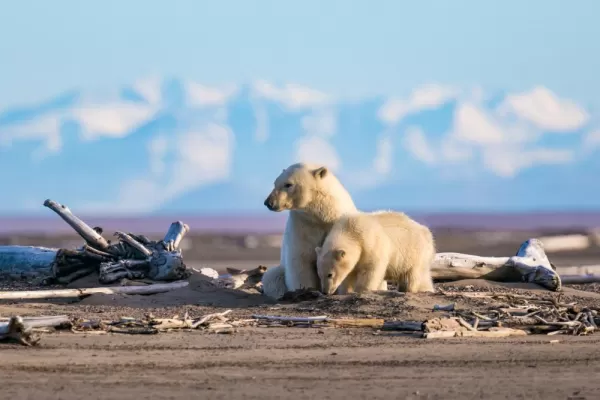
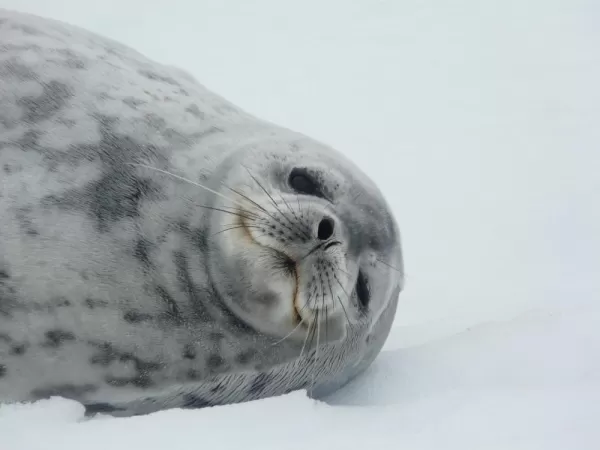
On the north coast of Spitsbergen, you can enjoy this expansive fjord spilling with glaciers – and maybe even visited by ringed and bearded seals. The cliffs and shoreline at Hamiltonbukta support thriving seabird colonies with Brünnich's guillemots, rich vegetation, and the possibility of polar bears. The plan is to attempt a landing at Alicehamna or Buchananhalvøya.
Ytre Norskøya
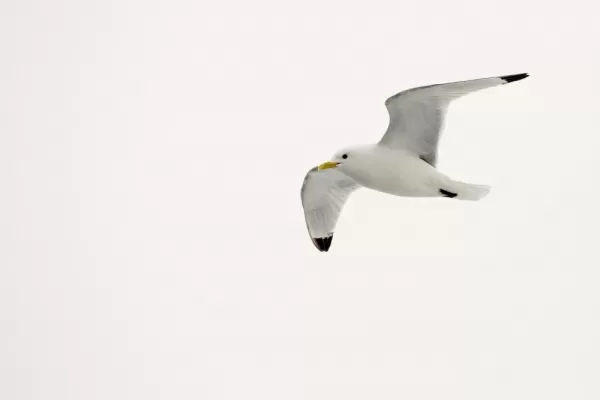
This small island was used for many years as a lookout point for Dutch whalers, and in fact you can still follow their tracks to the summit of the island. The remains of 17th-century blubber ovens can also be, along with 200 graves. The north side of the island offers the rare opportunity to see puffins near their breeding places, and there is even a small colony of kittiwakes.
Monaco Glacier
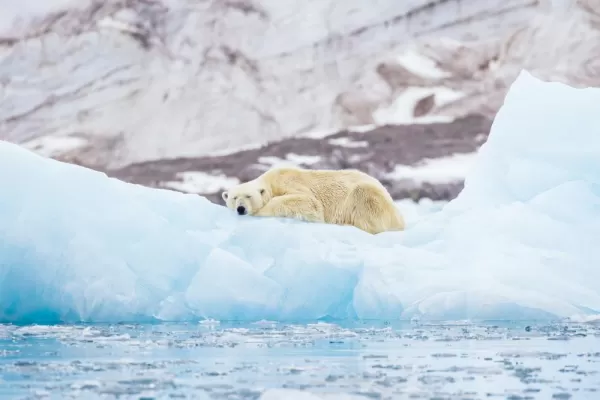
Depending on the weather and sea ice, you could sail into Liefdefjorden, land at Texas Bar and cruise within sight of the 5-kilometer-long (3.1 miles) face of Monaco Glacier. The waters in front of this precipitous glacier are a favorite feeding spot for thousands of kittiwakes, and the base of the ice is a popular polar bear hunting ground. If ice conditions prevent us from sailing here early in the season, you can implement an alternate route along the west coast of Spitsbergen.
The Seven Islands, Sjuøyane
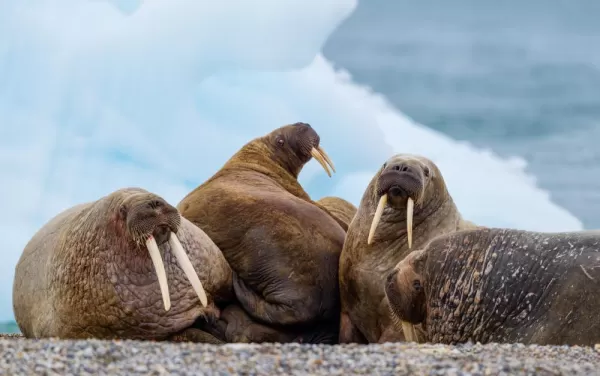
The northernmost point of the voyage may be north of Nordaustlandet, in the Seven Islands. Here you may reach 80° north, just 870 km (540 miles) from the geographic North Pole. At Phippsøya there is a walrus haul-out site, while Rossøya is the northernmost landmass in Spitsbergen. The vessel may sail deeper into the pack ice when wheeling around west again.
Sailing in the pack ice
You aim to sail into the pack ice at quite some distance from the coast of Spitsbergen, watching for polar bears and other animals at the edges of the pack. Your voyage through the pack ice may be a multi-day affair, depending on the position of the ice and local sea and weather conditions. Regardless of how long you spend in the ice, these days at sea is the highlight of the trip. Note that while the ship navigates the pack ice, there are no shore landings or excursions from the ship. However, wildlife encounters are the main draw here, with good chances to encounter many species that thrive in this icy habitat, including polar bears, seals, and whales.
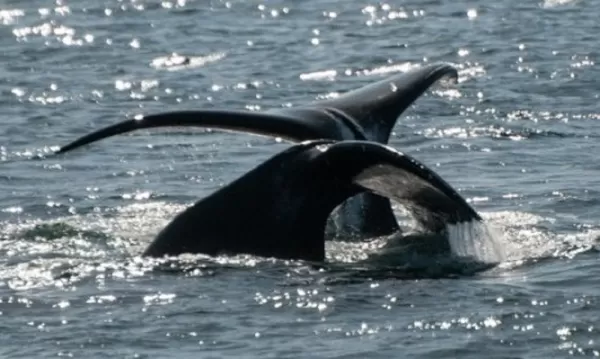
After your time on the ice, you retrace your route west, keeping watch for polar bears, ringed seals, and elusive Greenland (bowhead) whales. This is also the habitat of ivory gulls. About 40 nautical miles (74 km) west of Spitsbergen, you sail along the edge of the continental shelf. Here, fin whales forage during the summer in the upwelling zones (where cold, nutrient-rich water wells up from below the sea’s surface) that run along the Spitsbergen banks. At the mouth of Kongsfjorden, you can have a good chance of sighting minke whales.
Northwest of Raudfjord
You aim to sail into the pack ice outside the territorial waters of Svalbard, watching for polar bears and elusive Greenland (bowhead) whales. As you sail from 80 N' to 76 N' along and in the outer fringes of the ice edge, you also look for harp seals, hooded seals, polar bears, and migrating seabirds like little auks, Brünnich’s guillemots, and kittiwakes. On previous voyages in this area, you have sometimes seen up to hundred bowhead whales. You also have the chance to see northern bottlenose whales and the first fin whales of the season. The pack ice sailing is the highlight of this voyage and may take up to three days.
Forlandsundet wildlife
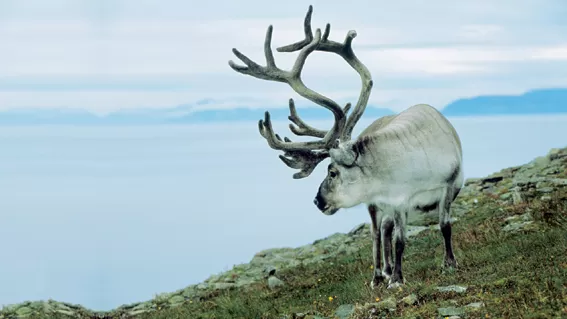
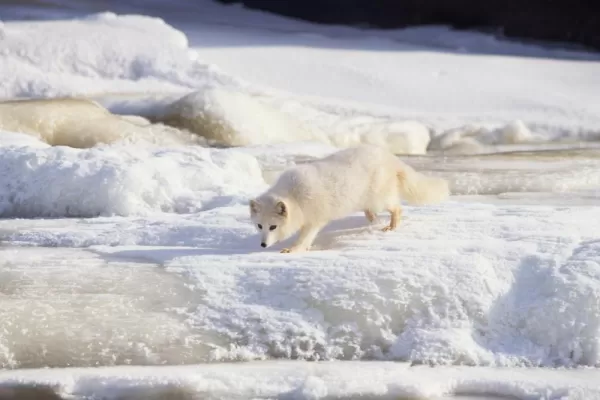
Walruses sometimes haul out in Forlandsundet, at Poolepynten. But if you cannot go there, you might sail to the mouth of Isfjorden, where you may see different species of rorqual whales. Your intended landing site is Alkhornet, where seabirds nest on the cliffs, Arctic foxes search below for fallen eggs and chicks, and reindeer graze the sparse vegetation. Another possibility is the glacier front in Ymerbukta, where you can see congregations of various eider species.