If you are considering going on an
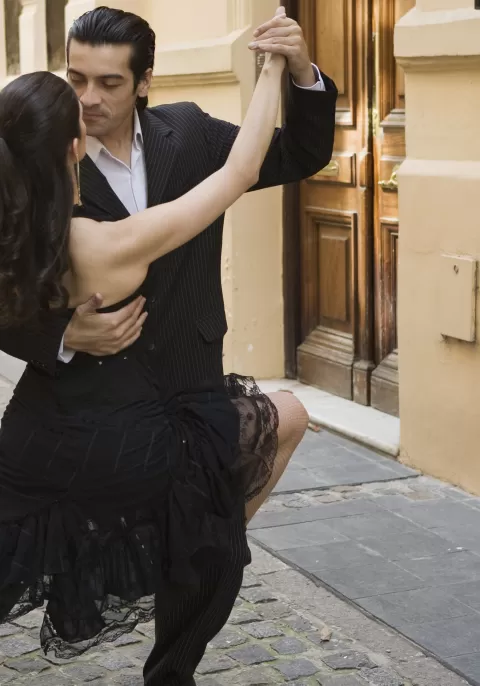
Argentina tour, a tango show is a must-see event that is embedded in the culture of the country. For many travelers, experiencing the
Argentine Tango live in
Buenos Aires is a highlight of their journey and offers deep insight into the heart of
Tango in Argentina.
“When all is said and done, the tango is no more than a reflection of our daily reality,” said Edmund Rivera, one of the greatest
Argentine tango singers of all time. Rivera recognizes that Argentina is an immigrants’ melting pot. Distinctive cultural elements have fused to give birth to an expression of the soul, an arrangement of both lyrics and dance, a truly unique art — the Argentine tango.
In the nineteenth century, many Europeans, especially Italians and Spaniards, immigrated to Argentina. Bringing with them many dances including the waltz, polka, and mazurka. The popular Cuban habanera made its way to Argentina as well. The habanera, polka, waltz and mazurka assimilated along with other innovations from abroad to create the milonga, which became nicknamed “the poor man’s Habanera” due to its popularity among the urban poor of Argentina’s capital city, Buenos Aires. It was in the bustling city of Buenos Aires that the milonga’s tempo blended with the much wilder African candombe — developing rhythmic steps of its own and forming into the entirely new dance of the
tango in Argentina.
The tango originated as a man-to-man dance. This was because many of Buenos Aires’ neighborhoods were primarily of Porteños or male immigrants, former soldiers, and working poor. The tango made its way to the brothels of the city, where it is assumed to have transformed into a co-ed dance. By the turn of the century, the tango became the main means of entertainment for the urban poor of Buenos Aires, flourishing in the struggling semi-rural areas and port neighborhoods. The tango’s music and dance began to move up the social ladder, reaching the middle and upper classes of the city. Argentine society developed a love and appreciation for the dance.
By 1910, the dance had reached out through every border of Argentina and found its way to Paris, center of the cultural and entertainment world. It soon made its way to Hollywood, where the tango became glamorized. After becoming globalized, the tango began to lose some of its original meaning, changing from an expression of poverty and loneliness of immigrant men, to a slick dance with elegant love songs for the mass market.
The dance transformed further. It became less popular in Europe and renewed itself as a fundamental expression of
Argentine culture. When the depression hit, the tango changed even more, and the dance became representative of current political and economic conditions — those of renewed poverty and social division within the country. Between the 1960s and 1980s, the tango lost popularity to everyone but a select few. Eventually, the tango hit a period of revival when a world tango tour started: the
Tango Argentino.
Nowadays, after reinventions, Argentina’s most authentic form of popular music and dance is a harmonic and melodic expression of the soul. One must really listen to the music in order to dance the tango; tension and releases must be used when pauses and accelerations are heard. Today, the tango is taught and celebrated not only in Argentine culture but also in cities around the world. The tango has undoubtedly made Argentina more globally recognized and appreciated.
Featured Tour: Learn the Argentine Tango Firsthand
Want to go beyond watching and actually
learn the tango? Take part in an unforgettable
Tango Lessons Tour in Buenos Aires with local dancers. This immersive experience is perfect for travelers who want to embrace the soul of
Tango in Argentina. Whether you're a beginner or an experienced dancer, this cultural encounter will leave a lasting impression.
Ready to experience the rhythm of Argentina for yourself?
Contact us today to start planning your
Argentina Tour with a tango experience you’ll never forget. Our experts will help craft the perfect itinerary for your travel style, whether you're looking to explore Buenos Aires, learn the tango firsthand, or discover more cultural gems across Argentina. Let your next adventure dance to the beat of tango.