Have questions? We're here.
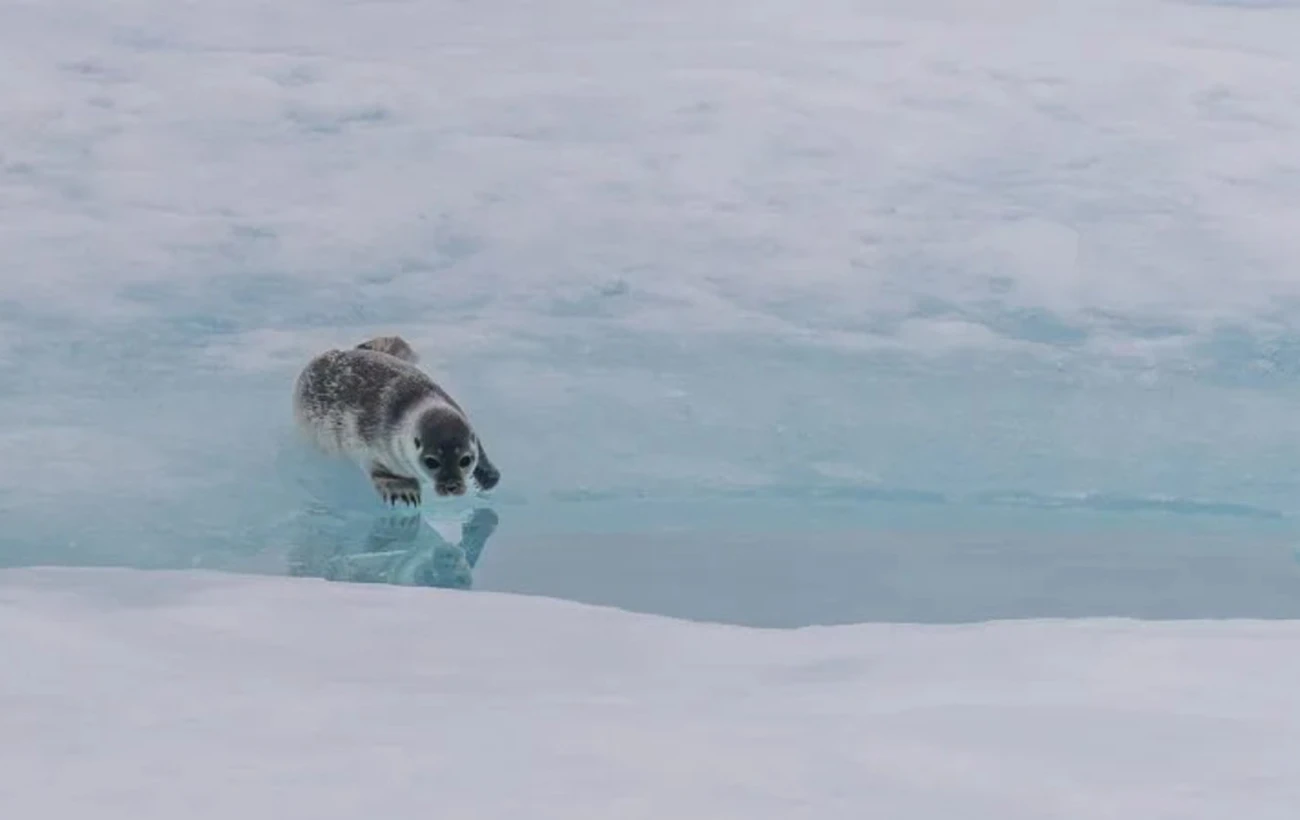
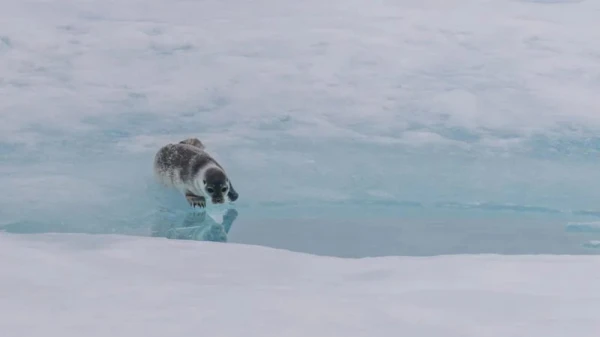
Observe a wild seal resting on pristine Arctic sea ice

Out of the Northwest Passage

Kugluktuk - Kangerlussuaq - Example 17 Day Cruise aboard Ocean Victory
Talk with an expert
Build your ideal Canada trip. Call 406.541.2677
Start Planning My Trip
Sail 17 days from Kugluktuk, Canada, to Kangerlussuaq, Greenland, aboard Ocean Victory through the Northwest Passage. Meet Inuit communities and learn about Inuinnaqtun, local traditions, and life across Arctic Canada. Explore Kitikmeot, pass through Ikirahaq (Bellot Strait), and visit Beechey Island, linked to the Franklin expedition and the St. Roch. Travel through Tallurutiup Imanga (Lancaster Sound), Devon Island, Ausuittuq (Grise Fiord), and Smith Sound, watching for whales, seals, seabirds, and polar bears. Cross Baffin Bay to northwest Greenland, where coastal communities, mountain-lined fjords, and drifting icebergs shape the landscape. Visit Ilulissat Icefjord, a UNESCO World Heritage Site, explore the Sisimiut coast, and conclude in Kangerlussuaq after sailing through its glacial fjord in western Greenland.
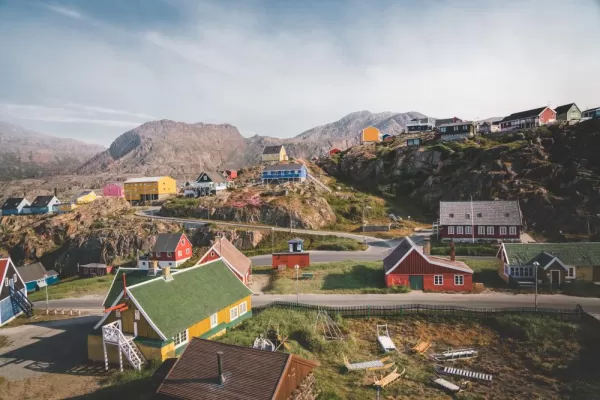
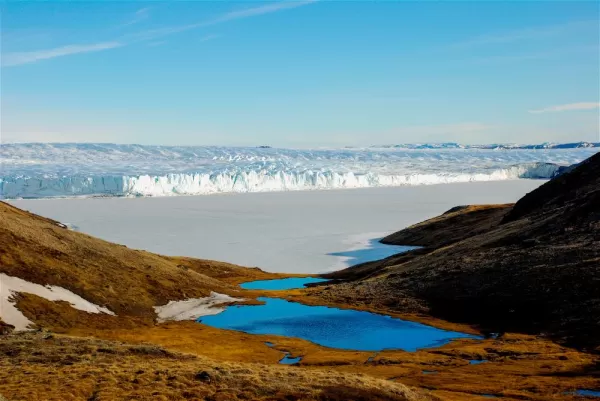
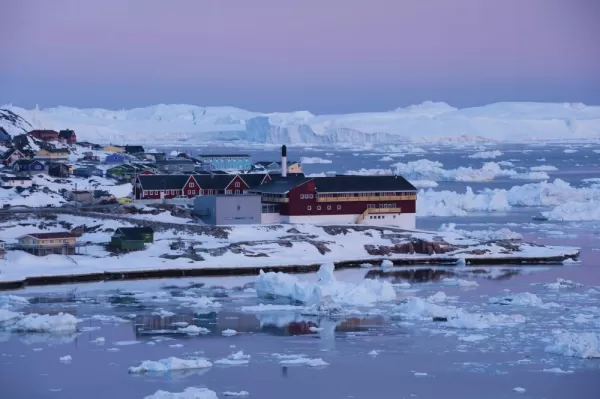
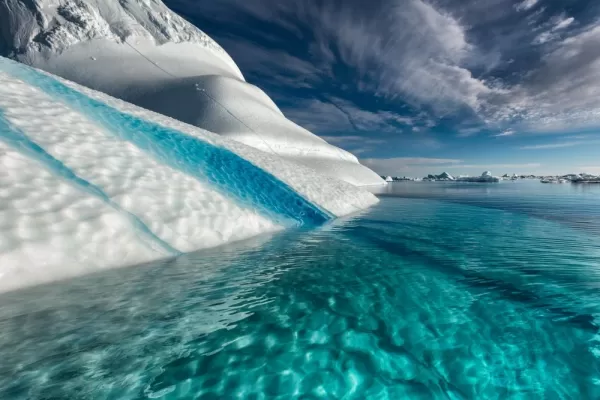
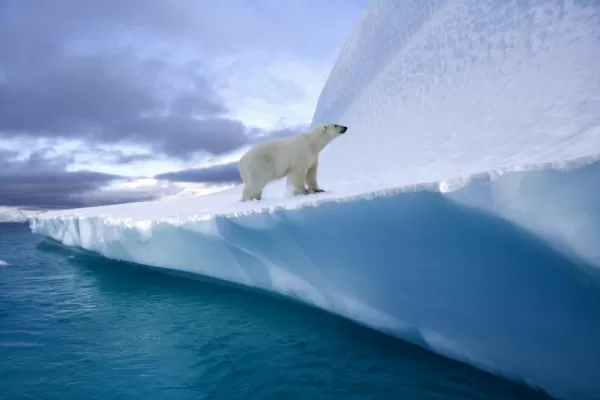
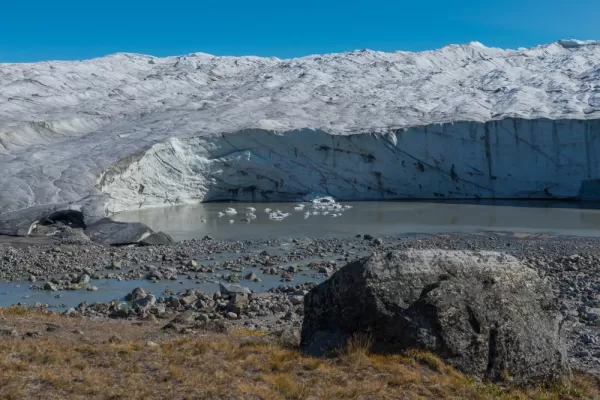
Colorful Sisimiut, Greenland The edge of Greenland's ice cap Midnight sun light, Ilulissat Amazing blue water and ice in Greenland A polar bear wanders onto an iceberg in Greenland Marvel at the size of glaciers in Greenland Get a close up view of the Greenland ice sheet Observe a wild seal resting on pristine Arctic sea ice

Highlights

  • Meet guest David Jordan of the Vancouver Maritime Museum
  • Travel eastward through the Northwest Passage in Arctic autumn
  • Discover Inuit cultures with educators and local community hosts
  • Explore the maritime legacy of the St. Roch’s Arctic service
  • Experience Greenland’s glacier-carved coast, fjords, and icebergs

Places Visited

Activity Level: Variable

Activity options vary depending on destination and operator. Activity level is determined by the range and intensity of activities you choose to participate in. Discuss with your Trip Planner which options are best for you.

0

Full Itinerary

Expand All

Day 1: Kugluktuk (Coppermine), NU, Canada | Embark

The voyage begins in Inuit Nunangat, the Inuit homeland encompassing the land, water, and ice of Arctic Canada. At its western edge, Kugluktuk lies where the Coppermine River flows into Coronation Gulf. Its Inuinnaqtun name means “place of moving waters,” referring to the river’s currents and rapids where the river meets the tundra and sea.

Kugluktuk is an Inuinnait community with strong ties to the river and surrounding nuna (land). Fishing, harvesting, art, and travel on the land remain important parts of local life. The Inuinnaqtun language preserves knowledge and stories specific to the western Arctic. Visits with local hosts offer insight into the community’s culture and traditions.

After boarding the Ocean Victory, the voyage continues east through the Arctic as autumn light and colours change. The journey also marks the centenary of the St. Roch, launched for Arctic service in 1926. In partnership with the Vancouver Maritime Museum, the ship’s history provides historical context for the wider journey through Inuit Nunangat.

Day 2-4: Kitikmeot Region

Western Kitikmeot is characterized by low tundra, scattered islands, wetlands, and open horizons. Broad sounds narrow into channels between gravel coastlines and archaeological sites. Muskoxen and caribou inhabit the land, while seals and whales travel through surrounding waters. Migratory birds gather in the region as autumn progresses.

This is Inuinnait country, home to a distinct regional group of Inuit. Their language, Inuinnaqtun, preserves place names, travel routes, stories, and knowledge of the environment. Generations of harvesting caribou, muskoxen, seals, and fish have shaped local clothing, tools, food traditions, and travel practices. Today, Inuinnait communities continue to pass on their language and cultural traditions while adapting them to contemporary life.

The St. Roch spent two winters in this region during its 1940–1942 crossing, first at Walker Bay on Victoria Island and later at Pasley Bay on the Boothia Peninsula. During these stays, crew members learned ice-fishing and hunting techniques from Inuit, whose knowledge helped them adapt to Arctic conditions. The extended periods in the ice reflect the challenges of navigating the Arctic in a wooden vessel. Activities during the voyage include shore landings, tundra walks, community visits, and Zodiac excursions to explore the region’s landscapes, wildlife, and communities.

Day 5: Ikirahaq (Bellot Strait)

Ikirahaq is a narrow, twenty-five-kilometer passage separating Somerset Island from the Boothia Peninsula. At its narrowest, little more than a kilometer divides the shores. Strong tidal currents move through the channel as waters from the eastern and western Arctic meet beneath steep granite walls.

In 1942, the St. Roch entered Ikirahaq during the final year of its west-to-east crossing. Moving ice pressed the wooden schooner against grounded floes as the tide drove more ice into the strait. The vessel eventually broke free and continued east, making this one of the most perilous moments of its twenty-seven-month passage.

Seals, whales, seabirds, and occasionally polar bears may be encountered along the shores or among the moving ice. On the southern side lies Murchison Promontory, the northernmost point of mainland North America. Passage through Ikirahaq remains governed by powerful currents, ice, weather, and careful navigation.

Day 6: Beechey Island

At Beechey Island, history lies close to the surface. In 1845, Sir John Franklin set out from England with HMS Erebus and HMS Terror, attempting to sail through the Northwest Passage. His crew overwintered here, where three of his men died. Later, in 1854, Thomas Morgan of HMS Investigator was buried beside them—a solemn witness to the relentless search for Franklin’s lost expedition.

Beechey became a depot and landmark for numerous search parties that followed. Amundsen and Bernier stopped here, as did Henry Larsen aboard the St. Roch on August 20, 1944. Given the island’s importance to British Arctic exploration and the Franklin Expedition, the visit held particular significance for Larsen and his crew. Archival photographs capture crew members gathered beside the Franklin Expedition cenotaph, adding their own presence to the island’s layered history. 

Nearby stand the ruins of Northumberland House, while the surrounding landscape remains stark and wind-scoured: gravel, ice, and the call of gulls echoing across still water. Standing here, you feel the continuity between ambition and endurance—held quietly in the land’s enduring silence.

Inuit testimony proved essential to tracing the expedition’s final movements and, generations later, locating its lost ships. Beechey Island connects Franklin’s failed voyage with its wider legacy, including expanded geographical knowledge, growing colonial ambitions, and an increasingly sustained southern presence in Inuit Nunangat.

Day 7-8: Tallurutiup Imanga (Lancaster Sound) | Devon Island

Tallurutiup Imanga is the ecological engine of the eastern Canadian Arctic. Nutrient-rich waters and recurring areas of open water support narwhal, beluga and bowhead whales, walrus, seals, polar bears, and some of the Canadian Arctic’s largest seabird colonies. As autumn approaches, marine mammals continue to move through its channels while migratory birds gather before turning south.

This National Marine Conservation Area has supported Inuit travel, harvesting, and cultural practice for millennia. Inuit stewardship and Inuit Qaujimajatuqangit, or Inuit knowledge, play an essential role in its protection. Inuit expedition team members and naturalists bring the relationships among currents, ice, wildlife, and human life into focus.

After navigating Ikirahaq in 1942, the St. Roch continued through Prince Regent Inlet and entered Tallurutiup Imanga on its way towards Baffin Bay and the Atlantic. After two winters in the western Arctic, these broad eastern waters marked the final stage of its historic west-to-east crossing. Two years later, the schooner passed through Lancaster Sound in the opposite direction during its single-season return voyage.  

To the north, Devon Island rises in broad plateaus, glacial valleys, gravel plains, and open tundra. It is the world’s largest uninhabited island, although archaeological sites attest to centuries of Inuit and earlier human presence. Walks and Zodiac explorations reveal autumn vegetation, immense geological scale, and coastlines approached most naturally from the sea.

Day 9: Ausuittuq (Grise Fiord), NU

Set between the mountains and sea of southern Ellesmere Island, Ausuittuq means “the place that never thaws.” Canada’s northernmost civilian community occupies a landscape of glaciers, open tundra, and waters that remain covered by sea ice through much of the year.

The community was established in 1953 through the Canadian government’s relocation of Inuit families from Inukjuak and Mittimatalik. That difficult history remains an important part of Ausuittuq’s story, alongside more than seventy years of community life shaped by family, ingenuity, and cultural continuity. Hunting, travel on the nuna, artistic expression, and the rhythms of the seasons remain closely woven into life here. Time with local hosts offers a view of contemporary High Arctic community life within the immense landscape of Ellesmere Island.

Day 10: Smith Sound

Low autumn light draws out the immense scale of Smith Sound, where Greenland and Ellesmere Island rise on either side of a channel linking Baffin Bay with Kane Basin. The sun follows a lower arc across the sky, casting long shadows over mountains and glaciers. Fresh snow may trace the higher slopes, while colder air and extended twilight bring a new character to the passage.

Drifting ice and immense icebergs move through these waters between two great Arctic coastlines. Inuit have long travelled and hunted throughout the region, while nineteenth-century expeditions later followed Smith Sound in search of Franklin and routes towards the North Pole. These histories remain present within a passage still governed by current, ice, weather, and distance. 

Day 11: At Sea

September places Baffin Bay at a seasonal threshold. Sea ice is near its annual minimum, even as colder nights begin the transition towards freeze-up in the bay’s northwestern reaches. Icebergs circulate with the currents, while whales and seals remain active and migratory seabirds move towards their winter ranges.

A day aboard offers time to watch the changing sea and sky from the decks and observation spaces. Presentations, workshops, and informal conversations with Inuit cultural educators, naturalists, historians, and other expedition team members deepen understanding of the wildlife, geography, cultures, and exploration history of the Northwest Passage.

Between sessions, the decks remain a gathering place for shared wildlife sightings and the quiet spectacle of icebergs moving across the horizon. As daylight fades, true darkness returns to the bay, and clear skies may bring the possibility of the aurora. 

Day 12-13: Northwest Greenland

In Kalaallit Nunaat, the Kalaallisut name for Greenland, the northwest coast forms both an immense seascape and a lived cultural world. Kalaallisut, the country’s official language, carries the names, stories, and knowledge of its distinctive shores. Across western Greenland, Kalaallit culture shapes language, food, creative expression, and everyday relationships with the sea.

The northwest coast rises from the water in islands, narrow channels, sheltered bays, and deep fjords enclosed by steep mountains. The West Greenland Current carries immense icebergs northward, gathering bergs from Disko Bay and glaciers farther north into a moving flotilla of towers, arches, and fractured blue faces.

Small communities occupy rocky islands and natural harbors throughout this intricate seascape. Fishing and hunting remain central to local economies and food traditions, while boats connect settlements separated by water and rugged terrain. Autumn deepens the tundra into red, gold, and ocher, setting the final colors of the growing season against dark rock and drifting ice.

Explore the coast by ship, Zodiac, and on foot. Community visits and shoreline walks bring contemporary Kalaallit life and the immense scale of the landscape into view. 

Day 14: Ilulissat

At Ilulissat Icefjord, a UNESCO World Heritage Site, Sermeq Kujalleq carries ice from the Greenland Ice Sheet towards the sea. Immense icebergs enter Disko Bay in a continually changing procession of towers, arches, and fractured blue faces. Ilulissat means “icebergs,” a name that captures the defining presence of ice within the landscape and community.

A boardwalk leads towards views across the icefjord, while the Ilulissat Icefjord Center explores the connections among ice, climate, culture, and human history. In town, a working harbor, museums, restaurants, cafés, shops, and colorful neighborhoods reveal one of Greenland’s most energetic contemporary communities, lived within sight and sound of the moving ice. 

Day 15-16: Sisimiut Coast

The Sisimiut coast brings together mountain ridges, sheltered waterways, offshore islands, and long fjords reaching towards the Greenland Ice Sheet. Autumn deepens the colors of crowberry, dwarf birch, willow, and tundra moss, while lower light sharpens the outlines of rock and water. Darkening evenings may also bring opportunities to watch for the aurora borealis.

Human history along this coast reaches back more than 4,500 years. Archaeological traces left by successive cultures, including Saqqaq, Dorset, and Thule peoples, speak to generations of movement and adaptation. Contemporary communities continue to look to the sea for travel, fishing, and connection.

Zodiac cruises, hikes, community visits, and time aboard offer different ways to experience this meeting of coast and fjord. Whales may still be encountered offshore, while seabirds move through the final stages of their seasonal migrations. 

Day 17: Kangerlussuaq, Greenland | Disembark

  • 1 Breakfast
Kangerlussuaq lies within a broad glacial valley between the Greenland Ice Sheet and the sea. Its dry climate and unusually stable weather led to the establishment of an American air base here during the Second World War and continue to make it one of Greenland’s most important aviation gateways. The surrounding region has a much longer history as a place of Inuit travel and hunting.

The journey concludes after sailing through Kangerlussuaq Fjord, one of Greenland’s longest fjords. Mountains, glacial valleys, and pale meltwater mark the transition from the western coast towards the interior. After disembarkation, transfer to the airport for the charter flight south.

From the moving waters of Kugluktuk to this glacial valley, the route has crossed the Northwest Passage from west to east through a season of changing light.  

Ship/Hotel

Ocean Victory

Mud Room
Knud Rasmussen Library
Observation Lounge

Dates & Prices

My Preferred Start Date

This site is protected by reCAPTCHA and the Google Privacy Policy and Terms of Service apply.
Per person starting at
$18,995 2-3 travelers
Triple Cabin
Triple Cabin - Category 1
The cabin measures approximately 194–237 square feet (18–22 m²) and features a porthole window. Furnished with two twin beds or a double bed, plus a sofa bed, and a private bathroom with a shower. Amenities include Wi-Fi, television, several 230V outlets and USB ports, and a desk with a chair for convenience.
Albatros Cabin
Albatros Cabin - Category 2 (Deck 3)
The cabin measures approximately 140–237 square feet (13–22 m²) and features a porthole window. Furnished with a double bed or two single beds, and a private bathroom with a shower. Amenities include Wi-Fi, television, several 230V outlets and USB ports, and a desk with a chair for convenience.
French Balcony Cabin
French Balcony Cabin - Category 3
The cabin measures approximately 151 square feet (14 m²) and features floor-to-ceiling windows and a French-style balcony. Furnished with a queen-size bed and a private bathroom with a shower. Additional amenities include Wi-Fi, television, several 230V outlets and USB ports, and a desk with a chair for convenience.
Balcony Cabin
Balcony Cabin - Category 4 (Deck 6)
The cabins measure approximately 194–237 square feet (18–22 m²) and feature a private balcony. Furnished with a double bed or twin beds and a bathroom with a shower. Additional amenities include Wi-Fi, television, several 230V outlets and USB ports, and a desk with a chair for convenience.
Balcony Cabin
Balcony Cabin - Category 4 (Deck 4)
The cabins measure approximately 194–237 square feet (18–22 m²) and feature a private balcony. Furnished with a double bed or twin beds and a bathroom with a shower. Additional amenities include Wi-Fi, television, several 230V outlets and USB ports, and a desk with a chair for convenience.
Superior Balcony Cabin
Superior Balcony Cabin - Category 5 (Deck 6)
The cabin measures approximately 237–269 square feet (22–25 m²) and features a private balcony. Accommodations include a double bed or twin beds, a bathroom with a shower, and a seating area with sofa, table, and chair. Additional amenities include Wi-Fi, television, several 230V outlets, and USB ports.
Superior Balcony Cabin
Superior Balcony Cabin - Category 5 (Deck 4)
The cabin measures approximately 237–269 square feet (22–25 m²) and features a private balcony. Accommodations include a double bed or twin beds, a bathroom with a shower, and a seating area with sofa, table, and chair. Additional amenities include Wi-Fi, television, several 230V outlets, and USB ports.
Grand Balcony Cabin
Grand Balcony Cabin - Category 6
The cabin measures approximately 269–323 square feet (25–30 m²) and features a private balcony. Furnished with a double bed or two single beds and a bathroom with a shower, they offer a spacious and comfortable stay. Amenities include Wi-Fi, television, several 230V outlets and USB ports, and a desk with a chair for convenience.
Balcony Suite
Balcony Suite - Category 7
The cabin measures approximately 280–344 square feet (26–32 m²) and features a large private balcony. Accommodations include a double bed or twin beds and a bathroom with a shower. Additional amenities include Wi-Fi, television, several 230V outlets and USB ports, and a desk with a chair for convenience.
Junior Suite
Junior Suite - Category 8
The cabin measures approximately 388 square feet (36 m²) and features a private balcony. Designed with a double bed or twin beds, a spacious bathroom with a shower, and a sitting area with sofa bed, they provide added comfort. Amenities include Wi-Fi, television, several 230V outlets and USB ports, and a desk with a chair for convenience.
Premium Suite
Premium Suite - Category 9
The suite measures approximately 452 square feet (42 m²) and features a private balcony. Furnished with a double bed or twin beds, a spacious bathroom with a shower, and a sitting area with sofa bed. Amenities include Wi-Fi, television, several 230V outlets and USB ports, and a desk with a chair for convenience.
Single Cabin
Single Cabin - Category A
The cabin measures approximately 151 square feet (14 m²) and features a porthole window. Designed with a double bed and a bathroom with a shower, they provide a cozy retreat. Amenities include Wi-Fi, television, several 230V outlets and USB ports, and a desk with a chair for convenience.
French Balcony Cabin
Albatros Cabin - Category B
The cabin measures approximately 151 square feet (14 m²) and features floor-to-ceiling windows. Furnished with a French-style balcony and a queen-size bed, and a private bathroom with a shower. Amenities include Wi-Fi, television, several 230V outlets and USB ports, and a desk with a chair for convenience.

Notes

Cat 1 and Cat 5 are open for solo sharing
Included
  • 16 Breakfasts, 15 Lunches, 16 Dinners
  • 16 Nights Accommodations
  • Accommodations as listed
  • Ground transportation as listed
  • Activities as listed
  • Meals as listed
  • Access to a 24-7 Emergency line while traveling
  • Port Fees
  • Complimentary Expedition Jacket
  • Pre-departure materials
  • Educational program
  • Applicable taxes and credit card fees
  • Guided activities
  • Sightseeing and community visits
  • Interactive workshops
  • Evening entertainment
  • All shipboard meals
  • Special access permits, entry, and park fees
  • Expert expedition team
  • All Zodiac excursions
  • Complimentary wine, beer, and soft drinks are served with dinner
  • 1 GB complimentary internet access
Excluded
  • Gratuities
  • Travel Insurance
  • Personal Expenses
  • Flight costs (please request a quote)
  • Additional excursions during free time
  • Fuel and transportation surcharges (when applicable)
  • It is mandatory to have emergency evacuation and medical insurance to travel with Adventure Canada. It is recommended to obtain a basic minimum coverage of $500,000 on all cruises.
  • Commercial and charter flights
  • Program enhancements/optional excursions (Must be pre-booked)
  • Additional expenses in the event of delays or itinerary changes
  • Mandatory medical evacuation insurance
  • Possible fuel surcharges and administrative fees
  • Pre- and post-trip hotel accommodation
  • Kayak program
  • Premium internet access available at an additional cost

Map

Inquire

* By providing your phone number, you consent to receive direct phone calls or SMS messages from our Trip Planners to get the process started. We do not share your information with third-parties.
Change & customize to make it yours.
Travel Agents
This site is protected by reCAPTCHA and the Google Privacy Policy and Terms of Service apply.

We Love to Talk Travel

Call 800.344.6118
or
Chat Now
The trip was terrific with great planning on your part. Most of the adventures were not mainstream and somewhat off the beaten path which made it especially enjoyable!! We felt taken care of and you all were readily available to respond to questions and issues. I would highly recommend your company and friends have already expressed interest based on our pictures and excitement.
Gale Cantor

Why Travel With Us?

More Value.

Receive personal attention and concierge-level service for the same cost as booking direct. Gain access to exclusive rates, perks, and insider expertise on how to maximize the value for your dollar.

Unbiased Cruise Expertise

We're not tied to any one cruise line, so you receive honest guidance on the best ship and itinerary for you—not a sales pitch.

Rewards That Go Further

Secure your 5% Past Traveler Rewards across a wide range of ships and destinations - not a single brand and not just cruises.


As Featured In

How it Works

Connect

No cost, no commitment. Talk with our experts about your dream trip.

Plan

Share your travel style—we match you with the right itinerary or create one just for you.

Book

Lock in knowing every detail is handled and you’re fully supported.

Travel

Enjoy a seamless journey—and unlock 5% off your next adventure.