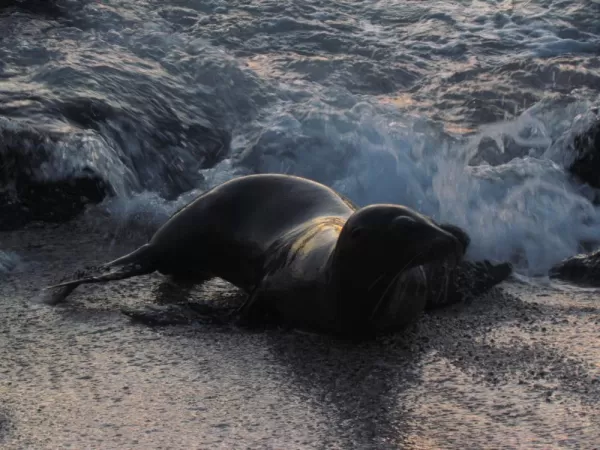
Ecuador’s weather is famously unpredictable; you can experience all four seasons in one day. While the country broadly has two main seasons, wet and dry, the climate shifts dramatically depending on where you are. Ecuador’s equatorial location stabilizes temperatures year-round, but geography from Pacific coastlines to high Andes peaks and lush Amazon rainforest creates distinct weather patterns region by region. On the mainland coast and Galápagos Islands, ocean currents shape climate. These regions tend to be warm and rainy from January to April, then cooler and drier through the rest of the year. In the Andes highlands, the dry season generally runs June through September and around December, while the rainy season between those periods is not intensely wet, especially in the central valleys where temperatures are spring-like throughout the year. The Amazon (Oriente) is consistently hot, humid, and rainy, with average daytime temperatures in the low 30s Celsius (mid-80s Fahrenheit) and slightly cooler nights. Expect rain and heat year-round, with increased wildlife activity often seen during wetter months. a surfing sea lion, San Cristobal (Stuart White)
Understanding the Climate of Ecuador
Ecuador’s position on the equator means little seasonal temperature variation compared with temperate countries. Geography divides Ecuador into distinct climate zones:
Tropical Pacific coast
Cool, “eternal spring” highlands of the Andes
Hot, humid Amazon
Moderate Galápagos Islands
This regional variation lets travelers plan trips that match their weather preferences, whether that is beach time, jungle exploration, or highland hiking.
How Altitude Affects the Weather in Ecuador
Altitude plays a major role in climate:
Coastal lowlands are warm and humid year-round, especially near cities like Guayaquil and beaches like Montañita.
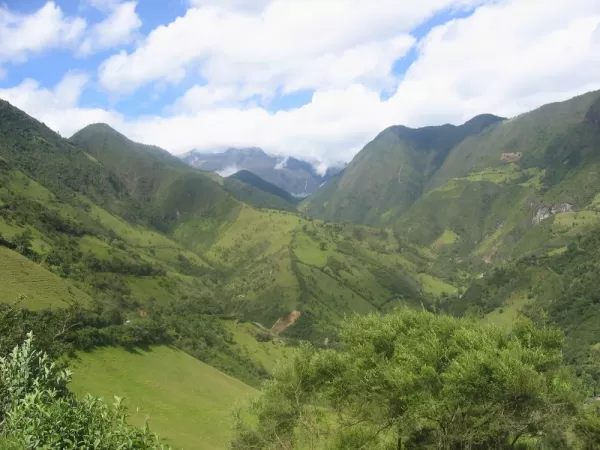
Andes highlands enjoy spring-like conditions most months, with mild days and cool nights. High elevations often feel chilly and may drop below freezing at very high passes.
Amazon rainforest stays hot and humid nearly every day, with frequent showers typical of tropical forests.
Galápagos Islands have their own microclimate influenced by ocean currents, with moderate temperatures and gentle breezes year-round.
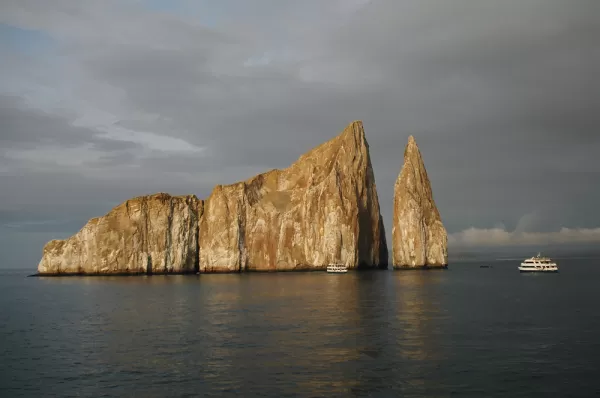
Cruising Leon Dormido on a tour of the Galapagos (DarAnne Dunning)
Warm, tropical, and humid. The coast is ideal for beach trips and ocean activities.
Best from December to May, generally dry and sunny, perfect for surfing, whale watching, and coastal tours.
Andes Mountains (Sierra) Weather
Mild days and cool nights throughout the year, especially in cities like Quito and Cuenca.
Rainy March through May brings lush green landscapes ideal for cultural exploration and waterfalls.
Dry June through September is considered the best month for hiking and trekking in the highlands.
Amazon Basin Climate
Hot and humid year-round, with rain common almost daily.
Heaviest rain March through July rises river levels, increasing wildlife activity.
Drier months see lower rivers, attracting animals to riverbanks and making wildlife sightings more frequent.
Galápagos Islands Weather
Warm/Wet December through May offers calm seas and great snorkeling conditions, especially around coral gardens and wildlife dens.
Cool/Dry June through November is excellent for spotting rich marine life and bird displays.
Wildlife can be seen year-round, and we feature Galápagos cruises that take advantage of both seasons.
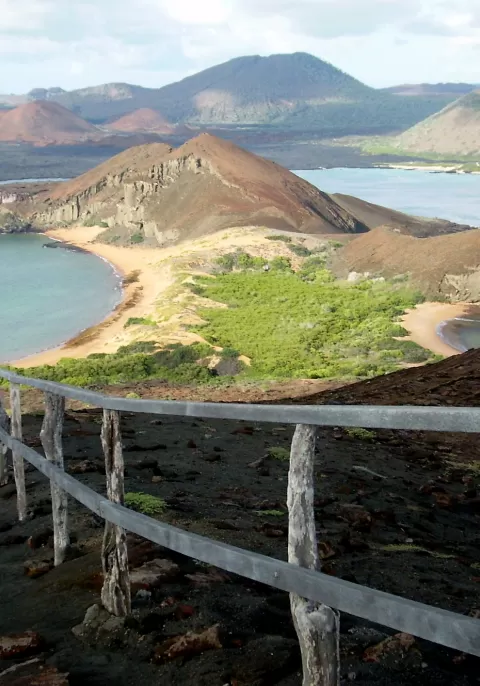
Hiking the Pahoehoe lava flow. (@wanderlicious)
When Is the Best Time to Visit Ecuador?
There is truly no bad time to visit Ecuador. It just depends on what you want to do:
Beach lovers: December through May for warmer coastal weather
Hikers and trekkers: June through September for cool, dry highlands
Wildlife enthusiasts: Year-round for Amazon and Galápagos experiences
Galápagos snorkeling and diving: December through May has calmer seas, while June through November brings nutrient-rich waters and active marine life
Because of Ecuador’s diverse regions, we often help travelers combine multiple climates in one trip — for example, Andes hiking, Amazon wildlife exploration, and Galápagos cruising in a single itinerary.
Packing Tips for Ecuador’s Diverse Climate
Layers are essential because temperatures can vary greatly from coast to highland.
Rain protection with a lightweight rain jacket and waterproof footwear is helpful in the Amazon and rainy highland months.
Sun protection is important; even on cloudy days, equatorial sun can be intense. Bring sunscreen, hats, and UV-protective clothing.
Comfortable walking shoes are useful for city streets, trails, and rainforest boardwalks.
Tip: Prepare for “four seasons in one trip” by packing versatile gear that handles both heat and chill.
Visit Ecuador's Sacha Lodge on a tour of the Amazon (DarAnne Dunning)
How We Help You Plan Around Ecuador’s Weather
At Adventure Life, we customize Ecuador adventures, including Amazon jungle lodges, Andes treks, and Galápagos cruises based on weather patterns and peak wildlife activity. We use on-the-ground expertise to suggest the best times for specific activities, ensuring your itinerary maximizes comfort and experience.
Whether you are planning a multi-region trip or focusing on one destination, we help tailor logistics, tours, and accommodations to match your preferred weather and seasonal highlights.
Quick Ecuador Weather Facts
Region
Avg Temp (°F)
Rainy Season
Best Travel Months
Coast
75–85
Jan–May
Dec–May
Andes
50–70
Mar–May
Jun–Sep
Amazon
75–90
Year-round
Aug–Nov
Galápagos
70–85
Dec–May
All year
This summary shows general regional patterns; specific weather can vary day to day.
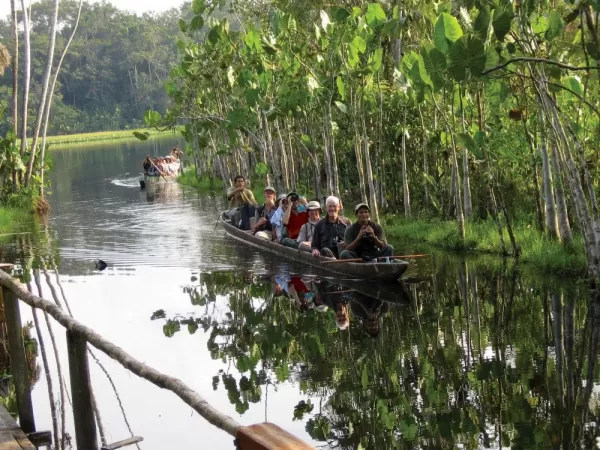
Wildlife watching in the Amazon in traditional dugout canoes
Frequently Asked Questions About Ecuador Weather
Q1: What is the weather of Ecuador like year-round?
A: Ecuador’s weather varies by region — tropical on the coast, spring-like in the Andes, humid in the Amazon, and moderate in the Galápagos. Q2: Is it cold in Ecuador despite being on the equator?
A: In the Andes highlands, nights can be cool, especially at higher elevations. Other regions tend to stay warm or mild. Q3: What is the best month to visit Ecuador?
A: June through September is ideal for dry highland weather; December through May is excellent for coastal and Galápagos travel. Q4: How does the weather affect Galápagos trips?
A: The warm season, December through May, has calmer seas and excellent snorkeling conditions, while the cool season, June through November, supports richer marine life and wildlife displays. Q5: What should I pack for Ecuador’s climate?
A: Layers, rain jacket, comfortable walking shoes, sun protection, and insect repellent cover most conditions across Ecuador’s climate zones.
Ready for your Ecuador Trip? Talk to our Trip Planners for a personalized Ecuador vacation.
Our team is waiting and ready to talk with you about your next adventure.
So go ahead and book an appointment with one of our specialized trip planners.
If you go to the Galápagos, ask for James Sanchez as your guide he was fantastic! Very nice and extremely knowledgeable
Bob
6 days ago
We have had excellent results when working with Adventure Life. We've just set up out third trip with them because the first two were great! Adventure Life has always listened, worked with us, and set up trips the way we've wanted. They've also found experiences we wouldn't have known about otherwise, that have been some of the highlights of the entire trip.
SA
1 month ago
Great! Erin was very responsive and helpful!
Leslie Aitchison
4 months ago
Erin was wonderful! Informative, friendly, knowledgeable. She gave us several options, listened to our concerns and requests and came up with a great itinerary.
Beth Hutter
6 months ago
The travel was seamless and the experiences were fantastic. Naturalists on all of the trips who were great teachers/guides. I would definitely use Adventure Life again. Very organized and efficient