Have questions? We're here.
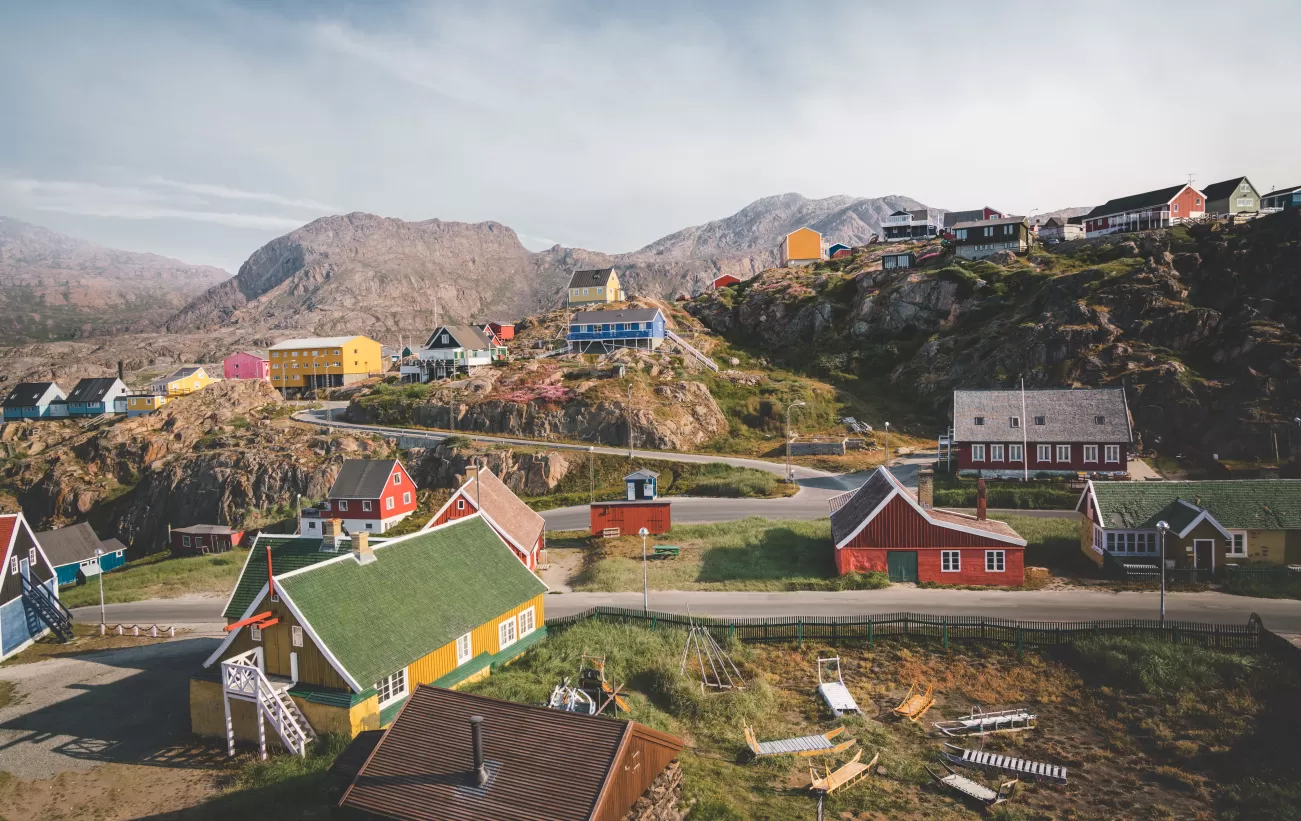
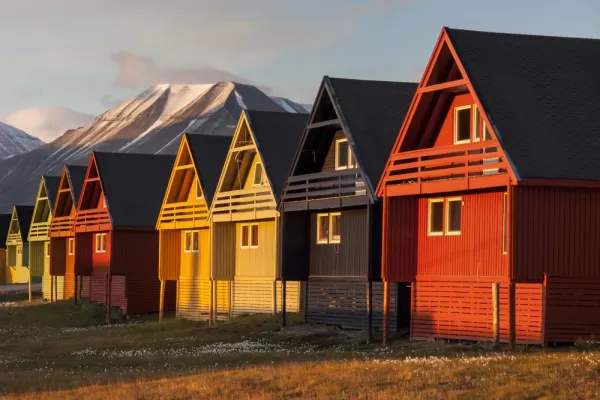
Colorful Sisimiut, Greenland

Far North Greenland Expedition Cruise

Roundtrip Kangerlussuaq - Example 14 Day Cruise aboard Ocean Albatros
Talk with an expert
Build your ideal Greenland trip. Call 1.406.541.2677
Start Planning My Trip
Embark on a 14-day expedition cruise roundtrip Kangerlussuaq aboard the Ocean Albatros. Begin the trip in Kangerlussuaq, Greenland's air hub, northward to Sisimiut and Qeqertarsuaq. Trace the footsteps of explorer Robert Peary to Cape York in pursuit of the North Pole. Explore Greenland's remote and icy Nares Strait, home to polar bears, bowhead whales, and narwhals. Travel southward to Qaanaaq, Greenland's northernmost town, and sail along the picturesque west coast to Upernavik, Uummannaq, and Ilulissat, housing the largest Northern Hemisphere glacier. Return to Kangerlussuaq, having traversed the mesmerizing extremes of Earth's largest island.
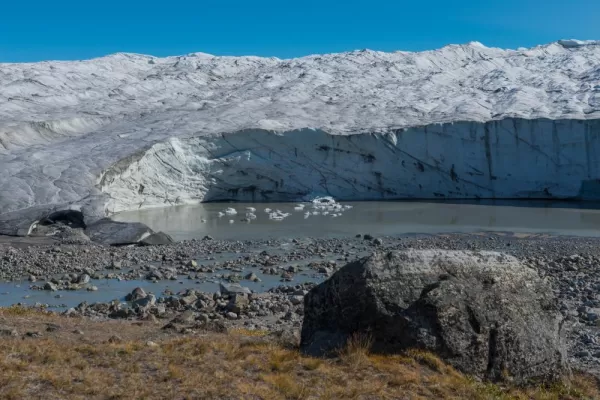
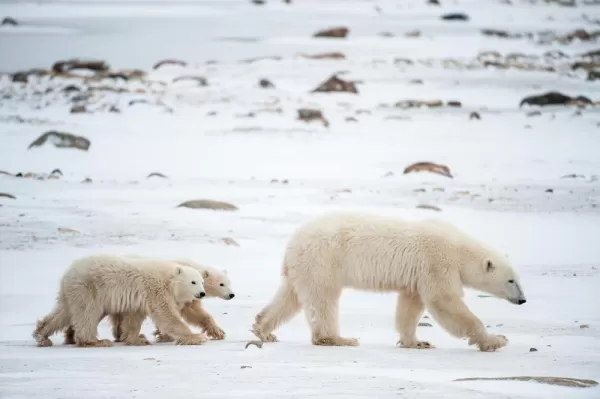
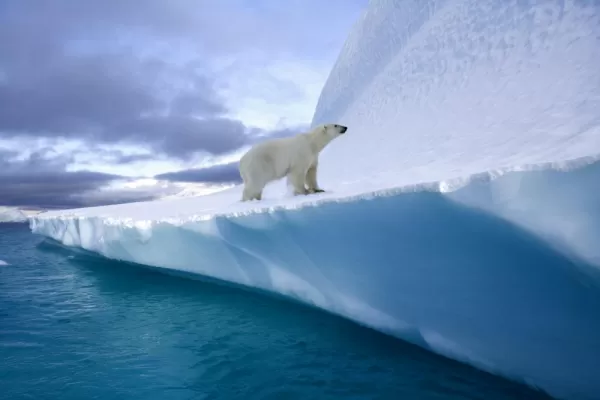
View of Reykjavik from the Church TowerAmazing blue water and ice in GreenlandThe edge of Greenland's ice capGet a close up view of the Greenland ice sheetExploring GreenlandA sow and her cubsA polar bear wanders onto an iceberg in GreenlandMidnight sun light, IlulissatColorful Sisimiut, Greenland
Highlights
  • Explore Greenlandic cities Sisimiut and Qeqertarsuaq, revealing their beauty
  • Venture north to Cape York, following in Robert Peary's footsteps
  • Discover Hans Island, a once-disputed territory in pristine polar waters
  • Encounter majestic polar bears, bowhead whales, and narwhals
Places Visited
Activity Level: Relaxed
Involves minimal physical effort and is typically associated with leisurely activities. Activities are low-intensity or last less than a few hours each day.
0

Full Itinerary

Expand All

Day 1: Fly to Kangerlussuaq | Embark

In the afternoon, travelers board the chartered flight in Reykjavik, Iceland, bound for Kangerlussuaq in Greenland.

Upon arrival at Kangerlussuaq (Søndre Strømfjord), travelers will be driven to the small port located west of the airport, where Ocean Albatros will be anchored offshore. Zodiacs will transfer us the short distance to the ship, where your stateroom awaits after check-in. After the mandatory safety drill, dine in comfort with spectacular views as you set sail through the 160-kilometer Kangerlussuaq Fjord.

Day 2: Sisimiut

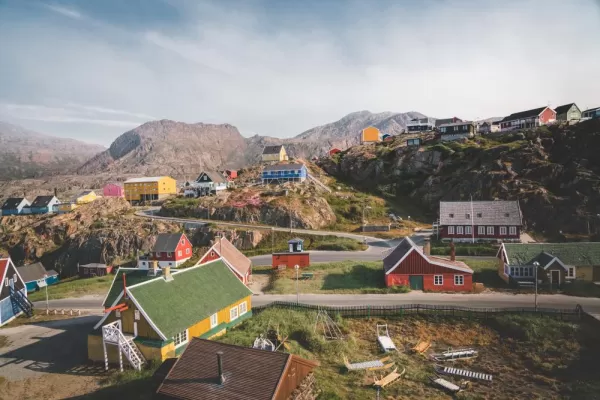
After breakfast, travelers arrive in the colorful city of Sisimiut, where they will get an idea of what modern Greenland really looks like. With around 5,400 inhabitants, it is considered Greenland’s second city. People have lived around Sisimiut on and off since 2,500 BC, arriving in waves of migration from Arctic Canada. In 1756, Count Johan Ludvig Holstein established a colony here and called it “Holsteinsborg”. The oldest part of Sisimiut features townhouses from this era and the oldest dates back to 1756. One of the most culturally significant buildings is the Blue Church, built in 1775, now a landmark in the city’s museum district.
 
Nowadays, Sisimiut is an important hub of education and industry, and local factories process the bulk of fish caught in the country (Greenland’s largest export). The fish processing plant is one of the largest in Greenland and among the most modern in the world. Highlights of the offered city tour can include the historic colonial quarter, as well as the museum and the beautiful church. Additionally, the busy city center offers a glimpse of what daily life is like in 21st-century Greenland, where seal hunts and smartphones collide. As evening falls, leave Sisimiut and set a course for the iceberg-studded waters of Disko Bay (Qeqertarsuup Tunua) as Ocean Albatros sails for Qeqertarsuaq. 

Day 3: Qeqertarsuaq, Disko Island

Nestled below Disko Island’s 1,000-metre mountains, pull into port in a beautifully sheltered natural harbor. The place was aptly named Godhavn (“Good Harbour”) in Danish, while its Greenlandic name “Qeqertarsuaq” simply means “The Big Island”. 

For most of Greenland’s modern history, Godhavn was the political and economic capital of North Greenland (while Godthåb, now Nuuk, served this role in South Greenland). Its importance was due to the vast economic activity generated by whaling in Disko Bay, the preeminent Arctic industry since the 16th Century. As the whaling industry collapsed in the early 1900s, Godhavn lost its political status as all government functions moved south to Godthåb/Nuuk, and the town was forced to reinvent itself, changing its name to Qeqertarsuaq in 1979. Today, hunting and fishing are the main industries in Qeqertarsuaq, while tourism is becoming increasingly important. Ferries arrive in the town daily in summer from around Disko Bay, while in winter, access is only by helicopter. 

Qeqertarsuaq’s sweeping red-and-black basalt mountains are radically different from the rolling granite hills which characterize much of Greenland and provide much richer soil. Despite being situated well above the Arctic Circle, this rich volcanic soil and the area’s mild microclimate make it much more green and lush compared to the rest of the country. Locals from all over Disko Bay come to the island in summer to hunt and collect angelica, herbs, and mushrooms, and the stunning rock formations and black sand beaches attract visitors from all over the world. The town itself is typically Greenlandic, with quaint multicolored homes, a splendid museum, and the unique octagonal church (built in the Norwegian stave style). With excellent hiking opportunities, friendly locals, and a fascinating place in regional history, Qeqertarsuaq has a lot to offer. From here, set sail towards Cape York, the traditional junction of North and West Greenland. 

Day 4: At Sea

Based on continually updated ice charts, the Captain sets as direct a course as possible towards Cape York. Although far from shore, days at sea are never dull; the ship is constantly followed by fulmars, skuas, and petrels surfing the air currents generated along the vessel. In the lecture hall, the Expedition Staff will offer a diverse program of lectures about Greenlandic nature, history, and culture.

While Melville Bay gains its English name from Robert Dundas, 2nd Viscount Melville (Admiral during the Napoleonic Wars), the Greenlandic name Qimusseriarsuaq, “the Great Dog Sledding Place” hints at the area’s traditional use as a vast winter hunting ground. The dangerously thick winter ice in the bay and the vast distances to the Danish colonies in the south meant that the Inughuit (Polar Inuit) people in this area believed they were the only humans on Earth until European contact in 1818. This remains one of the most remote and inhospitable parts of Greenland, accessible only during late summer.

Day 5: Cape York

Cape York is a rocky promontory traditionally used as the boundary between Melville Bay and the legendary Thule area. Surrounded by vast glaciers calving armadas of icebergs, the area is among the most spectacular in Greenland. The area has been utilized by waves of nomadic Inuit for thousands of years, the majority of whom came to harvest iron from the famous meteorite which fell onto the ice in the region approximately 10,000 years ago. Tools made from the meteorite were far superior to the stone and bone tools more often used by the Inuit, giving hunters in this region a serious edge. The name of the nearby settlement of Savissivik (“Place of Iron”) references the importance of this find, while the Greenlandic name for Cape York itself (meaning “Place of Beads”) indicates the importance of trade with outsiders over the meteorite. 

The access the local people had to iron confused early explorers in the area, who were surprised by Inughuit technological prowess. The first Westerners to find the meteorite were led by American explorer Robert Peary, who orchestrated the meteorite’s theft, removal to, and sale in the USA, making a vast profit for himself while devastating the lives of the Inuit who relied on it. His infamous presence in the area is commemorated by a large granite obelisk (marked with a P and a north-facing star) on the headland of Cape York itself. Fragments of the meteorite are on display in New York and Copenhagen, while a much smaller fragment is displayed at the small town museum in Qaanaaq. 

While the exact program in the area will be dictated by wind, ice, and swell conditions, options include Zodiac cruising at the edges of Melville Bay, where sea and land ice meet below the Peary Monument, or visiting the small settlement of Savissivik. 

Day 6-7: Nares Strait

Here, step off the edge of the map into the poorly known and rarely visited Nares Strait, the gateway to the Arctic Ocean. The Nares Strait is the narrow waterway separating Greenland and Ellesmere Island, Canada. Due to the powerful Beaufort Gyre in the Arctic Ocean, the strait experiences a near-constant north-to-south current, bringing sea ice into Melville Bay even during the height of summer. This situation is made even more complex by some of the largest glaciers in the Arctic (such as the vast Petermann Glacier), which regularly calve kilometer-long icebergs into the strait; indeed, access into the Arctic Ocean through the strait is impossible most years due to expansive sea ice north of Kane Basin. 

Despite the brutal conditions, the Nares Strait has been an important highway for the Inuit and their ancestors since time immemorial. All inhabitants of Greenland (excluding the Norse) arrived there by crossing this strait, either by dog sled in winter or by boat in the summer. Although the Norse never reached this far north, their artifacts have been found in the area, traded for by nomadic Inuit groups passing through the area (probably for prized walrus and narwhal ivory), hinting at these complex ancient trade networks. 

More recently, the Nares Strait has been the site of one of the world’s politest political disputes. Both Canada and Denmark (on behalf of Greenland) claimed the tiny barren Hans Island, which was discovered after the borders between the two countries were established here in 1972. While the dispute dragged on, Canadian vessels would visit and leave behind a flag and a bottle of Canadian Club, while Danish vessels would remove these, raise a Danish flag and leave a bottle of schnapps, giving the dispute its nickname “the Whisky War”. This situation remained unchanged for 50 years until June 14th, 2022, when the two countries agreed to divide the island equally, creating an unlikely and preposterously remote land border between Denmark and Canada. 
With abundant sea ice and a lack of human disturbance, Nares Strait is a haven for Arctic wildlife. Polar bears, narwhals, beluga, walrus, and a variety of whale species call these frigid waters home, while musk-ox and Arctic foxes are common on shore. In the air, expect to see flocks of tiny little auks, fulmars, and guillemots. 

Our precise itinerary during our days in the Nares Strait will be dictated by the prevailing wind and sea, and especially ice conditions. Opportunities to explore in the area may include access to Hans Island or other remote landing sites in the area, or Zodiac cruises to view the stunning scenery and any wildlife travelers may encounter. The Expedition Leader and Bridge Team will work hard to maximize opportunities for sightseeing and exploring in the area. 

Day 8: Qaanaaq

During the night, traverse back through Smith Sound at the entrance of the Nares Strait to arrive at Greenland’s northwest corner. Entering Inglefield Fjord, pass some of Greenland’s biggest bird cliffs and are again in inhabited areas. The Captain will drop anchor off Qaanaaq, the only town of any size in northwest Greenland. 

The last wave of Inuit migration from Canada reached this area only around 130 years ago, and the local language, fashions, and customs are therefore much more similar to those of Inuit in Northern Canada than their West Greenlandic neighbors. Europeans only encountered this group of Polar Inuit (the Inughuit) around 200 years ago, before which the Inughuit believed themselves the only humans on Earth. 

The town of Qaanaaq was founded in 1953 when the US Air Force constructed their new airbase at the nearby trading post of Thule. All Inuit living in the area were forcibly transferred to Qaanaaq, around 100km to the north. As a planned community, Qaanaaq lacks the organic feel of most Greenlandic towns, with neat houses laid out on regular streets, and centralized services near the beach. Today some 600 people live in Qaanaaq, which is supported twice weekly by Air Greenland flights from Ilulissat via Upernavik, and twice a year by cargo ship. Qaanaaq itself is the hub for the smaller settlements in the area, with regular helicopter flights to Siorapaluk and Savissivik. 

Despite its modern origins, Inughuit traditions hold strong in Qaanaaq. Arrival onshore is sure to be greeted by the howling of the hundreds of sled dogs, which are still preferred for winter transport to modern machinery. The Thule region lies close to the North Water Polynya, a section of water kept ice-free by wind and currents year-round, which is a magnet for wildlife; Qaanaamiut are known throughout Greenland for their hunting skill, and narwhal hunts are still carried out by kayak, continuing a millennia-old tradition. Life here moves at a different pace, dominated entirely by the flow of the seasons and the ever-changing Arctic weather. The locals in Qaanaaq are always welcoming to visitors, and rightly proud of their town and their ancient traditions; highlights include the local modernist church, and the tiny but perfectly formed museum, which houses a small fragment of the Cape York meteorite. 

Day 9: At Sea

Having left Qaanaaq in the evening, set sail southwards towards Upernavik Region. Melville Bay is frequently icy even in summer, so the Captain and Expedition Leader will work carefully to chart a course through this treacherous region. Despite its remoteness, Melville Bay is typically relatively sheltered and calm, allowing excellent wildlife-watching opportunities; whales, a huge variety of seabirds, and seals are all common in the area. 
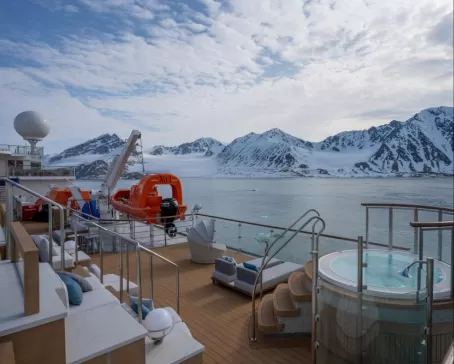
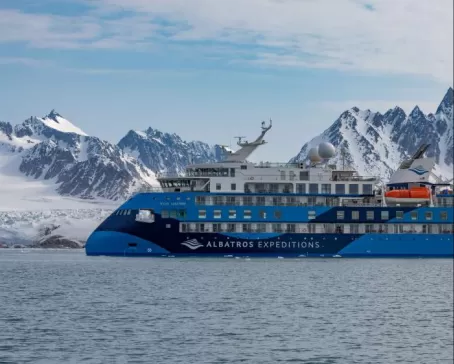
Otherwise, a day at sea is an ideal opportunity to enjoy the onboard amenities of Ocean Albatros. With her patented X-Bow® design, the Ocean Albatros offers superior comfort even in rough weather, and her onboard amenities include two hot tubs, a sauna, and a spa offering luxurious facials, massages, and other treatments. During our day at sea, our knowledgeable onboard Expedition Team will provide lectures on Arctic culture, natural history, and wildlife, as well as other activities. 

Day 10: Upernavik

While the Upernavik region of Greenland covers an area nearly the size of Great Britain, the town itself and the ten smaller settlements in the area total fewer than 3000 souls. Upernavik itself sits on a small island covered in rows of small multi-colored houses – the quintessential Greenlandic town. Upernavik translates optimistically from Kalaallisut as “Springtime Place”. The town is home to the world’s northernmost open-air museum, with well-preserved buildings, artifacts, and documents from the Danish colonial period. Today, Upernavik is a mix of the hunting culture of the old and the new wave of high-tech fishing and innovation. Dog sleds sit alongside snowmobiles, and kayaks bob in the harbor next to modern fiberglass boats with throbbing engines. 

The city itself was founded as a Danish colonial station in 1772, but Inuit history in the area back more than 4500 years to the groups of nomadic hunters traveling from Siberia along the coasts of Alaska, Canada, and ultimately Greenland. Anchor in front of the town and proceed shoreside to visit this small city; highlights include the open-air museum, the stunning views from the top of town, and shopping for locally produced artworks such as tupilaks. 

Leaving Upernavik behind in the evening, pass the darkly colored hills of Svartenhuk, keeping a lookout for the whales these waters are famous for en route to Uummannaq.

Day 11: Uummannaq

The small city of Uummannaq sits perched precariously at the foot of a massive mountain. Like the rest of the area, here the mountain reaches vertically out of the icy depths, punching 1170m into the clear blue sky. Uummannaq mountain (translated from Greenlandic as “heart-shaped”) is a true Greenlandic icon and is a mecca for climbers who visit from all over the world. The city itself occupies a small area of flatter ground at the foot of the mountain, founded by Danish colonists in 1763 – some of the original buildings from this era can still be visited in the harbor-front area. More recently, Uummannaq has become famous in Scandinavia as the home of Santa Claus – the small turf house belonging to the festive hero himself can be reached via a pleasant (if challenging) 2-3h hike out of town. 

As for many towns in Greenland however, the Inuit history of the area reaches back much further. At some point around the year 1600, a group of Inuit women and children died in the area (possibly in a boating accident). They were lovingly laid to rest in a rocky cairn under a cliff on the mainland overlooking Uummannaq at a site called Qilakitsoq, protected from the rain and snow, but exposed to the dry Arctic wind which mummified their bodies. They were rediscovered in 1972 by two brothers from Uummannaq (possibly on the advice of elders in Uummannaq, who had preserved rumors of the site for decades). The mummies were taken to Denmark for analysis before being returned to Greenland, where today they rest in the National Museum in Nuuk. The small museum in Uummannaq did not have the facilities to house such an important find, but several artifacts such as clothing from the archaeological site (as well as a plethora of finds from before, during and after the Qilakitsoq period) are displayed, along with a cabinet of curiosities from the city’s brief mining boom. 

Ensure you are on Ocean Albatros’ outer decks during the sail-out from Uummannaq – the deep clear blue iceberg-studded waters of the fjord and the dramatic vertical mountains around the city offer some of the best views in Greenland. With a calm microclimate and round-the-clock summer sunshine, not for nothing is this staggeringly beautiful area nicknamed the Greenlandic Riviera! 

Day 12: Ilulissat

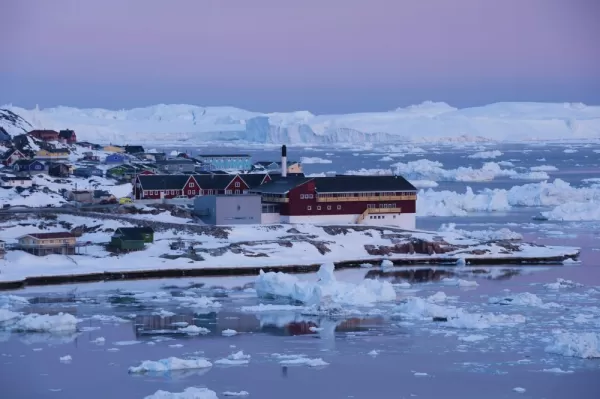
This is it. This is why visitors from all over the world come to Greenland. Translated from Kalaallisut simply as ‘icebergs’, Ilulissat has rightly known the world over as ‘the Iceberg Capital of the World’. Surely no other city on Earth occupies such a spectacular natural setting. 

Situated within a short walk of the harbor lies Ilulissat Icefjord, Greenland’s most famous site. Choked with city-sized icebergs so closely packed one could almost walk across to the other side, Ilulissat Icefjord stretches 70 km from its outlet in Disko Bay back to the Sermeq Kujalleq glacier. This is the single largest glacier on Earth outside Antarctica, draining 13% of the Greenland Ice Sheet, and producing 10% of all the ice in the Northern Hemisphere (enough water to supply the annual needs of the entire United States). These mind-blowing statistics, together with the indescribably beautiful scenery, have secured the Ilulissat Icefjord designation as a UNESCO World Heritage Site.

While archaeological finds detail the long Inuit habitation of the area, the modern town has steadily flourished in the 280 years since its establishment; legendary Arctic explorer, Knud Rasmussen was born in Ilulissat, and his childhood home now houses the city museum. Today, Ilulissat is Greenland’s third largest town, with more than 4,500 inhabitants, and is undoubtedly Greenland’s tourism capital, with more hotel rooms than even Nuuk. The city offers excellent amenities to visitors, with fresh locally caught seafood served in the city’s cafes and restaurants, and excellent shopping – look out, especially for the Artist’s Workshop above the harbor, where you can buy handmade artworks direct from the artist. The city typically experiences dry sunny weather throughout the summer, and there are a variety of well-marked hiking routes around the Icefjord, with options to suit all abilities. 

During the visit, you will have the opportunity to join a boat trip with a local captain to the Icefjord (optional excursion – charge applies). The journey takes about two and a half hours and is considered the best way to experience the magic of Ilulissat Icefjord up close. If a hike or a trip by boat does not present enough excitement, there is also an opportunity to join a flightseeing excursion in fixed-wing aircraft over the Icefjord (optional excursion – charge applies).

Please note the boat and flight excursions to the Ice Fjord are not included in the general tour price. Refer to Price Information for more details.

In the evening, cruise southward in front of the city-sized icebergs at the mouth of the Icefjord as travelers leave Disko Bay en route to Kangerlussuaq. 

Day 13: At Sea

Fulmars, auks, and guillemots will accompany us south as you approach Kangerlussuaq. Final day at sea offers the ideal opportunity to edit photos, share experiences with your fellow travelers, and reflect on experiences in the far reaches of the Arctic. 

Lecturers onboard will deliver inspiring and enriching presentations relevant to the voyage, and in the evening, join the Captain and officers of the Ocean Albatros for the Farewell Cocktail Party, followed by a slideshow with all the memories and highlights from the voyage made by the onboard Photographer. A copy of the photos and other media will be forwarded to all guests after departure. 

Day 14: Kangerlussuaq | Disembark | Fly to Reykjavik

  • 1 Breakfast
During the night, sail up the 160-kilometer/100-mile Kangerlussuaq Fjord. After breakfast aboard the ship, bid farewell to the ship's crew shuttling ashore by Zodiac.

Due to Kangerlussuaq’s military history and present-day role as an important air travel hub, Kangerlussuaq remains fairly isolated from Greenland’s rich cultural traditions, in comparison to other regions. While you still find cultural experiences when visiting Kangerlussuaq, the most impressive attraction is the surrounding nature, which is just beckoning to be explored. The town itself was largely constructed by the American military in the 1950s, and this small airport town has retained something of its Cold War atmosphere. Your Arctic adventure and time in Greenland conclude as travelers board the flight from Kangerlussuaq back to Reykjavik, Iceland.

Ship/Hotel

Ocean Albatros

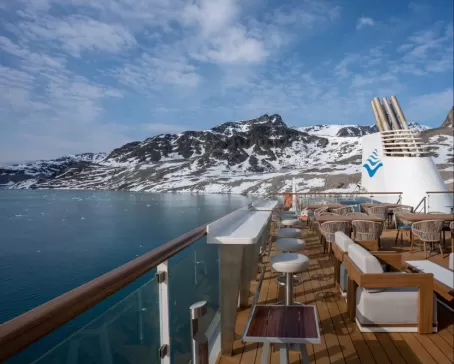
Ocean Albatros BBQ Deck
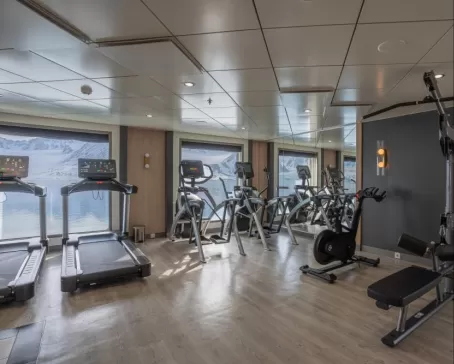
Ocean Albatros Fitness
Ocean Albatros Pool Deck

Dates & Prices

My Preferred Start Date

This itinerary is no longer available. For other trip ideas, please visit Greenland Tours & Cruises.
Ocean Albatros Cat GOcean Albatros Cat G
Category G
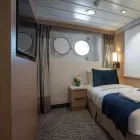
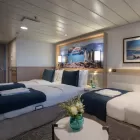
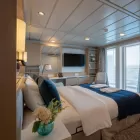
Single Stateroom (Porthole) - 14 m2 Standard single Stateroom onboard, located on deck 3. This is a conveniently located State Room close to the Mudroom which facilitates access to the Zodiacs during embarkation and disembarkation to begin your adventures.
Ocean Albatros Cat FOcean Albatros Cat F
Category F
Triple Stateroom (Porthole) - 22 m2 There are four Triple Staterooms on board Ocean Albatros featuring portholes, all with private en-suites. Located on Deck 3, they're close to the mudroom and loading platforms. Triple staterooms are normally with twin beds however a double bed can be accommodated.
Ocean Albatros Cat EOcean Albatros Cat E
Category E
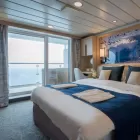
French Balcony Stateroom - 14 m2 The French Balcony Suite is a standard Stateroom with a French balcony, a double bed, floor-to-ceiling windows and a bathroom. All French Balcony Suites are located on Deck 7.
Ocean Albatros Cat DOcean Albatros Cat D
Category D
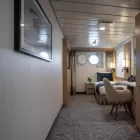
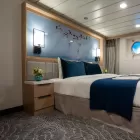
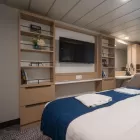
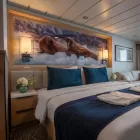
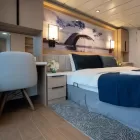
Albatros Stateroom (Porthole) - 13-22 m2 The State Rooms are located on deck 3 and 4. The State Rooms are perfect for those who wish a comfortable base during their stay onboard Ocean Albatros. The standard State Rooms all have a double bed or 2 single beds and a bathroom. All stateroom types contain a safety box, television, refrigerator, several 230 W power and USB outlets—additionally, bathrobes, slippers, toiletries (body wash, lotion, shampoo) and a hairdryer are also included.
Ocean Albatros Cat COcean Albatros Cat B Balcony
Category C
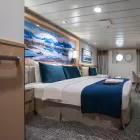
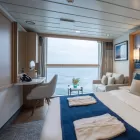
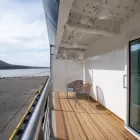
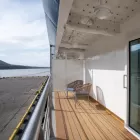
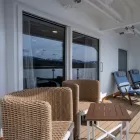
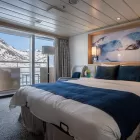
Balcony Stateroom - 18-22 m2 This type of Stateroom on Ocean Albatros is located on decks 4 & 6. They have a balcony, a double bed or two single beds, a bathroom. All stateroom types contain a safety box, television, refrigerator, several 230 W power and USB outlets—additionally, bathrobes, slippers, toiletries (body wash, lotion, shampoo) and a hairdryer are also included.
Ocean Albatros Cat COcean Albatros Cat C Balcony
Category Csp
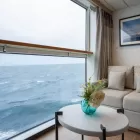
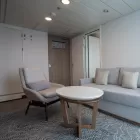
Superior Balcony Stateroom - app. 22-25 m2 The most abundant type of Stateroom on Ocean Albatros is located on decks 4 & 6. They have a balcony, a double bed or two single beds, a bathroom. The Superior Balcony Staterooms also include a seating area complete with a table and chair. Additionally, a select few of the Superior Balcony Staterooms are equipped with a sofa that can serve as a bed for a third occupant. If you prefer to book two staterooms with connecting doors, this is possible under this category upon request. All stateroom types contain a safety box, television, refrigerator, several 230 W power and USB outlets—additionally, bathrobes, slippers, toiletries (body wash, lotion, shampoo) and a hairdryer are also included.
Ocean Albatros Cat COcean Albatros Cat C Balcony
Category Cxl
Grand Balcony Stateroom - app. 25-30 m2 The Grand Balcony Staterooms are located on deck 4. They have a balcony, a double bed or two single beds, and a bathroom. All stateroom types contain a safety box, television, refrigerator, several 230 W power and USB outlets—additionally, bathrobes, slippers, toiletries (body wash, lotion, shampoo) and a hairdryer are also included.
Ocean Albatros Cat BOcean Albatros Cat B Balcony
Category B
Balcony Suite approximately - 30-32 m2 Ocean Albatros has 2 Balcony Suites on board located on deck 6. The suites feature double or twin beds and a work desk, bathroom, and a large balcony. The balcony suites can host 2 people. All stateroom types contain a safety box, television, refrigerator, several 230 W power and USB outlets—additionally, bathrobes, slippers, toiletries (body wash, lotion, shampoo) and a hairdryer are also included.
Ocean Albatros Cat AOcean Albatros Cat A Balcony
Category A
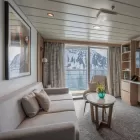
Junior suite - 36-39 m2 The 4 junior suites aboard Ocean Albatros have a great view from their location high up on the ship on deck 7. The suites feature a double bed or twin beds, sofa bed, seating area, a spacious bathroom and a private balcony. The suite can accommodate up to 3 people. All stateroom types contain a safety box, television, refrigerator, several 230 W power and USB outlets—additionally, bathrobes, slippers, toiletries (body wash, lotion, shampoo) and a hairdryer are also included.
Ocean Albatros Premium SuiteOcean Albatros Premium Suite
Premium Suite (Freydis Suite)
Premium suite - 45 m2 – FS (Freydis Suite) Located on deck 4. The second largest of all the staterooms on board the Ocean Albatros is the Premium Suite. This 2-bedroom suite features a double bed (or twin beds), a sofa bed, table and chair, a balcony and a spacious bathroom. All stateroom types contain a safety box, television, refrigerator, several 230 W power and USB outlets—additionally, bathrobes, slippers, toiletries (body wash, lotion, shampoo) and a hairdryer are also included. This category is available upon request. Please refer to Albatros Expeditions for price.
Ocean Albatros Family SuiteOcean Albatros Family Suite
Family Suite (Brynhilde Suite)
Family suite - 52 m2 – BS (Brynhilde Suite) The Double-Bedroom, Family Suite is located on Deck 7, accommodating up to 4 people on two double beds and a sofa bed. The largest of all the staterooms on board the Ocean Albatros is the Family Suite. All stateroom types contain a safety box, television, refrigerator, several 230 W power and USB outlets—additionally, bathrobes, slippers, toiletries (body wash, lotion, shampoo) and a hairdryer are also included. This category is available upon request. Please refer to Albatros Expeditions for price.

Notes

Kayaking activities available on both Arctic and Antarctic voyages. 
Although kayaking opportunities are possible in most locations during each excursion in the Antarctic region, weather, sea, and ice conditions will dictate the when and where to ensure your safety and improve your experience.
In order to sign up for this activity, you need to have previous kayaking experience and attend a mandatory safety briefing by the Kayak Master. The cost is $345/person per outing and it can only be booked onboard.

Possible shared staterooms for same-gender, single travelers: Category C (Balcony Stateroom) and Category F (Triple Porthole Stateroom)
Included
  • 13 Breakfasts, 12 Lunches, 13 Dinners
  • 13 Nights Accommodations
  • Accommodations as listed
  • Ground transportation as listed
  • Activities as listed
  • Meals as listed
  • Access to a 24-7 Emergency line while traveling
  • Welcome and Farewell Cocktails   
  • Digital visual journal link after voyage, including voyage log, gallery, species list and more.
  • English-speaking expedition team
  • Information briefings and lectures by expedition team
  • Parkas (to keep, applicable for Antarctica voyages only) and Boots in assorted sizes, suitable for shore landings.
  • Special photo workshop
  • Transfer to/from Kangerlussuaq Port 
  • Free coffee, tea, and afternoon snacks on the ship
  • Nature hikes and Zodiac cruises per itinerary
  • Charter flight Copenhagen/Reykjavik to Kangerlussuaq, and Kangerlussuaq to Reykjavik/Copenhagen
  • In-port town and settlement walks with the Expedition Team
  • Taxes, tariffs and AECO fees
Excluded
  • Gratuities
  • Travel Insurance
  • Personal Expenses
  • Flight costs (please request a quote)
  • Additional excursions during free time
  • Beverages (other than coffee and tea)
  • Anything not mentioned under 'inclusions'
  • Extra excursions and activities not mentioned in the itinerary
  • Meals not on board the ship
  • Emergency Evacuation insurance of at least $200,000 per passenger is required. Please bring a copy of your insurance onboard.
  • Tips for the crew (we recommend USD 16 per person per day)

Map

Inquire

* By providing your phone number, you consent to receive direct phone calls or SMS messages from our Trip Planners to get the process started. We do not share your information with third-parties.
Change & customize to make it yours.
Travel Agents

We Love to Talk Travel

Call 1.800.344.6118
or
Chat Now
Everything was amazing! The planning with Adventure Life went smoothly. The actual trip was fantastic! One of the best trips I have experienced. The cruise staff members were knowledgeable and attentive. I will be writing more about this on the blog!
Justin Chappelle
More Reasons

Why Travel With Adventure Life

All News

Recognized By

Greenland Travel Guide

Top Greenland Travel Destinations

Greenland Trips by Departure Date

Top Experiences in Greenland

Greenland Trips by Duration

Greenland Trips by Activity