Have questions? We're here.
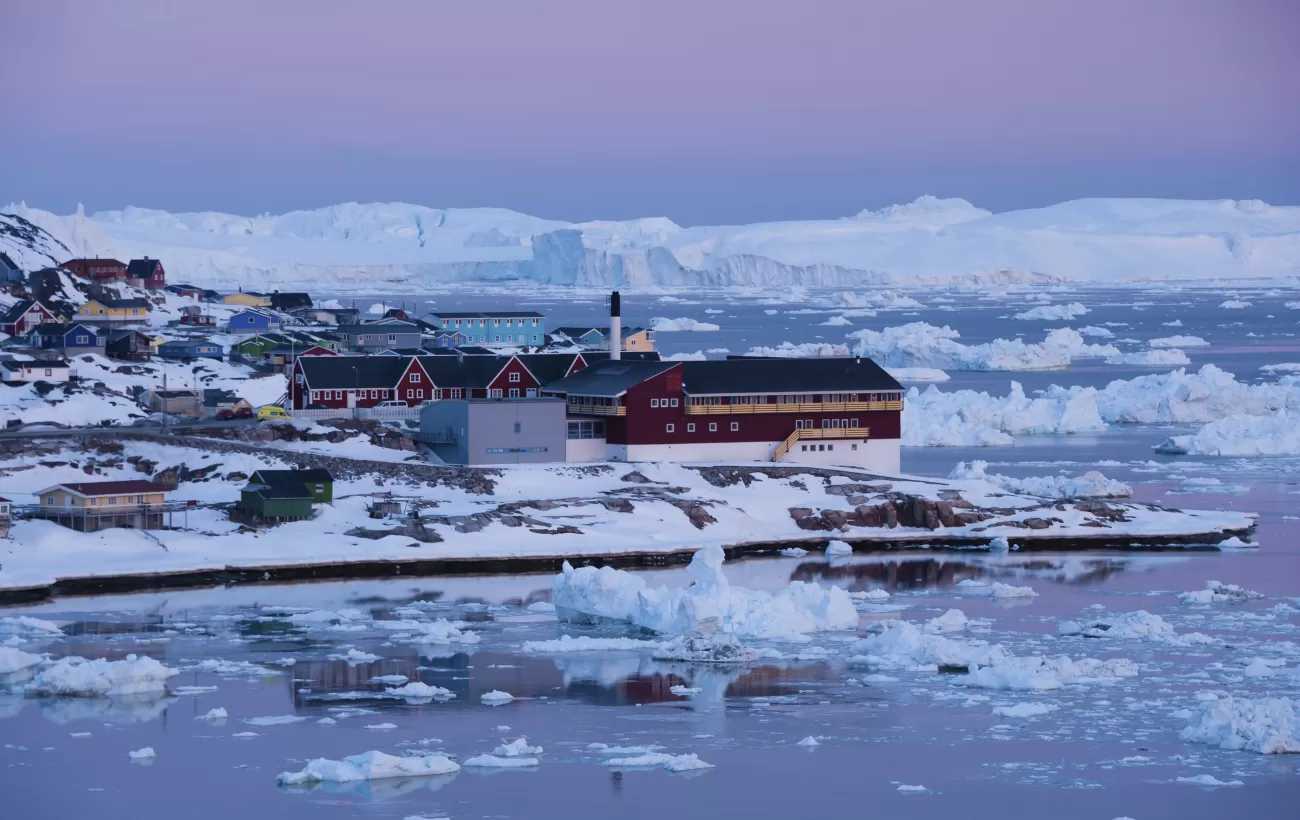
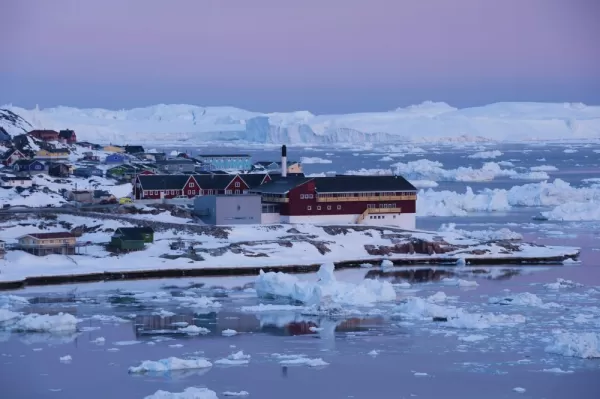
Midnight sun light, Ilulissat

Into the Northwest Passage

Kangerlussuaq - Kugluktuk - Example 17 Day Cruise aboard Ocean Victory
Talk with an expert
Build your ideal Greenland trip. Call 1.406.541.2677
Start Planning My Trip
Embark on a 17-day expedition from Kangerlussuaq, Greenland, to Kugluktuk, Canada, aboard Ocean Victory. Visit Ilulissat Icefjord, western Greenland fjords, and Inuit communities along the coast. Explore Tallurutiup Imanga (Lancaster Sound) and Devon Island’s tundra, step ashore at Beechey Island to witness Arctic exploration history, and navigate Bellot Strait. Discover Cambridge Bay and the Kitikmeot Region’s wildlife, landscapes, and culture. Travel with Inuit guides, observe whales and seabirds, and experience the Arctic’s unique natural and cultural heritage.
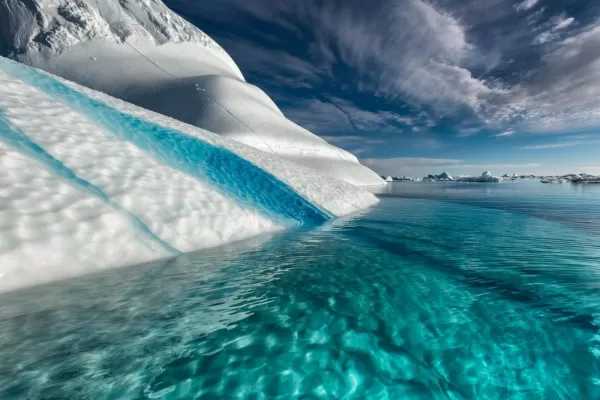
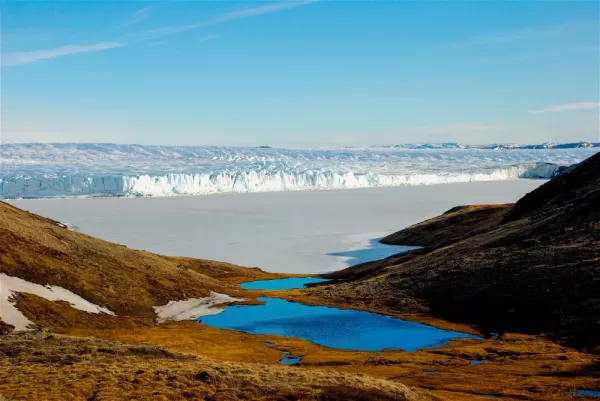
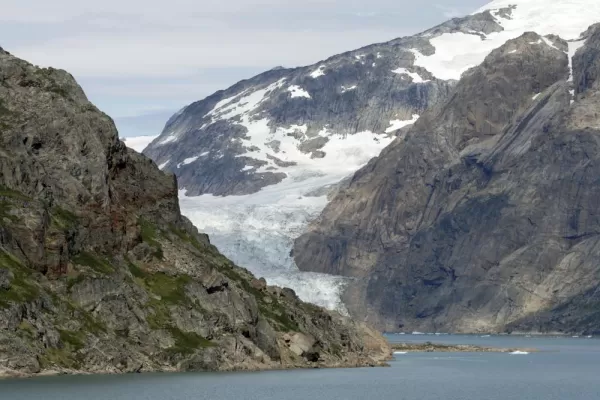
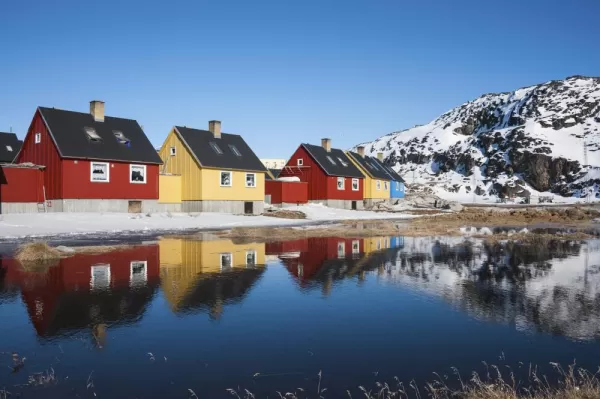
Amazing blue water and ice in GreenlandThe edge of Greenland's ice capView of a glacier in GreenlandReflection of colorful houses in GreenlandMidnight sun light, Ilulissat
Highlights
  • Walk the UNESCO-listed Ilulissat Icefjord and view massive glaciers
  • Observe narwhals, belugas, and seabirds in Lancaster Sound waters
  • Visit Devon Island’s tundra and discover traces of ancient life
  • Step ashore at Beechey Island and learn Arctic exploration history
Places Visited
Activity Level: Variable
Activity options vary depending on destination and operator. Activity level is determined by the range and intensity of activities you choose to participate in. Discuss with your Trip Planner which options are best for you.
0

Full Itinerary

Expand All

Day 1: Kangerlussuaq, Greenland | Embark

The itinerary begins in Kangerlussuaq, a broad glacial valley on Greenland’s western coast that once hosted a U.S. Air Force base. After a charter flight from Toronto, Zodiacs transfer passengers to an ice-class expedition vessel that serves as the main accommodation for the trip.

The route heads southwest through Kangerlussuaq Fjord, one of the longest fjords in the world. The landscape features ice, rock, and open water. Glacial tongues extend into the valleys, and their meltwater gives the shallows a pale turquoise color. Mountains rise from the calm water as the ship crosses the Arctic Circle and continues toward the open sea.

Day 2-3: Sisimiut Coast

The Sisimiut coast shows the varied geography of western Greenland, with islands, fjords, and small communities set against mountain outlines. Zodiacs follow the shoreline, and hikers can access higher ground for wider views. The area carries the scent of salt and tundra vegetation, and the sea produces a steady sound.

This region holds evidence of the Saqqaq, Dorset, and Thule peoples, who lived and traveled here for more than 4,500 years. Their presence remains visible in archaeological traces and in present-day traditions shared by local Inuit. The West Greenland Current brings relatively warm water to the area, influencing the local climate and seasonal patterns.

Day 4: Ilulissat

At Ilulissat Icefjord, a UNESCO World Heritage Site, the world distills to ice and light. The vast Sermeq Kujalleq glacier sends its creations—crystalline cathedrals of blue and white—into Disko Bay, where they drift, groan, and fracture. Ilulissat means “iceberg,” and here the name feels earned. 

Walk the boardwalk above the fjord as thunder echoes from the ice below. Visit the Icefjord Centre to trace the stories held within this landscape: scientific, cultural, and deeply human. In town, wander through museums, cafés, and craft shops alive with color and conversation—a vibrant contrast to the hushed immensity of the ice itself.

Day 5: Western Greenland

Along Greenland’s western coast, fjords open like mirrors between mountain and cloud. The tundra rises in gentle folds—moss, stone, and the bright trace of late-summer flowers. From the ship or by Zodiac, you explore sheltered bays and narrow inlets, watching as weather and light shape the day. 

Where conditions allow, you step ashore to walk the tundra, guided by Inuit expedition team members who share stories of the plants, animals, and ancestral presence that knit this landscape together. Every encounter—whether with the quiet rhythm of waves on rock or the sudden lift of a seabird—becomes a lesson in attention. 

As you sail westward, Greenland falls behind and Baffin Bay opens ahead. The sea stretches to the horizon, vast and still, carrying you toward the Canadian Arctic and the next chapter of the passage.

Day 6: At Sea — Davis Strait

Between Greenland and Baffin Island lies Davis Strait, a vast expanse where ocean and ice mingle in a dance of shifting light. The ship glides through open water, the horizon moving gently with each breath of wind. This is a day for pleasure as much as discovery—for letting the rhythm of the sea relax the mind, for feeling joy in the quiet act of watching and listening. Here, learning unfolds not as effort, but as delight. 

From the decks, scan for minke and humpback whales, their sleek backs cutting the surface before vanishing again. Fulmars and kittiwakes wheel above the ship, while murres and dovekies gather on the water in small, dark rafts, rising and dipping with the swell. Inside, join workshops and presentations that deepen understanding of the Arctic’s ecology, culture, and story. 

Here, in the heart of Inuit Nunangat, learn directly from Inuit educators and cultural ambassadors. Through shared games, food, and conversation, they offer insight into daily life and the enduring relationship between people and place. Knowledge, like the sea itself, flows in every direction—connecting past and present, traveller and host.

Day 7-9: Tallurutiup Imanga (Lancaster Sound) and Devon Island, NU, Canada

You enter Tallurutiup Imanga, the great inlet known to many as Lancaster Sound—a place where rare Arctic wildlife concentrates. Glaciers feed the cold, clear water; tides carry nutrients that sustain the region’s intricate web of life. Narwhal, beluga, and bowhead whales move through the channels, while fulmars, kittiwakes, and ivory gulls wheel above the cliffs. 

Travelling by ship and Zodiac, you explore these protected waters, guided by naturalists and Inuit expedition team members who share how this vast marine environment has sustained Inuit and their ancestors for millennia. Their deep knowledge continues to shape how Tallurutiup Imanga is cared for today, ensuring the rhythms of the sea endure for generations to come. 

To the north lies Devon Island, the largest uninhabited island on Earth—its tundra carved by ice, wind, and time. Hiking across gravel plains and glacial valleys, you find traces of ancient dwellings and the resilient plants that color this austere landscape: purple saxifrage, Arctic willow, moss campion. Here, stillness is its own story.

Day 10: Beechey Island

At Beechey Island, history lies close to the surface. In 1845, Sir John Franklin set out from England aboard HMS Erebus and HMS Terror, seeking a navigable route through the Northwest Passage. His crew overwintered here, where three men died and were laid to rest on the stony shore. 

In the years that followed, Beechey became a landmark for the searchers who came after—Amundsen, Bernier, Larsen, and many more. Supplies were cached, ships anchored, and in 1854 another grave was added: Thomas Morgan, of the HMS Investigator, buried beside Franklin’s men. The remains of Northumberland House, a rough stone depot, still stand as witness to those long years of searching and loss. 

For Inuit, the story of Franklin has long been part of the living memory of the land. Their knowledge of routes, ice, and survival helped reveal the fate of the expedition—understanding carried not by charts, but by experience. To walk among these graves today is to feel that confluence of history and knowing, and the vastness that holds them both.

Day 11: Ikirahaq (Bellot Strait)

You reach Ikirahaq, known to many as Bellot Strait—a narrow, two-kilometre channel where the currents of the western and eastern Arctic converge. Threading between Somerset Island and the Boothia Peninsula, it marks the northernmost point of continental North America. The currents here are swift and precise, changing direction with the breathing of the tides. 

From the deck, granite walls rise close on either side, streaked with snow and shadow. Beluga whales, narwhals, and seals might surface in the swirling water; seabirds flock to feed on the small creatures swept through by the currents.  

For Inuit, Ikirahaq has long been a place of passage and gathering, known for its moving ice and the life that travels with it. In the 1850s, Joseph René Bellot, a French naval officer, joined the search for Franklin and lent his name to the strait—though its story runs far deeper than any map. 

To pass through Ikirahaq is to feel that meeting of worlds: east and west, land and sea, past and present. The water quickens beneath the hull, and the voyage turns once more toward the heart of the Passage.

Day 12-15: Kitikmeot Region

You sail west into the Kitikmeot Region, the heart of the Northwest Passage. Sea ice drifts in quiet mosaics; the coastline unfolds in muted browns and silver blues. Though sparsely populated, these lands and waters hold life—muskoxen and caribou on the tundra, seals and whales in the shifting sea. 

This is the setting of many historic journeys. Roald Amundsen overwintered nearby for two years while completing the first full transit of the Passage. His success rested on knowledge learned from Inuit—skills of survival and navigation born of generations living with ice and weather. 

Each day brings new light and new waters. You move steadily westward, carried by the rhythm of the sea and the enduring presence of those who know it best.

Day 16: Iqaluktuuttiaq (Cambridge Bay)

You arrive at Iqaluktuuttiaq, or Cambridge Bay, a welcoming community on the southern coast of Victoria Island. Its name—“place of many fish”—speaks to the abundance that has long sustained life here. 

Join a guided tour to learn about daily life in the Kitikmeot Region, where tradition and innovation meet. Visit the Canadian High Arctic Research Station (CHARS), a state-of-the-art facility operated by Polar Knowledge Canada, dedicated to studying Arctic ecosystems and climate through collaboration between science and Indigenous knowledge. 

Explore local arts and crafts—carvings, prints, beadwork—each carrying stories of skill, connection, and endurance. As evening light settles over the tundra, the sea glows with the last warmth of summer, and the voyage begins to turn toward home.

Day 17: Kugluktuk (Coppermine), NU, Canada | Disembark

  • 1 Breakfast
Your voyage ends at Kugluktuk, the westernmost community in Nunavut, where the Coppermine River meets the sea. Its Inuinnaqtun name means “place of moving waters,” a fitting farewell after weeks spent following the rhythms of ice and tide. 

Step ashore to explore this warm and welcoming community, known for its artistry and deep connection to the surrounding land. Here, stories flow as steadily as the river itself—threads of history, language, and belonging carried forward through generations. 

Depending on sea, ice, and weather conditions, Iqaluktuuttiaq (Cambridge Bay) may serve as an alternate disembarkation point. From either location, guests board a charter flight to Yellowknife, Northwest Territories, marking the final leg of the journey south. 

In the soft northern light, you say goodbye to shipmates and newfound friends, carrying with you the quiet understanding that the Arctic does not end—it continues to move, to teach, and to remind.

Ship/Hotel

Ocean Victory

Mud Room
Knud Rasmussen Library
Observation Lounge

Dates & Prices

My Preferred Start Date

Per person starting at
$18,995 2-3 travelers
Triple Cabin
Triple Cabin - Category 1
The cabin measures approximately 194–237 square feet (18–22 m²) and features a porthole window. Furnished with two twin beds or a double bed, plus a sofa bed, and a private bathroom with a shower. Amenities include Wi-Fi, television, several 230V outlets and USB ports, and a desk with a chair for convenience.
Albatros Cabin
Albatros Cabin - Category 2 (Deck 3)
The cabin measures approximately 140–237 square feet (13–22 m²) and features a porthole window. Furnished with a double bed or two single beds, and a private bathroom with a shower. Amenities include Wi-Fi, television, several 230V outlets and USB ports, and a desk with a chair for convenience.
French Balcony Cabin
French Balcony Cabin - Category 3
The cabin measures approximately 151 square feet (14 m²) and features floor-to-ceiling windows and a French-style balcony. Furnished with a queen-size bed and a private bathroom with a shower. Additional amenities include Wi-Fi, television, several 230V outlets and USB ports, and a desk with a chair for convenience.
Balcony Cabin
Balcony Cabin - Category 4 (Deck 6)
The cabins measure approximately 194–237 square feet (18–22 m²) and feature a private balcony. Furnished with a double bed or twin beds and a bathroom with a shower. Additional amenities include Wi-Fi, television, several 230V outlets and USB ports, and a desk with a chair for convenience.
Balcony Cabin
Balcony Cabin - Category 4 (Deck 4)
The cabins measure approximately 194–237 square feet (18–22 m²) and feature a private balcony. Furnished with a double bed or twin beds and a bathroom with a shower. Additional amenities include Wi-Fi, television, several 230V outlets and USB ports, and a desk with a chair for convenience.
Superior Balcony Cabin
Superior Balcony Cabin - Category 5 (Deck 6)
The cabin measures approximately 237–269 square feet (22–25 m²) and features a private balcony. Accommodations include a double bed or twin beds, a bathroom with a shower, and a seating area with sofa, table, and chair. Additional amenities include Wi-Fi, television, several 230V outlets, and USB ports.
Superior Balcony Cabin
Superior Balcony Cabin - Category 5 (Deck 4)
The cabin measures approximately 237–269 square feet (22–25 m²) and features a private balcony. Accommodations include a double bed or twin beds, a bathroom with a shower, and a seating area with sofa, table, and chair. Additional amenities include Wi-Fi, television, several 230V outlets, and USB ports.
Grand Balcony Cabin
Grand Balcony Cabin - Category 6
The cabin measures approximately 269–323 square feet (25–30 m²) and features a private balcony. Furnished with a double bed or two single beds and a bathroom with a shower, they offer a spacious and comfortable stay. Amenities include Wi-Fi, television, several 230V outlets and USB ports, and a desk with a chair for convenience.
Balcony Suite
Balcony Suite - Category 7
The cabin measures approximately 280–344 square feet (26–32 m²) and features a large private balcony. Accommodations include a double bed or twin beds and a bathroom with a shower. Additional amenities include Wi-Fi, television, several 230V outlets and USB ports, and a desk with a chair for convenience.
Junior Suite
Junior Suite - Category 8
The cabin measures approximately 388 square feet (36 m²) and features a private balcony. Designed with a double bed or twin beds, a spacious bathroom with a shower, and a sitting area with sofa bed, they provide added comfort. Amenities include Wi-Fi, television, several 230V outlets and USB ports, and a desk with a chair for convenience.
Premium Suite
Premium Suite - Category 9
The suite measures approximately 452 square feet (42 m²) and features a private balcony. Furnished with a double bed or twin beds, a spacious bathroom with a shower, and a sitting area with sofa bed. Amenities include Wi-Fi, television, several 230V outlets and USB ports, and a desk with a chair for convenience.
Single Cabin
Single Cabin - Category A
The cabin measures approximately 151 square feet (14 m²) and features a porthole window. Designed with a double bed and a bathroom with a shower, they provide a cozy retreat. Amenities include Wi-Fi, television, several 230V outlets and USB ports, and a desk with a chair for convenience.
French Balcony Cabin
Albatros Cabin - Category B
The cabin measures approximately 151 square feet (14 m²) and features floor-to-ceiling windows. Furnished with a French-style balcony and a queen-size bed, and a private bathroom with a shower. Amenities include Wi-Fi, television, several 230V outlets and USB ports, and a desk with a chair for convenience.
Included
  • 16 Breakfasts, 15 Lunches, 16 Dinners
  • 16 Nights Accommodations
  • Accommodations as listed
  • Ground transportation as listed
  • Activities as listed
  • Meals as listed
  • Access to a 24-7 Emergency line while traveling
  • Port Fees
  • Complimentary Expedition Jacket
  • Pre-departure materials
  • Educational program
  • Applicable taxes and credit card fees
  • Guided activities
  • Sightseeing and community visits
  • Interactive workshops
  • Evening entertainment
  • All shipboard meals
  • Special access permits, entry, and park fees
  • Expert expedition team
  • All Zodiac excursions
  • Complimentary wine, beer, and soft drinks are served with dinner
  • Wi-Fi access (basic service included)
Excluded
  • Gratuities
  • Travel Insurance
  • Personal Expenses
  • Flight costs (please request a quote)
  • Additional excursions during free time
  • Fuel and transportation surcharges (when applicable)
  • It is mandatory to have emergency evacuation and medical insurance to travel with Adventure Canada. It is recommended to obtain a basic minimum coverage of $500,000 on all cruises.
  • Commercial and charter flights
  • Program enhancements/optional excursions (Must be pre-booked)
  • Additional expenses in the event of delays or itinerary changes
  • Mandatory medical evacuation insurance
  • Possible fuel surcharges and administrative fees
  • Pre- and post-trip hotel accommodation
  • Kayak program
  • Premium internet access available at an additional cost

Map

Inquire

* By providing your phone number, you consent to receive direct phone calls or SMS messages from our Trip Planners to get the process started. We do not share your information with third-parties.
Change & customize to make it yours.
Travel Agents

We Love to Talk Travel

Call 1.800.344.6118
or
Chat Now
Our guide and driver were very good with their knowledge and were very helpful with our questions. It was a very pleasant visit that would have been impossible to do on our own. Hotels and restaurants were fantastic. The special places we got to go to, like the kitchens, were great. Enjoyed the entire trip!
Meyer Smolen

Greenland Travel Guide

Top Greenland Travel Destinations

Greenland Trips by Departure Date

Top Experiences in Greenland

Greenland Trips by Duration

Greenland Trips by Activity

More Reasons

Why Travel With Adventure Life

All News

Recognized By