India Weather & Travel Seasons
October to March, Best Overall Time to Visit India
For most travelers, October through March is the best time to visit India. Temperatures are cooler and more comfortable across much of the country, making this the ideal season for sightseeing, wildlife viewing, luxury train journeys, and cultural exploration.
National parks reopen in October after the monsoon season, and destinations like Rajasthan, Agra, Varanasi, Kerala, and Mumbai experience pleasant daytime temperatures and lower humidity.
This is also India’s busiest tourism season, particularly from late November through February. Travelers should expect:
- higher hotel rates
- limited luxury availability
- crowded holiday periods around Christmas and New Year’s
Despite the crowds, this season offers the most reliable weather conditions for first-time visitors.
April to May, Best Time for Wildlife & Tiger Safaris
April and May are among the hottest months in India, but they are also some of the best months for wildlife viewing.
As temperatures rise and water sources become limited, wildlife gathers near rivers and watering holes, creating exceptional opportunities for tiger sightings in India’s national parks.
Top Tiger Safari destinations are: Ranthambore National Park, Bandhavgarh National Park, Kanha National Park and Pench National Park. Excellent wildlife viewing is also possible in October through February.
Travelers should expect:
- daytime temperatures frequently above 100°F (38°C)
- dry conditions
- intense midday heat
While sightseeing in cities can be challenging during this season, wildlife enthusiasts are often rewarded with incredible safari experiences and fewer tourists.
Some hotels also begin offering reduced off-season pricing in late April and May. See
India Wildlife Safari Tours.
June to September, Monsoon Season
India’s monsoon season typically runs from June through September and brings heavy rainfall to many parts of the country.
The monsoon transforms landscapes into lush green scenery, particularly in Kerala and the Western Ghats, but it can also create:
- transportation delays
- flooding
- humidity
- disrupted travel schedules in some regions
Many national parks close during this period, especially from July through September.
While monsoon travel requires more flexibility, it can also be a beautiful time to visit for travelers seeking:
- dramatic scenery
- fewer crowds
- lower pricing
- wellness retreats and Ayurveda experiences in Kerala
Best Time to Visit India by Month
January
January is one of the coolest and most popular months to visit India. Rajasthan, the Taj Mahal, Kerala, and central India all experience comfortable temperatures ideal for sightseeing and wildlife viewing.
Expect peak season pricing and strong demand for hotels and internal flights.
February
February offers excellent weather across most of India, with warm sunny days and cool evenings. Wildlife viewing remains strong, and cultural destinations are comfortable without the intense heat of later spring.
This is one of the best all-around months for first-time travelers.
March
Temperatures begin rising in northern India during March, but conditions remain pleasant in many regions. This is an excellent time for wildlife safaris, photography, and fewer crowds before the hotter summer months begin.
April
April brings very hot temperatures across much of India, particularly in Rajasthan and central India. However, this is one of the best months for tiger sightings as animals gather around shrinking water sources.
Travelers should prioritize early morning activities and accommodations with air conditioning.
May
May is extremely hot across much of India, but it marks the beginning of the travel season in Ladakh and the higher Himalayas. Wildlife viewing remains excellent in national parks before many close for monsoon season.
June
Monsoon rains begin arriving across much of India in June. Temperatures cool slightly, but humidity increases significantly in many regions.
Travelers visiting during this period should expect occasional transportation delays and changing weather conditions.
July
July is one of the wettest months in India. National parks are generally closed, but Kerala and the Western Ghats become exceptionally green and beautiful during this season.
This can be an excellent time for wellness-focused travel and fewer crowds.
August
August remains rainy across much of India, though some Himalayan regions remain accessible. Travelers seeking lower prices and lush scenery may still enjoy this season with flexible itineraries.
September
September marks the transition out of monsoon season in many regions. Landscapes remain green and vibrant, while tourism crowds are still relatively low.
This can be an excellent shoulder-season month for experienced travelers.
October
October is one of the best months to visit India. National parks reopen, humidity drops, and temperatures become much more comfortable.
This month marks the beginning of India’s primary travel season.
November
November offers excellent weather conditions across most of India and is one of the best months for luxury travel, cultural itineraries, and wildlife safaris.
Festivals like Diwali often occur during this period.
December
December is peak travel season in India. Cool temperatures and dry weather make it ideal for Rajasthan, the Taj Mahal, Kerala, and wildlife destinations.
Travelers visiting during Christmas and New Year should book far in advance due to very high demand.
Best Time to Visit Rajasthan & the Taj Mahal
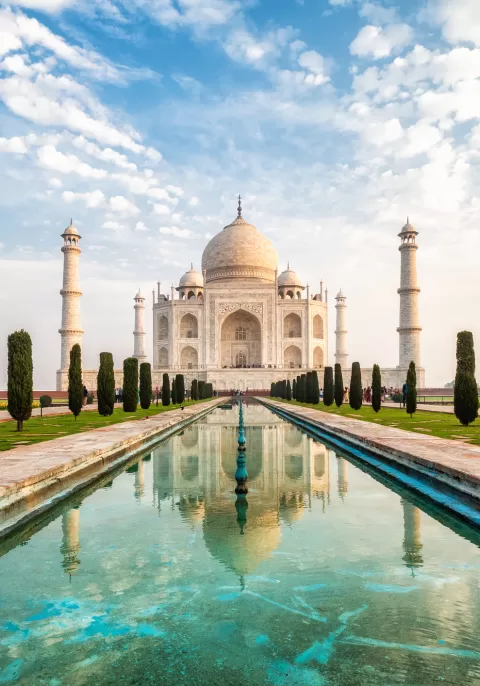
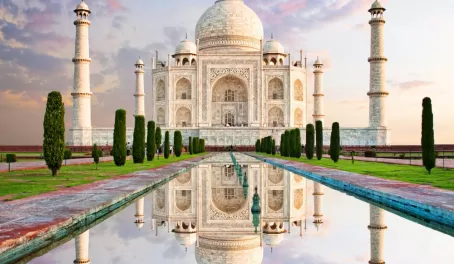
The best time to visit Rajasthan and the Taj Mahal is between November and February, when daytime temperatures are pleasant and ideal for sightseeing.
Cities like Jaipur, Udaipur, Jodhpur, and Agra can become extremely hot later in spring, making winter the most comfortable period for exploring forts, palaces, and historic landmarks.
Travelers visiting the Taj Mahal in December and January should note that morning fog can occasionally impact visibility and flights.
Best Time for Tiger Safaris in India
The best time for tiger safaris in India is from March through May, when dry conditions improve wildlife visibility near water sources.
Top safari destinations include:
- Ranthambore National Park
- Bandhavgarh National Park
- Kanha National Park
- Pench National Park
October through February also offers excellent wildlife viewing with cooler temperatures and greener landscapes. View
Rajasthan Tour suggestions here.
Best Time to Visit Ladakh & the Himalayas
Best Time to Visit Ladakh & the Himalayas
The best time to visit Ladakh and the Indian Himalayas is from May through September, when mountain roads reopen and temperatures become more accessible.
This season offers excellent conditions for:
- trekking
- monastery visits
- photography
- high-altitude adventure travel
Travelers hoping to spot snow leopards typically visit between November and March.
Best Time to Visit Kerala & South India
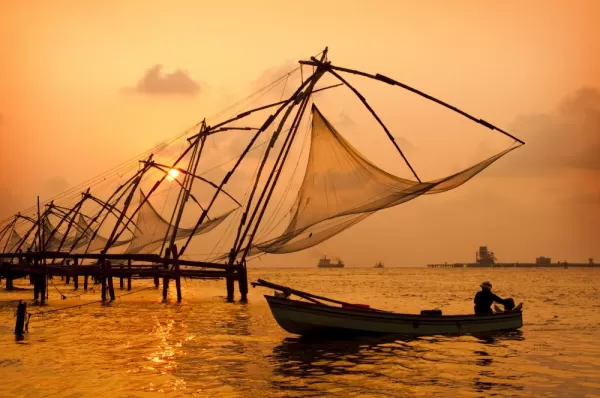
Kerala and South India are best visited between December and March, when temperatures are warm but more comfortable and rainfall is lower.
The monsoon season, particularly from June through September, brings lush scenery and quieter travel conditions that appeal to wellness and Ayurveda travelers.
FAQs about Best Times to Visit India
Is it worth visiting India during monsoon season?
For most first-time travelers, no - closed national parks, flooding, and disrupted transport make June through September difficult. The exception is Kerala, where the monsoon brings lush scenery and Ayurveda wellness retreats attract travelers who specifically want that experience. Experienced India travelers sometimes visit the Himalayas or Ladakh during summer, which is actually dry at altitude.
Can you visit both North and South India on the same trip?
Yes, with at least 14 days. Internal flights between Delhi and Chennai or Kochi are quick and reliable. The best time for north India (November-February) overlaps with the best time for south India, so a combined trip works well on paper. The mistake is trying to cover too much geography in too little time - India's distances are significant.
If I visit during the April to May window, am I guaranteed to see a Tiger?
Short answer: No, while some local officials on the ground in National Parks may often use language about guaranteeing tiger sightings, wildlife sightings are never guaranteed. The best way to ensure you can increase your odds of spotting a tiger it he wild is to stay for more than 2 days to allow for multiple game drives and greater odds.
Are there any time windows where it is best to travel to India to avoid the crowds of people?
No. While you may avoid more
tourists than normal in certain times of year, India is one place where you will see a lot of people, no matter which time you opt to travel. The population centers specifically are crowded and you will need to be prepared to interact with a lot of people in most main cities and other areas as well.
The right time to visit India depends on which regions you want to see and what you want to experience.
Contact an Adventure Life India specialist to match your preferred season to the right itinerary - the timing choices matter more in India than in most destinations.