by Waru Ebrado Jr., Trip Planner Assistant
Morocco is a destination that offers something for everyone, from vast desert scenery and cool mountain retreats to lively city experiences and a beautiful coastline. Choosing the best time to visit Morocco can shape your entire experience, especially depending on whether you are interested in cultural sightseeing, outdoor adventures, or relaxing coastal escapes. Understanding the weather in Morocco throughout the year helps travelers plan the ideal itinerary for their interests and travel style.
I visited Morocco with my colleague last November, and one thing that stood out immediately was how much the temperature can shift between day and night. In cities like
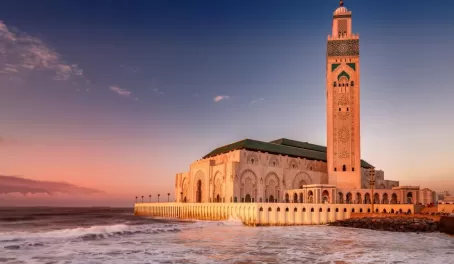
Casablanca,
Rabat,
Marrakesh, and
Fes, the daytime weather was sunny and comfortable, but evenings became surprisingly cold. We needed layers almost every night, with temperatures dropping as low as 4°C in some areas.
Chefchaouen felt especially cool because the town sits at a higher elevation, and the mountain winds naturally keep temperatures lower than in coastal or low-lying regions. The Sahara Desert was another unforgettable experience. Daytime temperatures generally ranged between 20°C and 28°C, but because the air is extremely dry, the warmth disappeared quickly after sunset. By nighttime, temperatures often dropped to around 5°C to 10°C, making warm layers and jackets essential.
The best time to visit Morocco ultimately depends on what you hope to experience, as each season offers something unique. At the same time, the changing weather in Morocco creates very different travel conditions across the country throughout the year.
Spring (March to May): The Best Overall Season
Spring is widely considered the best time to visit Morocco. Following the winter rains, landscapes become lush and green, wildflowers bloom across the countryside, and temperatures remain comfortable throughout most regions. The pleasant weather in Morocco during spring makes it ideal for cultural sightseeing, outdoor adventures, desert excursions, and coastal travel.
The hillsides outside Marrakesh, Fes, and Chefchaouen become covered in seasonal blooms, while daytime temperatures generally range from 18°C to 25°C. Exploring medinas, rooftop cafes, gardens, and bustling souks feels much more enjoyable when the heat is mild rather than overwhelming.
Spring is also one of the most rewarding times for outdoor adventure. The Atlas Mountains see snow melting from higher elevations, feeding rivers and waterfalls throughout the valleys. The balanced weather in Morocco during this season also makes destinations like the Sahara far more comfortable for camel trekking and desert camping. In places such as Merzouga and M'Hamid, daytime temperatures usually remain between 22°C and 30°C, while evenings stay cool but manageable.
Spring also coincides with several cultural festivals, including the Rose Festival in Kelaa M'Gouna, celebrated each May with music, traditional dances, and local markets. For travelers planning a multi-region itinerary, spring offers the flexibility to combine cities, mountains, deserts, and coastal experiences within one comfortable trip.
A few practical tips can help maximize a spring visit. Pack layered clothing, since mornings and evenings can still feel cool, especially in the desert and mountains. A light waterproof layer is also useful, particularly in northern regions where occasional rain showers remain possible.
Autumn (September to November): A Close Second
Autumn is another excellent season and is often considered alongside spring as the best time to visit Morocco. As summer heat fades, the weather in Morocco becomes far more comfortable for sightseeing, hiking, photography, and cultural experiences.
Temperatures across most of the country generally settle between 20°C and 28°C during the day, while evenings remain pleasantly cool. September still carries some warmth from summer,
October tends to offer the most balanced conditions, and November introduces cooler mornings and occasional rain in northern regions.
The Sahara becomes significantly easier to explore during autumn. Camel treks, dune hikes, and overnight stays in desert camps become much more enjoyable without the intense summer heat. The softer autumn sunlight also creates beautiful photography conditions throughout cities like Marrakesh, Fes, and Chefchaouen.
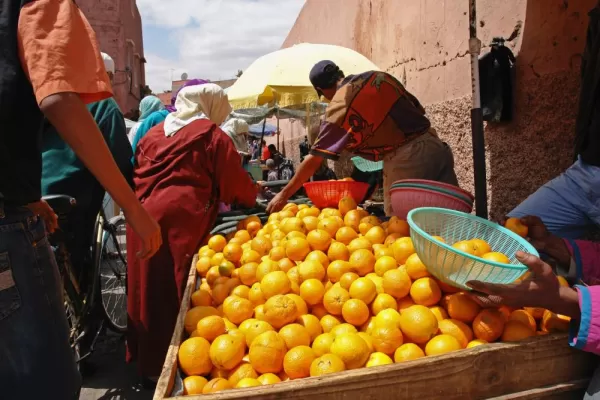
Food experiences also become especially rewarding during this season. Autumn harvests bring fresh olives, dates, pomegranates, figs, and citrus to markets and traditional Moroccan dishes. Seasonal tagines made with pumpkin, quince, and dried fruits become more common across local restaurants.
The Atlas Mountains remain ideal for hiking and village visits during autumn. During our own trip, we were fortunate enough to encounter Barbary macaques along one of the mountain roads, adding an unexpected wildlife experience to the journey.
Compared to spring, autumn often brings slightly smaller crowds and occasionally better accommodation pricing, making it a great option for travelers seeking balanced
weather in Morocco without peak-season activity.
Summer (June to August): Best for the Coast
Summer in Morocco can be extremely hot, especially in inland cities and desert regions. In places like Marrakesh, Fes, and the Sahara, daytime temperatures frequently reach 38°C to 45°C. Because of this, summer is generally not considered the best time to visit Morocco for desert travel or extensive inland sightseeing.
However, the Atlantic coast offers a very different experience. Coastal cities like Essaouira and Agadir enjoy cooler ocean breezes and more moderate
weather in Morocco during summer, often staying between 22°C and 26°C.
Essaouira is especially popular for its laid-back atmosphere, whitewashed medina, seafood restaurants, and water sports. Surfing, kitesurfing, windsurfing, and paddleboarding thrive along the Atlantic coast during this season.
Summer also brings some of Morocco’s biggest cultural festivals, including the Gnaoua World Music Festival in Essaouira and the Mawazine Festival in Rabat. Travelers who focus on the coast and mountains can still enjoy a rewarding Moroccan summer experience despite the inland heat.
For summer travel, lightweight breathable clothing, sunscreen, hats, and hydration are essential. Outdoor activities are best planned for early mornings or evenings when temperatures become more manageable.
Winter (December to February): Quiet Days and Excellent Desert Trips
Winter offers a quieter and more relaxed side of Morocco. While temperatures are cooler, many travelers find this season surprisingly rewarding. For those who prefer fewer crowds and lower prices, winter can still be one of the best times to visit Morocco.
The weather in Morocco during winter varies significantly by region. Coastal cities like Agadir, Essaouira, and Casablanca remain relatively mild, with daytime temperatures between 16°C and 22°C. Inland cities such as Marrakesh and Fes can become chilly, especially at night.
Winter is actually one of the best seasons for Sahara excursions. Daytime temperatures in the desert generally stay between 18°C and 22°C, creating excellent conditions for camel trekking, dune walks, and desert camp experiences. Nights, however, can drop close to freezing, so warm layers are essential.
The Atlas Mountains often receive snow during winter, creating opportunities for skiing and dramatic mountain scenery. Travelers can also benefit from lower accommodation rates and fewer crowds at major attractions during this season.
Packing warm layers, waterproof clothing, scarves, and insulated jackets is important for winter travel, especially when visiting mountain or desert regions.
Choosing the Best Time to Visit Morocco
The best time to visit Morocco depends entirely on the type of experience you want. Spring and autumn generally offer the most balanced weather in Morocco, making them ideal for travelers exploring multiple regions in one trip. Summer is best suited for coastal escapes and festivals, while winter offers peaceful cities, dramatic desert nights, and excellent value.
No matter the season, Morocco offers a remarkable combination of culture, landscapes, cuisine, and adventure. Understanding the seasonal weather in Morocco helps travelers plan a more comfortable and rewarding journey across this incredibly diverse destination.