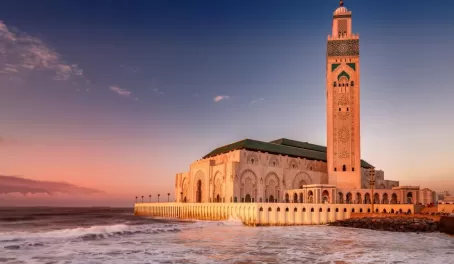
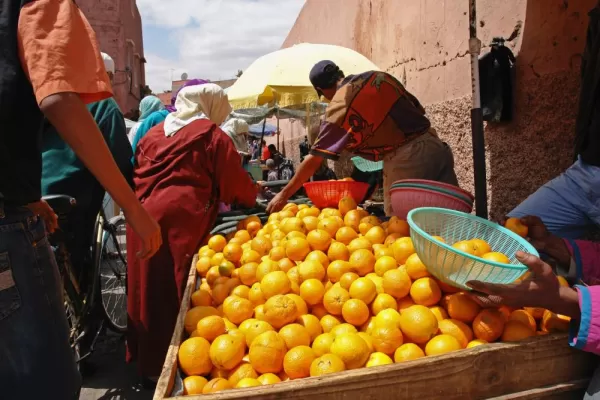
Fes is often described as Morocco’s spiritual and cultural capital. Home to one of the world’s oldest continuously inhabited medieval cities, It offers a remarkable blend of history, architecture, craftsmanship, and daily tradition. Narrow alleyways, historic monuments, and artisan workshops come together to create a living museum of Moroccan heritage. Whether you are drawn to culture, architecture, or authentic local experiences, Fes offers one of the most immersive journeys in Morocco.
The Royal Palace (Dar al-Makhzen): A Symbol of Morocco’s Living Monarchy
The Royal Palace, locally known as Dar al-Makhzen, stands as one of their most recognizable landmarks. Although the palace itself is not open to the public, it remains an essential stop for travelers exploring the city’s imperial history.
The palace gates are especially impressive, featuring enormous bronze doors framed by colorful zellige tilework, carved cedarwood, and intricate geometric patterns. The carefully maintained surroundings reflect the importance of the site as an active royal residence and administrative center.
Across Morocco’s imperial cities, royal palaces symbolize continuity between the country’s past and present. In Fes, the palace offers a quiet but meaningful reminder of Morocco’s deep cultural roots and enduring monarchy.
Mellah (Jewish Quarter)
Located just beyond the heart of the city, the Mellah offers insight into the city’s layered cultural and religious history. Once home to a thriving Jewish community, this historic district differs noticeably from the surrounding medina with its wider streets, open courtyards, and distinctive balconies.
The Mellah reflects the diversity that has shaped Fes for centuries. Walking through the neighborhood provides travelers with a deeper understanding of the communities that once lived side by side within the city walls. The architecture itself tells part of the story, blending Moroccan traditions with European and Jewish influences.
Old quarter in Fes Morocco (Waru Ebrado)
Local Craft Workshops in Fes, Morocco: Where Tradition Comes to Life
One of my most rewarding experiences is stepping beyond its historic landmarks and into its living artisan traditions. It is widely regarded as Morocco’s artisanal capital, where craftsmanship continues to thrive through workshops passed down from generation to generation.
Exploring local craft workshops allows travelers to witness the patience, skill, and artistry behind many of Morocco’s most famous handmade products. From leather goods and woven textiles to ceramics and woodwork, these workshops reveal the human side of the city's cultural heritage.
Tannery in Fes Morocco (Waru Ebrado)
Leather Workshops and Traditional Tanning
Fes is internationally known for its leather production and historic tanneries. Throughout the city, artisans carefully cut, shape, and stitch leather into bags, slippers, belts, jackets, and other handmade goods.
Many workshops source their materials directly from the nearby tanneries, where hides are still treated using centuries-old natural methods. Watching these craftsmen work entirely by hand highlights the extraordinary detail and tradition that continue to define their leather production until today.
Photo by Jhon Corpuz
Textile and Weaving Workshops
Traditional weaving also remains an important part of their life. Across the medina, artisans continue producing handwoven scarves, blankets, and embroidered fabrics using wooden looms and natural dyes.
These textile workshops offer a closer look at the slow, time-intensive process behind each handcrafted piece. Every thread is placed carefully by hand, preserving weaving traditions that have remained part of their generations. Textiles in Fes Morocco (Waru Ebrado)
Weaving in Fes Morocco (Waru Ebrado)
Fes Pottery: The Timeless Art of Moroccan Ceramics
Pottery remains one of the defining artistic traditions of Fes. Passed down through generations, ceramic craftsmanship continues to play an important role in the city’s cultural identity.
Inside pottery workshops, visitors can observe each stage of the process, from shaping raw clay by hand to painting, glazing, and firing each finished piece. The methods remain deeply rooted in tradition, with many artisans still using techniques that have changed very little over centuries.
What makes their pottery recognizable is its detailed craftsmanship and signature cobalt blue coloring. Geometric patterns, floral motifs, and hand-painted details ensure that every ceramic piece remains unique.
Beyond their beauty, these ceramics carry cultural significance. Each handcrafted item reflects the patience, artistry, and personal story of the artisan behind it. In many ways, their pottery represents more than craftsmanship — it serves as a continuation of Morocco’s artistic heritage and identity.
Discover the timeless culture, artisan traditions, and historic landmarks of Fes with a personalized journey designed around your travel style.
Our team is waiting and ready to talk with you about your next adventure.
So go ahead and book an appointment with one of our specialized trip planners.
Adventure Life organized an exceptional trip to Morocco for my college roommate and I. We enjoyed a seven‑day journey that gave us a true taste of the country—from the streets of Marrakech to hiking in the Atlas Mountains and relaxing in the coastal charm of Essaouira.
We were met the next day by our Marrakech city guide who led us through Madrassa Ben Youssef, Bahia Palace, the medina, and the souks. On Day 3, our private driver drove us into the Atlas foothills for a hike to a waterfall feeding the Siti Fatma River. From there, we continued to Imlil for a full day of mountain trekking the next day.
Our young mountain guide was encouraging to two mid‑60‑year‑olds. He cheered us on during the five‑hour ascent to the snow line and the shrine of Sidi Chamarouch. After a 2-hour descent, we enjoyed a late lunch with a Berber family. The waterfalls and rushing streams were breathtaking.
The long drive to Essaouira flew by thanks to his camaraderie, a quirky roadside restaurant with a mini‑zoo, and a stop at an argan oil co‑op to buy gifts for the wives who “let” us take this trip. The Moroccan Immersion guide led us through the medina, and the sunset from the fortress was unforgettable, and our hotel—Riad Mimouna—was perfectly located. The next morning brought camel rides on the beach.
Keven Talbert
6 months ago
Kassandra listened to our needs and crafted an itinerary that met all of them. She was friendly, professional, and a pleasure to work with.
Robert Erickson
10 months ago
Sandra was efficient, friendly, quick and listened to what we were hoping to get out of our trip! We loved working with her.
Aana Rivlin
1 year ago
This is my third trip with Adverture Life. They make it easy -- and I now get a returning customer discount!
WJM Inva
1 year ago
Kassandra prepared an organized agenda that was well designed based on our interests and feedback. She spent ample time discussing the agenda and answering any questions.