New Zealand is a country filled with dramatic landscapes, deep cultural roots, and wildlife found nowhere else on Earth. From volcanic valleys and alpine peaks to Maori traditions and modern cities, it offers a mix of history, nature, and adventure that few places can match. These facts about New Zealand highlight what makes the country so unique and why it continues to fascinate travelers from around the world.
Cultural Facts About New Zealand
Aotearoa: The Land of the Long White Cloud New Zealand’s Maori name, Aotearoa, means “Land of the Long White Cloud.” The name reflects what early Polynesian explorers saw as they approached the islands by canoe. Today, Aotearoa is commonly used alongside the country’s English name and reflects its strong Indigenous identity.
Maori Culture and Traditions
Maori culture is central to New Zealand life. Traditions such as the haka, ta moko (traditional tattooing), and oral storytelling remain important today. Respect for the land and natural world is a key value, reflected in daily life and conservation efforts.
The Kiwi Identity
“Kiwi” refers both to New Zealanders and the country’s famous flightless bird. The term represents a laid-back attitude, strong community values, and a deep love for the outdoors.
Hotel balcony (Jhon Corpuz)
The First New Zealanders
New Zealand was one of the last major landmasses settled by humans. The Maori arrived between 800 and 1300 AD, navigating vast distances across the Pacific. They formed tribal societies, developed advanced navigation skills, and built a rich oral tradition.
Storytelling took three main forms:
Whakapapa, or genealogy, connecting people to ancestors
Chanted poetry, used in ceremonies
Oral storytelling, used to pass down legends and history
European contact began in the late 1700s. In 1840, the Treaty of Waitangi was signed between Maori chiefs and the British Crown. While the years that followed brought conflict and land loss, Maori culture has experienced a strong revival and remains a vital part of New Zealand today.
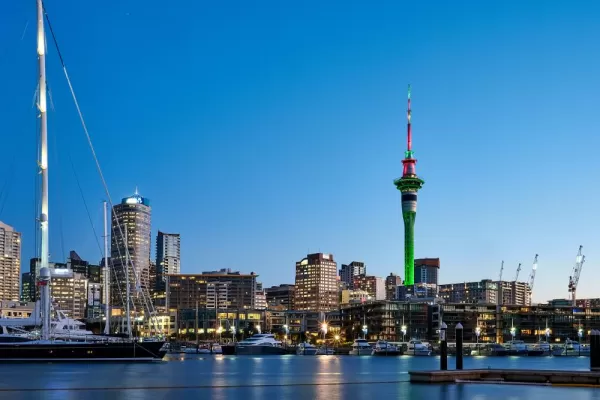
Visit Auckland
Cuisine of New Zealand
New Zealand food reflects its natural abundance and multicultural influences. Meals often feature fresh seafood, lamb, venison, and seasonal produce.
Common foods include:
Lamb and seafood
Kumara (sweet potato)
Green-lipped mussels
Pavlova, the national dessert
The country is also known for excellent wine, particularly Sauvignon Blanc from Marlborough and reds from Hawke’s Bay. Meals are simple, fresh, and focused on quality ingredients.
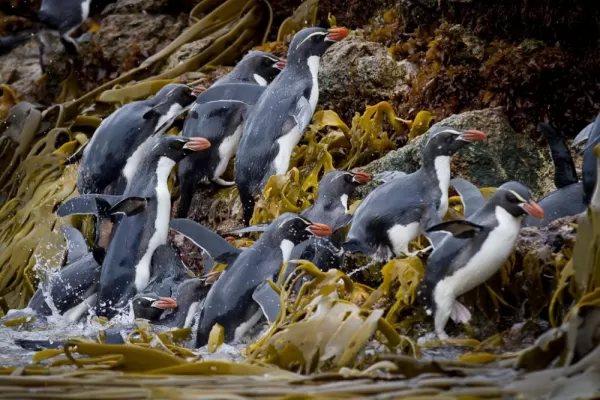
Penguins rushing up the rocky shore. (Meghan Kelly)
Historical Facts About New Zealand
Dutch explorer Abel Tasman first sighted New Zealand in 1642. British explorer James Cook later mapped the coastline in 1769, opening the door to European settlement.
New Zealand became a British colony in 1840 and later gained independence. It was the first country in the world to grant women the right to vote, in 1893.
Today, New Zealand operates as a constitutional monarchy with a parliamentary system, blending British traditions with a modern, independent identity.
Modern-Day Facts About New Zealand
Major Cities
Auckland – The largest city, known for harbors, beaches, and cultural diversity
Wellington – The capital, home to museums and government
Christchurch – Known for gardens, heritage, and access to the South Island
Rugby and Sports
Rugby is the national sport
The All Blacks are one of the most successful teams in sports history
Outdoor recreation plays a major role in daily life
Sustainability
A large portion of energy comes from renewable sources
Conservation and wildlife protection are national priorities
Many areas are protected parks or reserves
Film and Media
New Zealand became world-famous as the filming location for The Lord of the Rings
Its landscapes continue to attract filmmakers from around the world
Maori cultural performance (Jhon Corpuz)
Geography and Nature Facts
New Zealand consists of two main islands and several smaller ones. It sits on the submerged continent Zealandia, with only a small portion rising above sea level.
Key geographic features include:
Over 15,000 km of coastline
Alpine mountain ranges and glaciers
Volcanic regions and geothermal areas
Rainforests, beaches, and fjords
The Southern Alps dominate the South Island, while the North Island is known for volcanoes and geothermal activity. Snares Penguin on The Snares Island (Edraine Bernardo)
Wildlife in New Zealand
Because of its isolation, New Zealand developed wildlife found nowhere else. Notable species include:
The kiwi, the national bird
The kakapo, a rare flightless parrot
The tuatara, an ancient reptile
Large insects such as the weta
There are no native land mammals aside from bats. Many species are protected, and conservation efforts are a major focus nationwide.
The surrounding waters are home to dolphins, seals, and whales, making marine life encounters common.
Climate and Weather
New Zealand has a mild maritime climate.
Warmest months: January–February
Coolest months: July–August
Snow is mostly limited to mountain regions
Weather can change quickly, especially in alpine areas
Temperatures are generally moderate year-round, making it a good destination in any season.
Fun and Interesting Facts About New Zealand
Around 80% of the country is uninhabited
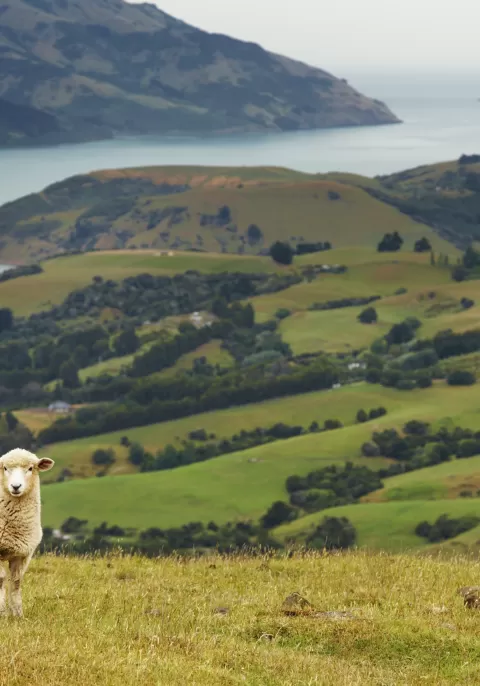
There are more sheep than people
New Zealand has no native snakes
It was the first country to give women the vote
Much of the land is protected or conserved
Why New Zealand Stands Out
New Zealand combines natural beauty, rich culture, and outdoor adventure in a way few places can. From Maori traditions and unique wildlife to mountains, fjords, and coastlines, it offers experiences that feel both wild and welcoming. Book a personalized trip to New Zealand with our Trip Planners now.
Our team is waiting and ready to talk with you about your next adventure.
So go ahead and book an appointment with one of our specialized trip planners.
This was our second trip using Adventure Life and it was once again fantastic! We live busy lives, and while we can and have planned our own travel, we've found working with Adventure Life to be a huge life improvement! They are able to suggest and coordinate activities we never would have found on our own and the companies/hotels are always top-notch. We have also found we are treated even better at hotels/activities because they know we are working with a travel company and want to maintain a good relationship. Our trips are always on a limited timeframe (school breaks/holidays) and we have found that working with Adventure Life is the best way to make sure we see as much as possible as efficiently as possible!
Amanda Harvey
9 months ago
Our trip planner was keen on understanding our travel dreams. She listened and was able to create a spectacular trip that met all our goals and needs.
Anita Uyehara
1 year ago
I enjoyed working with Jess to put together a private N.Z. trip. Jess has been my go-to person at Adventure Life over the past several years. She listens to what my husband and I want in a trip, and is always responsive to questions. Nothing seems to be too much of a bother for Jess.
DIANNE GRAY
1 year ago
It is invaluable to speak with people that have first hand knowledge about the ship, cruise line or itinerary! Helps select well-informed trip and not be disappointed.