by Franny Friesz, Trip Planner
Many travelers prioritize dates and are increasingly seeking out shoulder season opportunities. In
New Zealand, early spring (September and October) and late autumn (April and May) remain some of the best times to visit New Zealand for travelers seeking fewer crowds, comfortable conditions, and excellent value.
While not as popular as the peak summer or winter months, these off-peak periods offer unique advantages along with a few trade-offs. Understanding New Zealand seasons and regional conditions can help travelers decide when to plan their adventure.
Pros of Traveling During the Shoulder Season
Great Lighting
One of the highlights of shoulder season travel is the beautiful natural light. Sunrises and sunsets are more accessible, without the extremely early mornings or late evenings of summer. The softer angle of the sun creates ideal conditions for photography and sightseeing.
Fewer Crowds
With fewer tourists compared to peak travel months, popular attractions such as Milford Sound, Hobbiton, and national parks feel more peaceful and immersive. Shoulder season allows travelers to enjoy iconic destinations with a more relaxed atmosphere.
Lower Prices
Flights, accommodations, and tours are often more affordable during these periods, making shoulder season one of the best times to visit New Zealand for travelers looking for better value.
Stunning Seasonal Scenery
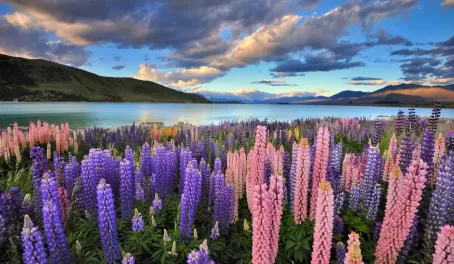
The changing New Zealand seasons bring dramatic scenery throughout the country. Spring features blooming wildflowers, green hillsides, and newborn lambs, while autumn transforms landscapes into vibrant shades of gold, orange, and red — particularly in regions such as Central Otago and Arrowtown.
Comfortable Weather
Mild temperatures and relatively stable conditions make hiking, road trips, and sightseeing enjoyable during shoulder season. While New Zealand weather can vary by region, autumn in particular is often known for crisp, sunny days and pleasant travel conditions.
Better Availability
Accommodations, rental cars, and popular activities are typically easier to book, giving travelers greater flexibility and more choices when planning their itinerary.
Cons of Traveling During the Off-Season
Unpredictable Weather
One of the challenges of shoulder season travel is the variability of New Zealand weather. Spring and autumn can bring rain, wind, and sudden temperature changes, especially in alpine and coastal regions. Packing layers and a waterproof jacket is highly recommended.
Shorter Days
Compared to summer, daylight hours are shorter during the shoulder season. This may reduce the amount of time available for outdoor adventures or long scenic drives before sunset.
Limited Access in Some Areas
Certain remote roads and high-altitude hiking trails may remain closed due to snow, maintenance, or weather conditions, particularly in early spring. In late autumn, occasional snowstorms can also temporarily affect access to mountain regions.
Why Shoulder Season Is Worth It
For travelers seeking fewer crowds, beautiful scenery, and excellent value, shoulder season remains one of the best times to visit New Zealand. With a bit of flexibility and preparation, visitors can enjoy a rewarding travel experience that captures the beauty of Aotearoa without the rush of peak tourism.
The diversity of New Zealand seasons means every time of year offers something unique, from spring blooms and autumn foliage to winter snow and summer beaches. Understanding seasonal conditions and regional New Zealand weather patterns can help travelers choose the perfect itinerary for their interests and travel style.
Ready to experience
New Zealand beyond the busy travel months?
Connect with our Trip Planners and start planning your custom New Zealand adventure today.