by Trip Planner Jason Maynard
September 2, 2025
The
Arctic, a realm of breathtaking ice-scapes, dramatic coastlines, and unique wildlife, beckons adventurous travelers to its remote and captivating landscapes. While often perceived as a single, monolithic expanse of frozen wilderness, the
Arctic encompasses a diverse array of destinations, each offering a distinct flavor of high-latitude beauty and adventure. Among the most accessible and compelling of these are Svalbard, Iceland, Greenland, and the Canadian
Arctic.
Svalbard: The Realm of the Polar Bear
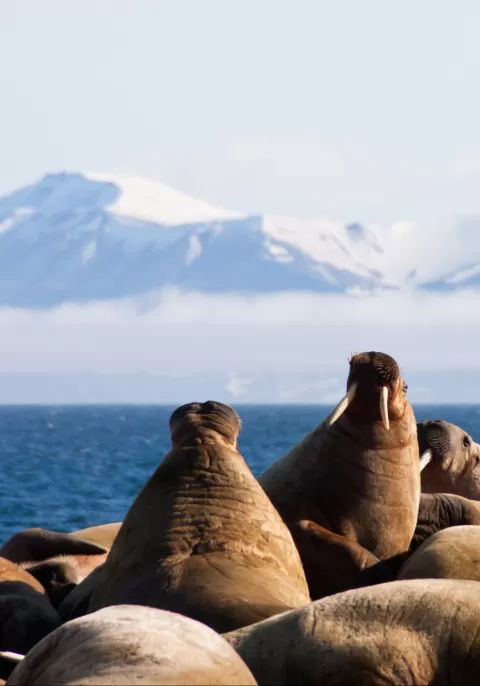
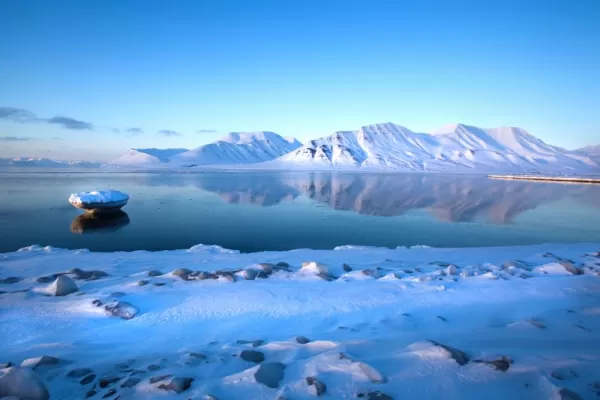
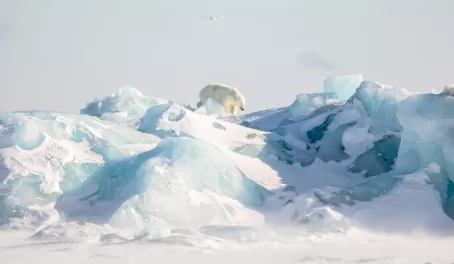
Nestled high in the Norwegian Arctic, Svalbard is an archipelago renowned for its stunning glaciers, towering mountains, and, most famously, its healthy population of polar bears.
Longyearbyen, the main settlement, serves as a vibrant hub for exploration. Summer months bring opportunities for wildlife cruises where sightings of polar bears, seals, walruses, and various seabird colonies are common. Hiking and kayaking excursions allow for closer encounters with the dramatic landscapes. The stark beauty and abundant wildlife make Svalbard a truly unforgettable Arctic destination.
Iceland: The Land of Fire and Ice
While technically straddling the Arctic Circle, Iceland's southern regions offer a more accessible introduction to Arctic-influenced landscapes. This volcanic island nation boasts a dramatic interplay of glaciers, geysers, waterfalls, and lava fields. The iconic Golden Circle route showcases geysers erupting with geothermal power, the majestic Gullfoss waterfall, and the historical
Þingvellir National Park. The South Coast reveals black sand beaches, basalt columns, and powerful glaciers like
Vatnajökull. In winter, Iceland becomes a prime location for witnessing the mesmerizing Aurora Borealis dancing across the night sky. With its well-developed infrastructure and diverse natural attractions, Iceland provides a comfortable yet captivating Arctic experience.
Greenland: The World's Largest Island
Greenland, an autonomous territory within the Kingdom of Denmark, is a land of immense scale and raw beauty. Covering the majority of the vast Greenland ice sheet, its coastal regions are characterized by dramatic fjords, colorful settlements clinging to rocky shores, and colossal icebergs calved from glaciers. Exploring Greenland often involves boat trips through iceberg-strewn waters, offering opportunities for whale watching and encounters with seals. Hiking and kayaking allow for immersion in the pristine wilderness. Towns like
Ilulissat, home to the stunning Ilulissat Icefjord, a UNESCO World Heritage site, provide a glimpse into Greenlandic culture and the impressive power of nature. The sheer scale and remoteness of Greenland offer a profound sense of adventure in the Arctic.
The Canadian Arctic: A Vast and Untamed Wilderness
The Canadian Arctic encompasses a vast territory of islands and mainland stretching across the northern reaches of Canada. This region offers a truly remote and untamed Arctic experience.
Nunavut, the largest and newest territory of Canada, is home to Inuit communities with a rich cultural heritage deeply intertwined with the land and sea. Nunavik, the far northern part of Quebec, also has Inuit communities (some of whom speak French!) and access to both Hudson Bay and Ungava Bay. Opportunities for wildlife viewing abound in both, including polar bears, caribou, Arctic foxes, and various marine mammals. Exploring national parks like Quttinirpaaq on Ellesmere Island reveals dramatic mountain ranges, glaciers, and unique Arctic ecosystems. Travel in the Canadian Arctic often involves expedition cruises or smaller, more adventurous tours focusing on specific regions or activities like dog sledding or wildlife photography.
Each of these Arctic destinations – Svalbard, Iceland, Greenland, and the Canadian Arctic – offers a unique and compelling experience for travelers seeking adventure in the high latitudes. From the abundant wildlife of Svalbard to the volcanic landscapes of Iceland, the colossal icebergs of Greenland, and the vast, untamed wilderness of the Canadian Arctic, the call of the Arctic promises unforgettable encounters with nature's grandeur and the resilience of life in extreme environments.
For explorers curious about the far north, studying a North Pole Map can provide valuable insight into how the Arctic Circle shapes climates, ecosystems, and human settlement. The
North Pole, though remote and inhospitable, stands as a symbol of ultimate adventure – the very crown of the Arctic.