Have questions? We're here.

Story
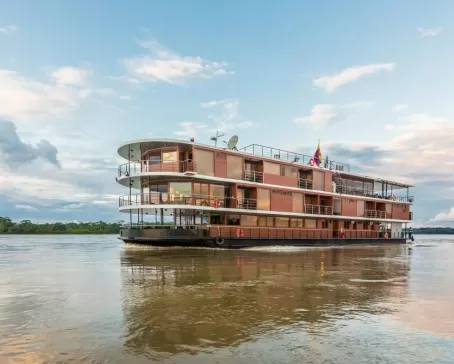
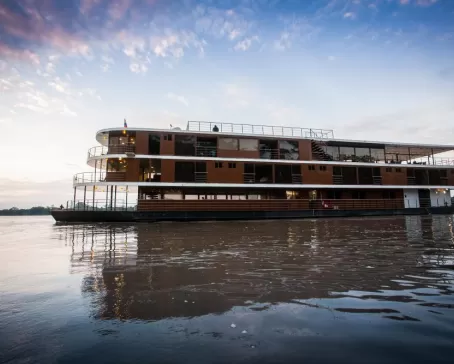
Anakonda Amazon Cruises is founded on the vision of creating a sustainable model of tourism that protects the Ecuadorian Amazon while providing alternative sources of income for ancestral communities. For more than 40 years, founder and CEO Raúl García dedicates his work to preserving the rainforest and supporting the people who call it home. In 1977, García joins the operation of the first river cruise on the Napo River, where close relationships with the Kichwa, Cofán, Siona, Huaorani, and Secoya communities deepen his understanding of the Amazon's wildlife, culture, and fragile ecosystem. As the oil industry expands across the region, García recognizes the growing threats facing both the rainforest and its Indigenous communities, inspiring a lifelong commitment to conservation and sustainable tourism. In 1985, he co-founds Ecuador's Ecotourism Society, helping advance responsible tourism throughout the country. In 2003, García launches the Manatee, creating a river cruise that offers meaningful travel experiences while generating employment and opportunities for local communities. In 2013, the Anakonda joins the fleet, followed by a new Manatee in 2017, establishing the only cruise line operating in Ecuador's Amazon rainforest. Every itinerary combines wildlife exploration with authentic cultural encounters, allowing you to meet local communities, learn about their traditions, and experience the rainforest through their knowledge and perspectives. Community collaboration, environmental protection, and sustainable operations remain at the heart of every journey. Every cruise creates lasting value for you, the local communities, and one of the world's most extraordinary natural environments.
Mission
Anakonda Amazon Cruises' mission is to create meaningful Amazon experiences that protect the rainforest, preserve Indigenous cultures, and provide sustainable opportunities for local communities. You discover the Ecuadorian Amazon through authentic wildlife encounters, cultural experiences, and responsible tourism that benefits both people and nature.
Vision
Anakonda Amazon Cruises strives to preserve the Ecuadorian Amazon by fostering lasting partnerships with local communities and protecting the rainforest for future generations. You experience authentic expeditions that celebrate biodiversity, honor ancestral cultures, and demonstrate how sustainable tourism creates a positive impact for communities, travelers, and the environment.
Conservation Programs
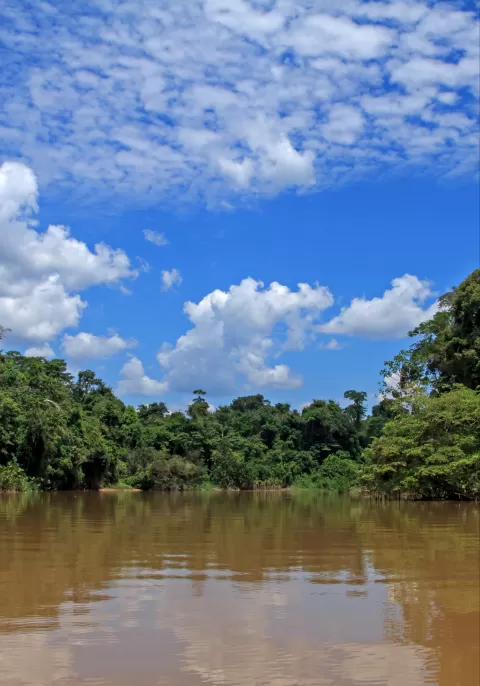
The Ecuadorian Amazon rainforest is a unique living treasure. The ecosystems in this paradise harmonically interact with each other to maintain the natural balance of the environment. The habitat has been threatened by invasive industries whose constant exploitation has endangered many wildlife species, almost to the point of extinction.
Anakonda Amazon Cruises is taking the initiative to conserve and restore this area through the preservation of endangered species and the surrounding environment, the Ecuadorian Amazon basin. Through programs with local communities, our cruise line is working to save charapas turtles and pink river dolphins. Along the way, Anakonda Amazon Cruises are helping their guests learn about conservation and giving them an opportunity to participate directly in the protection of this unique living treasure.
Amazon Sustainability Circle
For three decades, Anakonda Amazon Cruises have consolidated the development of an incredible model of sustainability in ecotourism. Through the operation of our cruises in the Ecuadorian Amazon, we consistently work towards sustainable development. By seeking the commitment of all actors involved with conservation, and preserving the environment through our operation.
There is also support for the local communities in different parts of the Amazon and in special itineraries.

Our team is waiting and ready to talk with you about your next adventure. So go ahead and book an appointment with one of our specialized trip planners.
Let's Chat
We're not tied to any one operator, so you get honest, personalized recommendations—not a sales pitch. Our deep expertise helps you make smarter decisions and get more value from your trip.
Secure your 5% Past Traveler Rewards on your next trip, applicable across a variety of operators, brands, and worldwide destinations.
Skip the endless research and information overload—our dedicated team gets to know you, and guides you through every detail so your journey comes together smoothly and effortlessly.









No cost, no commitment. Talk with our experts about your dream trip.
Share your travel style—we match you with the right itinerary or create one just for you.
Lock in knowing every detail is handled and you’re fully supported.
Enjoy a seamless journey—and unlock 5% off your next adventure.