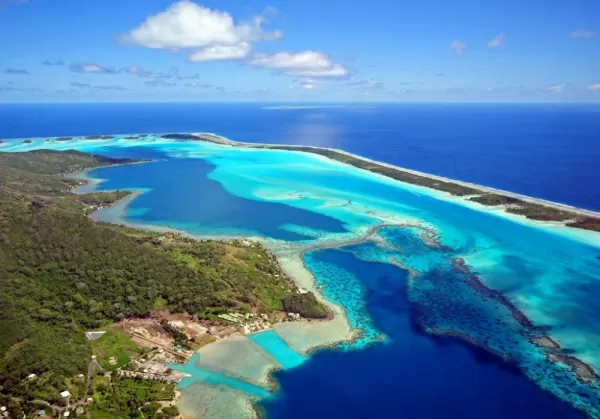
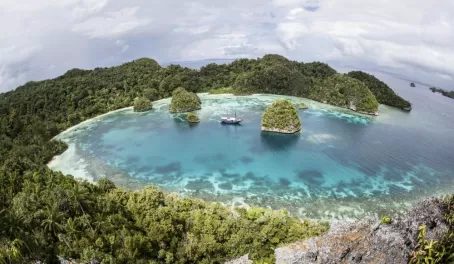
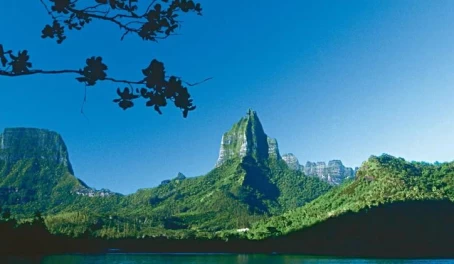
French Polynesia offers not only breathtaking physical beauty but also a deep, multifaceted cultural experience. From the rhythmic dances and soulful music to the intricate tattoos and flavorful cuisine, the islands stand as a testament to the enduring spirit and creativity of the Polynesian people. This culture doesn’t just exist—it flourishes, inviting the world to celebrate and participate in its timeless traditions. Contact us to start planning your next journey to French Polynesia, and discover this culture firsthand.
Ancestral Origins and Historical Evolution
The Polynesians are believed to have migrated from Southeast Asia around 4,000 years ago. They navigated the vast Pacific Ocean using large double-hulled canoes, aided by their expertise in celestial navigation, understanding of ocean currents, and knowledge of wildlife patterns. This migration spread across what is known as the Polynesian Triangle, with its vertices being Hawaii, Easter Island, and New Zealand, including all major island groups in French Polynesia.
The first recorded European contact was in 1767 by British navigator Samuel Wallis, followed soon after by the French explorer Louis Antoine de Bougainville in 1768, and then by Captain James Cook in 1769, who mapped several islands. These encounters introduced Western technologies, religions, and societal structures, significantly impacting Polynesian life. The 19th and early 20th centuries saw increased European influence, culminating in France officially claiming most of the region as a protectorate or colony by 1880.
Language and Communication
French and Tahitian are the official languages of French Polynesia. However, linguistic diversity is rich, with numerous Polynesian dialects spoken across different islands. While French is the predominant language of education, government, and commerce, Tahitian remains vital in cultural and social settings. In more remote islands, traditional dialects such as Marquesan, Tuamotuan, and Mangarevan are still spoken, maintaining linguistic heritage.
Cultural Beliefs and Practices
With the arrival of European missionaries in the 18th and 19th centuries, Christianity became the dominant religion. Protestantism and Catholicism are the most widespread, with Mormonism and Seventh-Day Adventism also present. Before missionary influence, Polynesians practiced animism, worshipping a pantheon of gods related to nature and ancestry. Elements of these beliefs, such as "mana" (spiritual power), remain integral to cultural practices and societal values.
Tattooing, known locally as 'tatau,' is a deeply ingrained cultural practice. Traditionally, tattoos signified social status, genealogy, and personal achievements. Designs often depicted elements of nature and spiritual symbols, connecting the wearer to their ancestors and the natural world. Though suppressed during colonial times due to missionary influence considering them barbaric, tattooing has resurged as a significant cultural and artistic expression.
Polynesian Arts and Crafts
Polynesian craftsmanship is varied and intricate. Carving is a prominent art, with wood and stone being primary materials. Artisans create tiki statues, representing deified ancestors, and other objects such as weapons, tools, and household items. Weaving is another essential craft, using materials like pandanus leaves and coconut fibers to make hats, mats, bags, and traditional clothing like the "pareo."
Tahitian black pearls are among the most renowned products of French Polynesia. These pearls, cultivated in the lagoons of the Tuamotu and Gambier Islands, are highly prized globally. The cultivation process, involving careful placement and nurturing of oysters, reflects a blend of traditional knowledge and modern techniques.
Tahitian black cultured loose pearls in hands (Cath Corpuz)
Music and Dance
Dance is pivotal in Polynesian culture, serving as a medium to express stories, religious beliefs, and social values. Traditional dances, such as the "ote’a" and "aparima," involve rhythmic footwork and expressive hand movements. The Heiva festival, an annual celebration, showcases these traditional dances, drawing participants from across the islands to compete and demonstrate cultural pride.
Music in French Polynesia combines traditional and contemporary elements. Traditional instruments include the "pahu" (drum), "to’ere" (wooden slit drum), "fa’atete" (upright drum), and "vivo" (bamboo nasal flute). Songs and chants often narrate legends, everyday life, and historical events, preserving oral traditions.
Cuisine
Culinary traditions in French Polynesia emphasize fresh, locally-sourced ingredients. The diet includes a variety of seafood like tuna, mahi-mahi, and grouper, often prepared raw in dishes like "poisson cru" (raw fish marinated in coconut milk and lime). Root vegetables such as taro, sweet potatoes, and breadfruit are staple foods. The traditional method of cooking in an "ahima’a" (earth oven) involves slow-cooking food wrapped in banana leaves, which enhances flavors naturally.
Over centuries, Polynesian cuisine has incorporated influences from French, Chinese, and Southeast Asian culinary traditions. This fusion results in a diverse gastronomic landscape where local and exotic flavors blend seamlessly.
Festivals and Celebrations
The Heiva festival, celebrated annually in July, is the most significant cultural event in French Polynesia. It includes traditional sports like canoe racing, stone lifting, and javelin throwing, alongside performances of music and dance. This festival is pivotal in preserving and promoting Polynesian cultural heritage.
French Polynesia celebrates various local and national holidays that mix Polynesian traditions with events from French and international calendars. Bastille Day, Christmas, and New Year’s Day are observed, often infused with unique Polynesian customs.
Sociocultural Dynamics
Traditional Polynesian society was hierarchical, with clear roles and statuses determined by lineage and social standing. Chiefs ("ariki") held significant power, while commoners ("manahune") and specialized roles like priests ("tahu’a") played essential roles in the social fabric. Contemporary society has integrated this hierarchical tradition with modern, democratic principles, though traditional respect for elders and community leaders remains strong.
The family unit ("ohana") is central to Polynesian life, extending beyond the nuclear family to include extended kin. Communities are tightly-knit, sharing resources and responsibilities. This communal approach is encapsulated in the concept of "fa’a’amu," where children can be informally adopted by relatives, reflecting the collective responsibility for upbringing.
Modern Influences and Cultural Renaissance
Tourism is a cornerstone of the economy. Efforts are made to promote sustainable tourism that respects and preserves cultural heritage. Tourist activities often include traditional performances, visits to marae (sacred sites), and guided cultural tours.
There's a robust movement towards reclaiming and revitalizing Polynesian heritage. This includes re-establishing traditional navigation skills, revitalizing language use, and maintaining traditional art forms. Educational programs and cultural centers play crucial roles in these efforts, engaging both locals and visitors in appreciating and preserving Polynesian culture.
Polynesians have a deep connection with their natural environment. Environmental stewardship is integral, guided by traditional ecological knowledge. Efforts to protect marine and terrestrial ecosystems are crucial, particularly in the face of climate change. Initiatives often involve community-led conservation projects and practices promoting sustainability.
Daily Life and Traditions
Traditional Polynesian housing ("fare") includes structures built from natural materials such as wood, bamboo, pandanus leaves, and coconut fiber. Modern constructions often blend traditional designs with contemporary materials, maintaining cultural aesthetics while providing modern comforts.
The "pareo" is the quintessential Polynesian garment, worn by both men and women. It’s a colorful, wrapped cloth, versatile for various occasions, from casual wear to formal events. Traditional tapa cloth, made from the bark of trees like mulberry, is used in ceremonial attire, showcasing intricate designs symbolic of heritage and status.
Challenges and Opportunities
Like many indigenous cultures, French Polynesia faces the challenge of globalization. While economic opportunities expand, the influx of foreign cultures and modern lifestyles can dilute traditional customs. Balancing modernity with cultural preservation is a continuous endeavor.
Education is crucial in preserving and advancing the cultural heritage. Schools and universities offer programs incorporating traditional knowledge alongside modern education. Employment opportunities in sectors like tourism, agriculture, and government are essential for sustainable development.
Our team is waiting and ready to talk with you about your next adventure.
So go ahead and book an appointment with one of our specialized trip planners.
What a great experience. They were so helpful. They have a great team. They will help you from the planning stage, all the way until travel. Highly recommend
Barbara Winton
3 months ago
Fantastic service as usual.
Carol
4 months ago
Adventure-Life has never disappointed us: we have learned to trust and appreciate the attention to detail, the clearly outlined options, and the many recommendations along with justification for them. Kassandra continues to be a wonderful agent and we highly recommend her and her company.
Steve Fryer
8 months ago
These guys are so easy to work with. They seem to really care about my trip.