Explore the Isolated Tribes of Ethiopia on an 8-day tour through the Omo Valley, home to diverse indigenous communities along the Omo River. Visit Arba Minch, Lake Chamo, and the Konso villages, and take boat trips to see hippos and crocodiles. Experience the Hamer, Karo, Dassenech, Ari, and Mursi tribes, learning about body art, traditional rituals, lip plates, and local crafts. Drive scenic routes through Turmi and Jinka, observe terraced coffee farms, and witness rural life in authentic tribal villages. Conclude with Addis Ababa sightseeing, including Mount Entoto, the National Museum, Trinity Cathedral, and Mercato, before departure. This journey highlights Ethiopia’s cultural heritage, wildlife, and landscapes in one immersive adventure.
Highlights
Encounter centuries-old tribes in a relatively isolated pocket of Ethiopia
Experience daily life and traditions of these isolated and unique tribes
Observe and learn about the Hamer, Mursi, Karo, and the Konso people
See the famous hominid "Lucy" at the Archeological Museum in Addis Ababa
Involves minimal physical effort and is typically associated with leisurely activities. Activities are low-intensity or last less than a few hours each day.
Arrive at Bole International Airport in Addis Ababa, go through customs and immigration screening, grab your luggage, and then make your way through the Arrivals Hall out to the parking lot. Your guide meets you here and transfers you to your hotel.
Day 2: Fly Addis | Arbaminch, drive to Chencha (48 km & 2 hrs)
After a restful night in Addis, check out of the hotel and take a flight to Arba Minch, the largest town in southern Ethiopia, which is nestled among the lush green hills near Lakes Abaya and Chamo. The numerous nearby springs that result in a groundwater forest gave Arba Minch its name. Arbaminch, which means "forty springs" in Amharic, is divided into two separate towns. Shecha (on higher ground) and the center of Sikela are both connected by buses and taxis. The administrative hub of uptown is called Shecha. Sikela, which contains the city's business, industrial, and residential districts, is only 2.5 miles distant. The Nechisar National Park entrance is located on the eastern side of Sikela and spans the isthmus between Lake Abaya to the north and Lake Chamo to the south. Upon arrival, drive to Chencha Village, the Dorze people's ancestral home. Known for their cotton weaving, the Shammas also have unusual houses that have loomed thatch roofs that resemble beehives.
Day 3: Boat trip at Lake Chamo | Drive to Konso (250 km & 5 - 6 hrs)
The day starts in Arba Minch with breakfast, followed by a guided boat ride on Lake Chamo, one of the key highlights of southern Ethiopia. The boat trip explores the lake inside Nechisar National Park, known for large Nile crocodiles, hippos, and rich birdlife. Calm waters and wide Rift Valley views create ideal conditions for wildlife viewing and photography. After the boat excursion, return to shore for lunch in Arba Minch.
In the afternoon, continue with an overland transfer from Arba Minch to Konso, covering around 250 kilometers in approximately five to six hours. The drive passes changing landscapes, from lake areas to dry highlands, offering insight into rural life along the southern circuit of Ethiopia.
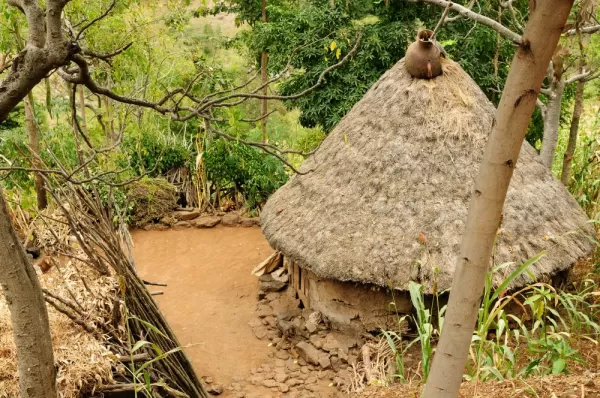
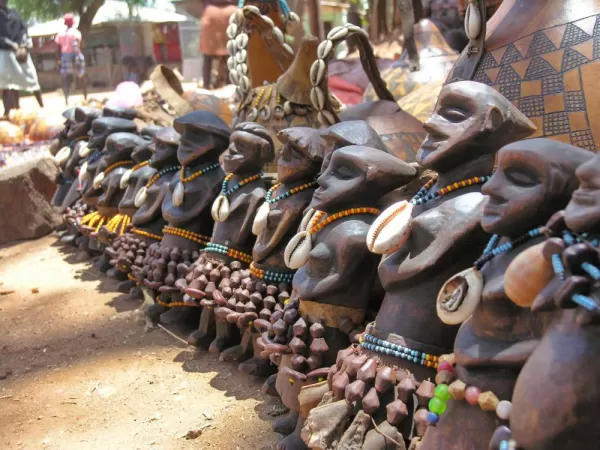
Upon arrival in the Konso region, visit a traditional Konso village, a UNESCO World Heritage Site recognized for its cultural value. The Konso people are known for stone terracing, strong community systems, and unique traditions shaped by generations of farming on terraced hillsides. Cultural walks introduce daily life, local structures, and traditional practices.
Day 4: Drive to Turmi | Visit the Hamer Village (210 km & 4 hrs)
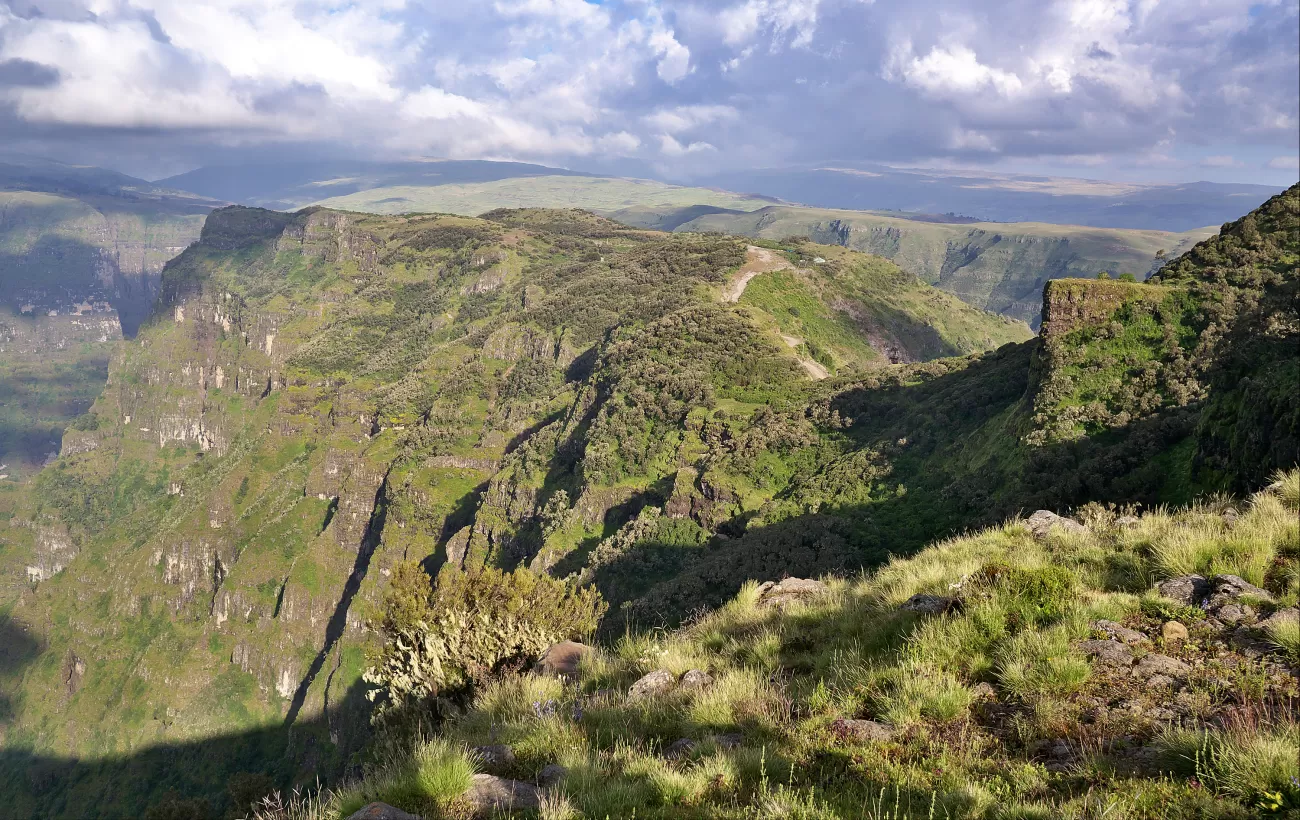
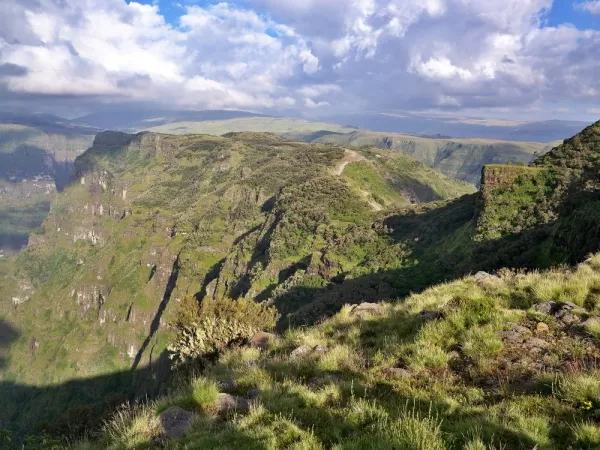
The day begins with breakfast in Konso, followed by an overland transfer to Turmi, covering about 210 kilometers in roughly four hours. The route passes through the heart of the Omo Valley, known for open savannah, dry riverbeds, and scattered settlements of ethnic communities. This drive offers a clear view of daily life in one of Ethiopia’s most culturally rich regions.
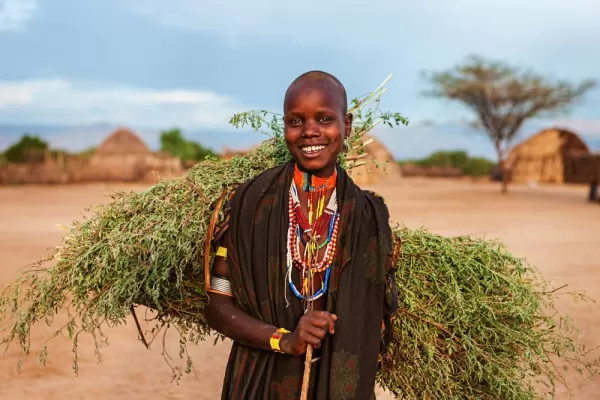
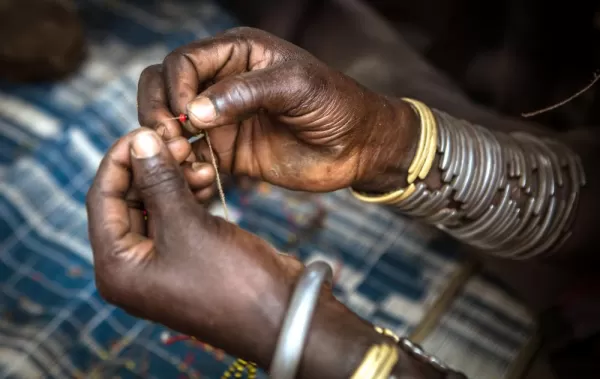
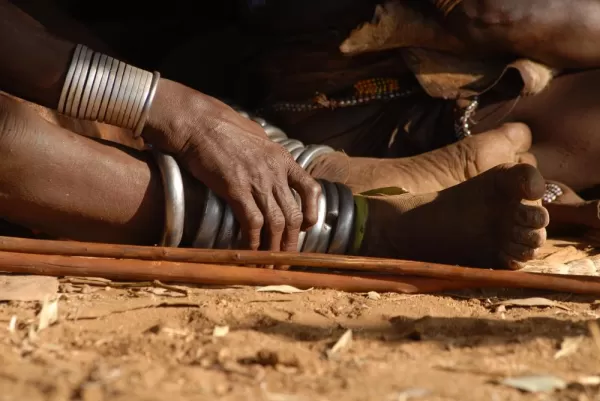
Upon arrival in Turmi, continue with a guided visit to a traditional Hamer village. The Hamer people are among the well-known tribes of the Omo Valley, recognized for strong cultural identity, body decoration, and social traditions. Women are often seen wearing leather skirts decorated with beads, while both men and women display detailed hairstyles and copper or bead ornaments that reflect age and status. The village visit provides insight into customs, housing, and daily activities.
Day 5: Excursion to Karo people (130 km & 4 hrs) and Dasenech Village
Today begins with an early breakfast followed by a guided excursion to Murulle to visit the Karo people, a small agricultural community along the Lower Omo River. The Karo are known for their intricate body art, face painting, headdresses, and scarification, which express beauty, social status, and cultural identity. Daily use of ochre, charcoal, and minerals creates striking patterns that are unique to this tribe, offering an authentic insight into their traditions and way of life.
In the afternoon, continue to Omorate to explore the Dassenech (Geleb) community, one of the largest ethnic groups in the Lower Omo Valley. The Dassenech live in arid lands along the Omo River and Lake Turkana and maintain traditional practices that reflect resilience and deep connection to the environment. Visitors witness local customs, village life, and interactions with the community, providing a meaningful cultural experience.
Day 6: Drive to Turmi - Jinka | Visit Ari and Mursi Villages (130 km & 3 hrs)
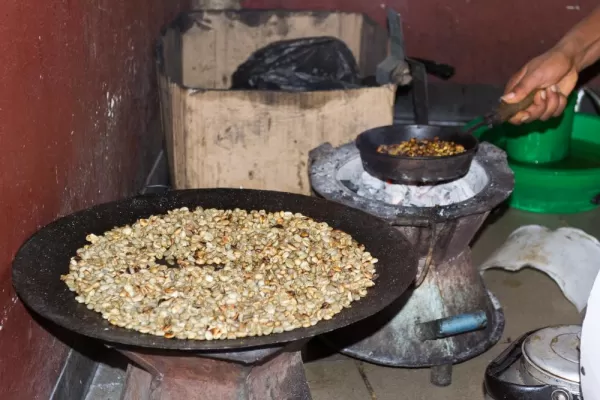
After breakfast in Turmi, the adventure continues with a scenic drive to Jinka, passing through the Key Afer area and observing the countryside of the Omo Valley. The route offers views of rural landscapes, small settlements, and traditional farming communities along the way.
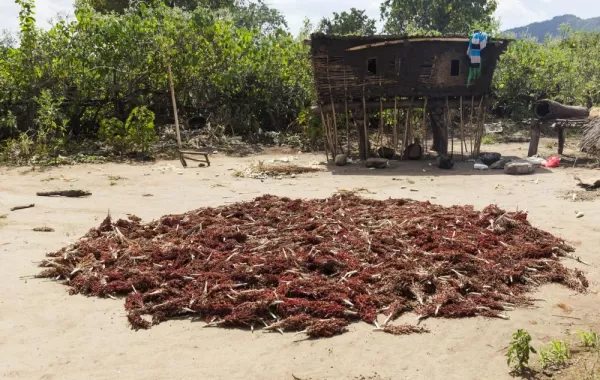
On arrival, visit an Ari village, where local traditions, daily routines, and community life are clearly visible. The Ari people are known for their strong cultural identity, vibrant dances, local music, and handcrafted items. Traditional homes built from local materials reflect the community’s heritage and craftsmanship, offering insight into both practical and cultural aspects of life in the Omo Valley.
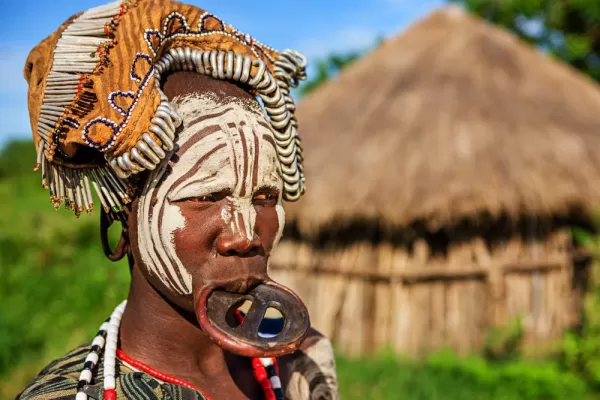
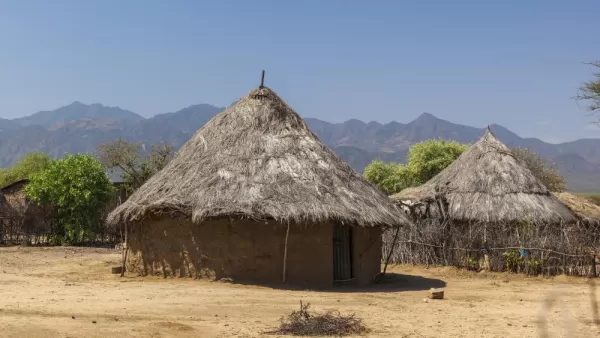
The day also includes a stop in the Key Afer area to meet the Mursi people, one of the most iconic tribes in Ethiopia. The Mursi are famous for lip plates, body decoration using ochre and clay, and traditional ceremonies. Villages feature mud and thatch homes, cattle herding, and farming practices. Observing their crafts, rituals, and agricultural life provides a rare glimpse into the Mursi culture.
After breakfast, transfer to Jinka Airport for a local flight to Addis Ababa (approximately 1 hour). Upon arrival, proceed with a hotel transfer to the hotel. The afternoon is free for rest or personal exploration in the city before evening activities.
In the evening, enjoy a farewell dinner at Yod Abyssinia, featuring a traditional Ethiopian meal accompanied by folkloric dance performances, showcasing the country’s music and culture. This concludes the southern Ethiopia and Omo Valley adventure with a memorable cultural experience.
Day 8: Addis Ababa Sightseeing & Departure
1 Breakfast
After breakfast, start a full-day sightseeing tour of Addis Ababa, Ethiopia’s capital. The tour begins with a visit to Mount Entoto, a historic site where Emperor Menelik II built his palace. The mountain offers panoramic views of the city and hosts several monasteries, making it a significant cultural and religious landmark.
Next, explore the National Museum of Ethiopia, home to the nation’s artistic treasures and archaeological finds, including the famous early hominid skeleton, Lucy. Continue to Trinity Cathedral Church, one of Ethiopia’s most important Orthodox churches, built to commemorate the country’s liberation from Italian occupation.
The tour also includes the Ethnological Museum, located within Haile Selassie’s former palace and set amidst Addis Ababa University’s gardens. The museum provides insights into Ethiopia’s diverse cultures and traditions. Conclude the city tour at Mercato, Africa’s largest open-air market, known for its vibrant trade in coffee, spices, crafts, and local goods.
After sightseeing, transfer to Bole International Airport for the departure flight.
Apologies for the inconvenience. Prices for not yet published. Below per person rate based on previous season. Contact us to confirm upcoming season pricing.
Prices for are estimated based on inflation. Contact us to confirm pricing and availability for your desired departure date.
$5,1412-3 travelers
Notes
Select a Date
Rates based on group of 2 in double occupancy.
Contact us for larger group rates.
Initial deposit is 25%, and most travelers will call our office and pay the deposit with a credit card.
Final payment is due 70 days prior to departure by bank transfer, check, or credit card. Final payments by credit card may be subject to surcharge and a $20,000 maximum charge
Beyond expectations! Then again we weren't sure what to expect. Lovely stay at the lodge, met other like-minded travelers (many had their trips planned by Adventure Life) and the owner was a gracious hostess. It felt like you were one happy family, visiting with a favorite aunt.