Have questions? We're here.
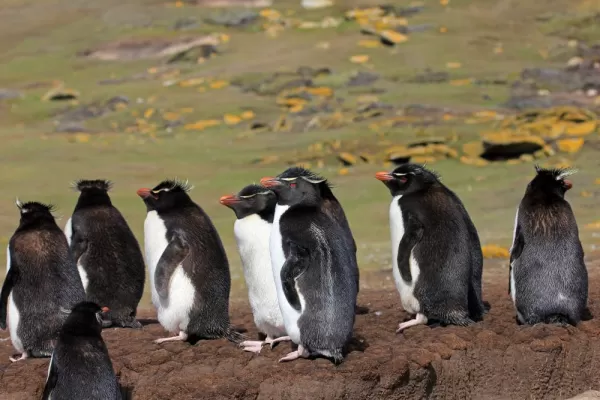
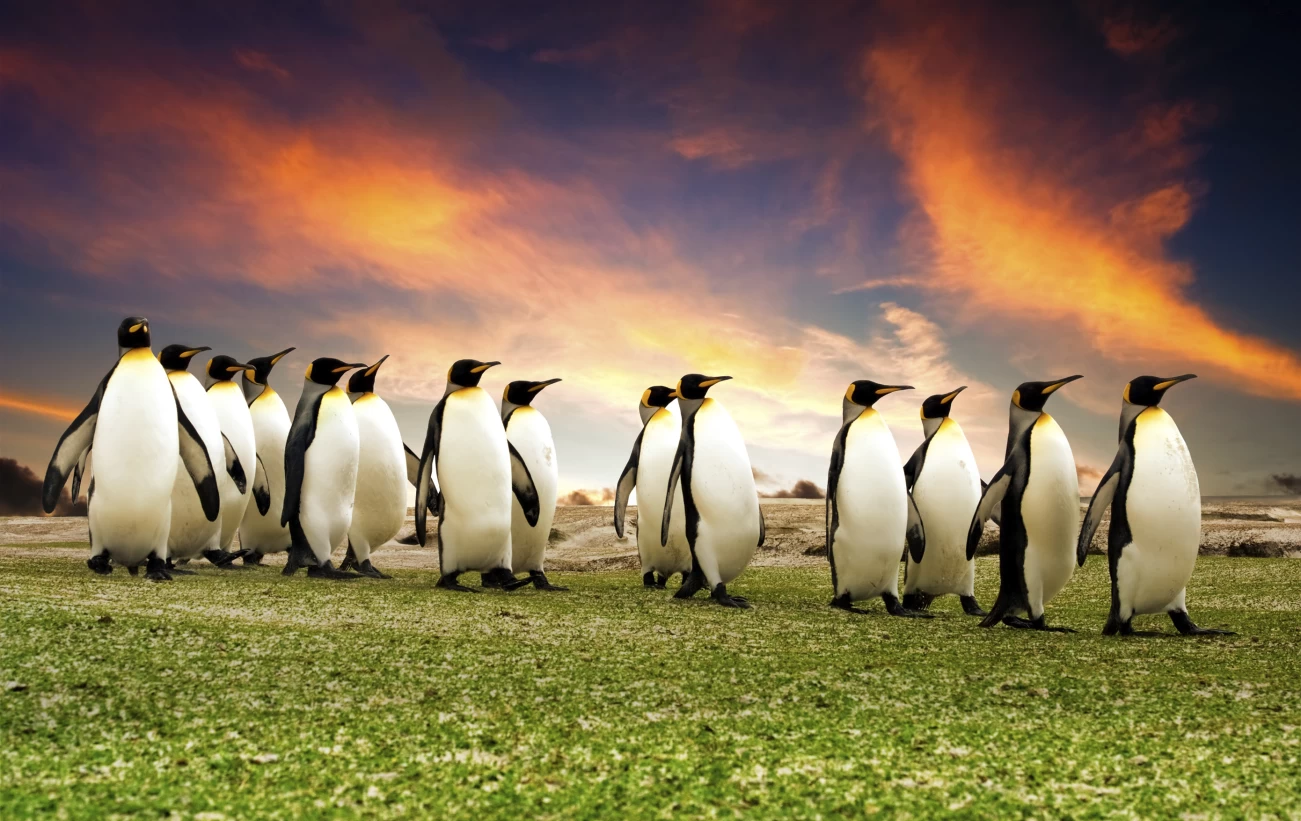
A group of penguins in the Falkland Islands

Falkland Islands and South Georgia: 20-Day Wildlife Adventure

Puerto Madryn - Ushuaia - Example 20 Day Cruise aboard Ocean Explorer
Talk with an expert
Build your ideal Antarctica trip. Call 1.406.541.2677
Start Planning My Trip
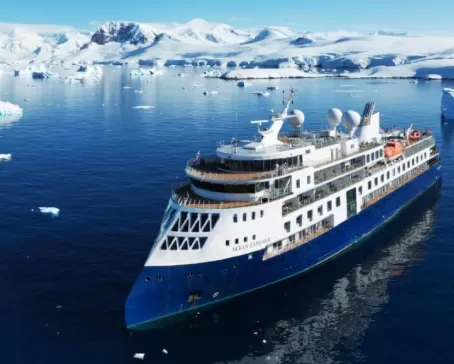
Sail from Puerto Madryn, Argentina to Ushuaia, Argentina on this 20-day expedition aboard Ocean Explorer. Spend several days exploring the Falkland Islands, where weather determines daily landing sites among remote islands known for penguin colonies, albatross nesting grounds and historic communities including Stanley. Continue across the Antarctic Convergence to South Georgia, home to large seabird colonies, seals and dramatic mountain landscapes. Enjoy guided shore landings, Zodiac cruises, wildlife viewing and presentations from the expedition team while sailing through the Southern Ocean. Complete the journey by returning across the Antarctic Convergence before sailing the Beagle Channel to Ushuaia for disembarkation.
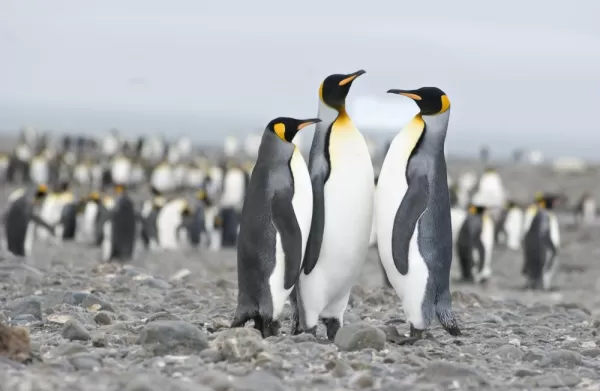
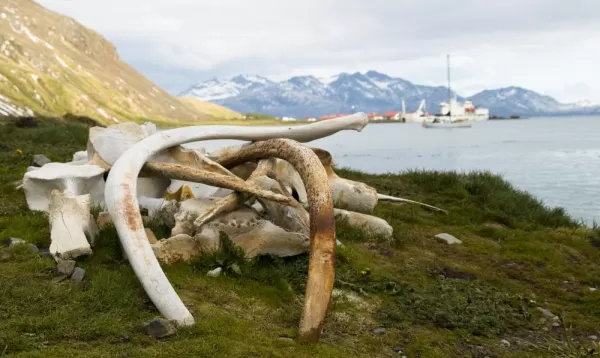
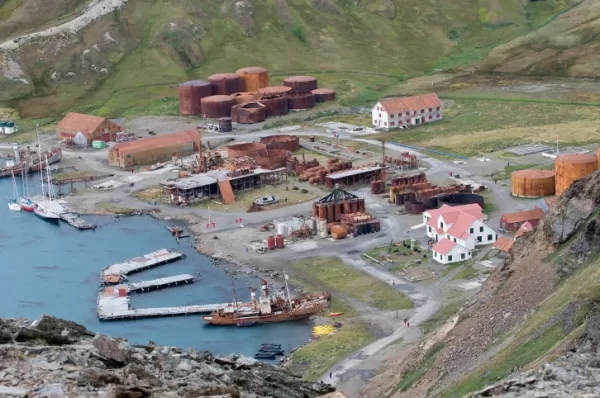
King penguins on South GeorgiaPuerto Madero in Buenos AiresWhale bones at the Grytviken whaling stationWhaling station in GrytvikenA group of penguins in the Falkland Islands
Highlights
  • Visit Stanley museum, monuments and local streets with expert guides
  • Explore Falkland islands with penguins, albatross and coastal landscapes
  • Experience changing waters attracting seabirds, whales and marine wildlife
  • Observe wildlife, glaciers and historic sites across South Georgia
Activity Level: Variable
Activity options vary depending on destination and operator. Activity level is determined by the range and intensity of activities you choose to participate in. Discuss with your Trip Planner which options are best for you.
0

Full Itinerary

Expand All

Day 1: Arrive in Puerto Madryn, Argentina

Arrive in Puerto Madryn and transfer independently to your hotel, which is included in the Charter Flight & Hotel Package. Depending on your arrival time, you may wish to explore this vibrant coastal city, known for its sweeping beaches and rich marine life along the shores of the Golfo Nuevo. Puerto Madryn offers a unique blend of nature and culture, with opportunities to observe diverse wildlife and enjoy the tranquil waters that define this Patagonian gateway.

Day 2: Puerto Madryn | Embark

Following breakfast at your hotel, you’ll board your vessel in Puerto Madryn and begin your expedition. Get ready for an unforgettable adventure ahead.

Day 3-4: At Sea: Getting to Know Your Ship and Fellow Travelers

From Puerto Madryn, set the course for Islas Malvinas, also known as the Falkland Islands, where you aim to dedicate at least three days to exploration. En route, transit rich waters that support an array of wildlife, and in these latitudes—between 42 and 51 degrees north—you may spot avian and marine species you might not see further south. Be sure to spend time on the outer decks taking in the open water, and keep your binoculars handy for any wildlife sightings. Your Expedition Team hosts expert presentations about the Patagonian coastlines and the isolated wildlife hotspots of the Falklands and South Georgia. Time at sea also provides opportunities to slow down and relax, and spend time getting to know your fellow ship mates who have traveled from diverse countries around the globe—and who share your passion for wildlife and adventure. It’s not uncommon for guests to make lifelong friends. As you near the Falkland Islands (also known as Islas Malvinas) sometime in the evening of the second day at sea, you may notice an increase in seabirds, particularly albatrosses. You’ll set course for the farthest—and rarely visited— northwest islands in the archipelago. Some of these islands are annual nesting sites for tens of thousands of birds, including the black-browed albatross. While many eyes may be trained toward the horizon and above in search of birds, stay alert to signs of movement above and beneath the surface of the water. Peale’s, Commerson’s, and dusky dolphins can be seen here, along with the occasional baleen and long-finned pilot whale.

Day 5-7: The Falkland Islands (Islas Malvinas)

With extended time in the Falklands, you’ll seek opportunities to visit seldom explored sites renowned for birdlife and beauty. The destinations depend entirely on weather and marine forecasts, as the outer Falklands are exposed to oceanic swells. You’ll choose locations that offer the best—and safest—conditions for exploration. One such site is the small, slender Steeple Jason, one of the most northwesterly islands in the Falklands. Difficult to access, it has been featured in numerous wildlife documentaries for its prolific black-browed albatross colony—the largest in the world, with an estimated 100,000 to 180,000 breeding pairs. It’s truly a sight to behold. Their closely packed nests stretch for hundreds of meters along the shoreline, just beyond dense tussock grasses. Looking west to sea, you’ll likely see albatross riding the wind. The walk to the colony crosses uneven terrain and impressive tussock grass, which provides critical habitat for many other bird species. These vivid green grasses, rooted in rocky soil, create a striking contrast with the sharp ridgeline in the background. Largely untouched by humans, Steeple Jason is home to a small shepherd’s outpost and a research field station— overshadowed by vast wilderness. Steeple Jason offers a rare chance to feel truly remote amid a vast ecosystem alive with countless animals. The explorations may also take you to New Island, just over thirty nautical miles south of Steeple Jason. A paradise for birders, this small island boasts coves with white sandy beaches sheltered from the open ocean, and is considered one of the most beautiful in the Falklands. Around 25,000 to 30,000 black-browed albatross nest here, joined by Magellanic, gentoo, and southern rockhopper penguins—each with its own distinct nesting style. Other common sightings include songbirds and the formidable striated caracara. Dolphins, including those in shallow waters, are frequently seen in the area, adding to the island’s remarkable wildlife encounters. Other wilderness destinations may include bird-rich West Point and Saunders Islands in the western Falklands. Saunders Island amazes you with its long white-sand beaches, the northern shore stretching for kilometers and facing the open sea. It’s almost surreal—particularly if you’ve encountered penguins in ice-and snowladen Antarctica on previous voyages— to watch gentoo, Magellanic, and southern rockhopper penguins making their way to the water along sandy stretches. There’s also a smaller colony of black-browed albatross nests on a nearby cliff, sharing the gently sloped, grassy island with grazing sheep tended by the warm-hearted Saunders family. Look for Commerson’s dolphins, often spotted in the shallow waters near Saunders’ sandy beaches. West Point Island is another Falkland gem, with vibrant green vegetation and blooming spring flowers. From the rocky beach, a gentle walk (with slight elevation) leads through a picturesque meadow to a cliff where black-browed albatross nest. West Point Island is home to 2,000 breeding pairs. You’ll visit a small section of the colony for intimate views of albatross in their nests and soaring above the waters. The walk passes through grassy fields dotted with wildflowers, blending the domestic with the wild. Energetic hikers may tackle Mt. Ararat for sweeping views, while others can travel by 4X4 to the colony and overlooks. Peale’s dolphins, Falkland steamer ducks, and striated caracara are often seen here. Carcass is another excellent destination. Like Saunders and New islands, Carcass boasts stunning white-sand beaches meeting the cold, blue waters of the South Atlantic. Magellanic and gentoo penguins nest here, and the tussock grasses are especially impressive. Look overhead for peregrine falcons soaring high above. No visit to the Falklands is complete without a stop in its largest community— Stanley. Highlights include the museum (admission covered) and the striking arch monument built from the jaws of blue whales. Pop into a local restaurant or traditional British pub for Falkland f ish and chips, or a pint while chatting with locals about life on this windswept sub-Antarctic island. Stanley has a distinct boundary—where residential streets end and open wilderness and sheep meadows begin to stretch into the horizon. You’ll set sail in early afternoon, allowing plenty of time to cover the 700+ nautical miles to the next destination: South Georgia.

Day 8-9: At Sea: Traversing the Antarctic Convergence

While at sea, you may become aware of the transit over the Antarctic Convergence, or Polar Front. This biological boundary marks where the South Atlantic meets the Southern Ocean, and you’ll notice the change as you cross it. Below the Convergence, the water is much colder, where it meets the warmer Atlantic, cloudy or foggy conditions often form. This mixing of currents creates an ideal foraging ground for a variety of birds and marine mammals. You’ll likely be accompanied by albatross, petrels, and shearwaters, and may spot whales—some species more often than others. Far from shore, you might see Antarctic fur seals. Seeing prions (part of the petrel family) and shags in greater numbers indicates you’re approaching South Georgia.

Day 10-15: South Georgia: Galapagos of the South Seas

With extended time in the Falklands, you seek opportunities to visit seldom explored sites renowned for birdlife and beauty. Destinations depend on weather and marine forecasts, as the outer Falklands are exposed to oceanic swells. You choose locations offering the best—and safest—conditions for exploration. One such site is Steeple Jason, a small, slender island among the northwesterly reaches of the Falklands. Difficult to access, it has been featured in numerous wildlife documentaries for its prolific black-browed albatross colony—the largest in the world, with an estimated 100,000 to 180,000 breeding pairs. Their closely packed nests stretch for hundreds of meters along the shoreline, just beyond dense tussock grasses. Looking west to sea, you’ll likely spot albatross riding the wind. The walk to the colony crosses uneven terrain and impressive tussock grass, which provides critical habitat for many bird species. These vivid green grasses, rooted in rocky soil, contrast sharply with the rugged ridgeline beyond. Largely untouched by humans, Steeple Jason is home to a small shepherd’s outpost and a research field station, dwarfed by vast wilderness—an ideal place to feel truly remote. The explorations may also take you to New Island, just over thirty nautical miles south of Steeple Jason. A paradise for birders, it features sheltered coves with white sandy beaches and is considered one of the most beautiful in the Falklands. Around 25,000 to 30,000 black-browed albatross nest here, alongside Magellanic, gentoo, and southern rockhopper penguins. Songbirds and striated caracara are common, and dolphins— including those in shallow waters—are frequently seen. Other wilderness destinations may include West Point Island and Saunders Island in the western Falklands. Saunders Island impresses with long white-sand beaches, its northern shore stretching for kilometers along the open sea. It’s almost surreal to watch gentoo, Magellanic, and southern rockhopper penguins making their way to the water across sandy stretches. A smaller colony of black-browed albatross nests on a nearby cliff, while grazing sheep, tended by the Saunders family, roam the grassy slopes. Look for Commerson’s dolphins in the shallows. West Point Island is another highlight, with vibrant green vegetation and blooming spring flowers. A gentle walk leads to a cliffside colony of about 2,000 breeding pairs of blackbrowed albatross. Energetic hikers may tackle Mt. Ararat, while others can travel by 4×4. Peale’s dolphins, Falkland steamer ducks, and striated caracara are often seen here. Carcass is another excellent destination. Like Saunders Island and New Island, it features white-sand beaches meeting the cold, blue waters of the South Atlantic. Magellanic and gentoo penguins nest here, and peregrine falcons are often seen overhead. No visit to the Falklands is complete without time in Stanley, its largest community. Highlights include the museum and the striking arch monument built from the jaws of blue whales. Visit a local restaurant or traditional British pub for Falkland fish and chips, or enjoy a pint while chatting with locals. You set sail in the early afternoon for the 700+ nautical mile journey to South Georgia.

Day 16-19: At Sea: Starting the Journey Home

To say that South Georgia is remote would be an understatement, and as such, you’ll need to invest the necessary time to travel the more than 1,000 nautical miles on your return to South America. You’ll begin the westward journey through the Southern Ocean, crossing back over the Antarctic Convergence and passing near Burwood Bank—a shallow underwater plateau surrounded by deeper waters. All three of these dynamic regions can provide opportunities for bird-watching and marine mammal sightings, and you’ll feel the gradual shift from the chillier ecological Antarctic to the somewhat warmer environments of Tierra del Fuego. If the skies are clear and visibility is good, you might catch your first views of the South American mountains on the horizon well before nightfall. As with other regions you’ve visited, the shelves near the continent can be rich with birdlife and occasionally marine mammals—but the journey isn’t over quite yet. After dinner, you sail west through the famous Beagle Channel on your approach to Ushuaia, Argentina.

Day 20: Disembark in Ushuaia

  • 1 Breakfast
Once the ship has docked in Ushuaia, you bid farewell to your Expedition Team and shipmates before completing your disembarkation. You are then free to continue your onward journey.

Ship/Hotel

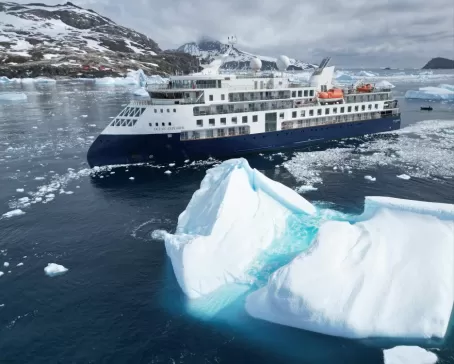
Ocean Explorer

Ocean Explorer
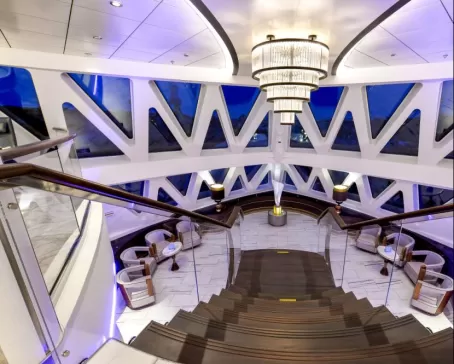
Atrium - Two level lounge
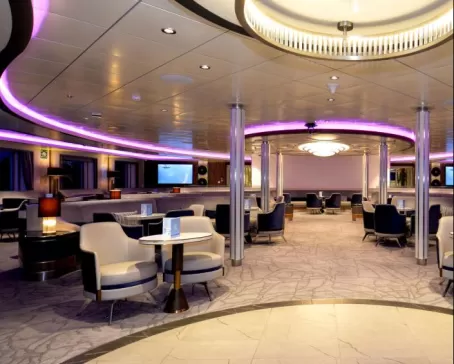
Explorer Presentation Lounge

Puerto Madryn - Hotels

Dates & Prices

My Preferred Start Date

Per person starting at
$26,395 2-3 travelers
Rates are dynamic and fluctuate based on capacity. Contact us for a specific quote.
Triple Suite
Triple Suite
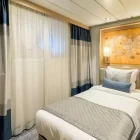
Located on Deck 6 and approximately 298 sq. ft. (27.7 sq. m.) in size, these Standard cabins accommodate 1 to 3 guests. Each cabin is configured with three twin beds, offering flexible sleeping arrangements.
Ocean Explorer  - Deluxe Veranda Forward Stateroom
Deluxe Veranda Forward
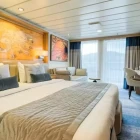
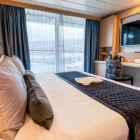
Located on Deck 4 and approximately 182 sq. f. (16.9 sq. m,) in size, these cabins have one double bed that can be configured into two singles. There is a floor to ceiling glass view that opens to a walkout balcony. There is also a desk and chair, TV, state of the art 'infotainment' system and private bathroom with shower, vanity and heated floor.
Ocean Explorer - Deluxe Veranda Stateroom
Veranda Stateroom
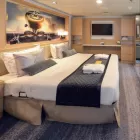
Located throughout the ship and approximately 208 sq. f. (19.3 sq. m,) in size, these cabins have one double bed that can be configured into two singles, and seperate sitting area furnished with two club chairs and a reading table. There is a floor to ceiling glass view that opens to a walkout balcony. There is also a desk and chair, TV, state of the art 'infotainment' system and private bathroom with shower, vanity and heated floor. Note: 611 and 612 do not have the club chairs and a reading table.
Grand Veranda State Room
Veranda Suite
Located throughout the ship and approximately 205 sq. ft. (19.2 sq. m,) in size, these cabins have one double bed that can be configured into two singles, and seperate sitting area furnished with a sofa-bed. There is a floor to ceiling glass view that opens to a walkout balcony. There is also a desk and chair, TV, state of the art 'infotainment' system and private bathroom with shower, vanity and heated floor.
Ocean Explorer  - Studio Single
Studio Single
Designed for one. These cabins are located on Deck 3 and approximately 166 sq. ft. (15,4 sq. m,) in size, with one double bed and a porthole view. There is also a desk and chair, TV, state of the art 'infotainment' system and private bathroom with shower, vanity and heated floor.
Junior SuiteJunior Suite Receiving area
Junior Suite
Located on Deck 6 and approximately 298 sq. f. (27.7 sq. m,) in size. These 2-room suites have one double bed that can be configured into two singles in the inner bedroom and an outer sitting room furnished with a sofa-bed, and activity table for two. From the bedroom there a floor to ceiling glass view that opens to a double sized walkout balcony. There are also 2 TV's, state of the art 'infotainment' system and private bathroom with bathtub, vanity and heated floor.
Ocean Explorer - Studio Veranda Single
Studio Veranda Single
Designed for one. This unique cabin is located on Deck 7 and approximately 162 sq. f. (15.1 sq. m.). It has one twin bed with a floor to ceiling glass view that opens to a generous walkout balcony. There is also TV, state of the art 'infotainment' system and private bathroom with shower, vanity and heated floor.
Ocean Explorer - Explorer Suite
Penthouse Suite
This unique 2-room suite is located on Deck 7 and is approximately 269 sq. f (25.0 sq. m.) in size. It has one double bed that can be configured into two singles in the inner bedroom.and the outer sitting area is furnished with a sofa-bed. Walk-out from either room to a double sized balcony . There are also 2 TV's, state of the art 'infotainment' system and private bathroom with shower, vanity and heated floor. And an additional powder room in the outside sitting area.
Owners SuiteOwner's Suite - Receiving area
Owners Suite
This massive 2-room suite is located on Deck 7 and is approximately 443 sq. f (41.2 sq. m.) in size. It has one double bed that can be configured into two singles in the inner bedroom. The inner bedroom has a private en-suite with a bathdub, vanity and heated floor. The outer room is furnished with a sofabed, club chair and 4-seat dining table. Walk-out from either room to a triple sized balcony . There are also 2 TV's, state of the art 'infotainment' system and an additional private bathroom with shower, vanity and heated floor for the outer room.

Notes

- Rates are quoted in U.S. dollars and represent costs per person, double occupancy. Request the Twin Share Program where you are matched with a cabin mate of the same gender. Even if a cabin mate is not found for you, no single supplement will be charged.

- Standard Cabins are available for single occupancy at 1.7 times the double occupancy rate. The supplement for a Premium Cabin is 2 times the shared rate.

Insurance: Emergency medical evacuation coverage for a maximum benefit of US$500,000 per person is included. Travelers should have a minimum US$50,000 (or equivalent) of emergency medical coverage prior to embarkation. It is recommended that you and all members of your party have comprehensive travel insurance covering trip cancellation, trip delay (interruption or after departure coverage), baggage, and repatriation. Contact us for details.
Included
  • 19 Breakfasts, 18 Lunches, 19 Dinners
  • 19 Nights Accommodations
  • Accommodations as listed
  • Ground transportation as listed
  • Activities as listed
  • Meals as listed
  • Access to a 24-7 Emergency line while traveling
  • Coffee, Tea and Cocoa Available Around the Clock
  • Leadership throughout the expedition by our experienced Expedition Leader
  • Loan of Waterproof Boots for Landings
  • Official Expedition Parka to Keep
  • Photographic Journal Documenting the Expedition
  • All miscellaneous service taxes and port charges throughout the program
  • All Zodiac transfers and cruising per the daily program
  • Emergency Evacuation insurance for all passengers to a maximum benefit of USD $500,000 per person
  • All shore landings as per the daily program
  • Shipboard accommodation with daily housekeeping
  • All meals, snacks, soft drinks and juices on board throughout your voyage
  • All luggage handling aboard the ship
  • Free beer, standard wines, spirits, and cocktails during bar service hours and dinner
Excluded
  • Gratuities
  • Travel Insurance
  • Personal Expenses
  • Flight costs (please request a quote)
  • Additional excursions during free time
  • Fuel and transportation surcharges (when applicable)
  • Passport and Applicable Visa Expenses
  • Government arrival and departure taxes
  • Internet & Phone Charges
  • Excess baggage charges
  • Mandatory Waterproof Pants for Zodiac Cruising & Any Other Gear Not Specifically Mentioned
  • Arrival and departure transfers, except where explicitly stated
  • Adventure Options not listed in Included Activities

Map

Popular Add-ons

Inquire

* By providing your phone number, you consent to receive direct phone calls or SMS messages from our Trip Planners to get the process started. We do not share your information with third-parties.
Change & customize to make it yours.
Travel Agents

We Love to Talk Travel

Call 1.800.344.6118
or
Chat Now
We are so glad that we chose Adventure Life. The service is top-notch. Everything is well taken care of and we just have to print the documents and go. Franny even gave us timely updates on possible airport strike.
KC Chan

Why Travel With Us?

More Value.

Receive personal attention and concierge-level service for the same cost as booking direct. Gain access to exclusive rates, perks, and insider expertise on how to maximize the value for your dollar.

Rewards That Go Further

Secure your 5% Past Traveler Rewards across a wide range of ships and destinations - not a single brand and not just cruises.

Advocacy That Matters

You're backed by a team that knows the industry and has strong relationships—helping ensure you're prioritized and well taken care of every step of the way.

As Featured In

How it Works

Connect

No cost, no commitment. Talk with our experts about your dream trip.

Plan

Share your travel style—we match you with the right itinerary or create one just for you.

Book

Lock in knowing every detail is handled and you’re fully supported.

Travel

Enjoy a seamless journey—and unlock 5% off your next adventure.