
Have questions? We're here.
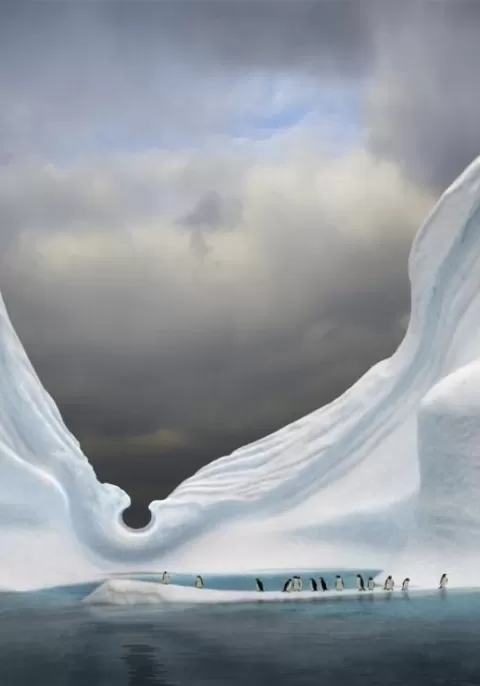
| Month | Avg Temperature Range | Daylight | Weather Conditions | Travel Notes |
|---|---|---|---|---|
| November | −5°C to 0°C | Long daylight | Warming temperatures, melting sea ice | Start of expedition season and penguin nesting |
| December | −2°C to 5°C | 24 hours daylight | Mildest Antarctica weather, calmer seas | Best visibility and peak wildlife activity |
| January | −2°C to 5°C | 24 hours daylight | Warmest Antarctica temperatures of the year | Ideal for cruises, photography, and landings |
| February | −5°C to 2°C | Long daylight | Cooling begins, ice still accessible | Excellent whale sightings |
| March | −10°C to −2°C | Shortening days | Colder conditions and increasing ice | Final month for travel before winter |
| April | −20°C to −10°C | Rapidly decreasing | Harsh weather and freezing seas | Expedition travel ends |
| May | −30°C to −15°C | Polar night begins | Extreme cold and darkness | Research stations only |
| June | −40°C to −25°C | 24 hours darkness | Coldest and driest conditions | No tourism |
| July | −45°C to −30°C | 24 hours darkness | Lowest Antarctica temperatures | Scientists remain only |
| August | −45°C to −30°C | 24 hours darkness | Severe cold and strong winds | No access for travelers |
| September | −35°C to −20°C | Increasing daylight | Early spring conditions | Sea ice still blocks travel |
| October | −20°C to −10°C | Growing daylight | Ice begins to break up | Preparation phase for expeditions |


By submitting your email address, you are agreeing to opt in to marketing communications. We hold your information private and do not share it with third parties.


Our team is waiting and ready to talk with you about your next adventure. So go ahead and book an appointment with one of our specialized trip planners.
Let's Chat