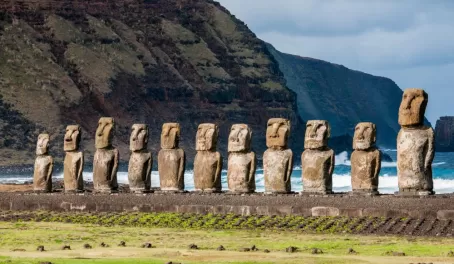
Easter Island, also known as Rapa Nui, is a remote volcanic island located in the southeastern Pacific Ocean. This enigmatic destination is famous for its gigantic Moai statues, stunning landscapes, and rich Polynesian culture. Whether you're a history enthusiast, an outdoor adventurer, a nature lover, or a family looking for an extraordinary vacation, Easter Island has something truly exceptional for everyone. Let's explore the top attractions and activities that make Easter Island a must-visit destination.
Why Visit Easter Island?
Easter Island, or Rapa Nui, is one of those places that stays with you long after you’ve left. It sits in the middle of the Pacific Ocean, thousands of kilometres from the nearest coast, and feels unlike anywhere else on Earth. What makes it special isn’t just the remote location, it’s the deep, living culture and the mystery behind the moai statues. You’ll hear the Rapa Nui language, see traditional carvings, and sense a connection to the past that’s hard to put into words. The culture here is alive, proud, and welcoming, which adds so much meaning to the experience of visiting.
This is a true bucket-list destination thanks to its mix of history, scenery, and storytelling. Travellers come for the iconic moai, of course, but also for the emotional pull of the island, grassy volcanic craters, dramatic cliffs, endless ocean views, and archaeological sites that make you pause and imagine what life was like centuries ago. Standing in front of the moai, you’re reminded that this isn’t just a stunning place to visit; it’s a window into humanity’s creativity, resilience, and relationship with the natural world. Easter Island blends culture, legend, and landscape in a way that feels meaningful, memorable, and completely unique.
Top Things to Do in Easter Island
Explore the Moai Statues
One of the most iconic and captivating features of Easter Island is the enigmatic Moai statues. These massive monolithic figures, carved by the Rapa Nui people centuries ago, are scattered across the island, creating a sense of mystery and wonder. The statues range in height, with some towering at over 30 feet. Each Moai is believed to represent deceased ancestors and holds significant cultural and historical value.
Who it appeals to: History enthusiasts, archaeology buffs, and those intrigued by ancient civilizations will be spellbound by the sheer magnitude and cultural significance of the Moai statues. Families with older children can embark on an educational journey to learn about the island's intriguing past.
Insider Tips: To fully appreciate the Moai statues, consider hiring a local guide who can provide in-depth historical and cultural insights or have that and all other logistics taken care of by planning your trip with our Adventure Life experts. Additionally, visiting at sunrise or sunset offers a magical and serene atmosphere, perfect for contemplation.
Practicalities: The main sites where the statues are located, such as Ahu Akivi and Ahu Tahai, are easily accessible by car or guided tours. Entrance to the sites is included in the National Park ticket, which costs approximately $80 USD per person and is valid for multiple entries within a two-week period.
Photo by Stephanie Smith
Explore Rano Raraku
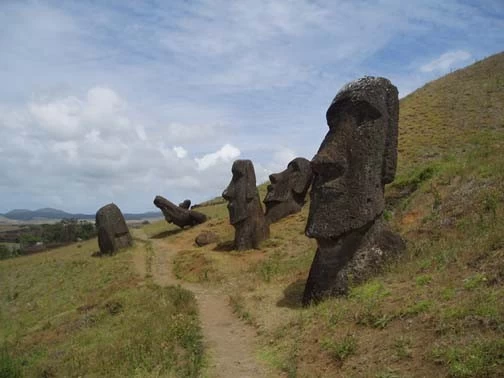
Rano Raraku is a volcanic crater located on Easter Island that holds immense archaeological and historical significance. Often referred to as the "Moai quarry," this site was the primary location where the Moai statues were carved. Visitors to Rano Raraku can witness the awe-inspiring sight of numerous partially carved Moai, some still attached to the rock face, offering a unique glimpse into the island's ancient craftsmanship and artistic process.
Who it appeals to: History enthusiasts, nature lovers, and travelers interested in archaeological mysteries will find Rano Raraku to be a mesmerizing and educational experience. This site is suitable for visitors of all ages, but those with mobility concerns should be aware that the terrain can be uneven and rocky.
Insider Tips: Opt for a guided tour of Rano Raraku to gain a comprehensive understanding of the historical and cultural significance of the site. Additionally, bring sturdy walking shoes, sun protection, and ample water, as the sun can be intense, and the terrain requires moderate physical exertion.
Practicalities: Rano Raraku is part of the Rapa Nui National Park and is accessible with a valid park ticket. The site is located approximately 15 kilometers from Hanga Roa, the island's main town, and can be reached by car or guided tours.
Unwind at Anakena Beach
Anakena Beach stands out as a picturesque and inviting oasis nestled along the northern coast of Easter Island. This idyllic white-sand beach is framed by swaying palm trees and boasts crystal-clear turquoise waters, making it an ideal retreat for relaxation and rejuvenation. In addition to its natural beauty, Anakena Beach holds historical significance as the landing site of the island's legendary founder, Hotu Matu'a.
Who it appeals to: Nature enthusiasts, sun-seekers, and families looking for a tranquil and family-friendly beach experience will find Anakena to be a delightful tropical escape. The gentle waves and shallow waters also make it suitable for children and less experienced swimmers.
Insider Tips: Arrive early to secure a prime spot on the beach and take advantage of the serene morning atmosphere. Consider packing a picnic to enjoy under the shade of the palm trees, and don't forget to explore the nearby archaeological sites and the iconic Ahu Nau Nau.
Practicalities: Anakena Beach is located approximately 20 kilometers from Hanga Roa and is accessible by car, public transportation, or guided tours. The beach facilities include restrooms, showers, and food vendors offering local snacks and refreshments.
Hike to Rano Kau Crater & Orongo Village
Rano Kau is a dormant volcanic crater that forms the southwestern headland of Easter Island. This natural wonder offers stunning panoramic views of the island, the Pacific Ocean, and the impressive crater lake within its depths. The hike to the top of Rano Kau rewards adventurers with a sense of achievement and unparalleled vistas that capture the island's unique terrain and geological formations.
Who it appeals to: Outdoor enthusiasts, hikers, and photography enthusiasts will appreciate the opportunity to embark on a moderately challenging hike surrounded by breathtaking scenery. The tranquility and raw natural beauty also make Rano Kau a compelling choice for solo travelers seeking moments of reflection.
Insider Tips: Begin the hike in the early morning to avoid the midday heat and enjoy the best lighting for photography. Be prepared with sturdy footwear, sufficient water, and sun protection, as the trail can be steep and uneven in certain sections.
Practicalities: The trailhead for Rano Kau is located near Hanga Roa, and the hike takes approximately 1-2 hours to reach the summit. Visitors should exercise caution near the crater rim, as there are no safety barriers in place.
Indulge in Polynesian Cuisine
Exploring the culinary offerings of Easter Island is an essential part of experiencing its rich Polynesian culture and traditions. The island's cuisine features an array of fresh seafood, tropical fruits, and indigenous ingredients, providing a delectable fusion of flavors and influences. Visitors have the opportunity to savor traditional dishes such as ceviche, tuna empanadas, and curanto, a Polynesian feast cooked in an underground oven.
Who it appeals to: Food enthusiasts, cultural explorers, and those seeking an immersive sensory experience will relish the chance to delight their taste buds with authentic Polynesian fare. Families with children can find child-friendly versions of local dishes, ensuring a delicious dining experience for all.
Insider Tips: Venture beyond the main tourist areas to discover local eateries and family-operated restaurants that offer genuine and unpretentious Polynesian dishes. Engage with the chefs and proprietors to gain insights into the ingredients and cooking techniques used in traditional Rapa Nui cuisine.
Practicalities: Numerous dining establishments in Hanga Roa and beyond feature Polynesian and international culinary options, catering to a range of tastes and preferences. Visitors with dietary restrictions or specific food preferences can communicate their needs to the restaurant staff to accommodate meal options.
Witness the Ancient Petroglyphs
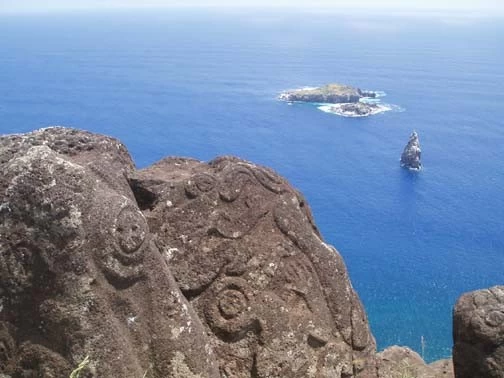
Easter Island is adorned with a wealth of petroglyphs, intricate rock carvings that offer a captivating glimpse into the island's indigenous art and cultural heritage. The petroglyphs, also known as kohau rongo-rongo, feature symbolic motifs, anthropomorphic figures, and geometric patterns, each holding significant meaning and reflecting the ancestral beliefs of the Rapa Nui people.
Who it appeals to: Art aficionados, history buffs, and visitors with a fascination for ancient symbolism and artistic expression will find the petroglyph sites to be a treasure trove of cultural insights and aesthetic appreciation. Families with children can engage in educational explorations of the island's ancient art forms.
Insider Tips: Visit the petroglyph sites accompanied by a knowledgeable guide who can provide detailed interpretations of the symbolic meanings and historical contexts of the rock carvings. Take along a camera or sketchpad to document the captivating petroglyphs and the surrounding natural landscapes.
Practicalities: Some of the notable petroglyph sites, such as Orongo and Papa Vaka, require admission fees and may have limited visiting hours. Guided tours often include multiple petroglyph locations, providing a comprehensive experience of the diverse rock art found across the island.
Photo by Stephanie Smith
Attend a Traditional Rapa Nui Performance
Immerse yourself in the vibrant and expressive culture of Easter Island by attending a traditional Rapa Nui performance. These captivating showcases, featuring live music, dance, and storytelling, offer a window into the island's Polynesian heritage and the enduring traditions of the Rapa Nui people. Through rhythmic drumming, intricate costumes, and evocative choreography, the performers bring to life the island's folklore and ancestral narratives.
Who it appeals to: Culture enthusiasts, music and dance aficionados, and travelers interested in indigenous traditions and rituals will find the performances to be enchanting and enlightening. Families with children can engage in a culturally enriching experience suitable for all ages.
Insider Tips: Seek out authentic and community-driven performances that prioritize cultural authenticity and genuine storytelling. Engage with the performers after the show to gain further insights into the significance of the dances and music within the Rapa Nui culture.
Practicalities: Traditional Rapa Nui performances are often held in Hanga Roa at dedicated venues or as part of cultural events and festivals. Visitors can inquire about performance schedules at local tourist information centers or through their accommodations.
Immerse in Rapa Nui History at the Father Sebastian Englert Anthropological Museum
For a comprehensive exploration of the island's history, culture, and archaeology, a visit to the Father Sebastian Englert Anthropological Museum is highly recommended. The museum houses an extensive collection of artifacts, exhibits, and interpretive displays that shed light on the ancient heritage and contemporary life of the Rapa Nui people. From intricately crafted artifacts to informative panels, the museum offers a deep dive into the island's captivating history.
Who it appeals to: History enthusiasts, museum aficionados, and inquisitive travelers seeking contextual insights into the island's past and present will find the museum to be a valuable and educational experience. Families with children can engage in interactive learning opportunities and captivating displays suitable for all ages.
Insider Tips: Take your time to absorb the wealth of information and visual displays within the museum, and consider utilizing the services of an experienced guide who can provide nuanced explanations and historical anecdotes related to the exhibits. Capture photographs of the exhibits to further enhance your understanding and memories of the visit.
Practicalities: The Father Sebastian Englert Anthropological Museum is located in Hanga Roa and is easily accessible from various accommodations. The museum is typically open throughout the week, and visitors can purchase entry tickets at the museum entrance.
Embark on a Scenic Cycling Adventure
Exploring Easter Island on two wheels presents a unique and immersive way to experience the island's landscapes, coastline, and lesser-known attractions. Cycling enthusiasts can traverse the island's network of paved roads, meandering paths, and coastal routes, encountering breathtaking vistas, hidden coves, and verdant surroundings along the way. With the option to rent bicycles in Hanga Roa, visitors can embark on self-guided or guided cycling adventures suitable for various skill levels.
Who it appeals to: Outdoor adventurers, cycling enthusiasts, and nature lovers seeking an active and eco-friendly way to explore the island's natural beauty and scenic viewpoints will be invigorated by the opportunity for discovery on two wheels. Families with older children can engage in leisurely cycling excursions suitable for varying fitness levels.
Insider Tips: Plan your cycling routes, taking into account the terrain, weather conditions, and specific points of interest you wish to visit. Carry ample water, snacks, and sunscreen, and be prepared for occasional windy conditions, especially along the coastal routes.
Practicalities: Bicycle rental shops in Hanga Roa offer a range of options, including mountain bikes, electric bikes, and cruisers, with daily or hourly rental rates. Safety equipment, such as helmets and reflective gear, is typically provided with the rentals, and visitors should adhere to road safety regulations while cycling.
Visit Rapa Nui National Park
Rapa Nui National Park is where you’ll find the Easter Island you’ve always imagined: endless green slopes dotted with moai statues, rugged coastlines carved by the Pacific, and a sense of calm that’s hard to describe. As a UNESCO World Heritage site, the park protects the island’s ancient ahu (stone platforms) and archaeological remains, many of which you can see up close while wandering along well-marked trails. Every path reveals something new — a toppled moai here, a restored platform there, or a sweeping ocean lookout that makes you pause and stay a little longer. It’s the kind of place where history feels alive, and where the landscape itself tells a story.
Who it appeals to: Heritage travellers, hikers, photographers, and anyone curious about ancient Polynesian culture.
Insider tips: Start early to enjoy quieter paths and softer morning light, and consider hiring a local guide to better understand the meaning behind the statues and platforms. Bring plenty of water and sun protection — shade is limited, and the weather can change quickly.
Practicalities: A park pass is required to enter most sites, and it must be purchased within 48 hours of arrival at the airport or in Hanga Roa. Some areas require guided visits, and trails vary in length and difficulty. Wear sturdy shoes, stay on the marked paths, and follow local rules to help protect the fragile archaeological areas.
Sunrise at Ahu Tongariki
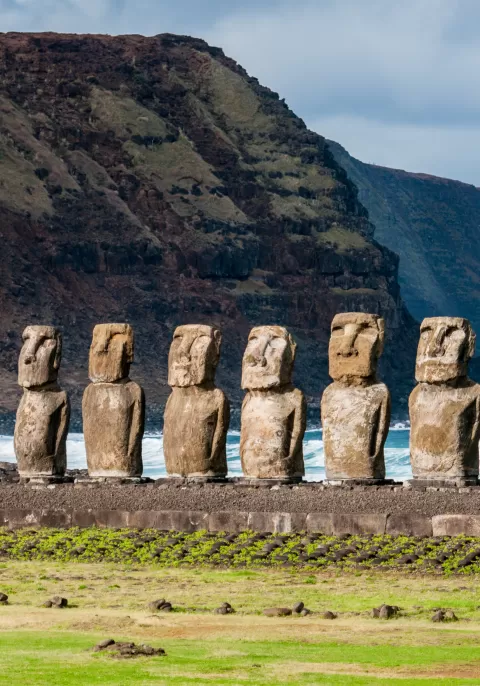
Ahu Tongariki is the most famous place to watch sunrise on Easter Island, and it’s easy to see why. Standing in front of the Pacific Ocean are 15 moai, all lined up facing inland, with the sky slowly shifting from deep blue to soft orange behind them. It’s peaceful, a little surreal, and completely unforgettable. Even if you’ve seen photos before, being there in person feels different, the size, the silence, and the colours all come together in a way that’s hard to describe. It’s one of those moments where you just put the camera down for a second and take it in.
Who it appeals to:
Travellers who love history, photography, and meaningful moments in nature.
Insider tips:
Arrive early to get a good spot and avoid tour groups. Bring a jacket – it can be windy and chilly before sunrise.
Practicalities:
The site is about a 30-minute drive from Hanga Roa, and you’ll need a National Park ticket to enter. There are no facilities at the site, so plan ahead.
Discover Anakena Beach
Anakena Beach is one of Easter Island’s most peaceful corners, with a long stretch of powdery white sand framed by gentle turquoise waves. It feels different from the rugged coastline found elsewhere on the island, making it a perfect place to slow down between sightseeing stops. The moai statues standing watch just behind the shore add something truly special—where else can you float in warm water while looking up at ancient stone faces? It’s an inviting spot for a swim, a picnic, or simply lying on the sand and taking in the quiet beauty of Rapa Nui.
Who it appeals to:
Travellers who want a relaxed break from exploring archaeological sites, beach lovers, families, and anyone looking to combine history with a peaceful seaside setting.
Insider tips:
The beach gets busier in the afternoon, so come early if you want it at its quietest. Bring water, snacks, and sun protection—there’s limited shade, and the sun can feel strong.
Practicalities:
Anakena Beach is about a 20–25 minute drive from Hanga Roa. Facilities are limited but include restrooms and small food stalls when open. Swimming is generally calm here, but always follow local guidance and posted signs.
Rano Raraku Quarry
Rano Raraku is one of the most fascinating places on Easter Island, simply because this volcanic quarry is where the famous moai statues were born. As you walk around the slopes, you’ll see dozens of half-finished moai still attached to the rock, offering a rare glimpse into how they were carved, shaped, and prepared for transport. The whole area feels like an open-air workshop frozen in time, and seeing these giants up close makes it easy to imagine the incredible skill and effort involved. It’s a peaceful, almost surreal setting, with rolling hills, scattered statues, and views that stretch across the island. For many travellers, this is the moment Easter Island truly comes to life—seeing where the moai began gives the whole story more meaning.
Who it appeals to
Curious travellers, history lovers, archaeology fans, and anyone who wants a deeper connection to the moai story.
Insider tips
Go early to avoid crowds and strong sun. Take time to circle the trail—some of the most dramatic moai views are tucked a little further along.
Practicalities
Entry is included with the Rapa Nui National Park ticket. The path is uneven in spots, so wear sturdy shoes and bring water, sunscreen, and a hat.
Visit Puna Pau Quarry
Visit Puna Pau Quarry, a small yet important site tucked into the grassy hills just outside Hanga Roa. This quiet volcanic crater is where ancient Rapa Nui carvers sourced red scoria stone to create the distinctive “topknots” (called pukao) that sit on top of many moai statues. Walking along the short paths, you’ll see large, unfinished pukao scattered around the crater, offering a clear look at how these pieces were shaped and transported. The site feels peaceful and uncrowded, with wide views across the island and a sense of history that’s easy to appreciate even without a guide. It’s a great stop to pair with nearby moai sites and gives context to the craftsmanship that went into each statue’s final details.
Who it appeals to:
Travellers interested in archaeology, culture, and ancient craftsmanship; photographers; visitors who enjoy quieter historical sites.
Insider tips:
Visit in the late afternoon for softer light and fewer crowds. Wear sturdy shoes, as the ground can be uneven. Consider hiring a local guide to understand the quarry’s cultural role and how the pukao were carved and moved.
Practicalities:
About 15 minutes by car from Hanga Roa; short walking paths with easy gradients; signage on-site but limited shade and facilities, so bring water and sun protection. Permits or national park passes may be required.
Explore Hanga Roa
Hanga Roa is the lively heart of Easter Island and the first place most visitors get to know. It’s the island’s main town, lined with small restaurants, bakeries, cafés, and open-air markets where you can try local food and pick up handmade souvenirs. A stroll through town brings you to everyday life on Rapa Nui—kids walking home from school, fishermen unloading their catch, and elders chatting by the shore. Two easy highlights are the Church of Rapa Nui, known for its unique wooden carvings and Sunday services filled with hymns sung in the local language, and the artisan shops nearby where you’ll find beautifully crafted woodwork and stone art inspired by the island’s history. It’s a friendly, welcoming place that offers a genuine look at island culture beyond the famous moai.
Who it appeals to:
Travellers who enjoy local culture, easy sightseeing, food experiences, and relaxed wandering around town.
Insider tips:
Visit early in the morning for a quieter feel and fresh pastries; on Sundays, attend church to hear traditional songs; and stop by the markets for souvenirs made by local artisans rather than imported goods.
Practicalities:
Most guesthouses, tour operators, and rental car/scooter companies are based here, making it a convenient base for the entire trip. Most places accept credit cards, but carrying some cash is handy, and comfortable walking shoes are useful for exploring the town on foot.
Scuba Diving & Snorkeling
Scuba diving and snorkelling around Easter Island is a real treat for anyone who loves being in the water. The visibility here is incredible, often up to 40–60 metres, which means you’ll clearly see colourful coral gardens, lava rock formations, and schools of endemic fish you won’t find anywhere else. Many visitors also head out to dive near a submerged moai replica, placed deliberately underwater as a playful nod to the island’s famous statues. Whether you’re a seasoned diver or just someone who enjoys relaxed snorkelling close to shore, the tropical marine world around Easter Island feels surprisingly calm, quiet, and full of life.
Who it appeals to:
Curious travellers who enjoy underwater experiences, scuba divers seeking unique sites, and snorkellers looking for calm conditions and clear visibility.
Insider tips:
Visibility is usually best in summer and early autumn; book in advance, as dive operators are limited; and bring an underwater camera to capture the clarity and fish life.
Practicalities:
Water temperatures range from about 20°C–26°C depending on the season. Local dive shops offer full gear rental and guided trips, including visits to the moai replica site. Snorkelling gear is widely available to rent if you don’t have your own.
Petroglyphs at Papa Vaka & Orongo
The petroglyphs at Papa Vaka and Orongo are some of the most fascinating windows into Easter Island’s ancient past. Scattered across smooth volcanic rock, these carvings show canoes, fish, sea creatures, and spiritual figures that were important to the island’s early communities. Standing in front of them feels like stepping back in time, especially knowing that these symbols may have been tied to fishing traditions, navigation, and ceremonies linked to the sea. Papa Vaka is known for its long canoe engravings, while Orongo sits high above the ocean and features carvings connected to the famous Birdman cult. Together, they offer a rare, artistic link to Rapa Nui’s culture and beliefs before European contact.
Who it appeals to:
Travellers interested in archaeology, Polynesian history, Indigenous art, cultural stories, and photography.
Insider tips:
Visit with a guide to help interpret the designs—many are subtle and easy to miss. Early morning or late afternoon light makes the carvings easier to see and photograph.
Practicalities:
Both sites require an entry ticket as part of the national park system. Expect uneven ground, some walking, and strong coastal winds at Orongo—comfortable shoes and layers are helpful.
Tips for Visiting Easter Island
How to Get There
Flights run directly from Santiago, Chile to Easter Island, taking about five hours. There are also occasional connections from Tahiti. Because schedules can shift throughout the year, it’s best to book early and allow some flexibility in your travel plans.
Entry Requirements for Rapa Nui National Park
Most archaeological sites are within the national park, so you’ll need to buy an entry ticket. You can purchase it online or at the airport on arrival, and the pass is valid for several days. Keep it with you while exploring, as rangers may check it at major sites like Rano Raraku and Orongo.
Best Time to Visit
The dry season (around September to March) brings sunnier weather and calmer conditions for outdoor activities. If you’re hoping to experience the island’s Tapati Festival, plan for early February, but expect higher prices and limited availability on flights and accommodation during that time.
Recommended Length of Stay
Most travellers find 4–5 days is ideal. This allows plenty of time to visit the main moai sites, watch the sunrise at Tongariki, learn about Rapa Nui culture, and unwind at Anakena Beach without feeling rushed.
Coastline (Stephanie Smith)
FAQs About Things to Do in Easter Island
What are the best places to eat on Easter Island?
For an authentic culinary experience, visitors to Easter Island can explore a variety of dining options that showcase the island's unique blend of local and international influences. Popular eateries in Hanga Roa, the island's main town, include seafood restaurants, Polynesian cafes, and family-operated establishments offering traditional Rapa Nui dishes.
How do I get around the island?
Easter Island offers several transportation options for getting around, including car rentals, guided tours, public buses, and bicycle rentals. While a rental car provides flexibility and independence, guided tours offer informative and hassle-free exploration of the island's key attractions.
Are there options for budget travelers on Easter Island?
Travelers seeking budget-friendly experiences on Easter Island can explore affordable accommodations, partake in self-guided activities, and enjoy local street food offerings. Additionally, purchasing a National Park ticket allows for multiple entries to the island's archaeological sites for up to two weeks, providing excellent value for budget-conscious visitors.
What is the most famous Easter Island attraction?
The most famous attraction on Easter Island is the moai statues. These huge stone figures are found all over the island, with Ahu Tongariki being the standout spot thanks to its long line of 15 restored statues.
How many days do you need on Easter Island?
Most visitors find that three to four days works well. It gives you enough time to walk around the moai sites, visit the quarry at Rano Raraku, relax at Anakena Beach, and fit in a bit of hiking without feeling rushed.
Can you climb the moai statues?
No, climbing or touching the moai isn’t allowed. They are protected archaeological sites, and getting too close can cause damage. You can still see them clearly from marked paths and viewing areas.
Is Easter Island safe for tourists?
Yes, Easter Island is generally safe. Visitors often describe it as calm and friendly. As with any trip, it’s smart to look after your things and follow local rules, but serious issues are uncommon.
Are you ready to embark on an unforgettable journey to Easter Island and immerse yourself in its awe-inspiring wonders? Adventure Life specializes in crafting tailored travel experiences that cater to your unique interests and preferences. Our team of expert trip planners is dedicated to curating your perfect adventure, ensuring that you experience the very best of this extraordinary destination. Whether you're drawn to the island's enigmatic history, stunning natural landscapes, or vibrant Polynesian culture, our Easter Island tour packages are designed to bring your expedition to life. Plan your trip with Adventure Life today and set the stage for an unforgettable exploration of Easter Island.
To start planning your trip, contact Adventure Life for personalized assistance and embark on a seamless, once-in-a-lifetime travel experience.
Our team is waiting and ready to talk with you about your next adventure.
So go ahead and book an appointment with one of our specialized trip planners.
If you go to the Galápagos, ask for James Sanchez as your guide he was fantastic! Very nice and extremely knowledgeable
Bob
3 days ago
Fabulous service for booking a cruise. Prompt response. Very satisfied
Christine Pavel
5 days ago
We have had excellent results when working with Adventure Life. We've just set up out third trip with them because the first two were great! Adventure Life has always listened, worked with us, and set up trips the way we've wanted. They've also found experiences we wouldn't have known about otherwise, that have been some of the highlights of the entire trip.
SA
5 days ago
Mary goes the extra mile to ensure smooth travel booking and trips! She recommends amazing journeys at a great value!
Beth Vance
1 week ago
Shannon was always quick to reply to my questions and her honest answers helped us identify the right trip for us. Off to a great start!