Easter Island, or Rapa Nui is a small, isolated land in the vast Pacific Ocean. Its very image – the silent, giant stone statues called moai gazing out across the water – sparks a sense of ancient wonder in people around the world. The first people to arrive here, calling it "Te Pito O Te Henua," meaning "the navel of the earth," were Polynesians who likely sailed from islands to the west around 1500 years ago.
The Arrival and Early Days
These early settlers, possibly from the
Marquesas or
Mangareva islands, brought with them plants like bananas, taro, and sweet potatoes, as well as animals like pigs and chickens. Despite the lack of rivers or protective coral reefs, the island offered fertile volcanic soil, trees, and stone perfect for making tools and carving. For centuries, their civilization grew and thrived in this isolated place.
The Age of the Moai
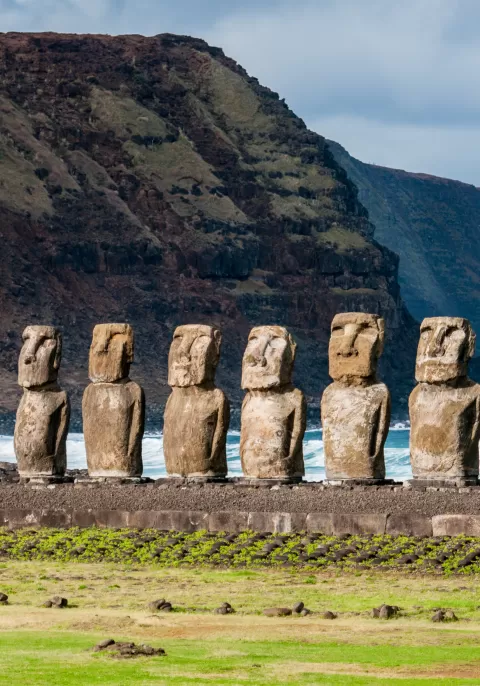
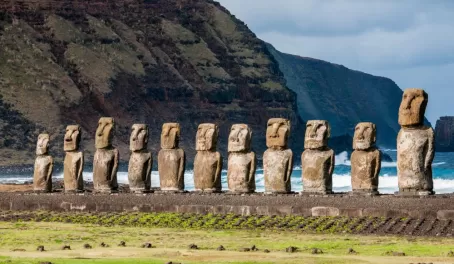
Between their arrival and the first European contact in 1722, the Rapa Nui people created a unique culture marked by the carving and erection of the massive moai statues. These impressive stone figures, some towering over sixty feet tall, were carved from volcanic rock using only stone tools. They were then moved across the island – a feat that remains a mystery – and placed on stone platforms called
ahu, often near the coast with their faces turned inland towards the villages. The moai are believed to represent ancestral spirits, offering protection and power to the communities. Over 800 moai have been found scattered across the island, a testament to the skill and dedication of these ancient artisans.
A Society with Structure
Early European visitors noted a structured society on
Easter Island, with a king (
ariki) holding significant power. Alongside him were priests, warriors, and workers. This social hierarchy likely played a role in the organization and construction of the moai. The creation of these monumental statues suggests a period of prosperity and a strong belief system centered on ancestor worship.
A Turning Point and Decline
However, this flourishing civilization eventually faced a dramatic decline. Evidence suggests that the growing population added an immense pressure on the island's limited resources. The once lush forests were cut down using slash-and-burn agriculture to make way for crops. This deforestation led to soil erosion, the loss of native plants and animals, and a lack of large trees needed to build sturdy boats for fishing or leaving the island. The disappearance of nesting seabirds further reduced their food sources.
By the 17th century, the island's environment had drastically changed, becoming more arid and unable to support its former population. This period likely saw famines, internal conflicts, and a significant drop in the number of inhabitants.
The Birdman Cult
Around this time of hardship, a shift in cultural practices occurred with the rise of the birdman cult at
Orongo. Instead of focusing solely on the moai, the islanders began an annual competition. Representatives from each clan would brave the ocean to reach a small island, Motu Nui, to retrieve the first sooty tern egg of the season. The winner became the Bird Man (
Tangata Manu) for the year, granting his clan control over the island's scarce resources. This ritual was still in practice when Europeans first arrived, indicating a significant change in their beliefs and social structure in response to the environmental challenges they faced.
Enduring Heritage
Despite its troubled past, the modern-day Rapa Nui people are proud of their unique heritage and history. Oral traditions, legends, music, and dance continue to keep their culture alive. Today, Rapa Nui National Park protects most of the island's important archaeological sites, and efforts are underway to replant the native
todomiro forests. While the mystery of the moai and the lost knowledge of their creators continues to draw scientists and visitors,
Easter Island stands as a powerful reminder of the interconnectedness between people and their environment, and the enduring spirit of its Polynesian culture.