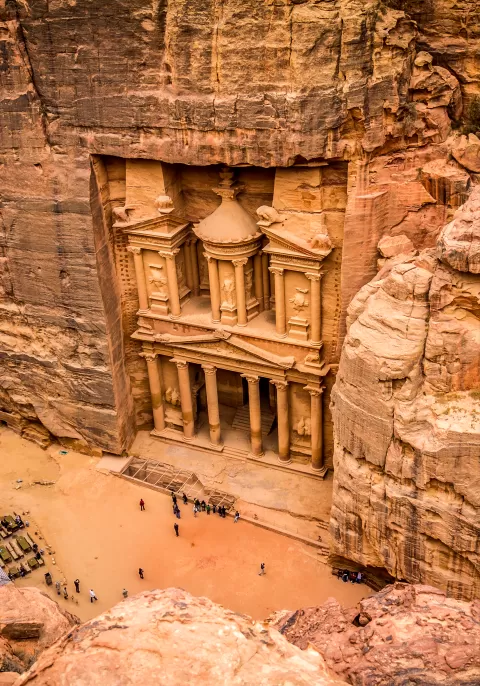
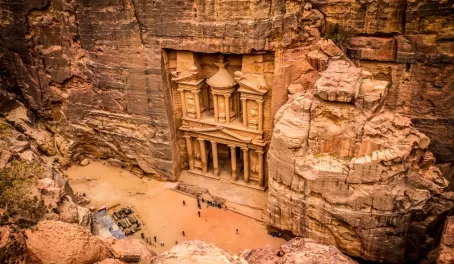
Jordan offers a wealth of breathtaking landscapes, from the iconic rose-red city of Petra, sculpted into sandstone cliffs, to the beautiful Wadi Rum desert. However, this region grapples with significant environmental and socio-economic challenges. Confronted by water scarcity, reliance on external energy sources, and the impacts of climate change, a comprehensive and steadfast commitment to sustainability is now crucial for the nation.
Water Scarcity:
- As one of the world's most water-scarce nations, Jordan faces a significant challenge where its renewable water resources fall far short of meeting consumption demands. This critical situation is worsened by limited rainfall, a growing population, and unsustainable habits. Therefore, sustainable water management strategies, including conservation, wastewater treatment and reuse, and the development of non-conventional water sources, are vital for the country's future and growth. Demonstrating progress, Jordan is investing in innovative water management approaches such as wastewater treatment and reuse, which are improving water security, especially in its arid regions.
Climate Change:
- Jordan is also feeling the effects of climate change. The country is very sensitive to these changes, with rising heat, longer and stronger periods without rain, the desert slowly taking over more land, and more common and intense bad weather like flash floods. These weather changes are a serious danger to Jordan's important farming industry, its scarce water supply, biodiversity, and the overall livelihoods of its people.
Land Degradation and Desertification
- A substantial portion of Jordan's land is already classified as desertified or faces a high risk of degradation. Unsustainable agricultural practices, coupled with overgrazing and deforestation, contribute significantly to soil erosion and the alarming loss of arable land, directly impacting food security and the livelihoods of rural communities. To counter this, the nation is actively encouraging the adoption of climate-smart farming practices. These methods aim to minimize the environmental footprint of agriculture while simultaneously enhancing food security and building resilience within rural areas.
However, amidst these challenges lies an opportunity. Embracing sustainability can unlock new pathways for economic growth and job creation. Investing in renewable energy initiatives, Jordan can reduce its dependence on expensive fossil fuel imports, strengthening its energy independence and generating green employment opportunities. We also believe that sustainable tourism, which respects and preserves Jordan's rich cultural and natural heritage, can attract environmentally conscious travelers and stimulate local economies.
Our partners in this region share our goal of environmentally responsible travel by operating tours that support conservation efforts and animal welfare, and by careful guide training and environmental briefings for travelers on each journey.
Jordan is navigating a path that honors its history while actively working towards a more sustainable future. By tackling its environmental challenges head-on and investing in innovative solutions, this land of ancient wonders is striving to protect its landscapes and cultural heritage for generations to come.
Contact us today to plan your sustainable travel adventure!