Spend four days exploring the High Arctic wilderness of Svalbard, deep inside the Arctic Circle, with long days of adventure under the Midnight Sun. This is the heart of any Svalbard expedition cruise. Spanning an enormous area of intricate coastline, the remote wilderness of North West Spitsbergen's breathtaking natural beauty combines dramatic glacier-carved fjords with 17th-century whaling camps, and High Arctic wildlife including polar bears and walruses. A definitive Spitsbergen cruise experience.
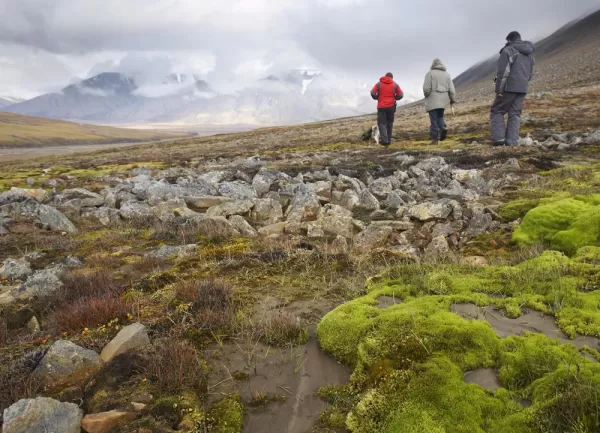
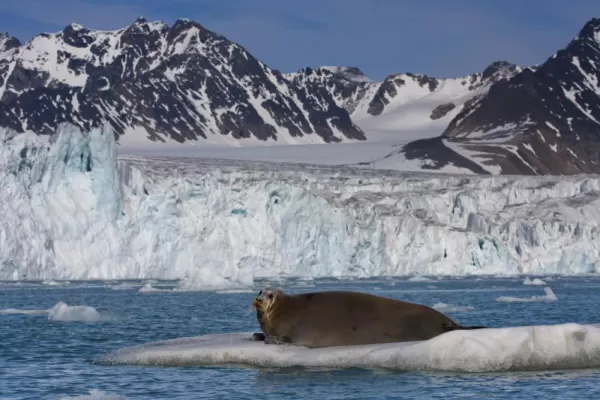
Steep mountains, glaciers, fjords, offshore islands and arctic tundra make this a magical place to explore, with surprises possible around any corner. Land on remote shores, looking for reindeer and Arctic foxes, as well as walrus lounging on the beaches. The guides also look for large footprints in the sand and wisps of white fur, evidence of polar bears in the area. Also enjoy the botanical spectacle and splendor of the tundra in bloom. For a few brief months, the snow and ice are replaced by a remarkable array of plantlife, including dazzling mounds of purple saxifrage, Arctic poppies which track the sun with their radar-like flowers, and catkins of the tiny, High Arctic "trees" of Arctic willow – the world's northernmost woody plant. At sea, look for blue, sperm, minke, and humpback whales, drawn here at this time of year to feed in the rich ocean.
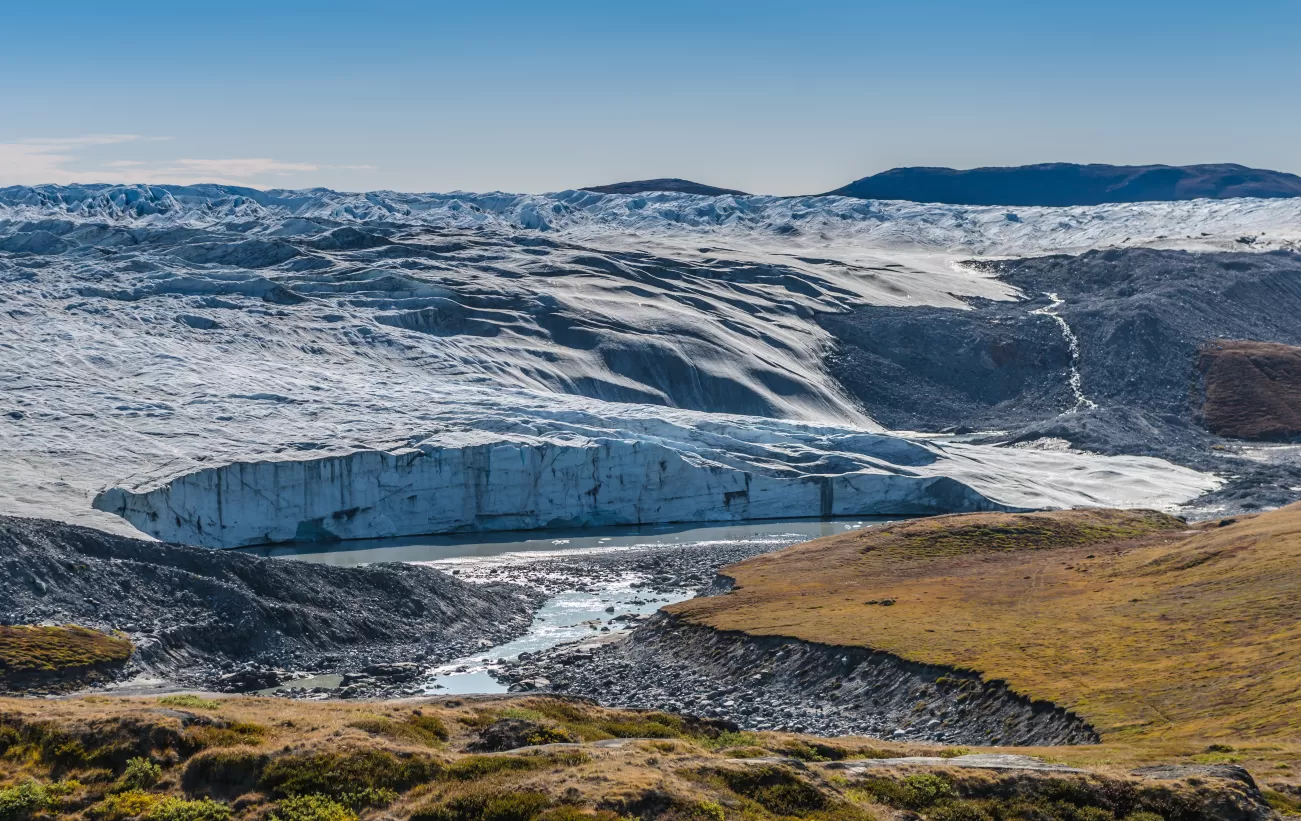
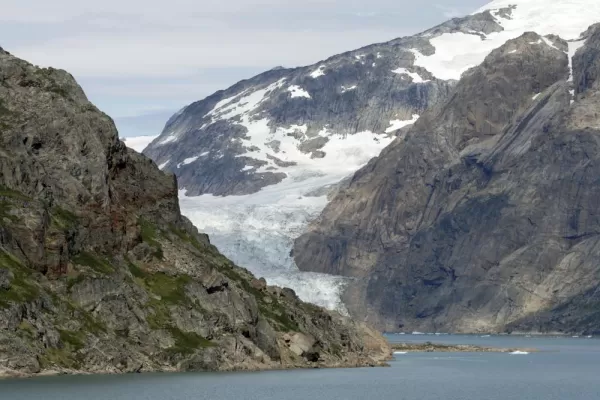
In deep fjords like Krossfjorden and Liefdefjorden, majestic mountains are streaked with snow and ice, while massive glaciers, including Monacobreen and the 14th of July Glacier, tumble into the sea. These rivers of ice are alive with resounding creaks, cracks and groans during their gradual descent. Occasionally, gravity and this movement cause huge chunks of ice to calve off the glacier front, creating beautiful, blue-tinged floating fields of icebergs, which you explore by zodiac. Exploration of the north is dictated by the legendary pack ice. The warming waters of the Gulf Stream do not reach here, so the fjords and channels can often be clogged with ice through most of the year. However, the ship may be able to navigate Hinlopen Strait, a channel between the two main islands and a taste of Svalbard's harsher side.
Permanent ice caps cover much of Nordaustlandet, with snow and ice blanketing the hills, often down to sea level. Any bare ground here is a polar desert, where only the tiniest and hardiest plants survive. At this time of year, seabirds are incredibly abundant in Svalbard. There are literally millions of them, drawn to the rich oceanic feeding grounds and safe locations to raise their young. Places where vertical towering cliffs plunge into the ocean are home to thousands of breeding guillemots, fulmars, kittiwakes, little auks and puffins. With masses of birds on land, as well as swirling in the air above and swimming in the surrounding sea, a zodiac cruise under one of these bird colonies is an almost overwhelming, multi-sensory wildlife experience.
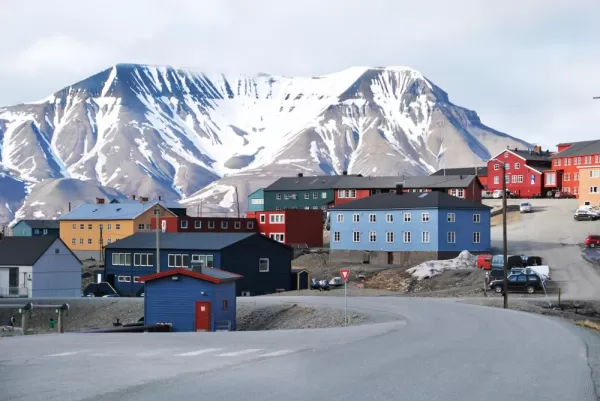
While most of Svalbard is true wilderness, it also has a long history of human exploration and settlement. During shore excursions, look for old hunters' cabins and historic whaling sites that tell this human history. It is this variety that keeps guests returning to these Svalbard expeditions year after year.