Juneau is the capital of
Alaska, and it’s one of the most unusual capital cities in the United States. With a population of around 32,000 people, it’s relatively small, yet it sits in a setting that feels anything but ordinary. Juneau is tucked between mountains, glaciers, and the ocean, and it’s surrounded by the Tongass National Forest, the largest temperate rainforest in North America. Unlike most cities, you can’t drive to Juneau from the rest of Alaska or the Lower 48, which already makes it a place people are curious about.
Learning facts about Juneau, Alaska, is interesting whether you’re planning a trip, studying U.S. geography, or just love random trivia. It’s a city where government buildings sit near wilderness trails, and where everyday life unfolds alongside some of the state’s most dramatic natural scenery. Juneau may not be Alaska’s biggest city, but it’s full of surprising details that make it stand out.
Historical Facts About Juneau, Alaska
Juneau’s story began long before it became Alaska’s capital. The area has been home to the Tlingit people for thousands of years, who lived along the coast and relied on the land and sea for food, travel, and trade. In the late 1800s, Juneau grew quickly after gold was discovered near what is now Gold Creek, drawing miners and settlers to the area. Over time, the small mining town developed into a political and cultural centre. Today, Juneau’s past is easy to see through its preserved buildings, local traditions, and places like the Alaska State Museum, where visitors can learn more about Native culture, early settlers, and the events that shaped the city, all set against views of the Gastineau Channel.
Juneau Alaska Facts About Geography and Nature
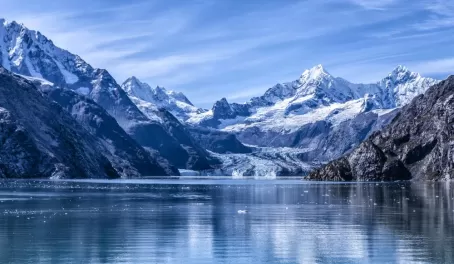
Juneau’s geography is a big part of what makes the city so different from other places in Alaska. It sits right along the ocean, with steep mountains rising behind it and waterways cutting through the landscape. Because of this, you can walk through temperate rainforest trails, stroll along tidal beaches, or hike uphill for sweeping views, all within a short distance of town. Many visitors also see Juneau from the air, where small planes and helicopters pass over ice fields and rugged mountain ranges that surround the city.
One of the most well-known natural sights near Juneau is Mendenhall Glacier, located just a short drive from downtown. The glacier stretches about one and a half miles wide and towers roughly 100 feet high, making it an easy and impressive stop for visitors. Juneau also overlooks the Gastineau Channel, a narrow waterway where boats regularly pass, and wildlife sightings are common. Beyond the city, vast protected areas like Glacier Bay National Park and Admiralty Island & Pack Creek Bear Reserve are within reach.
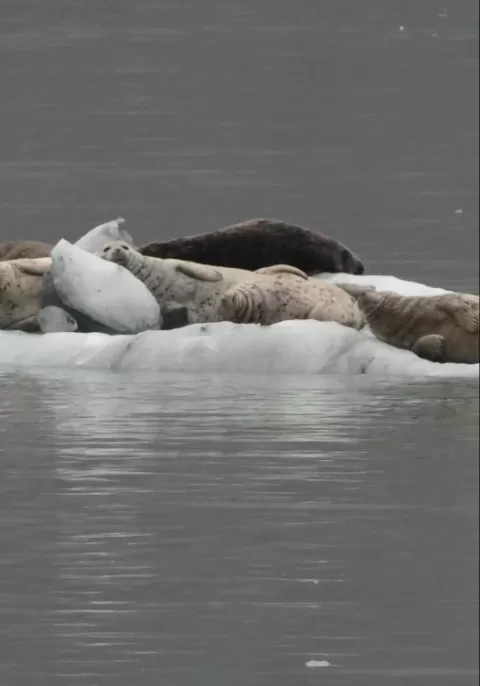
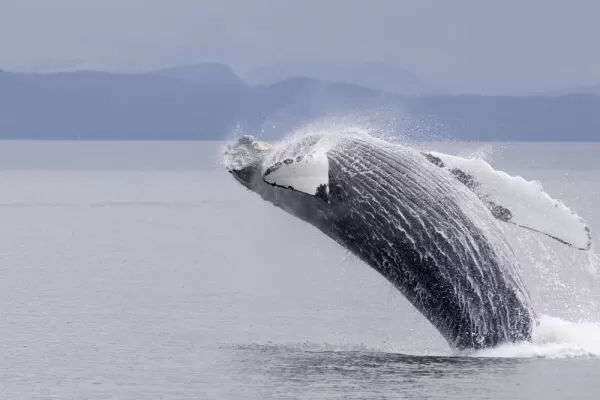
Wildlife is a normal part of life in Juneau. Whales are often spotted in nearby waters, along with seals, sea lions, and many seabirds. Fishing is also a major draw, as the surrounding waters are home to all five species of salmon and large Pacific halibut, while nearby rivers and lakes support trout. With so much nature packed into one area, it’s easy to see why Juneau stands out when it comes to geography and outdoor life.
Facts About Juneau Alaska’s Climate and Weather
Juneau’s climate is shaped by its coastal location and surrounding mountains, giving it milder temperatures than many people expect from Alaska. Summers are generally cool and comfortable, with daytime highs usually ranging from about 13–18°C (mid-50s to mid-60s°F). Winters are cold but not extreme, often sitting around −4 to 4°C (mid-20s to high-30s°F), with more rain than heavy snowfall compared to inland parts of the state.
Rain is a big part of life here, and one of the most interesting facts about Juneau’s weather. The city receives well over 1,000 mm of rain each year, making it one of the wettest cities in the U.S. Late spring through early autumn is usually the best time to visit, when days are longer, wildlife is active, and outdoor activities are easier to enjoy. Summer also brings long daylight hours, while winter offers a quieter atmosphere and a chance to see snow-dusted landscapes and, occasionally, the northern lights.
Fun Facts About Juneau Alaska
- Juneau has no road connection to the rest of Alaska or the Lower 48. You can only get in by plane or boat, which already makes everyday life here a bit different.
- It’s one of the few U.S. capital cities surrounded by rainforest, mountains, glaciers, and the ocean all at once.
- Bald eagles are everywhere in Juneau, you’ll often see them perched on streetlights, rooftops, or trees around town.
- Whale sightings are common in nearby waters, especially humpback whales during the summer months.
- The city hosts several local events and festivals throughout the year, many tied to the seasons, fishing, and community life.
- Fresh seafood is a big part of the local food scene, with salmon and halibut showing up on many menus.
- Bears live surprisingly close to town, and locals are used to sharing space with them during certain times of the year.
- Despite being Alaska’s capital, Juneau feels more like a small town, where people know each other and visitors are quickly made to feel welcome.
Wrapping Up Juneau Facts
What makes Juneau truly special is how different it feels from other cities in the U.S. It’s a capital city shaped by nature, with glaciers, forests, and the ocean all part of everyday life. From its isolated location to its mix of government, wildlife, and outdoor adventures, Juneau offers something you won’t find anywhere else. If these facts sparked your curiosity, it might be time to
start planning a visit and see firsthand why Juneau leaves such a lasting impression on travelers.