Alaska’s cruise season is short, and each month brings something different: snow-capped peaks and quiet ports early on, long days and whales in midsummer, and fall color and lower fares at the end. Whether you’re sailing from Vancouver, from Seattle, or within Alaska on a small ship, the right month depends on what you most want to see and how you feel about crowds, cost, and rain. An Adventure Life Trip Planner can help you weigh those trade-offs and match your travel dates to the ships and routes that suit them best.
Overview of the Alaska Cruise Season
Most Alaska cruises sail from May through September, and a few ships start in late April. July and August are the busiest months, with the warmest weather and the longest list of shore excursions running. May and September are shoulder months, with fewer people on board and in port, often lower fares, and cooler, less predictable weather. Weather in Southeast Alaska changes quickly in any month, so plan for rain and sun on the same day.
Alaska Cruise Weather by Month
The averages below are for Juneau, in the heart of the Inside Passage, and give a good picture of conditions along most cruise routes.
| Month |
Average High |
Average Precipitation |
| April |
49°F |
3.5 in |
| May |
58°F |
3.5 in |
| June |
62°F |
3.8 in |
| July |
64°F |
5.1 in |
| August |
63°F |
6.4 in |
| September |
56°F |
9.2 in |
| October |
47°F |
8.4 in |
Source: NOAA 1991–2020 climate normals, Juneau International Airport. Downtown Juneau, closer to the mountains, is wetter than the airport.
Rain increases steadily through the summer. May and June are typically the driest months of the season, and September is the wettest.
What Each Month Is Like
April and May: Early Season
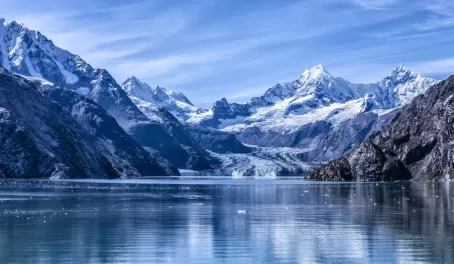
The season opens quietly. Ports are uncrowded, fares are often lower, and snow still covers the mountains above the fjords, which makes for striking scenery. Days lengthen quickly, forests green up, and migrating birds return. The first humpback whales arrive in Southeast Alaska in May. Expect cool days, with highs in the 50s by May, and pack warm layers.
Good for: lower fares, fewer people, snowy mountain views, and spring birds.
June: Long Days, Drier Weather
June is one of the drier months of the season and has the longest days. Around the summer solstice, Juneau gets about 18 hours of daylight, and farther north, in Anchorage and Fairbanks, days are even longer. Wildflowers bloom, trails open up, and whale numbers build through the month. Seabirds such as puffins are nesting on coastal cliffs.
Good for: long days for sightseeing, comparatively dry weather, and early-summer wildlife.
July: Peak Season
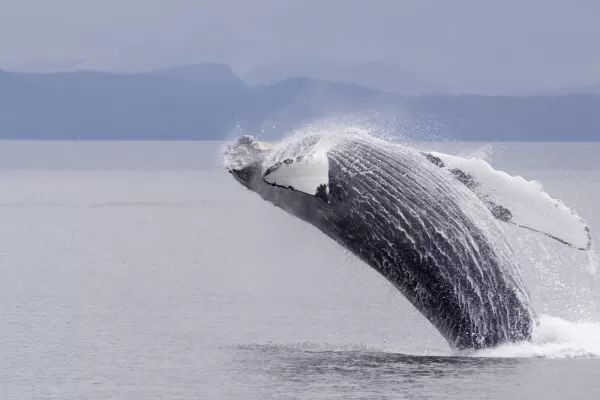
July is the warmest and busiest month, with highs in the mid-60s. Humpback whales are feeding throughout the Inside Passage, and in some areas, such as Frederick Sound, groups of humpbacks bubble-net feed together. Salmon begin running in coastal rivers, drawing bears and bald eagles. Small ships carry relatively few guests, so popular July departures can fill early. Your Trip Planner can compare availability across ships and suggest similar itineraries if your first choice is full.
Good for: warm weather, a wide range of wildlife, and the fullest schedule of shore excursions.
August: Late Summer
August stays warm, with highs in the low 60s, but rain picks up as the month goes on. Whale watching remains strong, and bears are active along salmon streams. In Kenai Fjords, on Gulf of Alaska routes, sea otters, Steller sea lions, and whales are often seen on day cruises from Seward.
Good for: whales, bears at salmon streams, and green late-summer scenery, if you don’t mind some rain.
September: End of Season
September brings fewer people, fall color, and often lower fares. It’s also the wettest month of the cruise season and the coolest of the summer months, with highs in the mid-50s. Seas can be rougher, which matters if you’re prone to seasickness. Humpbacks are still feeding in early September, and bear viewing at salmon streams can be good. Northern lights are possible as nights grow darker, but September skies are often cloudy along the coast, so treat an aurora sighting as a bonus rather than a reason to go.
Good for: fall color, quieter ports, and travelers who don’t mind cooler, wetter weather.
October Through March: Off-Season
Most cruise ships stop sailing in Alaska after September. Winter is the season for land-based trips instead, especially in Fairbanks and the Interior, where long nights bring the best chances to see the northern lights.
Best Time of the Year for Wildlife on an Alaska Cruise
Wildlife sightings are never guaranteed, but timing helps.
- Humpback whales are present in Southeast Alaska from about May through September, with the most whales from June through September. Frederick Sound, near Petersburg, is one of the best-known feeding areas.
- Orcas are seen throughout the summer in Southeast Alaska and along the Kenai Peninsula, though sightings vary from day to day.
- Dall’s porpoises, black and white and fast-moving, often ride the bow waves of ships in the Inside Passage.
- Brown and black bears feed along salmon streams from about July into September. Dedicated viewing areas include Anan Wildlife Observatory near Wrangell (July and August) and Brooks Falls in Katmai (July and September).
- Bald eagles are seen all season along coasts and rivers.
- Puffins and other seabirds nest on coastal cliffs from early summer.
- Sea otters, Steller sea lions, and harbor seals are seen all season in protected waters and on rocky haul-outs.
Some of Alaska’s best-known land animals, including caribou, Dall sheep, and wolves, aren’t seen from the deck of a ship. To see them, add a land extension to Denali National Park, where summer is the main viewing season. Our guide to
wildlife in Alaska covers where to see each species.
If seeing a particular animal is a priority, let your Trip Planner know. They can point you to routes that spend time in prime whale-feeding areas such as Frederick Sound, or to trips and extensions that include dedicated bear viewing.
Choosing the Best Month for Your Cruise
The right month depends on your priorities:
- For the warmest weather: July and early August.
- For the driest weather and longest days: June.
- For whales: June through early September.
- For bears at salmon streams: July through early September.
- For fewer people and lower fares: May or September.
Whatever month you choose, dress in layers. A waterproof jacket, a warm fleece, a hat, and gloves will see you through most days, even in July. Small ships, which can linger near wildlife and reach quieter towns, make the most of any month. Browse our
Alaska small-ship cruises, or see our guide to the
best places to visit in Alaska for ideas on combining a cruise with
Alaska land tours.
How an Adventure Life Trip Planner Helps You Choose
With dozens of ships, routes, and departure dates to compare, picking the right Alaska cruise can take some sorting. An Adventure Life Trip Planner starts with what you want to see and do, then narrows the options for you:
- Matching the month to your goals: whether that’s whales, bears, long days, quieter ports, or the best value.
- Comparing ships and routes: including ship size, activity level, cabin types, and which ports and wilderness areas each itinerary visits.
- Adding land extensions: such as Denali, Kenai Fjords, or a wilderness lodge, timed to fit around your cruise.
- Handling the details: including hotels before and after your cruise, transfers, and help arranging flights.
- Sharing current promotions: available through Adventure Life’s partnerships with cruise operators.