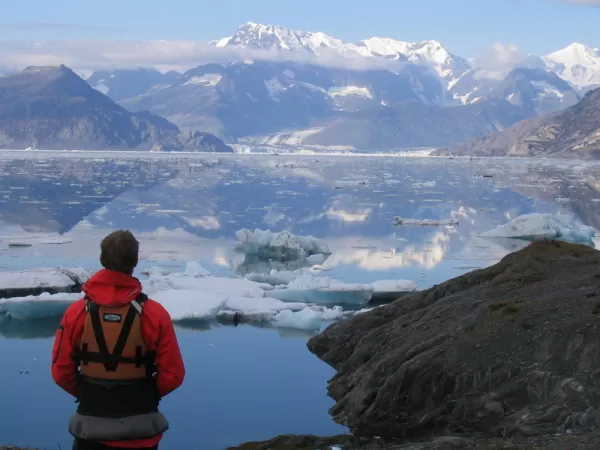
Alaska, the Last Frontier, is a realm of untamed beauty and the epitome of wilderness adventure. Its vast landscapes, stunning national parks, and unique cultural experiences make it a dream destination for nature enthusiasts, wildlife seekers, and adventure lovers. Whether you're a solo traveler, a family with kids, or an elderly visitor, Alaska offers a myriad of attractions and activities that cater to various interests and needs. Let's explore the top things to do and see in this awe-inspiring state.
Alaska, the largest and most sparsely populated U.S. state, is a land of superlatives, offering a wide range of activities and adventures that cater to diverse interests. Whether you're a nature enthusiast, an adventure seeker, a wildlife lover, or a family in search of a unique vacation experience, Alaska has something extraordinary for everyone. Let's explore the top attractions and activities that make Alaska a magnet for travelers seeking unparalleled natural beauty and adventure.
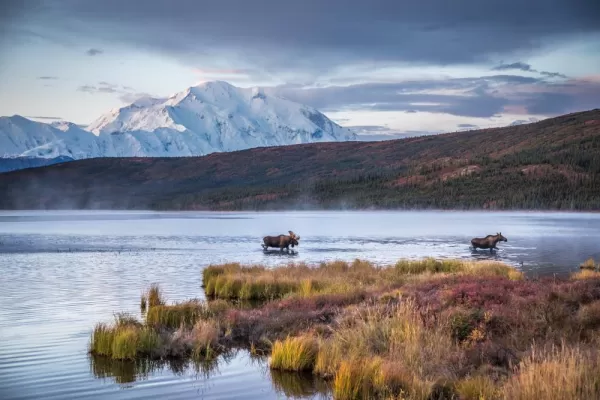
Deep in the Heart of Denali (Used with Permission by Alaska Collection)
1. Denali National Park and Preserve
Denali National Park and Preserve, home to the tallest mountain in North America, offers a majestic landscape of rugged wilderness, towering peaks, and diverse wildlife. Visitors to this iconic park can immerse themselves in the splendor of the Alaska Range and the chance to spot grizzly bears, caribou, moose, and Dall sheep.
Who it appeals to: Nature enthusiasts, wildlife lovers, and adventure seekers will find Denali National Park a haven for outdoor exploration. The park also offers opportunities for family-friendly activities such as guided nature walks and educational ranger programs. Insider Tips: Consider taking a shuttle bus deeper into the park for a chance to see more wildlife and experience the untamed wilderness. Additionally, early morning and late evening are prime times for wildlife viewing. Practicalities: The park has a short summer season, typically mid-May to mid-September, with peak visitation in June, July, and August. Visitors should plan for at least a full day to experience the park, and advanced reservations for camping and lodging are highly recommended.
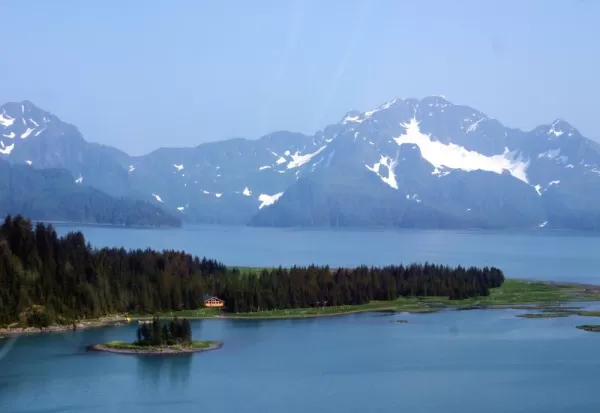
Aerial view of the Kenai Fjords Glacier Lodge (Used with Permission by Kenai Fjords Glacier Lodge)
2. Kenai Fjords National Park
Located on the Kenai Peninsula in south-central Alaska, Kenai Fjords National Park is characterized by its dramatic fjords, calving glaciers, and rich marine life. The park offers a range of activities, including boat tours to witness the stunning tidewater glaciers, guided kayaking adventures, and hiking trails that reveal the park's diverse ecosystems.
Who it appeals to: Adventurous travelers, wildlife enthusiasts, and nature photographers will be captivated by the raw beauty of Kenai Fjords National Park. Families with older children can enjoy the educational opportunities provided by park rangers and the chance to see diverse marine wildlife. Insider Tips: Opt for a small boat tour to access narrower fjords and get closer to calving glaciers. Additionally, consider visiting in the shoulder season for fewer crowds and a more intimate experience with nature. Practicalities: The best time to visit is during the summer months, and a day tour is sufficient to experience the highlights of the park. Visitors should be prepared for varying weather conditions and dress in layers for the boat tours.
View puffins and other wildlife on your small ship Alaska cruise
3. Katmai National Park
Katmai National Park is synonymous with brown bears and one of the best places in the world to observe these magnificent creatures in their natural habitat. Visitors to Katmai can witness bears fishing for salmon at Brooks Falls or explore the park's rugged wilderness on hiking trails.
Who it appeals to: Wildlife enthusiasts, photographers, and adventurers seeking close encounters with bears will find Katmai National Park to be an unforgettable destination. Families with older children interested in wildlife conservation and ecology will also enjoy the experience. Insider Tips: Book accommodations or guided tours well in advance, especially during the peak bear-viewing season in July and September. Follow park regulations and safety guidelines when observing bears and hiking in bear country. Practicalities: Access to Katmai National Park is primarily by floatplane from nearby communities such as King Salmon or Homer. Visitors should be prepared for remote wilderness conditions, including limited facilities and unpredictable weather.
4. Anan Wildlife Observatory
The Anan Wildlife Observatory, located in Tongass National Forest, offers a unique opportunity to observe black and brown bears as they fish for salmon in a pristine wilderness setting. Visitors can access the observatory by boat or floatplane and view bears from elevated platforms overlooking the creek.
Who it appeals to: Wildlife photographers, bear enthusiasts, and nature lovers seeking an intimate wildlife viewing experience will appreciate the Anan Wildlife Observatory. Families with older children interested in ecology and conservation will also find the experience educational. Insider Tips: Reserve permits for the Anan Wildlife Observatory well in advance, as only a limited number of visitors are allowed each day. Bring binoculars and a camera with a telephoto lens to capture close-up views of bears and other wildlife. Practicalities: Access to the Anan Wildlife Observatory is via boat or floatplane from Wrangell or Ketchikan. Visitors should be prepared for wet and muddy conditions, as well as the possibility of encountering bears on the trail to the observatory.
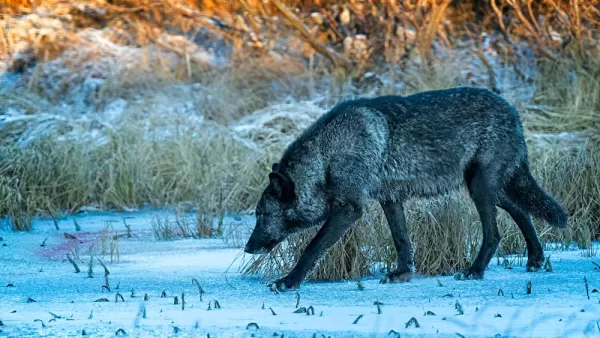
Black wolf (Terry Webb)
5. Arctic National Wildlife Refuge
The Arctic National Wildlife Refuge, located in Alaska's far north, is a vast wilderness area teeming with diverse wildlife, including caribou, muskoxen, wolves, and migratory birds. Visitors to the refuge can explore its pristine landscapes on guided tours or wilderness expeditions.
Who it appeals to: Wilderness enthusiasts, birdwatchers, and photographers seeking solitude and pristine nature will be captivated by the Arctic National Wildlife Refuge. Nature lovers interested in experiencing the Arctic ecosystem in its undisturbed state will find this refuge to be a haven for wildlife and a once-in-a-lifetime destination. Insider Tips: Plan your visit during the summer months when wildlife activity is at its peak, and consider joining a guided tour led by knowledgeable naturalists to enhance your wildlife viewing experience. Be prepared for remote and rugged conditions, including limited facilities and extreme weather. Practicalities: Access to the Arctic National Wildlife Refuge is limited and typically requires transportation by bush plane or boat from nearby communities such as Fairbanks or Deadhorse. Visitors should be self-sufficient and equipped for backcountry travel, including carrying bear-resistant food containers and practicing Leave No Trace principles.
Hiking around Prince William Sound (Used with Permission by Chris Saal)
6. Prince William Sound
Prince William Sound is a pristine marine wilderness known for its dramatic fjords, tidewater glaciers, and abundant marine wildlife. Visitors to the sound can embark on boat tours or kayak expeditions to spot whales, sea otters, seals, and seabirds against the backdrop of towering glaciers.
Who it appeals to: Marine enthusiasts, photographers, and nature lovers seeking a remote and unspoiled coastal experience will be enchanted by Prince William Sound. Families with older children interested in marine ecology and conservation will also enjoy the opportunity to observe wildlife in their natural habitat. Insider Tips: Choose a boat tour or kayak excursion that explores areas of the sound known for wildlife sightings, such as Columbia Glacier or Esther Passage. Bring binoculars and a camera with a zoom lens to capture close-up views of marine mammals and seabirds. Practicalities: Boat tours and kayak rentals are available from the town of Whittier and other communities along the sound. Dress warmly and wear layers, as temperatures on the water can be cooler, and be prepared for possible rough seas and inclement weather.
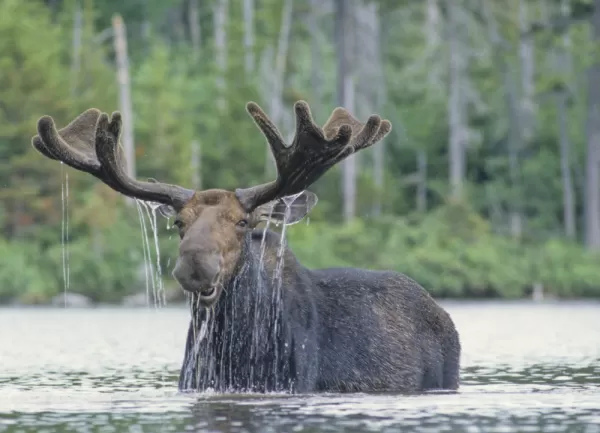
Moose found on an Alaska wildlife tour
7. McNeil River State Game Sanctuary
The McNeil River State Game Sanctuary is world-renowned for its dense concentration of brown bears and offers a unique opportunity to observe these majestic creatures in their natural habitat. Visitors to the sanctuary can view bears fishing for salmon from elevated viewing platforms under the guidance of experienced naturalists.
Who it appeals to: Wildlife photographers, bear enthusiasts, and nature lovers seeking an intimate bear-viewing experience will appreciate the McNeil River State Game Sanctuary. Families with older children interested in wildlife conservation and ecology will also find the experience educational. Insider Tips: Permits for bear viewing at McNeil River are highly competitive and awarded through a lottery system. Apply for permits well in advance and be flexible with your travel dates. Follow all safety guidelines and instructions from sanctuary staff to ensure a safe and respectful experience. Practicalities: Access to McNeil River is by floatplane from Homer or Soldotna, and visitors must be prepared for remote and rugged conditions. Dress in layers and wear sturdy footwear for walking on uneven terrain, and be aware of the presence of bears at all times.
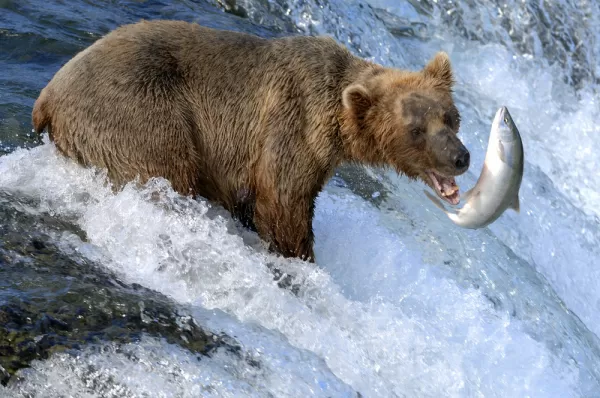
Alaska wildlife tours and brown bear fishing for salmon
8. Admiralty Island
Admiralty Island, also known as "Fortress of the Bears," is home to one of the highest densities of brown bears in the world and offers unparalleled opportunities for bear viewing. Visitors to the island can observe bears feeding on salmon streams or foraging in the island's lush rainforest.
Who it appeals to: Wildlife enthusiasts, photographers, and adventurers seeking close encounters with bears will find Admiralty Island to be an unforgettable destination. Families with older children interested in wildlife conservation and ecology will also enjoy the experience. Insider Tips: Join a guided bear-viewing tour led by experienced naturalists to increase your chances of bear sightings and learn about bear behavior and ecology. Bring binoculars and a camera with a telephoto lens to capture memorable moments from a safe distance. Practicalities: Access to Admiralty Island is by boat or floatplane from Juneau or nearby communities. Visitors should be prepared for remote and rugged conditions, including limited facilities and the possibility of encountering bears on hiking trails.
Wrangell–St. Elias National Park and Preserve (Kassandra Magruder)
9. Wrangell-St. Elias National Park and Preserve
Wrangell-St. Elias National Park and Preserve, the largest national park in the United States, is a vast and remote wilderness of unparalleled natural beauty, towering mountains, and glaciated valleys. The park offers opportunities for backcountry adventures, historical exploration, and wildlife viewing in a pristine and rugged environment.
Who it appeals to: Adventure enthusiasts, wilderness seekers, and outdoor explorers looking for untamed frontiers will be drawn to the vast expanses and diverse ecosystems of Wrangell-St. Elias. Travelers with a penchant for solitude and off-the-beaten-path experiences will find this park especially appealing. Insider Tips: Consider exploring the park with experienced guides who can provide safety, navigation, and insights into the park's natural and cultural history. Additionally, prioritize packing essential gear and supplies for outdoor activities due to the park's remote and undeveloped nature. Practicalities: The park is best visited during the summer months, from late May to early September, when the weather is milder and access to the park's interior is more feasible. Visitors should be prepared for primitive camping and limited visitor services within the park.
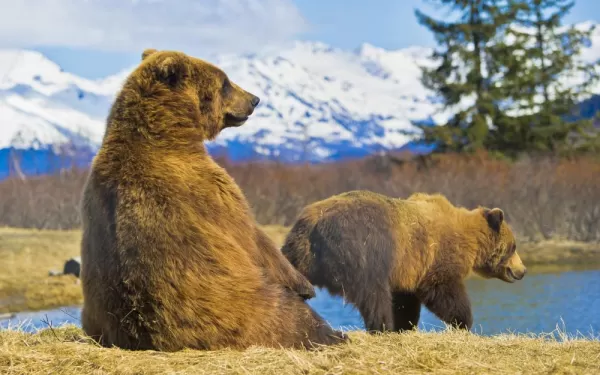
Kodiak bears in Alaska
10. Kodiak Island
Kodiak Island is famous for its population of Kodiak brown bears, the largest subspecies of brown bear in the world, and offers guided bear-viewing tours and wilderness experiences. Visitors to the island can observe bears fishing for salmon in streams or foraging along the island's rugged coastline.
Who it appeals to: Bear enthusiasts, wildlife photographers, and nature lovers seeking close encounters with bears will find Kodiak Island to be a thrilling destination. Families with older children interested in wildlife conservation and ecology will also enjoy the opportunity to observe bears in their natural habitat. Insider Tips: Book bear-viewing tours with reputable outfitters who prioritize safety and responsible wildlife viewing practices. Follow all instructions from guides and maintain a respectful distance from bears at all times. Practicalities: Access to Kodiak Island is by ferry or plane from Anchorage or Homer, with options for lodging and guided tours available in the town of Kodiak. Visitors should be prepared for remote and rugged conditions, including limited facilities and the possibility of encountering bears on hiking trails.
View an abundance of wildlife on your Alaskan cruise
11. Alaska SeaLife Center
The Alaska SeaLife Center, located in Seward, is both an aquarium and a marine research facility dedicated to the conservation and rehabilitation of Alaska's marine wildlife. Visitors to the center can see a variety of marine animals up close, including seals, sea lions, otters, seabirds, and fish.
Who it appeals to: Marine enthusiasts, families with children, and anyone interested in learning about Alaska's marine ecosystems and wildlife conservation efforts will enjoy a visit to the Alaska SeaLife Center. Educational programs and interactive exhibits make it an engaging destination for visitors of all ages. Insider Tips: Check the center's schedule for daily animal feedings, demonstrations, and educational programs to enhance your visit. Consider becoming a member or making a donation to support the center's research and conservation initiatives. Practicalities: The Alaska SeaLife Center is located in downtown Seward, with options for parking, dining, and shopping nearby. Plan to spend a few hours exploring the center's exhibits and attending scheduled programs.
See America's mascot on your Alaskan cruise
12. Chilkoot River
The Chilkoot River, near Haines in Southeast Alaska, is a prime location for observing bald eagles feeding on salmon during the spawning season. Visitors to the river can watch these majestic birds from viewing platforms along the river or join guided wildlife tours for a closer look at the local wildlife.
Who it appeals to: Birdwatchers, photographers, and nature lovers seeking to witness the iconic bald eagle in its natural habitat will find the Chilkoot River to be a rewarding destination. Families with children interested in wildlife and outdoor exploration will also enjoy the experience. Insider Tips: Visit the Chilkoot River during the peak salmon runs in late summer and early fall for the best chances of spotting bald eagles and other wildlife. Bring binoculars and a camera with a telephoto lens to capture close-up views of eagles and other birds. Practicalities: The Chilkoot River is easily accessible by road from Haines, with parking available near the viewing platforms. Be respectful of wildlife and observe all safety guidelines when viewing eagles and other animals along the river.
13. Chugach State Park
Chugach State Park, located just a short drive from Anchorage, is a vast expanse of mountainous terrain offering diverse wildlife and scenic landscapes. This park is a haven for outdoor enthusiasts, providing ample opportunities for hiking, camping, and wildlife viewing in one of Alaska's most accessible wilderness areas.
Who it appeals to: Nature lovers, hikers, and wildlife enthusiasts will find Chugach State Park to be a perfect destination. Families and individuals seeking a convenient outdoor escape from Anchorage will also appreciate the park's proximity and natural beauty. Insider Tips: Take advantage of the park’s numerous trailheads for day hikes or longer backpacking trips, and keep an eye out for wildlife such as bears, moose, and Dall sheep. Early mornings or late evenings are the best times for wildlife viewing. Practicalities: The park is open year-round, but some trails and areas may be seasonally inaccessible due to weather conditions. Always check trail conditions and park alerts before heading out. Packing bear spray and knowing how to use it is recommended for safe wildlife encounters.
14. Lake Clark National Park and Preserve
It is a hidden gem that offers a stunning mix of volcanic landscapes, turquoise lakes, and abundant wildlife. Visitors can enjoy a truly remote wilderness experience with opportunities for bear viewing, fishing, kayaking, and hiking in a pristine environment.
Who it appeals to: Adventure seekers, wildlife enthusiasts, and those looking for a secluded and pristine wilderness experience will find Lake Clark to be an ideal destination. Photographers and anglers will also appreciate the park's diverse landscapes and rich fishing opportunities. Insider Tips: Bear viewing is particularly popular at Crescent Lake and Silver Salmon Creek, where you can see bears fishing for salmon. Chartering a plane is often the best way to access the park and enjoy its remote beauty. Practicalities: Lake Clark is primarily accessible by small plane or boat, and services within the park are minimal. Be prepared for a self-sufficient adventure, including bringing your own food, supplies, and gear. Weather conditions can change rapidly, so pack accordingly.
15. Aniakchak National Monument and Preserve
Located on the Alaska Peninsula, it is one of the least visited national park areas in the United States, offering a truly remote and wild experience. The highlight of the park is the Aniakchak Caldera, a massive volcanic crater filled with lakes and wildlife.
Who it appeals to: Adventurous travelers, geologists, and wildlife enthusiasts looking for an off-the-beaten-path destination will find Aniakchak to be a fascinating and rewarding place to explore. It's ideal for those seeking solitude and rugged natural beauty. Insider Tips: Due to its remote location, visitors often access the park by chartered plane. Hiking and rafting are popular activities, with the caldera rim offering spectacular views and the Aniakchak River providing thrilling rapids. Practicalities: There are no facilities or services in the park, so visitors must be completely self-sufficient. Prepare for unpredictable weather and challenging terrain. Advance planning and permits are essential for a safe and successful visit.
16. Sitka National Historical Park
Sitka National Historical Park, located on Baranof Island, combines cultural heritage with rich wildlife. The park is known for its totem poles, historic sites, and diverse habitats, making it a great spot for both cultural and natural exploration.
Who it appeals to: History buffs, wildlife enthusiasts, and families will enjoy the blend of cultural and natural attractions in Sitka. Bird watchers and marine life enthusiasts will also find plenty of opportunities to observe local fauna. Insider Tips: Walk the park's scenic trails to see totem poles and learn about the area's Tlingit heritage. The Indian River, which runs through the park, is a good spot for salmon viewing, and the park's shoreline is excellent for spotting sea otters and whales. Practicalities: Sitka is accessible by ferry or plane. The park has visitor facilities, including a visitor center with exhibits. Dress in layers and be prepared for rain, as Sitka's weather can be wet and cool.
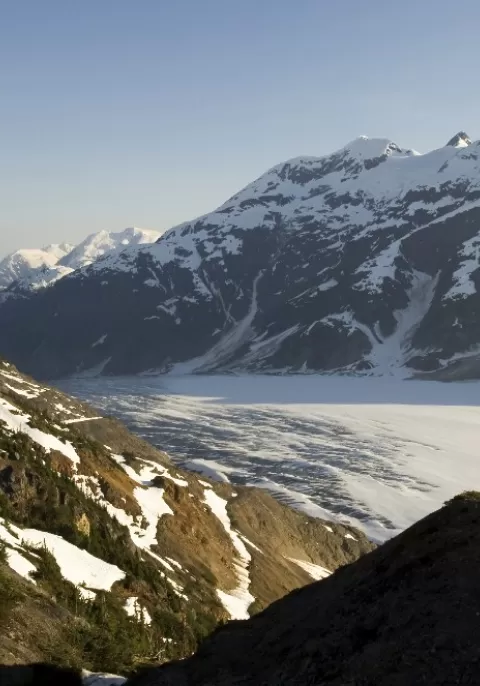
Approaching Mendenhall Glacier (Jenny Johnston)
17. Mendenhall Glacier
The Mendenhall Glacier, located near Juneau, is a breathtaking natural wonder accessible to visitors seeking to witness the grandeur of a slowly moving river of ice. The glacier's visitor center provides informative exhibits and viewpoints for observing the glacier's mesmerizing blue hues and the surrounding Tongass National Forest.
Who it appeals to: Nature lovers, photography enthusiasts, and families with children will find Mendenhall Glacier an awe-inspiring attraction. The accessible location and visitor amenities make it suitable for visitors of all ages and abilities. Insider Tips: Consider joining a guided trek to explore ice caves and hidden features of the glacier, providing a unique perspective on this natural wonder. Additionally, early morning visits offer the best chance to see calving ice and avoid crowds. Practicalities: The glacier is accessible year-round, with summer being the most popular season. Visitors can spend a few hours exploring the visitor center and nearby trails, and transportation options include shuttle services from Juneau city center.
The Lakefront Anchorage
18. Anchorage
Anchorage, Alaska's largest city, serves as the gateway to many of the state's natural wonders and offers a blend of urban amenities and outdoor recreation. Visitors to Anchorage can enjoy a range of activities, including hiking in Chugach State Park, exploring the Alaska Native Heritage Center, and embarking on wildlife viewing tours.
Who it appeals to: Travelers interested in a mix of urban and outdoor experiences, as well as those seeking cultural insights into Alaska's indigenous heritage, will be drawn to Anchorage. Families with varied interests, including outdoor and cultural activities, will also find the city appealing. Insider Tips: For a panoramic view of the city and surrounding wilderness, consider taking a scenic flight or a hike to one of the nearby peaks. Additionally, indulge in the local culinary scene, featuring freshly caught seafood and diverse international cuisines. Practicalities: Anchorage experiences a short summer season ideal for outdoor activities, and visitors can explore the city and its surrounding attractions within a few days. Transportation options include car rentals, public transit, and guided tours for specific activities.
Guest tour the Totem Heritage Center located in Ketchikan, Alaska (David Vargas)
19. Alaska Native Heritage Center
The Alaska Native Heritage Center offers a captivating exploration of Alaska's indigenous cultures, providing interactive exhibits, traditional performances, and artisan demonstrations that showcase the rich heritage and diverse traditions of Alaska Native peoples.
Who it appeals to: Cultural enthusiasts, history buffs, and families seeking educational experiences will find the center both enriching and engaging. Visitors interested in gaining deeper cultural insights and interacting with Alaska Native artists and performers will appreciate the center. Insider Tips: Plan your visit around the center's scheduled events and performances to fully immerse yourself in the living traditions of Alaska Native cultures. Additionally, take the time to interact with the artisans and storytellers for a more personalized experience. Practicalities: The center is open seasonally from mid-May to mid-September, aligning with the peak tourist season in Alaska. Visitors should allocate several hours to explore the exhibits, demonstrations, and outdoor village sites.
The Aurora Borealis, commonly known as the Northern Lights (Adrian Wlodarczyk)
20. Northern Lights Viewing
Alaska's proximity to the North Pole makes it one of the best places on Earth to witness the otherworldly dance of the Northern Lights, also known as the aurora borealis. Several locations across Alaska, such as Fairbanks, offer optimal conditions for viewing this natural phenomenon.
Who it appeals to: Astronomy enthusiasts, nature lovers, and visitors seeking a truly unique and ethereal experience will be enchanted by the Northern Lights. Families and individuals with a sense of wonder and appreciation for natural beauty will find the spectacle awe-inspiring. Insider Tips: Opt for guided tours that take you to prime viewing locations away from city lights, and consider planning your visit during the winter months when the nights are longer and the auroras are most frequent and vibrant. Practicalities: The best time to see the Northern Lights in Alaska is during the winter, from late August to early April. Visitors should be prepared for cold temperatures and plan for extended evenings or late-night excursions for the best viewing opportunities.
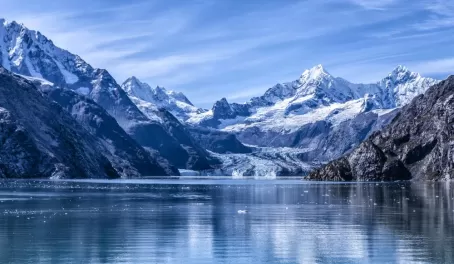
Glacier Bay National Park, Alaska (Erin Correia)
21. Glacier Bay National Park and Preserve
Glacier Bay National Park and Preserve, a UNESCO World Heritage Site, showcases a mesmerizing combination of tidewater glaciers, coastal fjords, and a rich marine ecosystem. Visitors can explore the park through boat tours, kayak expeditions, and ranger-led programs that provide in-depth insights into the park's ecological significance.
Who it appeals to: Nature enthusiasts, adventure seekers, and travelers passionate about conservation and environmental preservation will find Glacier Bay a mesmerizing and thought-provoking destination. The park also offers unique opportunities for families to engage in educational and active pursuits together. Insider Tips: Consider embarking on a multi-day boat tour to fully immerse yourself in the remote splendor of Glacier Bay, with opportunities for wildlife encounters and up-close glacier viewing. Additionally, seek out ranger-led programs to gain a deeper understanding of the park's natural wonders. Practicalities: The best time to visit is during the summer, typically from late May to early September, when the park experiences peak visitation and milder weather conditions. Visitors should plan their itineraries well in advance, especially for boat tours and overnight stays in the park.
Hiking a glacier in Wrangell - St. Elias (Used with Permission by AK Tourism)
22. Wildlife Viewing
Alaska is renowned for its diverse and abundant wildlife, including bears, moose, wolves, eagles, and whales. Visitors can embark on guided wildlife tours, visit wildlife sanctuaries, and explore national parks and wildlife refuges for unforgettable encounters with Alaska's iconic fauna.
Who it appeals to: Wildlife enthusiasts, photographers, and nature lovers. Insider Tips: Consider taking a guided bear-watching tour to observe brown bears feeding on salmon in their natural habitat. Visit the Alaska Wildlife Conservation Center to see rescued and rehabilitated animals up close. Practicalities: Wildlife viewing opportunities vary by season and location, so research the best times and places to see specific species. Respect wildlife and observe from a safe distance to avoid disturbing animals in their natural habitats.
23. Tongass National Forest
As the largest national forest in the United States, the Tongass National Forest in Southeast Alaska is a natural wonderland of ancient rainforests, towering mountains, and abundant wildlife. Visitors to the forest can participate in activities such as hiking, wildlife viewing, fishing, and experiencing the rich cultural heritage of the Tlingit, Haida, and Tsimshian indigenous peoples.
Who it appeals to: Nature enthusiasts, outdoor adventurers, and those seeking a deeper connection to pristine wilderness and indigenous cultures will be drawn to the unparalleled beauty and diverse experiences offered by Tongass National Forest. Families with children can enjoy a range of activities suitable for all ages amidst the forest's grandeur. Insider Tips: Consider embarking on guided nature walks or boat tours led by naturalist guides who can provide in-depth insights into the forest's ecology and indigenous history. Additionally, prioritize visiting the forest during the shoulder seasons for fewer crowds and enhanced wildlife sightings. Practicalities: The best times to visit the Tongass National Forest are during the summer months, with ample daylight hours and milder temperatures for outdoor activities. Visitors can access the forest through a network of roads, trails, and guided experiences available from nearby towns and cities.
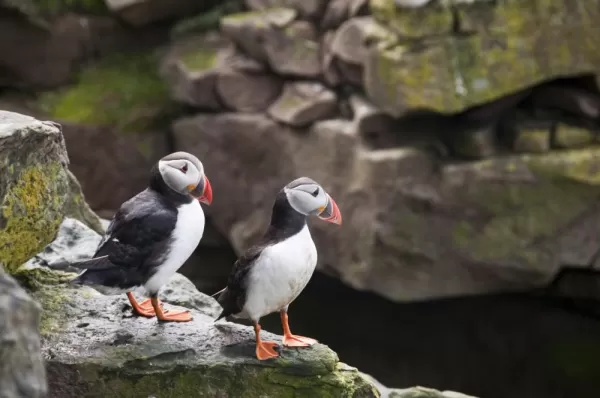
Puffins hang out on the rocks. (Al Bakker)
24. Flightseeing Tours
Flightseeing tours offer a unique perspective on Alaska's vast and rugged landscapes, allowing visitors to soar over glaciers, mountains, and fjords in small planes or helicopters. Whether it's a scenic flight over Denali, a glacier landing tour, or a flightseeing excursion to remote wilderness areas, flightseeing offers unparalleled aerial views and photo opportunities.
Who it appeals to: Adventure seekers, photographers, and anyone wanting to experience Alaska's wilderness from a bird's-eye view. Insider Tips: Consider booking a glacier landing tour for an unforgettable experience of walking on a glacier and exploring ice caves. Bring a camera with a wide-angle lens to capture panoramic views from the air. Practicalities: Flightseeing tours are available in various locations throughout Alaska, with options for different durations and destinations. Dress warmly, as temperatures can be cooler at higher altitudes, and be prepared for flight delays or cancellations due to weather conditions.
25. Kayaking
Alaska's pristine waterways offer endless opportunities for kayaking adventures, from calm coastal bays to remote fjords and glacier-fed rivers. Visitors can paddle among icebergs, spot wildlife, and explore hidden coves and inlets, experiencing the beauty and tranquility of Alaska's marine environments.
Who it appeals to: Outdoor enthusiasts, nature lovers, and adventurers seeking a close-to-nature experience. Insider Tips: Consider booking a guided kayak tour for safety and local expertise, especially in remote or challenging waters. Bring binoculars and a waterproof camera to capture wildlife sightings and scenic landscapes. Practicalities: Kayaking tours and rentals are available in coastal towns and wilderness areas throughout Alaska, with options for all skill levels. Dress in layers and wear a personal flotation device (PFD) for safety on the water.
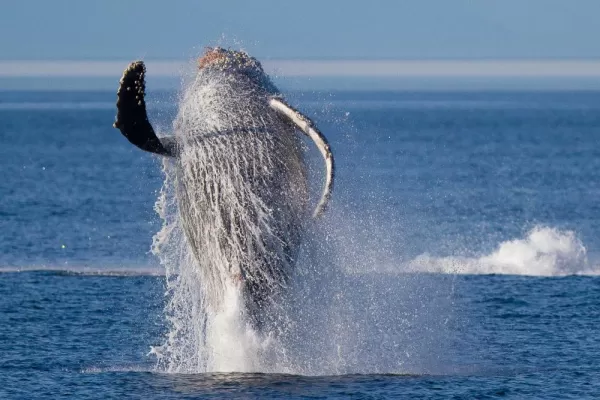
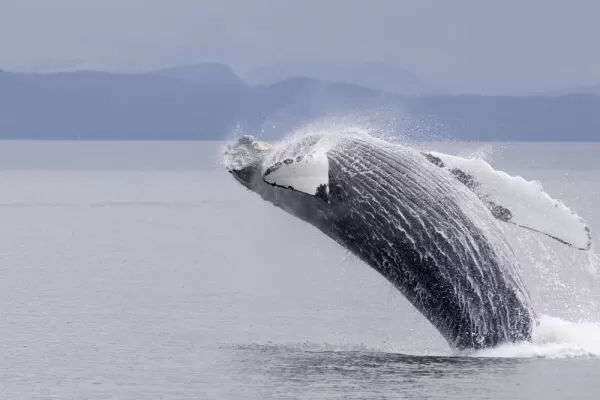
A humpback whale in Alaska.
26. Whale Watching
Alaska's coastal waters are home to an abundance of marine life, including majestic whales such as humpbacks, orcas, and gray whales. Visitors can embark on whale watching tours from coastal towns like Juneau, Seward, and Sitka, enjoying close encounters with these magnificent creatures in their natural habitat.
Who it appeals to: Wildlife enthusiasts, photographers, and anyone fascinated by marine mammals. Insider Tips: Choose a reputable whale watching tour operator with knowledgeable guides and responsible viewing practices to minimize disturbance to the whales. Bring binoculars and a camera with a telephoto lens for optimal viewing and photography. Practicalities: Whale watching tours operate seasonally, with peak whale watching months typically from May to September. Dress warmly and be prepared for variable weather conditions, as tours take place on open water.
When planning your trip to Alaska, you'll want to make sure you're making the most of your time by experiencing the diverse range of attractions and activities this unique destination has to offer. Adventure Life can help you create a customized and unforgettable Alaskan adventure that caters to your specific interests and preferences. Let our expert trip planners assist you in curating the perfect itinerary, ensuring that your journey to Alaska exceeds every expectation. With Adventure Life, you'll be accompanied by knowledgeable local guides who will enrich your experience with their insights and ensure a seamless, once-in-a-lifetime travel adventure. Start planning your Alaskan odyssey with Adventure Life today by contacting us.
Our team is waiting and ready to talk with you about your next adventure.
So go ahead and book an appointment with one of our specialized trip planners.
It's truly amazing when the travel planner listens and understands what you're looking for, then delivers. Great work Erin! I'm anticipating my next adventure knowing the journey is exactly what I hoped it could be. The speed of service and attention to detail made for an incredible experience. Definitely worth the 5 stars.
C Gray
2 months ago
Prompt and detailed options for travel. Listened and responded to my preferences while providing balanced advice.
Carol Ulmer
3 months ago
Our assigned planning consultant was instrumental in making the whole cruise booking process absolutely seamless. She helped us with adequate information and advice after understanding what we wanted out of this trip, while taking into account our age and fitness levels. Not once did I feel being rushed to decide. She also provided important tips on buffering for jet lag, acclimatisation and unforeseen delays. Registration was smooth and easy. All in all, exactly what the headline says … pleasant and efficient balanced just right in terms of personal and professional engagement.
SAIKAT BHATTACHARYA
3 months ago
Mary was AMAZING! She walked me through the whole process and made it so easy.
Tracy C.
5 months ago
I contacted Adventure Life months ago to help me find a cruise to Alaska. It was too early to book Then, but when contacted Karilyn again, she was ready to give us a couple of options that worked with our group for the dates that we needed.
She answered all of our questions and got us the cabins that we wanted. Now we've been handed off to Nur, who is doing a great job with finalizing our reservations.