Visit exceptionally well preserved ruins as you travel through Central America (Adventure Life)
Belize tourism has been growing steadily in recent years, with visitor arrivals steadily increasing since the pandemic. In 2022 and 2023, tourism showed a strong recovery, and by 2024, Belize set new records for overnight visitors. This growth highlights how popular tourism in Belize has become, with travelers looking for unique adventures. A big reason is the Belize Barrier Reef Reserve System, a UNESCO World Heritage Site and the second-largest barrier reef in the world. Belize has also been recognized internationally forits sustainability efforts, including marine conservation programs and awards for responsible tourism practices.
What to Expect in Belize
Tourism Belize is about much more than the reef. The country offers lush jungles, ancient Mayan ruins, tropical rainforests, and quiet coastal towns. Belize City is the main urban hub, but most visitors spend time in smaller towns, island getaways like Ambergris Caye and Caye Caulker, or jungle lodges deep in nature. Trips here feel more adventurous and nature-focused than urban.
Cuisine and Food
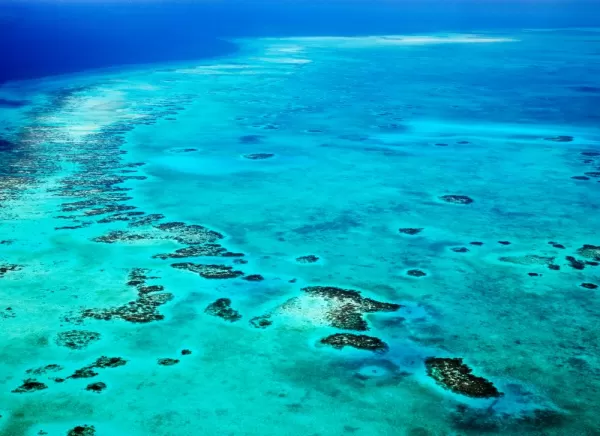
Belize’s cuisine is as diverse as its people. You can enjoy traditional dishes like rice and beans with stewed chicken, fry jacks for breakfast, and fresh seafood along the coast. Street food is common in towns, and local markets offer tropical fruits, fresh tortillas, and Garifuna specialties like hudut (a coconut fish stew). Whether dining in a local eatery or at a seaside restaurant, the flavors are bold, fresh, and often influenced by Maya, Creole, Mestizo, and Garifuna traditions. Pristine Belizean atolls (Adventure Life)
Wildlife Adventures
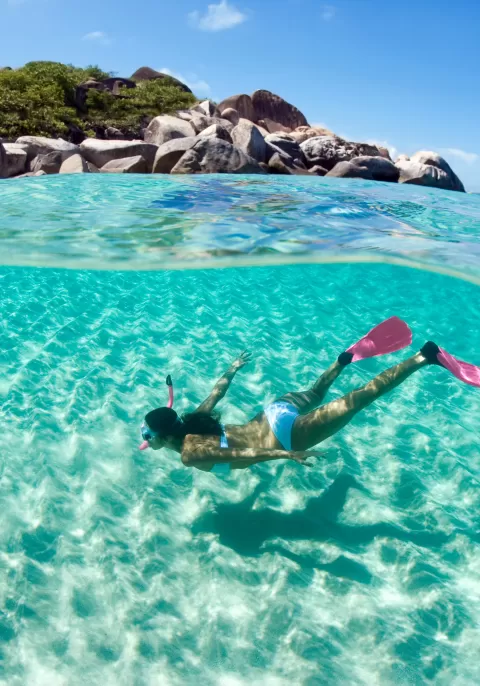
One of the highlights of tourism in Belize is its incredible wildlife. From howler monkeys swinging in the jungle to colorful toucans perched in the canopy, the country is full of life. Jaguars, tapirs, and manatees inhabit protected reserves, while the reef and cayes support vibrant marine life, including tropical fish, nurse sharks, and sea turtles. Birdwatchers, divers, and jungle trekkers alike will find plenty of opportunities to connect with nature in Belize.
Warmth of the People
Belizeans are known for being friendly, welcoming, and proud of their cultural roots, whether Maya, Garifuna, Creole, or Mestizo. Their kindness and hospitality often make a trip feel just as memorable as the landscapes, wildlife, and culinary experiences.
In short, Belize tourism continues to grow thanks to its world heritage treasures, vibrant culture, delicious food, and abundant wildlife. Whether you’re here for adventure, relaxation, or cultural connection, Belize offers an experience that feels both wild and welcoming.
Sunrise over the Caribbean
Below are excerpts from the author's Belize and Northern Guatemala: The Ecotravellers' Wildlife Guide, (Academic Press, 1998).
For many reasons, Belize is a wonderful place to visit. In fact, the list of positive reasons to do so is a good deal longer for this small Central American nation than for most other comparable spots. Aside from the obvious - the country's scenic beauty coupled with the fun and adventure involved in exploring an exotic, tropical locale - Belize consistently offers ecotravellers interesting, full, and thought-provoking trips. Mainly, this is because Belize was "discovered" only recently as an ecotourism destination and, therefore, is in the midst of developing the areas and sites that attract foreign visitors.
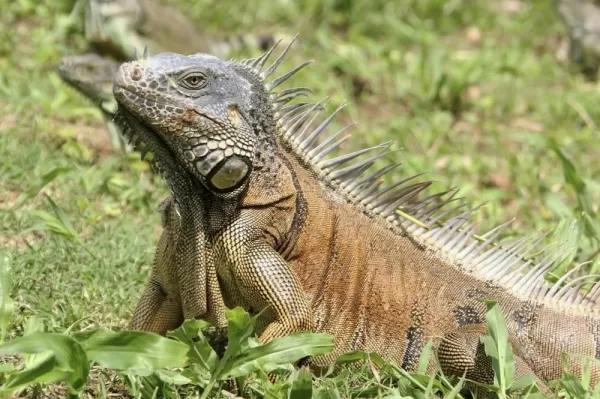
The part of this process of interest to environmentally concerned travelers is that, by starting its ecotourism development later than some other countries, Belize can evaluate successful and unsuccessful programs elsewhere, to be able to copy the best, reject the worst, and innovate using the trial-and-error learning of others. If it does things right, Belize may avoid some ecotravel mistakes and build a solid, sustainable, nature tourism industry. A green iguana suns itself in the Belizean rainforest
In addition to a rapidly developing conservation ethic and associated ecological attractions, Belize has many other features to recommend it. Belize is a quiet, peaceful, relatively safe, politically stable, democratically governed, English-speaking place. Small in size, Belize has a correspondingly small population (perhaps, in 1998, 250,000 people, half of whom live in six larger towns, most of which are located along the Caribbean Coast - see Map 1) and hence, a low human population density. In fact, it is the most sparsely populated nation in Central America. The country's infrastructure (roads, bridges, hospitals, tourist facilities) may, in some regions or instances, leave a bit to be desired, but that is, of course, part of the fun and allure of serious ecotravel.
For the most part, Belize is easily and fairly safely navigable by bus, car, airplane, and boat. Infrastructure is slowly being upgraded, with financial help from the USA's Agency for International Development, the United Kingdom, Canada's International Development Agency, and the European Union (EU). Most of the local people you meet are very friendly and helpful. Importantly, and in contrast to many other Central American countries, most Belizeans seem now to be enjoying a moderately high rate of improvement in their standard of living. Education is compulsory to age 14, and the adult literacy rate is thought to be between 80% and 90%. The government has made good progress in providing electrical service and adequate health care to even fairly remote villages, and sanitation is improving.
The main attractions of Belize to foreign visitors are its tropical rainforests and associated wildlife, its good number of highly accessible yet lightly-visited Mayan ruin sites, and its long barrier reef and associated small, tropical islands. Actually, this small country contains a richly varied set of habitats, many of which will be encountered in your travels (unless the sole purpose of a trip is beach sunbathing and coastal underwater exploration). There is the flat coastal plain along the Caribbean Sea, much of it is masses of mangroves and swamps, and wet coastal marshland. Flying into Belize City and looking downwards as the airplane descends, you see amazing, glistening colors - pastel greens, blues, oranges - as sunlight reflects off these varied aquatic habitats. Much of this area is accessible only by boat or air.
The northern half of Belize has many agricultural districts (sugarcane is the main crop), with much of the wild habitat consisting of tropical palm savanna - a very open, attractive, soothing-looking habitat. The southern half of Belize is divided fairly evenly between coastal low-elevation rainforest (where citrus fruits are increasingly grown in agricultural sections) and inland mountainous areas that include a striking, quite beautiful habitat - tropical pine forest. Most famously, Belize is the site of the Western Hemisphere's longest barrier reef. This tropical coral reef, alive with thousands of kinds of fish and other reef-associated organisms, and the many nearby small, sandy, palm-treed islands (cayes, pronounced keys), increasingly attract divers, snorkellers, reef aficionados, and beach denizens from around the globe.
Plan your Belize adventure today with our Trip Planner and explore the reef, jungles, and local culture.
Our team is waiting and ready to talk with you about your next adventure.
So go ahead and book an appointment with one of our specialized trip planners.