No single month is a bad time to visit Belize, but the right time for your trip depends heavily on what you want to do. A reef-focused itinerary built around diving the Blue Hole and tracking whale sharks looks very different from a jungle-and-ruins trip centered on Caracol and the Cayo cave systems. This guide breaks down when to go based on your travel style, interests, and tolerance for rain.
Dry Season vs. Wet Season: The Big Picture
Belize runs on a two-season calendar. The dry season runs from December through May: clear skies, calm seas, and the best conditions for reef diving, beach travel, and getting around the country comfortably. The wet season runs from June through November: afternoon showers, a lush green jungle, excellent wildlife, and rates that drop noticeably across the board.
Neither season is the wrong choice. The dry season is more predictable and more popular; the wet season rewards flexible travelers with fewer crowds, better wildlife encounters, and significantly lower prices. The shoulder months of May and November offer a useful middle ground, with decent conditions and good value on both ends.
Half Moon Caye in Belize
Hurricane Season in Belize
Hurricane season officially runs from June through November and overlaps entirely with the wet season. September and October are the highest-risk months, when tropical storms are most likely to form in the Caribbean and track toward Central America. Direct landfalls in Belize are historically infrequent, but a nearby storm can still bring days of heavy rain, rough seas, and cancelled water transport even without making landfall.
If you travel during hurricane season, a few precautions make a difference. Comprehensive travel insurance that covers weather disruption is essential, particularly for September and October. Build flexibility into your itinerary so that a weather delay doesn't derail the whole trip. Plan a trip that leans on inland experiences — the Cayo District, Maya ruins, and jungle lodges are far less affected by tropical weather than the cayes and coast.
June, July and late November sit at the edges of hurricane season and tend to see much lower storm activity than the core months. Travelers who want wet-season value without the highest weather risk often find these bookend windows to be the best compromise.
Best Time to Visit by Interest
Diving and Snorkeling
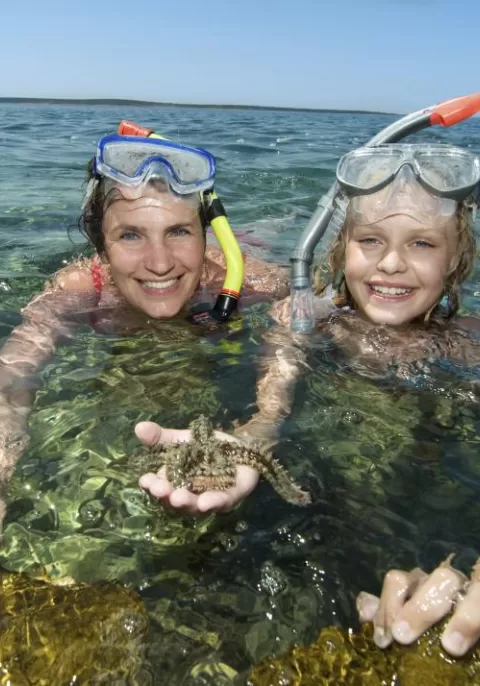
February through May is the prime window for underwater travel in Belize. The Caribbean Sea is at its calmest, reef visibility routinely exceeds 30 meters (100 feet) at the offshore atolls, and conditions at the Blue Hole are as good as they get. Whale sharks aggregate at Gladden Spit from late March through early June, triggered by spawning cubera snapper at the full moon — one of the most reliable large-animal diving encounters in the Western Hemisphere. For a reef-first trip, February and March offer the best balance of conditions and manageable crowds. Fishing
Belize's saltwater flats fish well year-round, but the peak windows shift by species. Tarpon and snook peak in June and July along coastal river mouths and estuaries, when fish congregate in numbers after the first seasonal rains. Permit and bonefish are most accessible on the flats around Ambergris Caye and Turneffe Atoll during the dry season, when calm conditions make sight fishing most productive. January through April is the top window for a permit-focused fly fishing trip. Wildlife and Birding
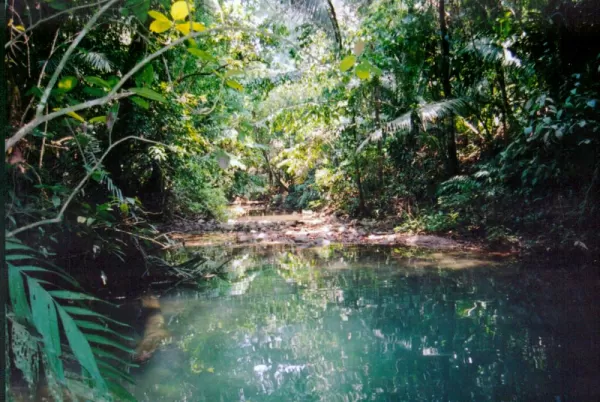
The wet season is when Belize's wildlife comes into its own. Jaguar activity in the Cockscomb Basin Wildlife Sanctuary peaks from June through October, when the cats move more freely near water sources — making this one of the few places in the Americas where a sighting is a genuine possibility. Manatees gather in the Southern Lagoon near Gales Point from June through November. Nesting sea turtles are most active on southern beaches in June and July. For birding, February and March are outstanding for migratory species at Crooked Tree Wildlife Sanctuary, while July and August offer the densest jungle canopy and the most active resident bird populations. Maya Ruins and History
The dry season makes ruins exploration most physically comfortable, especially at Caracol and Xunantunich in the Cayo District where afternoon heat in April and May can be intense — early morning visits are the move. Lamanai in the north, reached by a river trip through jungle and wetlands, works well year-round and is genuinely atmospheric in the wet season when the vegetation is at its fullest. The caves of the Cayo District, including Actun Tunichil Muknal, are accessible year-round but are particularly evocative from June through October when water levels are high. Beach and Island Travel
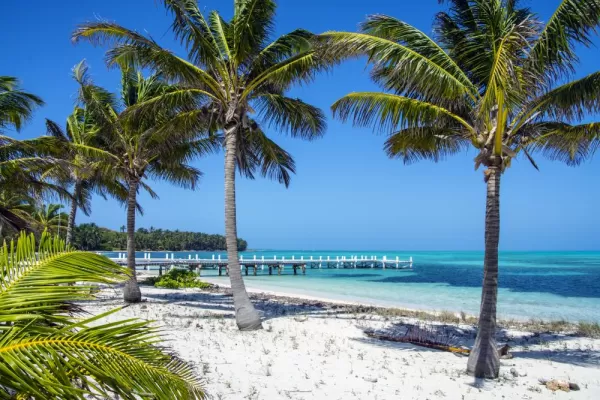
The cayes are at their best from December through April. Ambergris Caye and Caye Caulker see their liveliest scene during the dry season, when the weather is reliable, the sea is calm, and the social atmosphere on both islands is at full energy. December and January bring the biggest crowds and highest prices; February and March offer the same excellent conditions with a slightly more relaxed pace. If you want the cayes without peak-season crowds, April and early May deliver almost identical weather at noticeably lower rates. Budget Travel
August is Belize's lowest-rate month across the board, with reductions of 20 to 40 percent common at lodges, resorts, and liveaboard operators. Early June and late November offer similarly good value with more predictable weather than the hurricane-peak months. Budget travelers who build their itineraries around inland experiences — jungle lodges, ruins, cave systems, wildlife sanctuaries — will find the wet season rewarding and affordable. The cayes are less compelling when rain is likely and the sea is rough, so a wet-season trip works best when the coast is a secondary focus rather than the main event.
Kayaking in Belize
Best Months to Travel Overall
For first-time visitors with no specific activity in mind, February through April is the most consistently rewarding window. Conditions are excellent for both reef and land travel, the weather is reliable, and the country is operating at full capacity without the intensity of the holiday peak. These three months cover the whale shark season at Gladden Spit, the best birding of the year, prime diving conditions, and comfortable temperatures for exploring ruins and jungle.
May and November are strong choices for experienced travelers who want good conditions at a lower price point. Both are shoulder months with improving or holding weather, noticeably lower rates, and fewer visitors at even the most popular sites.
The wet season from June through October rewards travelers who prioritize wildlife, the jungle, or budget — and are willing to plan around afternoon rain and a less predictable sea. September and October require the most flexibility and the most attention to hurricane forecasts, but they also offer the most solitude and the lowest prices of any time of year.
Planning Your Trip
The best time to visit Belize is the time that fits what you actually want to do. Matching your travel dates to your priorities — reef, jungle, wildlife, ruins, or simply a quiet week on the water — makes more difference than chasing a single ideal season. A specialist who knows the country well can help you sequence the right mix of cayes, jungle, and coast to get the most out of whatever window you have.
Our team is waiting and ready to talk with you about your next adventure.
So go ahead and book an appointment with one of our specialized trip planners.
Questions were answered quickly and calls were available for scheduling.
Lisa Dorn
1 month ago
Jess was great! She seemed to be one step ahead of me, anticipating my next question. Her experience and thoughtfulness are unmatched.
David Herr
2 months ago
I am booking a trip to Belize. We are staying at more upscale resorts and my standard AAA travel team was not able to access and book. Adventure Life has been responsive, fair in price and extremely helpful in booking a trip at the preferred resorts, provided excellent knowledge and experience for Belize and put together all our transportation so we can relax and enjoy!
Kris Mathison
4 months ago
Kassi Magruder -
Sandi Costa
6 months ago
The trip booking process was smooth and easy due to the trip planners' courteous, quick assistance. I made inquiries at pretty much the 11th hour for a particular trip date, and the planners were able to respond promptly with a customized itinerary that alleviated a concern I had about a particular day trip. Thank you, Adventure-Life trip planners for your help!