The shoulder months of March, April, October, and November are the best times to visit Easter Island. When is the best time to visit Easter Island is one of the most common questions travelers ask, and the warm climate of the Southern Hemisphere combined with the light crowds during these months makes them an ideal time to discover the many highlights of the island. Once you've picked your season, it's time to plan your Easter Island trip.
Between January and March is summer in the Southern Hemisphere and high season, when visitors flock to the island. The Tapati Rapa Nui Festival takes place every year at the beginning of February, a celebration that brings the Rapa Nui culture to new generations of the island’s people and tourists. Activities during this festival include horseback races, dancing, a triathlon, swimming, and canoeing.
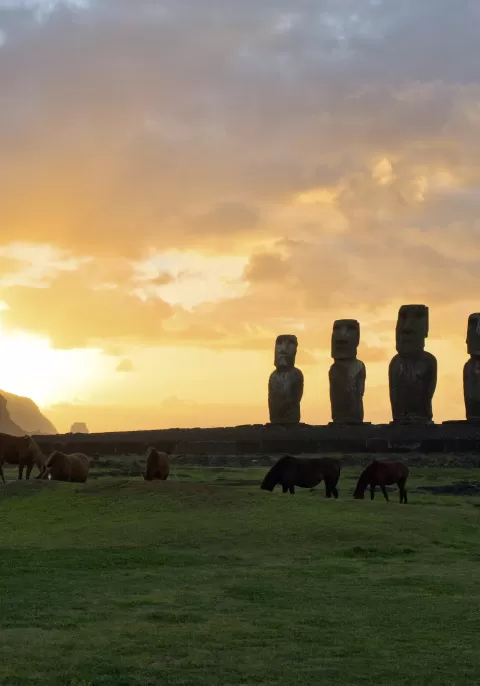
Wild horse of Easter Island
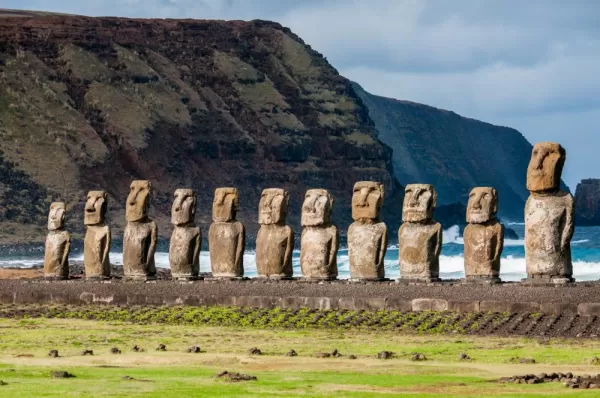
Exploring Easter Island on exciting outdoor adventures can include biking in the interior of the island, hiking up volcanoes, and, of course, venturing around the ancient giant statues that put the island on the map when it was discovered in 1722.
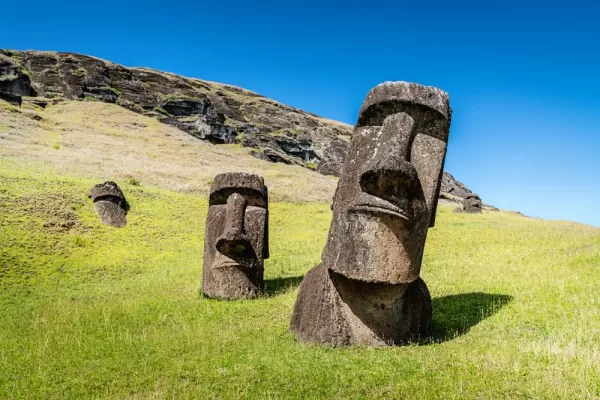
There are around 1,000 statues located all around the 63 square mile island (163.2 square km), weighing as much as 80 tons and standing at about 26 feet tall (9.8 m). Recently, archeologists have discovered that the statues had lower bodies that were buried under the ground.
Easter Island Weather and Seasons
Best months for outdoor activities, hiking, or cultural events
The best time to enjoy outdoor activities on Easter Island is during the shoulder months of March, April, October, and November. These months usually bring mild temperatures, plenty of sunshine, and fewer crowds, which makes hiking, visiting the moai sites, horseback riding, and snorkelling far more comfortable. Summer months (December to February) are warmer and busier, but still great for being outside if you don’t mind the heat and extra visitors.
Weather considerations for festivals like Tapati Festival
The Tapati Festival takes place every February, right in the middle of summer. Expect warm weather, strong sunshine, and higher humidity, with daytime temperatures around the high 20s °C (80s °F). It’s also peak travel season, so the island is livelier and busier. If you’re planning to attend Tapati, pack lightweight clothing, sunscreen, and plenty of water for the outdoor events and performances. Evenings can feel warm too, so you’ll likely be comfortable staying out late to enjoy the celebrations.
Summer (December – March)
Warm, busy season.
Autumn (April – June): quieter, mild weather
The months of April, May, and June are between fall and winter when the weather isn’t too hot as tropical breezes keep things cool. Understanding Easter Island weather by month helps travelers plan accordingly, and these months offer some of the most comfortable conditions. While there are the chances of rain, the temperate climate affords travelers the opportunity to get out and explore the island’s archeological sites as well as get some beach time or a horse ride along the coastal cliffs.
Explore Easter Island
Rapa Nui National Park covers almost half of the small island. The protected area was established in 1935 and is home to the Rano Raraku quarry, where the Rapa Nui people carved these giant statues for five hundred years until the 18th century. There are statues at different stages of completion in the quarry that show the stunning examples of the work that went into creating them.
Winter (July – September):
Cooler, fewer crowds.
Spring (October – December): great balance of weather & tourism
Falling between winter and spring, October, November, and December are pleasant months to travel to this remote Chilean outpost as they give you the best of the winter months and the room to stretch your legs while exploring the manmade and natural wonders of the island while the crowds are at bay. Many travelers consider this the best time to go to Easter Island for outdoor activities and comfortable weather conditions.
Ana Kai Tangata Cave, Rapa Nui
Popular activities during this time include surfing, snorkeling, and diving in the crystal clear waters of Easter Island’s shores. For those that would rather explore by land, the Ana Kakenga Cave is part of the island’s underground complex of taverns where spelunking gives you great views from cliffside vantage points out over the sea. This activity can also double as an excellent rainy-day activity.
While there is a small but healthy population of descendants of the original inhabitants of the island living on Easter Island today, little is known about what happened to the first settlers. Some think that they lost their way by cutting down the island’s trees for farming projects, and subsequently faced starvation as a result.
Once you've settled on your ideal season, it's time to plan your Easter Island trip — contact one of our travel experts so they can set you up with a trip that fits both within your schedule and budget.
When planning your journey, considering the Easter Island weather by month chart below will help you determine the best time to visit Easter Island for your specific travel preferences.
Easter Island Weather by Month
Breakdown of average temperatures & rainfall month by month
Month
Average Temperature ℉ (℃)
Average Rainfall in (mm)
January
73.9 (23.3)
3.6 (92)
February
74.7 (23.7)
3.4 (87)
March
73.6 (23.1)
3.4 (86)
April
71.2 (21.8)
4.6 (118)
May
68.5 (20.3)
5.0 (128)
June
65.8 (18.8)
4.0 (102)
July
64.8 (18.2)
3.7 (94)
August
64.4 (18.0)
3.4 (86)
September
65.1 (18.4)
3.3 (84)
October
66.6 (19.2)
2.9 (73)
November
68.7 (20.4)
3.1 (80)
December
71.2 (21.8)
3.6 (92)
This comprehensive Easter Island weather by month breakdown shows that the best time to go to Easter Island depends on your preferred activities and weather conditions, with the shoulder seasons offering the most balanced experience of pleasant weather and fewer crowds.
Can You Visit Easter Island? Travel Requirements & Tips
Yes, you can visit Easter Island, but there are a few things to know before you go. All commercial flights come through Santiago, Chile, so you’ll need to fly into the capital first. Visitors must also complete a short entry form and show proof of accommodation on the island before boarding the flight. Space is limited, so booking hotels well in advance is important, especially during peak months. No special visa is required for most travellers who already qualify for entry into Chile, but you’ll receive a stay limit for the island itself, usually up to 30 days.
Accessibility and transportation on the island
Once you arrive, getting around is fairly straightforward. The island is small, with one main town, and most visitors choose to rent a car to reach the archaeological sites at their own pace. Taxis and guided tours are also available, but public transport is minimal. Roads are mostly paved, though some stretches leading to remote moai platforms can be rough. It’s very walkable in town, but distances between major sites are too long to cover on foot, so some form of transport is necessary.
Responsible tourism & respecting Rapa Nui culture
Easter Island is one of the world’s most protected archaeological areas, so treating the sites with care is essential. The moai statues and ahu platforms are sacred, and touching or climbing on them is strictly prohibited. Staying on marked paths and following park rules helps preserve the landscape. You’ll find that the local Rapa Nui community is warm and welcoming, and learning a bit about their history and traditions—plus supporting local businesses—goes a long way. Overall, visiting responsibly means slowing down, showing respect, and appreciating the island as a living culture, not just an attraction.
FAQs About Visiting Easter Island
What is the best month to visit Easter Island?
April, May, October, and November are often considered the best months to visit. The temperatures are pleasantly warm, the skies are generally clear, and crowds are lighter compared to the peak summer season (December to February). If you want great weather without the busy holiday period, these shoulder months are a sweet spot.
Can you visit Easter Island year-round?
Yes, Easter Island is open to visitors at any time of year. Flights arrive from Santiago throughout the week, and the island’s main sites are accessible year-round. Just keep in mind that summer (December to February) is the busiest and warmest period, while winter (June to August) sees cooler temperatures and a higher chance of rain.
How many days do you need on Easter Island?
Most travellers are happy with three to four full days. This gives you time to visit the main archaeological sites, spend an afternoon on Anakena Beach, watch sunrise at Ahu Tongariki, see the quarry at Rano Raraku, and still enjoy a relaxed pace. If you’re interested in hiking or diving, add an extra day to fit everything in comfortably.
What is the weather like in Easter Island?
Easter Island has mild, subtropical weather. Summer months (December to February) are warm and humid, with daytime temperatures around the mid-20s Celsius. Winter (June to August) is cooler, with temperatures dipping to the high teens and low 20s. Rain can fall at any time of year, but showers tend to pass quickly, leaving plenty of sunshine.
Our team is waiting and ready to talk with you about your next adventure.
So go ahead and book an appointment with one of our specialized trip planners.
Tilly Pearson, our Trip Planner, was very timely and responsive with all the information we needed to make the best decisions for our trip. Thank you.
Norma Twyman
7 hours ago
Questions were answered quickly and calls were available for scheduling.
Lisa Dorn
17 hours ago
With 3 couples there were many twists & turns (caused by us). Kevin politely & efficiently responded to all our questions & changed. He was great & we are all looking forward to the trip
Randy
2 days ago
The trip advisers are readily available, attentive and always understand from the first conversation what kind of a trip we are looking for.
Cindy S.
2 days ago
Clara was very responsive and helpful every step of the way.