by Jane Packer, Trip Planner
Traveling to
Torres del Paine National Park during the shoulder season—October, November, March, and April—can offer a rewarding balance of good weather, fewer crowds, and often better value. While peak season from December through February draws the most visitors, many experienced travelers prefer the quieter months on either side, when the landscape is just as dramatic but the overall experience feels more relaxed. Understanding Torres del Paine weather during these months can help travelers plan a more enjoyable and flexible Patagonia adventure.
Fewer Crowds and More Peaceful Trails
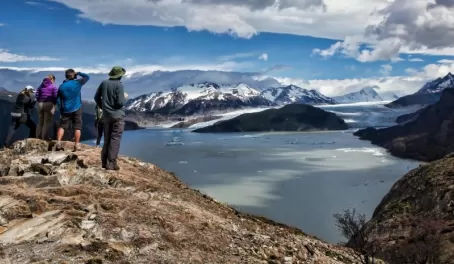
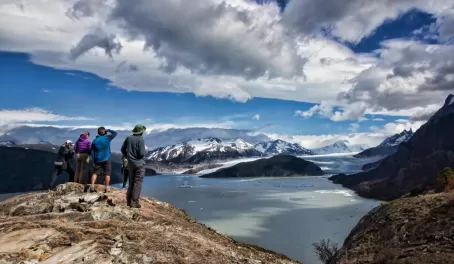
One of the biggest advantages of shoulder season travel is reduced crowd levels. During peak summer months, popular viewpoints and trails—especially the Base of the Towers, French Valley, and Grey Glacier—can become busy, with refugios and lodges often fully booked well in advance. In October, November, March, and April, the trails tend to be quieter, allowing for a more peaceful hiking experience. This can make a noticeable difference, particularly at iconic viewpoints where you may otherwise be sharing the scenery with large groups. A quieter park also enhances wildlife viewing, as animals are often easier to spot without heavy foot traffic.
Seasonal Landscapes and Scenic Beauty
Shoulder season also brings beautiful seasonal changes to the landscape. In October and November, spring arrives in Patagonia with wildflowers beginning to bloom, waterfalls running strong from snowmelt, and fresh greenery across the valleys. The park feels especially vibrant during this time. March and April, on the other hand, offer early autumn colors, with golden lenga forests and softer light that many photographers prefer. The changing foliage adds a different visual dimension compared to the bright greens of summer, making fall one of the most scenic times to visit.
Ideal Photography Conditions
Another benefit is the quality of light and photography conditions. Shoulder season often brings lower sun angles, creating dramatic shadows across the Paine Massif and softer tones on lakes and glaciers. Sunrise and sunset colors can be particularly striking, especially in March and April when daylight hours shorten slightly. These months often provide ideal conditions for landscape photography, with fewer people in the frame and more atmospheric skies.
Better Availability and Flexibility
Availability and flexibility are also improved during shoulder season. Lodges, EcoCamp domes, and all-inclusive programs are more likely to have space, and travelers often have more flexibility when choosing room categories or excursion dates. Guides may also operate with smaller groups, creating a more personalized experience. This can be especially appealing for travelers who prefer a quieter, more intimate feel rather than the busier peak-season atmosphere.
Understanding Torres del Paine Weather
Torres del Paine weather during shoulder season can be more variable, but this is true year-round in Patagonia. October and November can bring cooler temperatures and occasional wind, while March and April tend to be slightly more stable, with crisp mornings and mild afternoons. The key is simply to pack appropriate layers. With proper preparation, the weather differences are usually manageable and often worth the trade-off for fewer crowds.
A Slower and More Immersive Experience
Another subtle advantage of the
shoulder season is the pace of the experience. Restaurants, trails, and common areas at lodges tend to feel less rushed. Transfers and excursions often run more smoothly, and there’s more opportunity to slow down and appreciate the scenery. Many travelers find that shoulder season allows them to connect more deeply with the landscape rather than moving through a busy itinerary.
Experience Patagonia Your Way
Overall, visiting Torres del Paine National Park in October, November, March, or April offers an excellent balance of scenery, comfort, and tranquility. With fewer crowds, beautiful seasonal colors, and greater flexibility, the shoulder season can provide a more relaxed and immersive way to experience one of Patagonia’s most iconic destinations.
Ready to experience Patagonia at its most peaceful and scenic?
Contact us and start planning your Torres del Paine adventure.