China’s wildlife has faced major threats from habitat loss, overexploitation, and pollution, but recent decades have seen significant progress in conservation policy.
The China Wildlife Conservation Association (CWCA), established in 1983, laid the foundation for nationwide protection.
The original Wildlife Protection Law, enacted in 1988 and most recently revised in 2022, now provides stricter penalties for poaching, trading, and habitat destruction.
By the mid-1990s, China had established more than 570 nature and forest reserves, protecting about 8.7% of its territory. Today, those numbers have expanded dramatically.
Over 10,300 nature reserves and protected areas cover approximately 18% of China’s landmass.
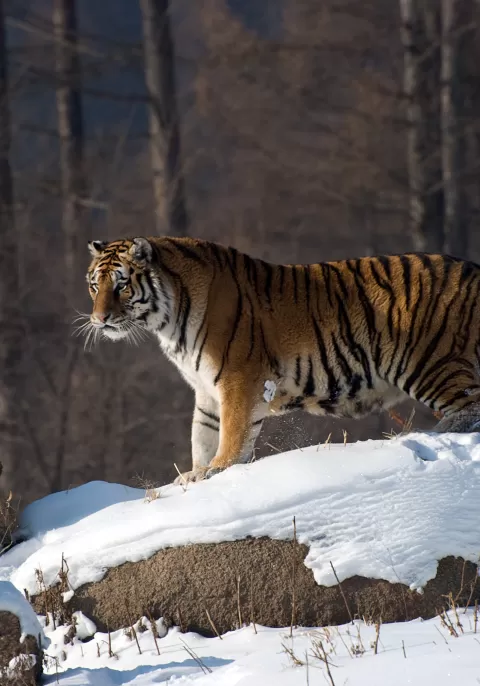
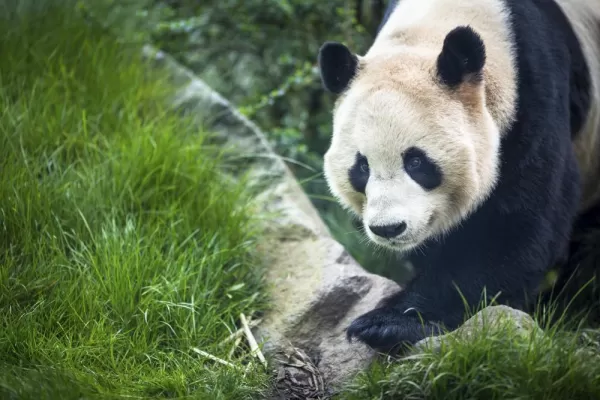
The country is building the world’s largest national park system, featuring 10 official national parks launched since 2021, including the Giant Panda National Park, Hainan Tropical Rainforest National Park, and Northeast Tiger and Leopard National Park.
In 2023, China added 700 more species to its list of nationally protected wildlife, bringing the total to 1,924 protected species (1,028 birds, 450 reptiles, 253 amphibians, and 91 mammals).
These efforts show tangible results. Populations of giant pandas, takin, golden snub-nosed monkeys, and Chinese alligators are all increasing thanks to habitat restoration and breeding programs. The giant panda, once classified as Endangered, has been upgraded to Vulnerable by the IUCN. Similarly, the Yangtze finless porpoise population has stabilized following strict fishing bans along the river.
Flagship and Endangered Species
China’s wildlife success stories and conservation challenges highlight the complexity of protecting such vast ecosystems:
Giant Panda (Ailuropoda melanoleuca): A conservation icon and key species in the Sichuan, Shaanxi, and Gansu mountains.
Hainan Gibbon (Nomascus hainanus): The world’s rarest primate, with fewer than 40 individuals surviving in Hainan’s tropical rainforest.
Chinese Alligator (Alligator sinensis): Once nearly extinct in the wild, it’s rebounding through reintroduction projects in Anhui Province.
South China Tiger (Panthera tigris amoyensis): Functionally extinct in the wild; captive breeding programs aim for long-term recovery.
Yangtze Finless Porpoise (Neophocaena asiaeorientalis): A freshwater dolphin species unique to the Yangtze River; now protected under a national fishing ban.
Red-crowned Crane (Grus japonensis): Culturally significant and carefully monitored in the wetlands of Heilongjiang and Jiangsu provinces.
Habitat fragmentation due to rapid urbanization and infrastructure expansion
Climate change affecting alpine and wetland ecosystems
Illegal wildlife trade, though reduced, it remains a concern in some regions
Pollution and river degradation, especially in the Yangtze and Yellow Rivers
Human–wildlife conflicts, such as panda habitat overlap and livestock predation by snow leopards
The government continues to tackle these issues through stronger enforcement, habitat connectivity projects, and environmental education.
Responsible Wildlife Tourism in China
Ecotourism now plays an important role in supporting local economies and conservation. Travelers can experience China’s wildlife responsibly by visiting key protected regions such as:
Sichuan Province: Panda reserves in Wolong and Bifengxia
Hainan Island: Tropical rainforests and Hainan gibbons
Northeast China: Snow leopards and Amur tigers in Jilin and Heilongjiang
Yunnan Province: Birdwatching and elephant habitats in Xishuangbanna
Visitors are encouraged to choose certified eco-lodges, follow park guidelines, and avoid any activity that disturbs wildlife.
The Future of China’s Wildlife
China’s growing national park system and increasing public awareness mark a turning point for conservation. Technology such as AI camera traps, satellite monitoring, and environmental DNA sampling are transforming how species are tracked and protected.
The country’s goal to achieve “ecological civilization”, balancing development with sustainability, signals a future where economic progress and wildlife protection can coexist. With continued dedication, the forests, rivers, and mountains of China will remain sanctuaries for some of the planet’s most fascinating creatures.
Our team is waiting and ready to talk with you about your next adventure.
So go ahead and book an appointment with one of our specialized trip planners.
If you go to the Galápagos, ask for James Sanchez as your guide he was fantastic! Very nice and extremely knowledgeable
Bob
3 days ago
Fabulous service for booking a cruise. Prompt response. Very satisfied
Christine Pavel
5 days ago
We have had excellent results when working with Adventure Life. We've just set up out third trip with them because the first two were great! Adventure Life has always listened, worked with us, and set up trips the way we've wanted. They've also found experiences we wouldn't have known about otherwise, that have been some of the highlights of the entire trip.
SA
5 days ago
Mary goes the extra mile to ensure smooth travel booking and trips! She recommends amazing journeys at a great value!
Beth Vance
1 week ago
Shannon was always quick to reply to my questions and her honest answers helped us identify the right trip for us. Off to a great start!