Hiking in Corcovado National Park
Corcovado National Park is one of the most remote and least developed places in
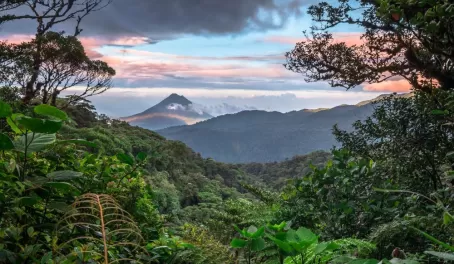
Costa Rica. It sits on the Osa Peninsula in the country’s southwest, protecting about 41,800 hectares (roughly 103,000 acres) of lowland rainforest, cloud forest, swamps, mangroves, and lagoons, along with 46 kilometers (29 miles) of beach. Most visitors arrive by boat or small plane, but once inside, the park can only be explored on foot, and only with a certified guide. That keeps visitor numbers low and puts you in the forest far from roads. Trails range from short half-day walks to long, demanding treks, so there are options for most fitness levels.
You’ll cross rivers, walk through old-growth forest, follow stretches of empty beach, and find waterfalls tucked into the trees. There are no shops or snack stands, just forest and the sound of wildlife.
Here’s what to know before you go, from wildlife and trails to how to get there and what to pack.
Wildlife You Can See in Corcovado
Corcovado’s size and remoteness support wildlife that is hard to find elsewhere in Costa Rica, and a good guide makes a large difference in what you’ll see. Spending several days in the area with an experienced naturalist, rather than a single day trip, gives you the best chance of encountering the park’s more elusive species. These are some of the animals the park is known for:
Baird's Tapir
The largest land mammal in Costa Rica, often seen near rivers and on muddy trails, especially around Sirena. Surprisingly quiet for its size.
Scarlet Macaw
Bright red parrots with yellow and blue wings, often seen in pairs or small groups and heard well before they’re seen.
Red-Backed Squirrel Monkey
Also called the Central American squirrel monkey, this small, fast monkey lives only along the Pacific side of Costa Rica and western Panama. It’s an endangered species, and Corcovado is one of the places it can still be seen in good numbers.
Jaguar
Corcovado is one of the last strongholds for jaguars in Costa Rica, but they are rarely seen. Tracks are more common than sightings.
White-Lipped Peccary
Wild pigs that travel in large, noisy herds and are usually heard before they’re seen. Your guide will explain how to keep a safe distance.
Harpy Eagle
One of the largest eagles in the world. Harpy eagles are thought to no longer breed regularly in Costa Rica, and sightings on the Osa Peninsula are occasional and extremely rare.
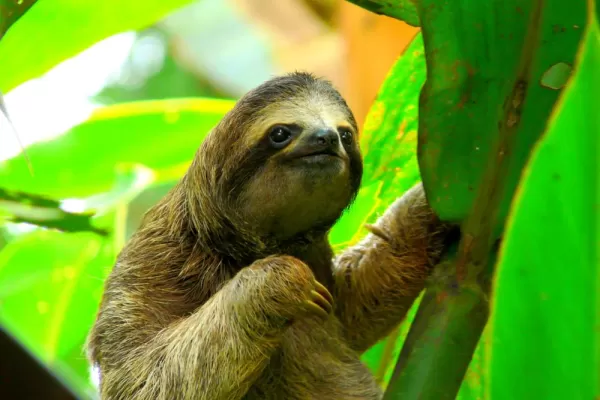
You may also see coatis, toucans, all four of Costa Rica’s monkey species, poison dart frogs, snakes, and countless insects.
Hiking Trails and Sectors in Corcovado
Corcovado is organized around ranger stations, and each sector has its own trails and character. These are the main options for visitors:
San Pedrillo Sector
The northern entrance, reached by a short boat ride from Drake Bay. Its trails, including a short waterfall trail and the longer La Llorona trail, pass through primary forest to river pools and waterfalls. San Pedrillo is a good choice for a half-day or full-day visit if you’re staying in Drake Bay, and it’s known for birding.
Sirena Sector
The park’s interior hub and the only ranger station with overnight lodging. A network of local trails, about 20 kilometers in total, leads through forest and along rivers, with the strongest chance in the park of seeing tapirs and other large mammals. Most visitors reach Sirena by boat from Drake Bay or Puerto Jiménez.
La Leona to Sirena
A long, mostly flat route of about 18 kilometers that alternates between beach and forest, with river crossings timed to the tides. Hikers usually start early from the La Leona entrance near Carate and arrive at Sirena in the afternoon, then spend the night there.
Los Patos to Sirena
The inland route through the heart of the park, about 25 kilometers through primary and secondary forest. It’s muddy, humid, and physically demanding, best for experienced hikers in good condition.
El Tigre Sector
A quieter eastern entrance near Dos Brazos, close to Puerto Jiménez. It sees fewer visitors than the other sectors and suits travelers looking for a less crowded day in the forest.
Top 3 Unique Experiences in Corcovado
There’s more to Corcovado than walking through the forest. These are the moments many visitors remember longest.
Swimming in Jungle Rivers and Waterfalls
Several trails, especially at San Pedrillo and Sirena, lead to rivers and waterfall pools where your guide may stop for a swim. Always ask before getting in, since some rivers near the coast have crocodiles and bull sharks.
Beach and Rainforest Hiking
On routes like La Leona to Sirena, you’ll move between forest and beach in the same day: monkeys and macaws in the trees, then long stretches of empty sand.
A Night at Sirena Ranger Station
Staying at Sirena means early-morning and late-afternoon walks, when wildlife is most active, and a night surrounded by the sounds of frogs, insects, and distant animal calls. The station is basic, with bunk-style lodging and meals booked in advance.
When Is the Best Time to Visit Corcovado National Park?
Dry season (December–April): The easiest time for hiking, with less mud and easier river crossings. It’s also the busiest, so book well ahead.
Green season (May–November): Fewer visitors, greener forest, and wetter, muddier trails. Rain is heaviest late in the season.
October: The Sirena sector closes every October for maintenance, during the wettest weeks of the year. Other sectors, such as San Pedrillo and La Leona, may remain open, so check before you plan.
For more detail on Costa Rica’s seasons, see our guide to the
best time to visit Costa Rica.
How to Get to Corcovado National Park
How you reach Corcovado depends on which sector you’re visiting:
- From Drake Bay: Boats run to San Pedrillo (about 25–30 minutes) and to Sirena. Drake Bay itself is reached by small plane from San José or by road and boat via Sierpe.
- From Sierpe: A longer boat ride, about an hour and a half, reaches San Pedrillo.
- From Puerto Jiménez: Boats run to Sirena. A 4x4 road leads to Carate, near the La Leona entrance, and roads also reach the Los Patos and El Tigre sectors. Puerto Jiménez has daily flights from San José.
- By air to Sirena: Sirena has a small airstrip used by charter flights.
How to Plan Your Visit to Corcovado National Park
Permits and guides: Every visitor needs a permit and must be accompanied by a certified guide. Daily visitor limits apply in each sector, so permits for Sirena can sell out weeks ahead in the dry season.
Entrance fees: SINAC lists the entrance fee for foreign visitors at around $15 per person per day. Overnight stays at Sirena require a separate reservation for lodging and meals. Most guided tours include these costs.
Rules: Stay on marked trails, follow your guide’s instructions, and pack out everything you bring in. Rules on bringing food into the park are strict, and many operators don’t allow outside snacks. Meals are available at Sirena by reservation.
How long to stay: A day trip to San Pedrillo or Sirena gives you a good introduction. An overnight at Sirena offers the most time with wildlife, when animals are most active.
What to pack: Insect repellent, light quick-dry clothing, a rain jacket, a reusable water bottle, waterproof bags for electronics, sturdy hiking shoes, and sandals or water shoes for boat landings. A camera with a zoom lens helps.
Corcovado works well as part of a longer trip through Costa Rica. Browse our
Costa Rica land tours for itineraries that include the Osa Peninsula.
Where to Stay Near Corcovado National Park
See our
Corcovado hotels and lodges for options in each area.
Drake Bay: A popular base with eco-lodges and mid-range hotels, close to boat departures for San Pedrillo and Sirena.
Puerto Jiménez: A small town with hotels and guesthouses, convenient for the La Leona, Los Patos, and El Tigre entrances and boats to Sirena.
Eco-lodges near the park: A handful of more remote
eco-lodges sit on the park’s edge, combining comfortable rooms with guided hikes from the door. On our Wild Costa Rica Corcovado itinerary, you stay at La Leona EcoLodge, a tented camp near the park’s southern entrance.
Plan Your Corcovado Trip
Corcovado rewards the effort it takes to reach it, with time in the forest where large mammals are still a regular part of the day. A guided visit is the only way in. Adventure Life’s Trip Planners can help you choose between a day visit, a night at Sirena, or a longer stay on the park’s edge, depending on how much time and effort you want to put in.