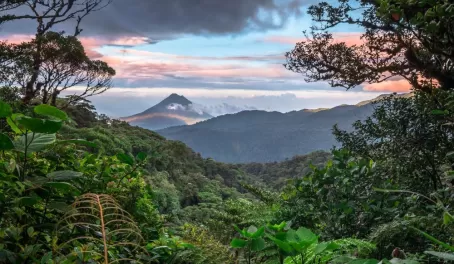
Costa Rica’s tropical climate makes it a year-round destination, but for most travelers, the best time to visit is the dry season, from
December to April. Clear skies and warm sun make it the easiest time for beach days, hiking, and getting around. It is also peak season, so lodges, tours, and flights cost more and book up early.
If you’d like to save money and avoid crowds, consider traveling from
May to November. These months make up the rainy season, usually called the “green season” because the rain brings the forests back to full growth. On the Pacific side, mornings are often clear, with showers more common in the afternoon and early evening.
Weather also depends on which coast you’re visiting. The Pacific coast and the Central Valley follow the classic pattern: dry from December to April and wet from May to November, with the heaviest rain in September and October. The Caribbean coast runs on a different schedule. Rain is spread through the year, with drier stretches in February and March and again in September and October, just when the Pacific side is at its wettest.
Altitude affects temperature as much as season. The coastal lowlands are hot and humid year-round, with daytime highs typically in the mid-80s to around 90°F (about 29–32°C). The Central Valley around San José, at roughly 3,600 feet, is milder, typically in the 70s°F. Cloud forest areas such as Monteverde are cooler still, especially at night, so bring a warm layer.
Month-by-Month Weather in Costa Rica
January & February
Bright, warm, and dry, the first two months of the year are a good time to visit, particularly along the Pacific. Humpback whales from the Northern Hemisphere are present off the Pacific coast, and a small number of leatherback turtles still nest on Pacific beaches in January and February.
February is a good month for the
Osa Peninsula, with warm water and steady sunshine for swimming and hiking. The Caribbean coast also enters one of its drier stretches.
Because the Christmas and New Year holidays bring the year’s largest wave of visitors, consider waiting until the second or third week of January to avoid peak prices and crowds.
March & April
Clear skies and rising temperatures make March and April good for beach days, though the heat also dries out the rivers and forests of the northern Pacific coast. Leatherback turtles begin nesting on the Caribbean coast, and in March, the last Northern Hemisphere humpbacks may still be seen off Guanacaste and the Nicoya Peninsula before they head back north. The dry months are also a good time to look for resplendent quetzals in the cloud forests during their nesting season.
Spring break in the United States brings a wave of student travelers, and Easter week (Semana Santa) is vacation time for Costa Ricans too, so expect busier beaches, roads, and hotels.
May & June
The rainy season begins as showers become more regular, usually in the afternoon and evening. May and June are an enjoyable time for wildlife watchers: rain is lighter than later in the season, and the forests begin to green up. By June, the dry forests of Guanacaste have filled out.
Pacific swells pick up from June through October, bringing consistent surf. Leatherbacks are still nesting on the Caribbean coast. National parks and beaches are quieter, even as North American school holidays begin.
July & August
By July and August, the rainforests are green and full. A drier spell in July and August, known locally as the veranillo or ‘little summer,’ often brings clearer days on the Pacific side, while the Caribbean coast sees heavy rain that begins to ease by late August.
Rivers run higher after months of rain, which makes this a good stretch for
whitewater rafting and waterfall rappelling. Green turtles begin nesting at
Tortuguero National Park in July, and by August, the beaches see their busiest nights. Humpback whales from the Southern Hemisphere also start arriving along the southern Pacific coast in July.
September & October
September and October are the rainiest months of the rainy season on the Pacific side and in the Central Valley. Heavy rain can make some roads and trails muddy or temporarily impassable, particularly in the south, so build flexibility into your plans. In return, you’ll find the Pacific coast at its quietest. The Caribbean coast, meanwhile, has one of its drier stretches, making it a good time for Tortuguero, Cahuita, and Puerto Viejo.
Pacific surf is at its largest. Whale watching continues on the southern Pacific, especially in Golfo Dulce and around Marino Ballena National Park, where Southern Hemisphere humpbacks raise their calves. Green turtle nesting continues at Tortuguero through October, and olive ridley turtles gather in their largest numbers on Pacific beaches such as Ostional.
November & December
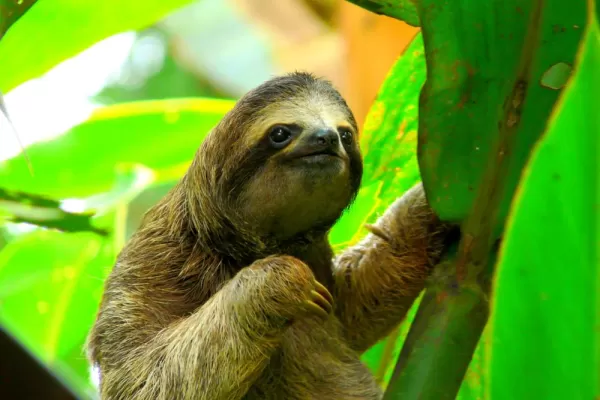
Rain eases in November, making it a good shoulder month. The holidays bring the busiest weeks of the year: by December the forests are still lush from the rainy season, the skies have cleared, and wildlife such as monkeys and sloths is easy to spot. Leatherbacks return to nest on Pacific beaches in small numbers. On the Caribbean coast, November to January is the rainiest stretch, with December usually the wettest month. Expect prices and crowds to rise sharply from mid-December.
At A Glance
Best Time to See Sea Turtles
Green turtles nest at Tortuguero National Park on the Caribbean coast from
July to October, with nesting peaking around August. Leatherbacks nest on the Caribbean coast from about
March to June, and on Pacific beaches such as Playa Grande from about
October to February. Olive ridleys nest on the Pacific coast year-round, with the largest mass nestings (arribadas) at beaches like Ostional most likely in
September and October.
Best Time for Whale Watching
Costa Rica has two humpback seasons. Southern Hemisphere whales arrive along the southern Pacific coast from
July to October, often with calves, with the most sightings from late July to late September around Marino Ballena National Park, Golfo Dulce, the Osa Peninsula, and Drake Bay. Northern Hemisphere whales visit from
December to March, mostly off Guanacaste, the Nicoya Peninsula, and the Central Pacific, with a few reaching as far south as the waters off
Manuel Antonio National Park.
Best Time for Birding
Birdwatching is good year-round, but the dry season from
December to April brings the clearest conditions, and many migratory birds from North America are present during these months. Resplendent quetzals nest from about March to June, so late in the dry season is a good time to look for them in the cloud forests.
Best Time to Visit Costa Rica for Wildlife
It depends on the species and the region. For general
wildlife viewing, including monkeys, sloths, and birds, the dry season from
December to April is easiest: trails are drier, and animals gather near water sources. The green season brings its own highlights, including active, full rainforests, green turtle nesting at Tortuguero, and the main humpback season on the southern Pacific.
Best Time for Rafting
Rafting is possible year-round, but rivers run highest in the green season. Water levels build from
July to October, peaking in September and October on Pacific-slope rivers such as the Savegre and Naranjo. In the dry season, the larger rapids tend to soften.
Best Time to Surf
The Caribbean coast gets its best waves from about
December to March. Salsa Brava at
Puerto Viejo is a well-known reef break for experienced surfers. On the Pacific side, surf spots in Guanacaste, Nicoya, Puntarenas, and Golfo Dulce see their most consistent swells from about
June to October.
Costa Rica doesn’t have one single best time to visit. The right season depends on whether you’re after beach weather, wildlife, or a particular activity, and on which coast you’re visiting, since the Pacific and Caribbean sides follow nearly opposite rain patterns. The table below summarizes the patterns covered in this guide.
What You’re After
|
Best Months |
Why |
| Beaches |
December–April (Pacific); September–October (Caribbean) |
The Pacific coast, where most beach destinations are, is driest December–April. The Caribbean has one of its drier stretches September–October |
| Wildlife |
December–April for general viewing |
Drier trails and easier sightings. Turtle nesting and whale watching peak at other times (see At A Glance) |
| Rafting |
July–October |
Rivers run highest, peaking in September and October |
| Hiking, zip-lining, canopy tours |
December–April |
Trails are driest and views clearest |
Because so much depends on where you’re going and what you want to do, Adventure Life plans each itinerary’s timing around your interests rather than a single generic recommendation, and includes packing guidance for the season you’ll be traveling in.