The Ultimate Guide to the Everest Base Camp Trek: What You Need To Know
Nov 01, 2026
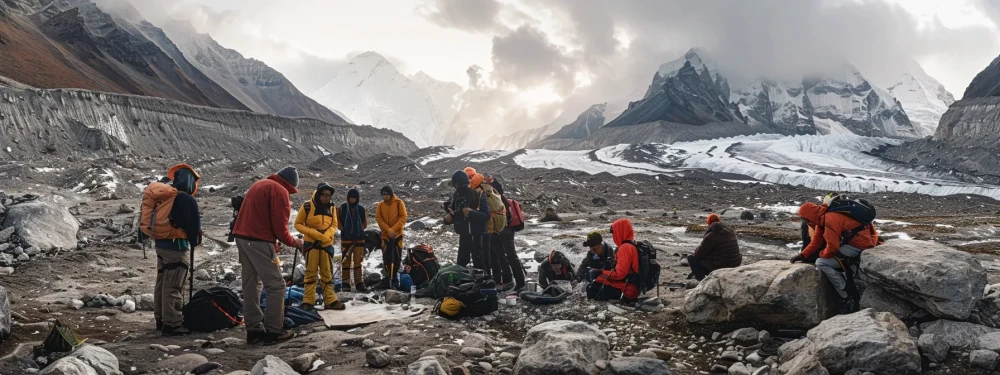
Embarking on the journey to Everest Base Camp is an adventure that attracts trekkers from all over the world. While the challenge of reaching the iconic site set at 5,364 meters above sea level is no small feat, with adequate preparation and knowledge, this trek can be a life-changing experience. The trek leads adventurers through breathtaking landscapes, traditional Sherpa villages, and along trails lined with prayer flags, all set against the backdrop of the majestic Himalayas. Continue reading as we delve into the essential aspects every trekker should know. Preparing for Your Everest Base Camp Trek: Essential Steps and Considerations
Embarking on the Everest Base Camp Trek demands not just enthusiasm but also rigorous preparation. The trek typically spans over 12 to 14 days, winding through some of the world's most challenging terrain. Initial preparation should involve physical training, focusing on cardiovascular endurance, strength, and flexibility to withstand the rigours of daily hiking at high altitudes.
Prior to departure, securing travel insurance that covers high-altitude trekking is a must. Additionally, travellers should research the best times to go, usually pre-monsoon (March to May) or post-monsoon (September to November), when weather conditions are generally clearer and more stable. A well-planned itinerary, which most agencies will provide, is essential for pacing your trek effectively.
Lastly, budgeting for your journey is a key step. While there are a variety of packages available, researching the Everest Base Camp Trek cost to include flights, permits, guides, porters, food, accommodation, and any additional expenses will help prevent unforeseen shortages during your trek.
Navigating Altitude Sickness and Health Tips for High-Altitude Trekking
Altitude sickness is a common concern for trekkers in the Himalayas. Symptoms can range from mild headaches to severe acute mountain sickness (AMS). It is vital to familiarise yourself with these symptoms and understand that they can affect anyone, regardless of fitness level or age. Acclimatisation days are built into trek itineraries for this reason.
Preventative measures such as staying hydrated, moving at a slow and steady pace, eating a high-carbohydrate diet, and avoiding alcohol can mitigate the risk of altitude sickness. Over-the-counter medications such as Acetazolamide may be recommended by your doctor to aid acclimatisation. However, they should never replace a cautious ascent profile.
Essential Gear and Packing List for the Everest Base Camp Journey
Packing the right gear is critical to the success and comfort of your Everest Base Camp trek. Due to the diverse and extreme weather conditions you’ll encounter, layered clothing is essential. From thermal base layers to down jackets and waterproof outer shells, these layers let you adapt to changing temperatures.
Your footwear will be one of the most important investments for the trek. A sturdy pair of waterproof, broken-in trekking boots will help prevent blisters and provide necessary ankle support. Other key items include a reliable sleeping bag rated for sub-zero temperatures, a comfortable daypack, a headlamp, and trekking poles.
Remember to pack light and include only the necessities; luxuries can be a needless burden. Most of these items can be rented or purchased in Kathmandu or Namche Bazaar, but it's advantageous to have gear you're already comfortable with. Balance your personal needs with practicality, and verify your packing list with experienced trekkers or guide companies.
Cultural Insights and Responsible Tourism While Trekking in the Himalayas
While the physical challenge of the Everest Base Camp trek holds a prominent allure, the cultural aspect is equally enriching. The route travels through historic Sherpa villages, where trekkers can experience the warmth and hospitality of the local people. Learning a few phrases in Nepali can go a long way toward building rapport with the community.
Responsible tourism is paramount. It involves respecting local customs, dressing modestly, and maintaining decorum at sacred sites. Supporting local businesses by purchasing crafts or eating at local teahouses benefits the economy. Moreover, environmental consciousness, such as proper trash disposal and using refillable water bottles instead of single-use plastic, helps preserve the pristine nature of these ecosystems.
Throughout your trek, maintaining an open mind and a respectful demeanour will enrich your experience. Engaging with the local community, understanding their way of life, and appreciating the natural beauty without leaving a negative impact is what sustainable travel is all about.
While the journey to Everest Base Camp is an ambitious undertaking, with the right preparations, awareness of health concerns, proper gear, and a culturally sensitive approach, it can be an extraordinary and rewarding experience. Remember to enjoy every step of your adventure while preserving the environment and respecting the local culture for future generations to marvel at.
Our team is waiting and ready to talk with you about your next adventure.
So go ahead and book an appointment with one of our specialized trip planners.
Adventure Life always listens to our wants and is able to translate that into amazing experiences that easily flow from one to the other.
Deb Jewell
2 days ago
We have worked with Kassandra at Adventure-Life for several years. She continues to provide excellent guidance on our trips. This time, we tossed some real challenges - explicit number of days, specific itineraries and limitations on who we would prefer to sail with. She actually gave us choices ! Deposit in place and working on additional details for insurance and extensions. Another success !!
Kathryn Jones
4 days ago
Seamless connections. Excellent guides. Fulfilled every request. Very nice hotels.
Susan Vogel
5 days ago
Its a beautiful country, very friendly people, and everything went like clockwork. The local guide/driver was one of the best we've had: knowledgeable, always on time, had good ideas for what to see. Khiri Travel (the local travel agency) is terrific. Second trip we've taken with them. Recommend them and Adventure Life 100%
LEIGH
1 week ago
Adventure Life organized an incredible trip matching our desired itinerary, with perfect planning and coordination from end to end, including a hand-off of guides and drivers across an international land border. I highly recommend their services.