Before the
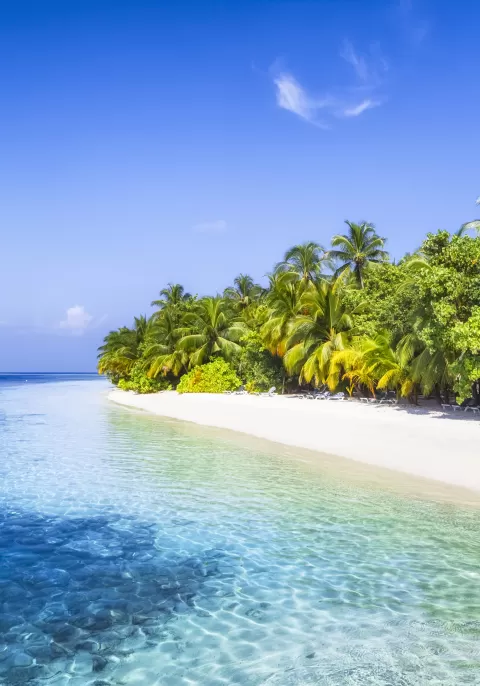
Maldives became known for its overwater bungalows and crystal-clear lagoons, it was a crossroads of ancient sea routes, where traders, explorers, and settlers left behind a rich legacy of culture and tradition. From coral stone mosques to the rhythmic beat of “boduberu” drums, the islands tell stories far deeper than their white-sand beaches suggest.
A Brief History of the Maldives
The Maldives has a long and fascinating history that dates back more than 2,500 years. Early settlers are believed to have come from southern
India and
Sri Lanka. Over the centuries, Arab traders stopped here along their spice routes, bringing with them Islam, which became the official religion in 1153 AD.
The islands were ruled by sultans for hundreds of years and later became a British protectorate in the 1800s. The Maldives gained full independence in 1965 and became a republic shortly after. Despite modern development, many cultural customs remain deeply rooted in daily life.
A Unique Island Culture
Maldivian culture is a mix of South Asian, Arab, and African influences, shaped by centuries of trade and migration. You’ll see it in the music, dance, food, and even the traditional architecture of island homes.
One of the most well-known cultural performances is the bodu beru (“big drum”), a lively drumming and dancing style with African roots. Traditional crafts like mat weaving, lacquer work, and boat building are still practiced today, especially on local islands.
Local Food and Flavors
Maldivian food reflects its history and geography. The cuisine is based on fresh seafood, coconut, and rice. Popular dishes include mas huni (shredded smoked tuna with coconut and onion), spicy fish curries, and sweet coconut-based desserts.
Try dining at a local island cafe to enjoy homemade flavors and warm island hospitality—very different from what you’ll find at a luxury Maldives resort.
Island Life and Daily Culture in the Maldives
Beyond the serene beaches and luxury villas, the Maldives has a vibrant way of life rooted in simplicity, community, and tradition. Most Maldivians live on local islands, where life moves at a slower pace and is shaped by the rhythm of the sea.
Fisheries are a central part of both the economy and everyday life. In fact, tuna fishing is not just a livelihood—it’s a tradition passed down through generations. Early mornings often begin with boats heading out for the day’s catch, and fresh seafood is a staple on every menu.
Maldivians are known for their hospitality. On local islands, it’s common to be greeted with a warm smile and invited to share a tea or local snack. Community plays a big role in daily life—families gather in courtyards, children play by the shore, and evening strolls are a cherished routine.
Religion also shapes local customs. As a Muslim country, you’ll find beautifully designed mosques, daily prayer calls, and modest dress on inhabited islands. While resorts follow more relaxed customs, visitors to local islands are encouraged to respect cultural norms by dressing conservatively and being mindful of local traditions.
For a deeper experience, consider spending time on a local island as part of your trip. It’s a chance to connect with people, support small communities, and see the Maldives beyond the postcards.
Want to experience the heart of the islands? Browse our custom
Maldives itineraries.
Experience Culture Firsthand
While many travelers stay on private resort islands, visiting local islands offers a deeper look into real Maldivian life. From fishing villages and markets to mosques and community events, you’ll come away with a richer understanding of this island nation's heritage.
Start Planning Your Maldives Journey
Ready to explore the culture, history, and hidden gems of the Maldives? Our team can help you build the perfect itinerary, whether you want luxury, culture, or a mix of both.
Contact us and let us help plan your unforgettable Maldives adventure.