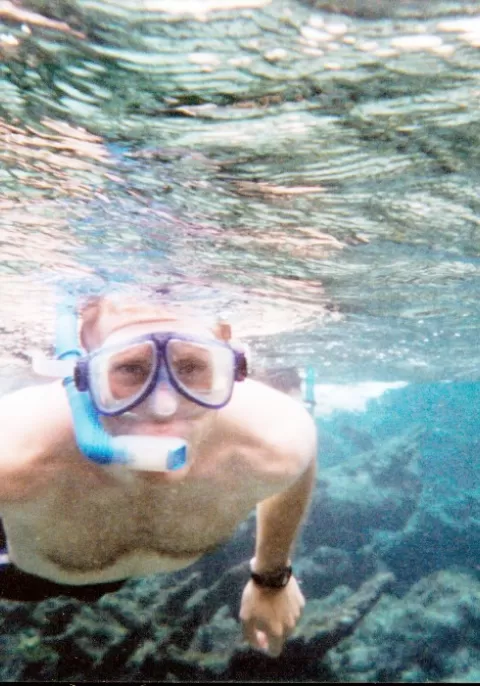
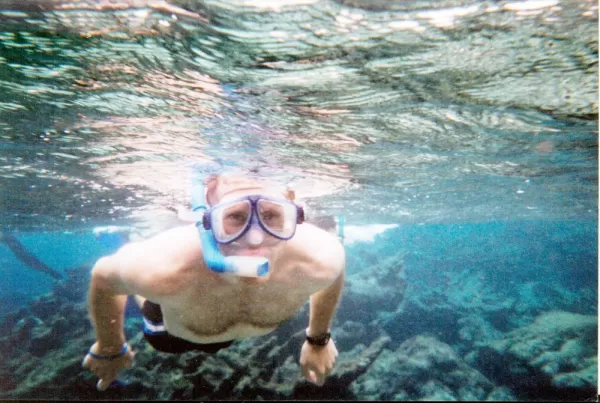
Snorkeling off the coast of Ambergris Caye in Belize (Aaron Conway)
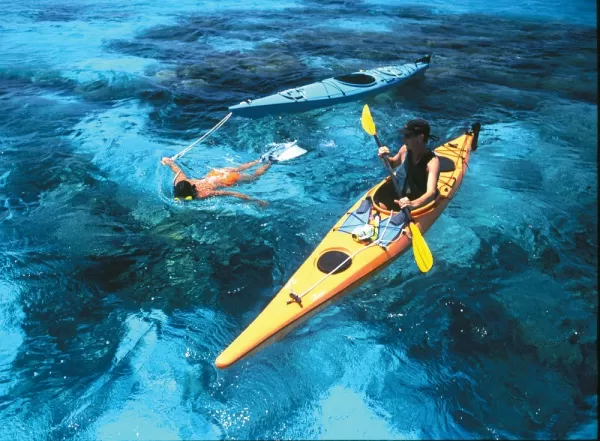
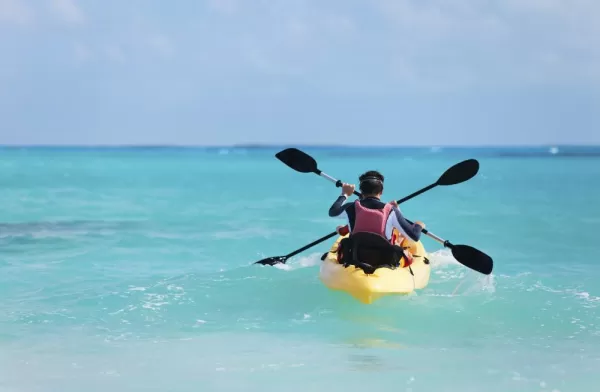
Exploring the crystal clear waters of the Belize Barrier Reef by kayak
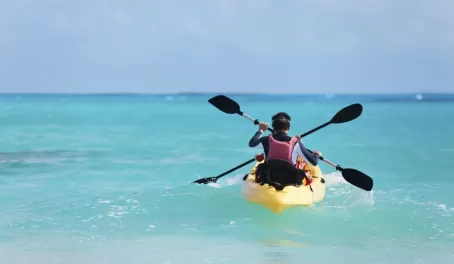
Snorkeling and kayaking adventure in Belize (Deborah Vernon)
Located in the Yucatan Peninsula, tiny Belize is bordered by Mexico in the north and Guatemala to the west. But don't let its size fool you. Only 14,270 square miles wide, Belize is home to the largest barrier reef in the Western hemisphere offering some of the best diving and snorkeling in the world. Traveler, Christa Visperas, elaborates below and shares some of the best locations in Belize to access this water wonder.
By Christa Visperas
The Belize Barrier Reef -- This 300-kilometer stretch of coral reef in the coast of Belize is so breathtakingly-beautiful that even famous naturalist Charles Darwin was moved to call it "the most remarkable reef in the West Indies" in 1842.
Wondering how to get to Belize Barrier Reef? This stunning marine reserve is easily accessible by boat from coastal towns like San Pedro and Caye Caulker. The Belize Barrier Reef is a veritable adventure haven for visitors because it is home to one of the most diverse ecosystems in the world. Snorkeling and scuba diving enthusiasts will marvel at the diversity of animal and plant life in the area. With hundreds of coral and fish species living in the reef, there is no lack of close encounters with these colorful and interesting denizens of the deep. Mollusks and corals co-inhabit the reef with crustaceans, echinoderms, and fish of every size and color, with a plethora of interesting algae adding variety. Eagle rays, green turtles, moray eels, dolphins, and sharks fill the waters. No wonder UNESCO has tagged the Belize Barrier Reef as a World Heritage Site.
Only a small portion of the Belize Barrier Reef has actually been explored. The diversity that people see is only ten percent of the whole area. Imagine what wonders lie in the remaining 90%! It touches a chord in every adventurous soul, for who doesn't thrill to the idea of stumbling on a never-before-seen sea creature, or beholding for the first time a secret cave, or uncovering the secrets long hidden within the atolls and lagoons dotting the reef?
Getting to the Belize Barrier Reef can be done in many ways, but the most preferred method is to make Ambergris Caye, Belize's largest island, your take-off point for exploration. San Pedro is the place to stay in Ambergris Caye, a bustling fishing village with quaint remnants of its Mayan heritage everywhere, from the English-Spanish-Creole-Maya mixed dialect, to the sunny shops with Mexican-Caribbean decors. Mahogany skiffs ply the island for chartered fishing and a day of scuba diving in the reef. The skiffs bring to mind the romantic buccaneering age when the reef was a pirate hunting ground. Hol Chan Marine Reserve, one of Belize's top diving destinations, is only a ten-minute boat ride from San Pedro. In just 5 square miles it compacts 3 different marine zones: reef, mangrove, and seagrass beds.
The town of Dangriga in Southern Belize is also one of the best places to stay if you plan to explore the Belize Barrier Reef. Only 70 miles from Belize City, it takes around 2 hours of car or bus travel to get there. There are also fishing and scuba diving operators in Dangriga waiting to take you on a day of the excursion. All it takes is a stroll down the docks to start your fishing adventure. Trips to nearby cayes of the Belize Barrier Reef - Tobacco Caye and South Water Caye - are easily planned in these docks and jetties. If you have a mind for underwater exploration, Glover's Reef Atoll is the nearest accessible snorkeling and scuba diving site from Dangriga. Due to its isolation from the mainland, Glover's waters are very clear and have a rich reef system.
Yet another great place to start exploring the Belize Barrier Reef is at the town of Placencia, where most visitors base themselves to avail of the best diving and exploration packages. After settling in a hotel or guesthouse of your choice, you can immediately relax on a hammock or stroll along the sandy beaches. To explore the nearest cayes, a catamaran or a private sailboat can be rented on the docks or from many tour operators, for day and even overnight excursions. For the more adventurous, a kayak trip can take you to out-of-the-way islands that dot the reef, where you can enjoy nature camping at its very best.
While the Great Barrier Reef is world-famous, the Belize Barrier Reef offers equally breathtaking reef tours, vibrant marine life, and fewer crowds. Book unforgettable Belize Reef tours and experience the magic of a Belize Barrier Reef tour, including snorkeling, diving, and wildlife encounters.
Belize Weather: The climate in the reef is subtropical at 80 degrees Fahrenheit on average, so best to wear light clothing like shorts and t-shirts, with a light sweater for nighttime activities and a hat to ward off the sun in the daytime. Sunglasses, sunscreen lotions, and insect repellents are also essential things to bring. For sight-seers and avid bird-watchers, a good pair of binoculars will come in handy. Local commuter airlines Maya Island Air and Tropic Air take visitors in and out of the area on a regular basis.
Why visitors should be aware
The Belize Barrier Reef is a natural wonder that travelers from around the world come to see, but it’s important for tourists to be aware that this fragile ecosystem faces serious threats from climate change, coral bleaching, and human impact. The Belize Reef, stretching more than 180 miles, provides coastal protection, supports fisheries, and is the foundation of marine tourism. The Belize Coral Reef is also home to hundreds of coral species and thousands of marine creatures, making it one of the planet’s most diverse ecosystems. Visitors can help protect it by practicing responsible tourism—choosing eco-friendly tours, not touching corals, reducing plastic waste, and supporting conservation efforts. By taking small steps, travelers can ensure the Belize Barrier Reef continues to thrive, providing both natural beauty and vital resources for generations to come.
Our team is waiting and ready to talk with you about your next adventure.
So go ahead and book an appointment with one of our specialized trip planners.
Jess was great! She seemed to be one step ahead of me, anticipating my next question. Her experience and thoughtfulness are unmatched.
David Herr
2 months ago
I am booking a trip to Belize. We are staying at more upscale resorts and my standard AAA travel team was not able to access and book. Adventure Life has been responsive, fair in price and extremely helpful in booking a trip at the preferred resorts, provided excellent knowledge and experience for Belize and put together all our transportation so we can relax and enjoy!
Kris Mathison
3 months ago
Kassi Magruder -
Sandi Costa
5 months ago
The trip booking process was smooth and easy due to the trip planners' courteous, quick assistance. I made inquiries at pretty much the 11th hour for a particular trip date, and the planners were able to respond promptly with a customized itinerary that alleviated a concern I had about a particular day trip. Thank you, Adventure-Life trip planners for your help!
Annelise Judd
7 months ago
They have good first hand experience with the locations and excursions. All the guides they have arranged for us are super knowledgeable, personable, and great. The group excursions they arrange for us are almost always a very small group, often just us.